How Pheasants Were Introduced to North Dakota
For many of us who cherish the crisp fall air and the explosive flush of a rooster pheasant, it's hard to imagine North Dakota's prairies without these vibrant birds. But the truth is, ring-necked pheasants aren't native to our beautiful state. Their introduction was a deliberate, often challenging, and ultimately incredibly successful endeavor that forever changed the landscape of hunting in North Dakota. This guide will walk you through the fascinating journey of how these iconic game birds came to call the Flickertail State home.
North Dakota's Original Wild Landscape and Native Game
Before the arrival of settlers and, much later, the ring-necked pheasant, North Dakota was a wild, untamed expanse teeming with its own unique array of wildlife. Understanding this original ecosystem helps us appreciate the dramatic shift that occurred with the introduction of new species.
Pre-Settlement North Dakota Wildlife
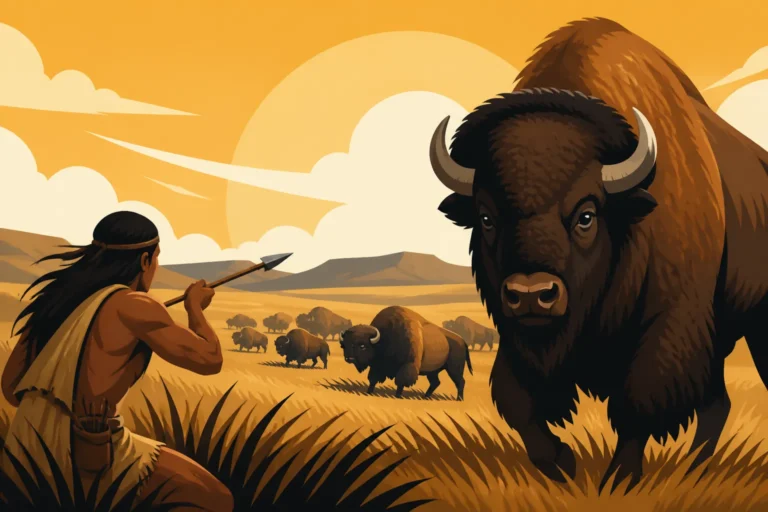
Picture North Dakota centuries ago: vast grasslands stretching to the horizon, dotted with wetlands, coulees, and river bottoms. This was the domain of creatures perfectly adapted to the northern plains. Bison herds roamed freely, sharing the prairie with massive elk and graceful pronghorn. The air was filled with the calls of native birds like sharp-tailed grouse and Hungarian partridge, which still grace our fields today, alongside migrating waterfowl that darkened the skies. Deer, both whitetail and mule deer, found sanctuary in timbered river corridors and the rugged Badlands. Predator species such as wolves, coyotes, and foxes kept the ecosystem in balance. It was a complex and robust environment, perfectly tuned to its native inhabitants.
The Impact of European Settlement
The late 19th and early 20th centuries brought immense change to North Dakota. As settlers moved in, they plowed the virgin prairie for agriculture, built fences, and established towns. This transformation dramatically altered habitats for native wildlife. The vast bison herds were decimated, elk were pushed to the brink, and much of the unbroken prairie that supported sharp-tailed grouse and other native species was converted to cropland. This period also saw significant hunting pressure on native game. While settlers brought new opportunities, they also inadvertently disrupted the delicate balance of the natural world. This left a void in some areas and a desire among sportsmen for new game species that could thrive in the altered landscape.
The Seeds of a New Tradition: Early Introductions
With the native game populations struggling in many areas due to habitat loss and market hunting, the idea of introducing new, hardy game birds from other parts of the world began to take root across the United States. North Dakota was no exception, though the initial attempts were often met with frustration.
The First Documented Attempts
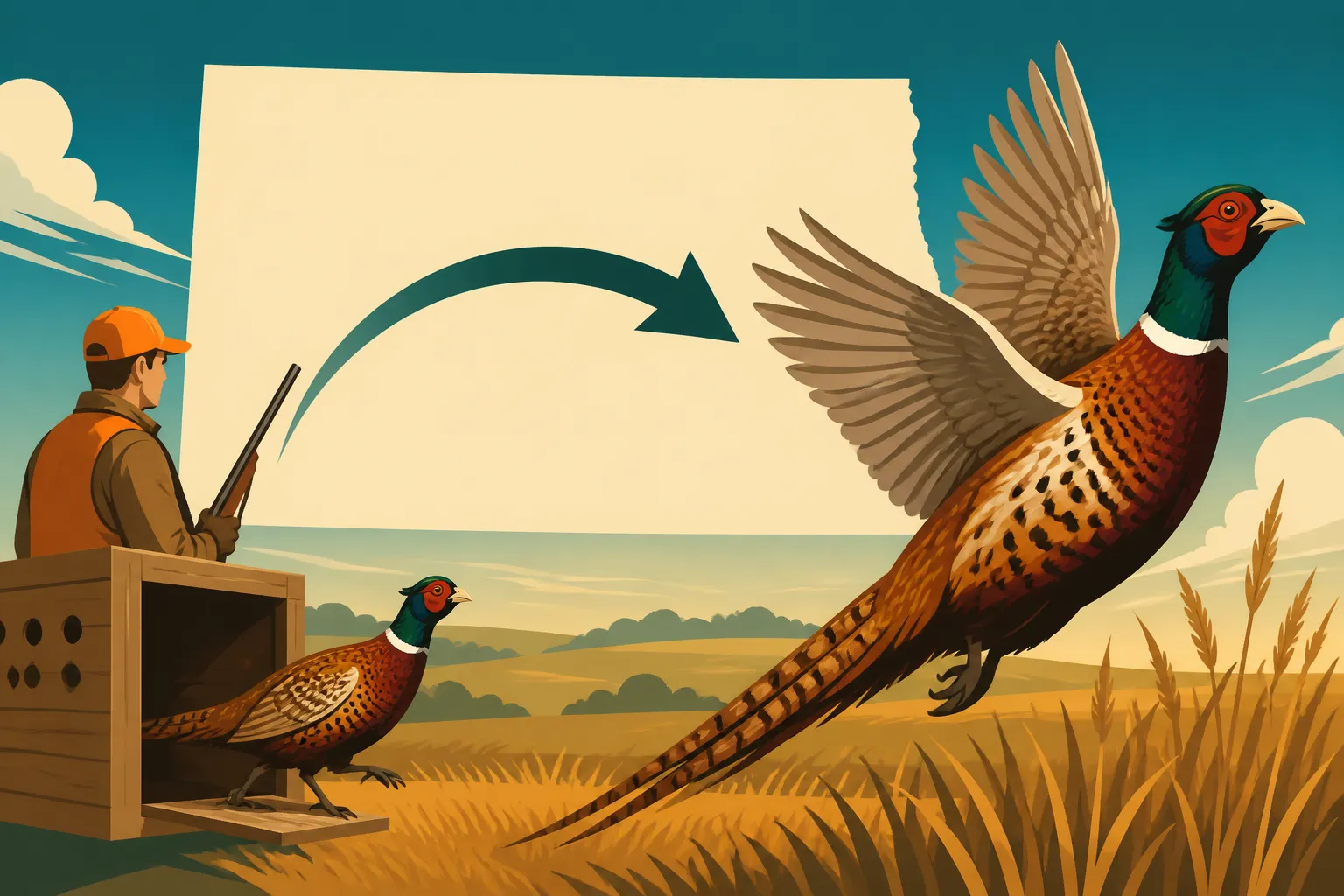
The very first pheasants to arrive in North Dakota were not part of a large, organized state-sponsored program. Instead, they were typically brought in by private individuals, sportsmen's clubs, or even hopeful farmers who had heard of success stories in other states. Records suggest that some of the earliest releases happened around 1910-1915, primarily in the southeastern part of the state. These birds often came from private game farms or were transplanted from states like Oregon and Washington, where pheasants had already established themselves after being introduced from Asia. These early releases were more experimental, often small in scale, and sometimes done without a clear understanding of the birds' habitat requirements or release protocols. It was a time of trial and error, fueled by enthusiasm and a vision for future hunting opportunities.
Initial Challenges and Lessons Learned
It wasn't always smooth sailing for these pioneer pheasants. Many early releases failed, and for a variety of reasons. Sometimes, the birds were simply released into unsuitable habitat, lacking the necessary cover, food, or water to survive and reproduce. Predation from coyotes, foxes, and raptors took a heavy toll on small, unestablished populations. The harsh North Dakota winters, with their brutal cold and deep snows, were also a significant challenge for birds not yet fully adapted to the environment. Disease, poor genetics in captive-bred birds, or even stress from transportation could also contribute to high mortality rates. Through these early setbacks, wildlife enthusiasts and game managers began to learn valuable lessons. They realized that successful introduction wasn't just about releasing birds; it was about releasing the right birds, in the right numbers, at the right time, into the right habitat, and then giving them a fighting chance to establish themselves. This formative period laid the groundwork for the more structured and successful efforts that would soon follow.
The Turn of the Century: Broader Efforts and Success
As the 1900s progressed, the scattered, often unsuccessful, private introductions began to give way to more coordinated and effective strategies. By the 1910s and 1920s, a clearer understanding of pheasant biology and habitat needs emerged, paving the way for the birds to truly establish themselves.
Key Figures and Organizations Driving Stocking Efforts
The North Dakota Game and Fish Department, then known as the Game and Fish Board of Control, played an increasingly vital role in these efforts. Recognizing the potential of pheasants as a new game bird, they began to advocate for and organize more extensive stocking programs. Sportsmen's clubs, local chapters of conservation organizations, and even private landowners became crucial partners. These groups often raised funds, secured birds from game farms in other states, or even operated their own small breeding operations. Enthusiastic individuals, often with a deep love for hunting and conservation, spearheaded many local initiatives, carefully selecting release sites and monitoring the progress of the birds. This collaborative spirit, uniting state agencies with passionate local communities, was instrumental in moving beyond sporadic releases to a concerted, statewide effort to establish pheasants.
Successful Release Methods and Locations
By the 1920s, the methods for releasing pheasants became more refined. Instead of simply dumping birds, releases were strategically planned. Birds were often "hard-released" – given time to acclimate in release pens before being set free – or released directly into prime areas with dense cover, ample food sources, and access to water. The primary focus for successful introductions was the eastern and southeastern parts of North Dakota, where agricultural practices had already created a mosaic of cropland, shelterbelts, and wetlands, offering a diverse and rich habitat. These areas, particularly those in the fertile Red River Valley and the rich prairie pothole region, were deemed ideal. The first open pheasant season in North Dakota was held in 1931 in specific counties, a testament to the success of these sustained and widespread stocking efforts. Hunters could now, for the first time, pursue this exciting new game bird in the state. This early success proved that pheasants could not only survive but thrive in North Dakota's agricultural landscape.
Establishing a Foothold: Habitat and Adaptation
The success of the ring-necked pheasant in North Dakota wasn't just about successful stocking programs; it was equally about the birds finding an environment remarkably suited to their needs and demonstrating an incredible ability to adapt to new conditions.
North Dakota's Ideal Habitat for Pheasants
It might seem counterintuitive that a bird from Asia would thrive in North Dakota, but the state's agricultural landscape, particularly after the initial wave of prairie plowing, created an almost perfect environment for pheasants. Pheasants are "edge" species, meaning they do best where different types of habitat meet. North Dakota offered a rich tapestry of these edges:
- Croplands: Corn, wheat, and sunflower fields provided abundant food sources, especially waste grain after harvest, offering a critical energy boost during harsh winters.
- Grasslands: Interspersed with croplands were grasslands, either native prairie remnants, tame grass hayfields, or areas enrolled in conservation programs like the Conservation Reserve Program (CRP). These provided vital nesting cover in the spring and early summer. In fact, areas with extensive CRP acreage are often highlighted by resources like GoHunt for their strong pheasant populations. Learning about "North Dakota CRP Acres and Pheasant Numbers" can give you a better idea of how crucial these programs are.
- Shelterbelts and Tree Rows: Planted by farmers for windbreaks and erosion control, these linear strips of trees and shrubs offered crucial winter thermal cover, protecting pheasants from blizzards and extreme cold. They also provided escape cover from predators.
- Wetlands and Potholes: The myriad of prairie potholes and associated wetland vegetation offered year-round water sources, dense nesting cover, and escape routes.
This combination of food, nesting cover, and winter thermal cover created a mosaic habitat that perfectly mimicked the diverse environments where pheasants naturally thrive.
Pheasant Adaptability to Prairie Conditions
Beyond the ideal habitat, the ring-necked pheasant itself proved to be an incredibly adaptable species. Originating from regions of Asia with diverse climates, they possessed an inherent hardiness that allowed them to withstand the extremes of North Dakota weather.
- Dietary Flexibility: Pheasants are omnivores, readily consuming waste grains, seeds, insects, and plant matter. This diverse diet ensured they could find sustenance throughout the year, even when specific food sources were scarce.
- Reproductive Capacity: Hens are prolific layers, often producing large clutches of eggs. If an early nest fails due to predation or disturbance, they are capable of re-nesting, increasing their chances of successful reproduction.
- Survival Instincts: Pheasants are masters of camouflage and burst-flight, using dense cover to evade predators. Their strong flight, though not sustained over long distances, allows for quick escape.
- Winter Hardiness: While severe winters can take a toll, pheasants are equipped to handle cold. They will roost in dense cover, huddle together for warmth, and utilize available food sources to build fat reserves. The presence of good winter cover, like thick cattails in a slough or dense shelterbelts, is absolutely critical for their survival during the coldest months.
This inherent adaptability, coupled with the state's evolving agricultural landscape, allowed pheasants to not just survive but to flourish and become an integral part of North Dakota's wildlife tapestry.
The Golden Age and Modern Management
The successful introduction and establishment of pheasants led to a "golden age" of pheasant hunting in North Dakota, attracting hunters from across the nation. Today, while populations fluctuate, active management ensures the species remains a cornerstone of the state's hunting heritage.
The Boom Years and Hunter Enthusiasm
The 1940s through the 1960s, and later resurgences in the early 2000s, are often referred to as the "boom years" for pheasants in North Dakota. During these periods, pheasant populations soared to incredible numbers, making North Dakota a premier destination for upland bird hunters. Hunters would travel from all corners of the country to experience the thrill of walking vast fields and shelterbelts, anticipating the cackle and flush of a wild rooster. The sheer abundance of birds, coupled with relatively liberal bag limits, created legendary hunting experiences that solidified the pheasant's place in North Dakota's outdoor culture. This era also saw the rise of iconic hunting traditions, from the use of pointing dogs to strategic pheasant drives. It was a time when the pheasants truly reigned supreme, providing not just sport but also a significant economic boost to many rural communities.
Modern Pheasant Management and Conservation
Today, the North Dakota Game and Fish Department (NDGFD) employs a sophisticated, science-based approach to managing pheasant populations. This includes annual surveys like the spring crowing counts, which help estimate breeding populations, and roadside brood surveys in late summer, which provide insight into chick production and overall recruitment. These surveys, along with harvest data collected from hunters, inform decisions on season lengths, bag limits, and habitat programs.
A critical component of modern pheasant management is habitat conservation. Programs like the Conservation Reserve Program (CRP) pay landowners to convert marginal cropland back into perennial grass, providing essential nesting and winter cover. The NDGFD also manages numerous Wildlife Management Areas (WMAs) and promotes the Private Land Open To Sportsmen (PLOTS) program, which opens private land to public hunting access, often specifically for upland birds. For those looking to find prime hunting spots, resources like GoHunt's mapping tools can be invaluable for identifying good habitat and public access. Understanding "North Dakota Pheasant Population Estimate" helps hunters set realistic expectations, while knowing "North Dakota Pheasant and Upland Season Rules" is essential for legal and ethical hunting. These continuous efforts ensure that future generations can continue to enjoy the North Dakota pheasant hunting tradition.
Here's a quick look at the journey of pheasant introduction and management:
| Era | Key Characteristics | Habitat Influence | Outcome for Pheasants |
|---|---|---|---|
| Pre-1910 | Native species dominant, prairie untouched | Vast grasslands, diverse ecosystems | No pheasants; strong native bird populations |
| 1910s – 1920s | Early private introductions, trial and error | Growing agriculture, limited cover | Sporadic success, localized populations |
| 1920s – 1930s | Organized stocking, NDGFD involvement | Agricultural expansion, shelterbelts planted | Establishment, first hunting season (1931) |
| 1940s – 1960s | Post-Dust Bowl era, habitat recovery, good farm policy | Abundant edge habitat, conservation programs | "Golden Age," peak populations, widespread hunting |
| 1970s – 1990s | Changes in agricultural practices, habitat loss | Monoculture farming, reduced CRP | Population declines, stricter management |
| 2000s – Present | Habitat focus (CRP, PLOTS), scientific monitoring | Diverse farm/grassland mosaic, managed areas | Stable populations (with fluctuations), sustainable hunting |
The Ongoing Legacy of North Dakota Pheasants
The introduction of the ring-necked pheasant has left an indelible mark on North Dakota, shaping not only its natural landscape but also its economy and cultural identity. It's a testament to a successful conservation story, albeit one with ongoing challenges.
Economic and Cultural Impact
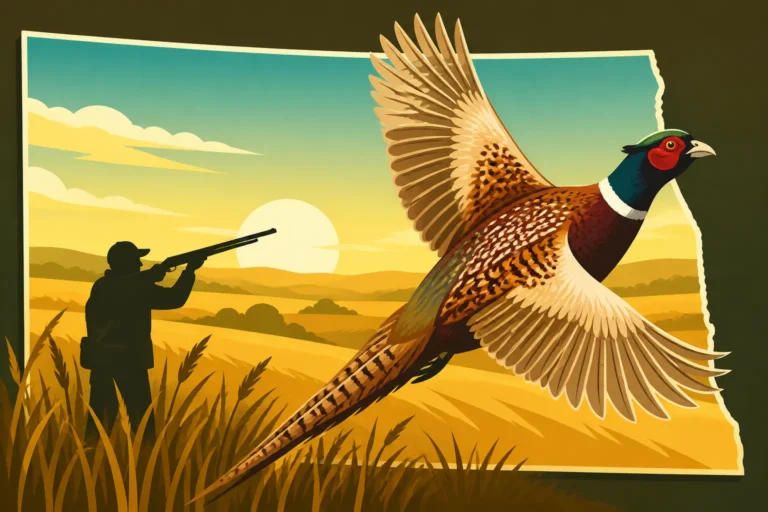
The economic impact of pheasant hunting in North Dakota is substantial. Hunters, both resident and nonresident, spend millions of dollars annually on licenses, gear, fuel, lodging, food, and guide services. This influx of cash supports small businesses in rural towns, from gas stations and diners to motels and sporting goods stores. Outfitters and guides, such as those that might be recommended by GoHunt for prime hunting areas, depend on healthy pheasant populations for their livelihoods. The desire to go on a "Pheasant Hunting North Dakota's Prairie" trip is a huge draw for many. Beyond the financial benefits, pheasant hunting has woven itself into the very fabric of North Dakota's culture. For many families, the opening weekend of pheasant season is a cherished tradition, a time to gather, walk the fields, and share stories. The iconic image of a flushing rooster against a prairie sunset is deeply ingrained in the state's identity, symbolizing the hardy spirit of its people and the abundance of its land. These birds have created a legacy that transcends mere sport.
Future Challenges and Opportunities
While the pheasant's story in North Dakota is largely one of success, it's not without its ongoing challenges. Habitat loss remains a perennial concern, as agricultural practices evolve and pressure mounts to convert grasslands back to cropland. Severe weather events, like harsh winters with deep, prolonged snow cover or drought conditions, can significantly impact pheasant survival and nesting success. Predation also plays a role in local populations. The future of pheasants in North Dakota hinges on continued dedication to habitat conservation. Programs that incentivize landowners to maintain diverse cover, expand shelterbelts, and enroll acres in CRP are vital. Additionally, the efforts of the NDGFD to monitor populations and adapt management strategies will ensure resilience. There's also an opportunity to engage new generations of hunters and conservationists, educating them about the importance of these birds and the habitats they depend on. By continuing to invest in land stewardship and community involvement, North Dakota can ensure that the ring-necked pheasant remains a cherished part of its landscape and its hunting heritage for many years to come, offering opportunities to learn about things like "North Dakota Pheasant Harvest Numbers" for those interested in the bird's future.
Disclaimer
Please note that hunting regulations, seasons, and licensing requirements can change. Always consult the official North Dakota Game and Fish Department website or their latest hunting guide for the most accurate and up-to-date information before planning any hunting activity.