North Dakota Burrowing Owl Habitat on the Prairie
North Dakota burrowing owl habitat features open shortgrass prairie where migratory birds inhabit underground mammal burrows.
Know what you’re after.
Big game, small game, upland birds, and waterfowl — identification, behavior, rut and migration timing, and how each species moves through the season.
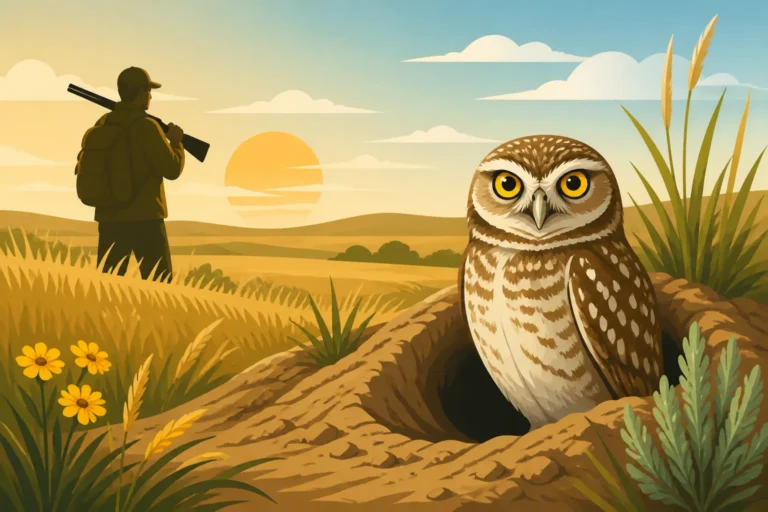
North Dakota burrowing owl habitat features open shortgrass prairie where migratory birds inhabit underground mammal burrows.
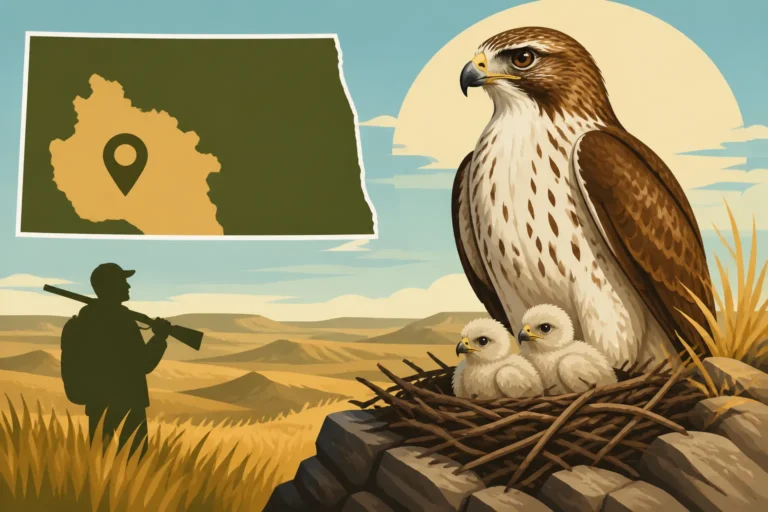
North Dakota ferruginous hawk nesting sites indicate healthy prairie ecosystems and require specific western and central habitats.
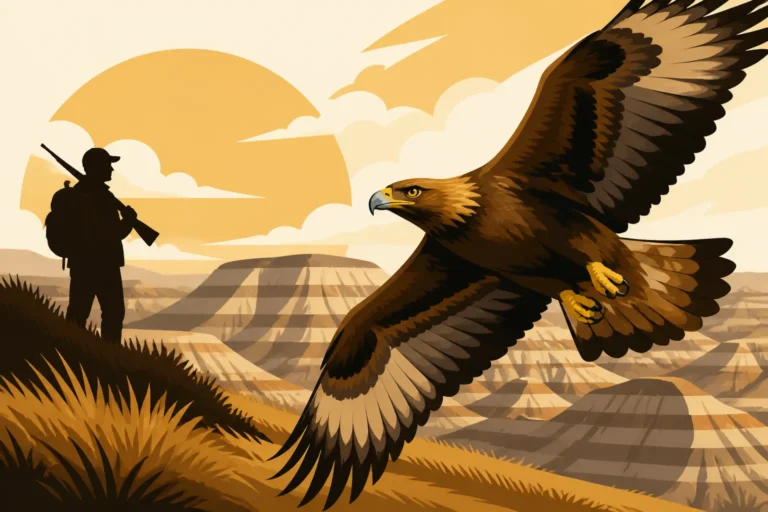
North Dakota golden eagles inhabit the rugged badlands, where identifying markers and ecological roles define their apex predator status.
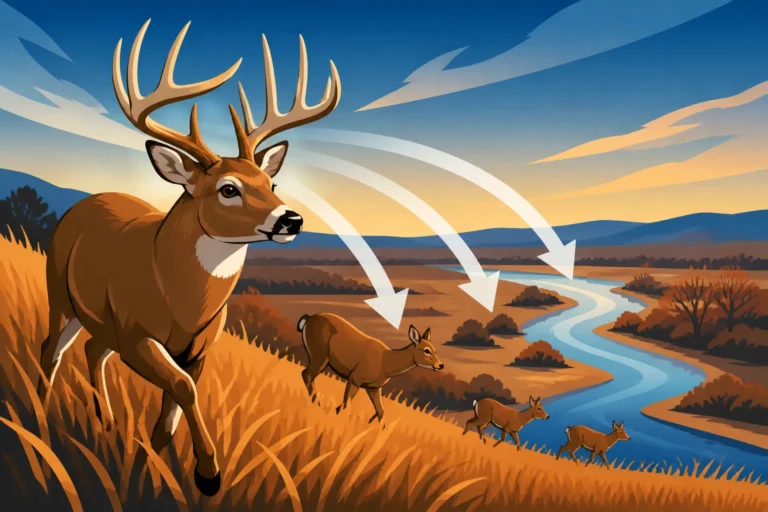
North Dakota whitetail deer migrate to sheltered river bottoms during winter storms to find vital thermal cover and reliable food sources.
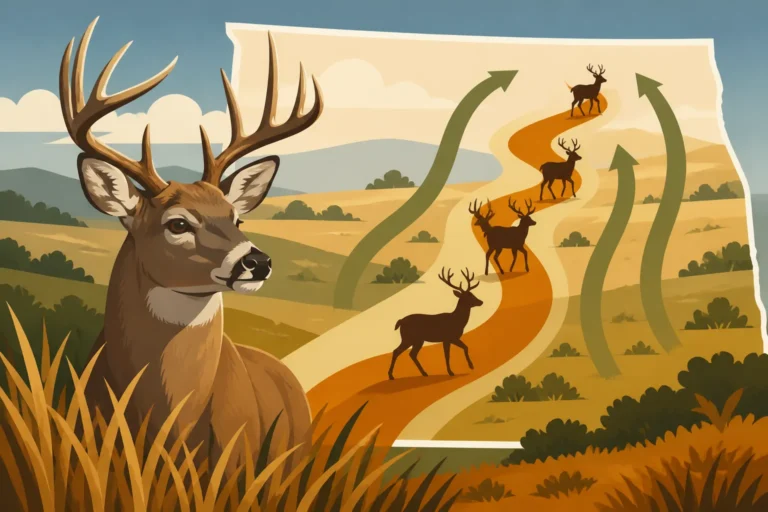
North Dakota mule deer migration corridors and terrain patterns help hunters locate bucks as seasonal weather shifts change animal locations.

North Dakota elk bugling activity peaks from mid-September through early October, driven by the biological imperative of the rut.
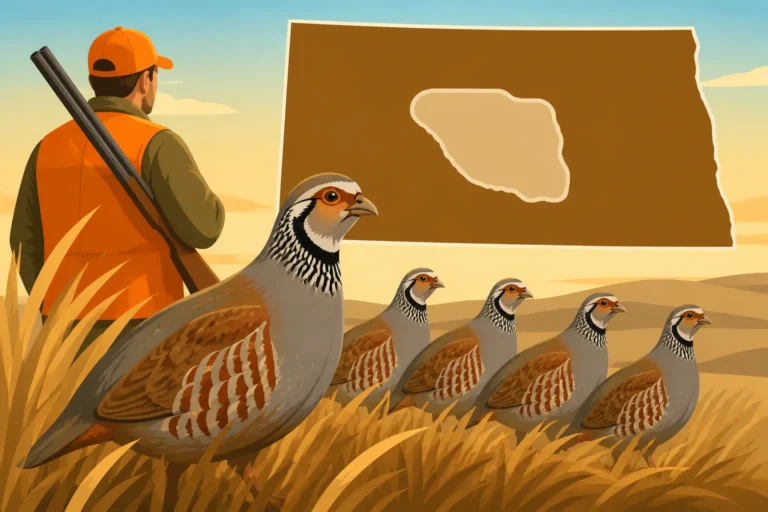
North Dakota Hungarian partridge covey size ranges from eight to twenty birds, indicating breeding success and population health.
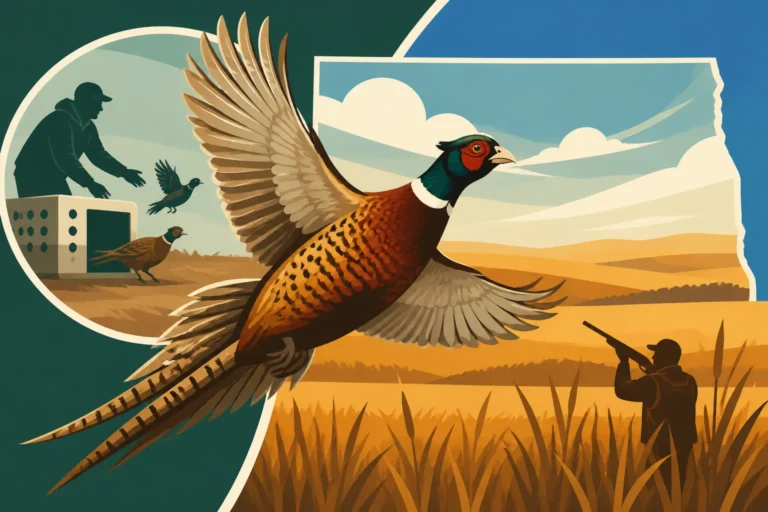
North Dakota pheasant stocking history details early bird introductions and successful conservation efforts across the prairie.
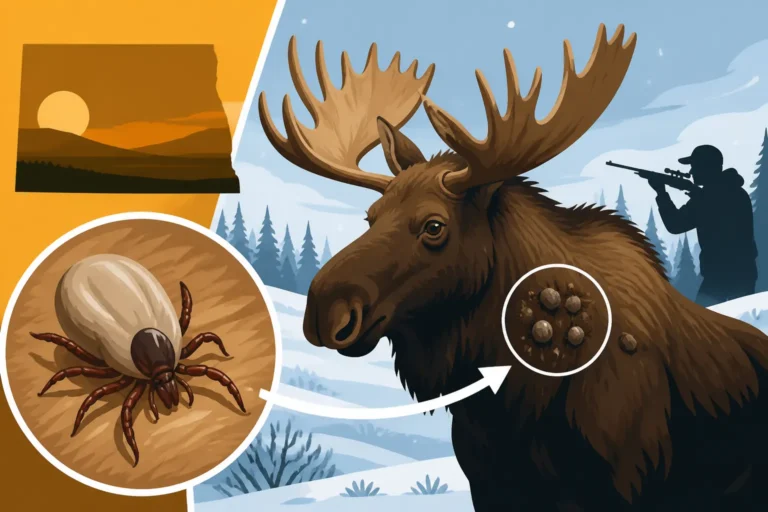
Winter ticks drain thousands of blood meals from North Dakota moose, causing severe anemia, hair loss, and winter hypothermia.
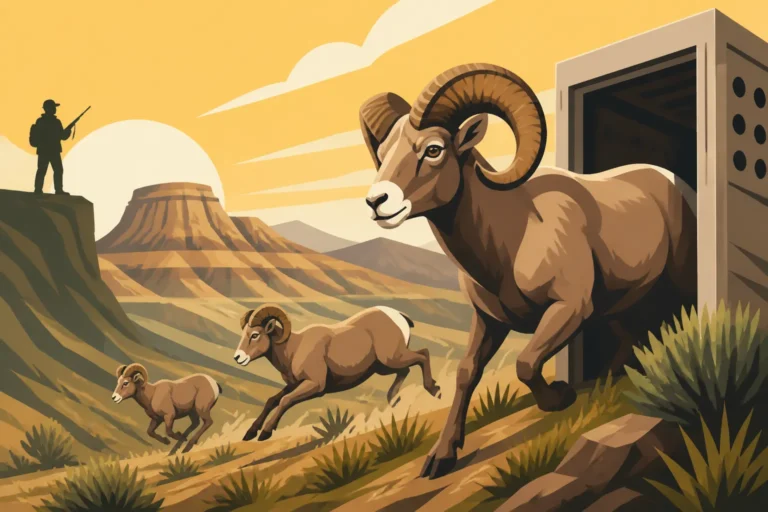
North Dakota bighorn sheep history explains why overhunting, disease, and habitat loss caused their extinction by the early 1900s.