How Pronghorn Numbers Crashed and Recovered
There's nothing quite as humbling as watching a pronghorn glide across the vast North Dakota prairie. Their speed is legendary, their eyesight incredible, and their ability to just vanish into seemingly flat terrain is a marvel. But for all their adaptability, these incredible animals haven't always had it easy in our state. Many folks don't realize that North Dakota's pronghorn population faced catastrophic declines, nearly disappearing entirely, before an incredible comeback story unfolded. This guide will walk you through the roller-coaster history of pronghorn numbers in North Dakota, exploring the challenges they faced and the dedicated efforts that brought them back from the brink, offering a deeper understanding of these amazing creatures and their resilience.
A Legacy of Abundance and the First Decline
Before settlers carved up the prairie and before modern hunting regulations were even a whisper, North Dakota was a wild, untamed landscape where pronghorn roamed in numbers that are almost unimaginable today. They were as much a part of the prairie as the buffalo, truly defining the western expanse of our state. However, the arrival of humans in greater numbers, with their fences and changing land use, set the stage for the first major decline of these magnificent animals.
Historical Presence and Unfathomable Herds
Imagine gazing out over the rolling hills of what is now western North Dakota a couple of centuries ago. What you would have seen were not just scattered groups, but vast, undulating herds of pronghorn, sometimes numbering in the thousands. These animals were perfectly adapted to the open grasslands, their speed and keen vision serving as their primary defense against predators like wolves and coyotes. They thrived on the diverse prairie vegetation, moving across immense territories with seasonal regularity. This was their kingdom, an endless buffet of forbs and grasses, and they flourished. Their historical range covered much of the western two-thirds of the state, extending eastward to the Missouri River and beyond in some areas. They were truly synonymous with the wild, unfenced prairie, a testament to the raw, natural abundance of the region.
The Impact of Settlement and Market Hunting
As the 19th century drew to a close and the 20th century dawned, North Dakota saw a dramatic influx of homesteaders, ranchers, and farmers. With them came fences, railroads, and cultivated fields, all chipping away at the vast, unbroken prairie pronghorn needed to survive. This wasn't just a slow erosion of habitat; it was a fundamental shift that fragmented their ancient migration routes and restricted their access to vital forage. On top of habitat loss, market hunting played a devastating role. Imagine hunters, driven by profit, taking hundreds, even thousands, of animals to feed growing towns and railroad crews. This wasn't regulated sport hunting; it was commercial exploitation that decimated wildlife populations across the country, and North Dakota's pronghorn were no exception. The combination of rampant, unregulated harvest and the relentless encroachment of settlement pushed these once-abundant herds to the brink. By the early 1900s, what were once countless thousands were reduced to a mere handful, clinging to existence in the most remote corners of the Badlands. It was a truly heartbreaking chapter in our state's wildlife history, a stark reminder of humanity's past impacts.
The Mid-20th Century: Droughts, Winters, and Near Extinction
Just when you thought things couldn't get any worse for North Dakota's pronghorn, nature threw some of its cruelest punches. The 1930s brought an ecological catastrophe, and recurring severe winters continued to hammer any attempts at recovery. These were the decades when the fate of the pronghorn hung by the thinnest thread, demonstrating how vulnerable even the toughest species can be when pushed to the edge.
The Dust Bowl Era's Devastation
The 1930s were a period of unprecedented environmental and economic hardship for North Dakota, just as they were for much of the Great Plains. The infamous Dust Bowl, driven by prolonged drought, unsustainable farming practices, and high winds, turned vast swathes of productive grassland into barren dust. For pronghorn, this was utterly devastating. Their food sources – the succulent forbs and grasses they relied on – withered and died. Water holes dried up, forcing them into concentrated areas where forage quickly disappeared. Imagine trying to find enough to eat when the very ground you stand on is blowing away in the wind, and everything green has turned brown and brittle.
This extreme environmental stress weakened the remaining animals, making them more susceptible to disease and predation. Their already fragmented habitat became even more isolated and hostile. Farmers struggled to survive, and wildlife was an afterthought. The Dust Bowl acted as a final, crushing blow to what little remained of the pronghorn population, wiping out local groups and further shrinking their already minuscule numbers. It’s hard to overstate the impact of this period; it was a genuine ecological disaster that almost sealed the fate of these unique creatures in North Dakota.
Severe Winter Die-offs
Even after the worst of the Dust Bowl had passed, a different kind of natural disaster continued to plague the struggling pronghorn populations: brutal North Dakota winters. While pronghorn are naturally adapted to cold, they rely on having access to forage, and a certain amount of fat reserves, to survive prolonged periods of deep snow and extreme cold. When their numbers were critically low, and their habitat already compromised, even a moderately harsh winter could be catastrophic.
Historically, pronghorn could migrate long distances to find less severe conditions or areas with exposed forage. However, with fences, roads, and agricultural lands blocking their movements, these escape routes were largely cut off. Imagine a small herd trapped in a specific area, unable to move to better feeding grounds as snow piles up and temperatures plummet. They simply starve or freeze. The impact of several harsh winters in succession, like those experienced in the mid-century, led to significant die-offs, undoing years of incremental recovery. Many older hunters can still recall stories of finding numerous dead pronghorn after particularly severe winters, a grim testament to the challenges faced by these animals. This pattern of boom and bust, often tied directly to the severity of winter weather, is a key factor in understanding why a hard winter hurts pronghorn numbers so dramatically, especially when populations are already vulnerable.
Conservation Efforts and the Road to Recovery
It's easy to get disheartened by the history of decline, but the story of North Dakota's pronghorn is ultimately one of hope and successful conservation. Recognizing the dire situation, dedicated individuals and agencies stepped up, implementing a series of strategic programs that were nothing short of heroic. These efforts, combining science, public support, and hard work, slowly but surely pulled the pronghorn back from the brink.
Reintroduction and Transplant Programs
The cornerstone of pronghorn recovery in North Dakota was a proactive and ambitious reintroduction and transplant program. By the mid-20th century, pronghorn were virtually extinct in many parts of their historical range across the state. The solution? Bring them back from areas where healthy populations still existed. Imagine the effort involved: trapping wild pronghorn in states like Montana and Wyoming, loading them into custom-designed trailers, and transporting them hundreds of miles to release sites in North Dakota.
These weren't just random releases; sites were carefully selected in western North Dakota, often on large ranches or public lands like the Little Missouri National Grassland, where habitat was deemed suitable and human disturbance was minimal. The first major reintroductions began in the late 1940s and continued into the 1950s and 60s. These initial small groups, though fragile, formed the nucleus of what would become the recovered herds. Each successful transplant was a small victory, a testament to the dedication of wildlife biologists and land managers. The success of these programs laid the foundation for the pronghorn's return, gradually bolstering the overall North Dakota pronghorn herd size.
Habitat Improvement and Land Management
Releasing animals into an area is only effective if the habitat can support them, and for pronghorn, open, healthy prairie is paramount. A significant part of the recovery effort focused on improving and maintaining suitable habitat. This meant working with landowners, advocating for grazing practices that benefited native grasses and forbs, and conserving critical tracts of undeveloped land. Programs like the federal Conservation Reserve Program (CRP) played an indirect but vital role by converting marginal cropland back into grassland, creating vast new areas of potential habitat.
Furthermore, state agencies worked to ensure that existing public lands, such as Wildlife Management Areas and the national grasslands, were managed with pronghorn in mind. This included controlling invasive species, using prescribed burns to rejuvenate native vegetation, and even working to reduce barrier fencing where possible. The goal was to create expansive, interconnected landscapes where pronghorn could move freely, find ample forage, and escape predators. These habitat initiatives continue today, aiming to create resilient ecosystems that can sustain healthy populations for the long term, making sure that when you go Spotting Pronghorn on North Dakota's Open Prairie, you're seeing a healthy population.
Regulation and Harvest Management
Once pronghorn populations began to show signs of recovery, careful management of hunting became absolutely essential to ensure their continued growth and stability. This involved establishing strict hunting regulations, including limited lottery-based tags, specific seasons, and unit-by-unit quotas. For many years, pronghorn hunting was entirely closed to allow the species to recover. When it finally reopened, it was done so cautiously, with a strong focus on scientific data and population monitoring.
The North Dakota Game and Fish Department, like many other state agencies, utilized data from aerial surveys to estimate herd sizes, buck-to-doe ratios, and fawn recruitment. This crucial information informed decisions on how many tags could be issued in each unit without jeopardizing the population. The lottery system, still in place today, ensures that harvest is controlled and sustainable. This careful, adaptive management approach means that while hunting is a cherished tradition, it remains a tool for conservation, not a threat to the species. Understanding these regulations is key if you ever hope to participate in Pronghorn Hunting Western North Dakota, and resources like GoHunt can provide valuable insights into application success rates and unit trends.
Modern Challenges and the Future Outlook
While North Dakota's pronghorn have made an incredible comeback, their journey isn't over. They still face a variety of modern challenges, from persistent habitat issues to the unpredictable nature of disease and environmental shifts. Understanding these ongoing pressures is crucial for ensuring that future generations can continue to witness these magnificent animals grace our prairies. The future of pronghorn in North Dakota depends on continued vigilance, adaptation, and sustained conservation efforts.
Habitat Fragmentation and Land Use Changes
Even with all the gains made, habitat fragmentation remains a significant, ongoing threat to North Dakota's pronghorn. The sprawling, unbroken prairie that once defined their range is now crisscrossed by roads, pipelines, power lines, and ever-expanding agricultural operations. While many landowners are incredibly supportive of wildlife, the cumulative effect of these changes is a reduction in the quality and connectivity of suitable habitat. Fences, while necessary for ranching, can impede pronghorn movement, especially during deep snow events when animals need to migrate to find food.
The conversion of native grasslands to cropland, though sometimes temporary with programs like CRP, still represents a net loss of prime pronghorn habitat. Development of new energy infrastructure, while vital for our economy, can further break up large tracts of land and introduce new disturbances. It’s a constant balancing act between human needs and wildlife needs. Agencies and conservation groups are always looking for ways to mitigate these impacts, whether through wildlife-friendly fence designs or advocating for smarter land-use planning. When looking at North Dakota Pronghorn Population Trends, these land use changes are often a major factor.
Disease and Predation Pressures
Pronghorn, like all wildlife, are susceptible to various diseases, and these can pose a significant threat to localized populations, especially when densities are higher. Diseases such as pneumonia or specific bacterial infections can sweep through a herd, particularly if animals are stressed by drought or severe winter conditions. Monitoring for disease outbreaks is a constant effort for wildlife managers, as early detection can sometimes lead to intervention or at least better understanding of population impacts.
Predation is another natural, but sometimes impactful, pressure. Coyotes, golden eagles, and even bobcats can prey on pronghorn fawns, and occasionally on adults, especially those weakened by disease or injury. While natural predation is part of a healthy ecosystem, it can become a concern if fawn survival rates drop too low, particularly in areas where pronghorn numbers are already struggling. Wildlife managers constantly assess predator-prey dynamics as part of their broader strategy to ensure healthy populations. Hunters can contribute to this data gathering, whether they're pursuing a pronghorn tag or simply spending time observing the landscape. You might even use tools like GoHunt to research which units have had consistent population numbers, which can sometimes be an indicator of overall herd health relative to these pressures.
Monitoring and Adaptive Management
The recovery of North Dakota's pronghorn wasn't a one-time fix; it's an ongoing process of monitoring, research, and adaptive management. The North Dakota Game and Fish Department (NDGFD) utilizes a variety of tools to keep tabs on the health and size of the state's pronghorn herds. Aerial surveys, often conducted in late winter or early spring, are critical for counting animals, assessing buck-to-doe ratios, and estimating fawn production. These flights provide invaluable data that informs the setting of hunting quotas for the upcoming seasons.
Beyond surveys, researchers study pronghorn movements, habitat use, and survival rates using GPS collars and other technologies. This research helps us understand how pronghorn react to various land uses, weather patterns, and environmental changes. The information gathered isn't just filed away; it's actively used to adjust management strategies. For instance, if fawn survival is low in a particular year, or if a severe winter causes a significant die-off (a phenomenon highlighted in "Why a Hard Winter Hurts Pronghorn Numbers"), hunting tag numbers might be reduced or even eliminated in certain units to allow the population to rebound. This dynamic approach, where management adapts to current conditions and new scientific findings, is the best hope for ensuring that North Dakota's pronghorn continue to thrive into the future. It’s also why understanding the application process for North Dakota Pronghorn Lottery Application Process is important, as tag availability can fluctuate based on these assessments.
Pronghorn Population Trends and Management Actions
To truly grasp the journey of North Dakota's pronghorn, it's helpful to visualize the historical fluctuations and the management responses. The table below illustrates some generalized trends and the corresponding actions taken to aid their recovery.
| Era | Estimated Population (General) | Key Contributing Factors (Decline) | Key Management Actions (Recovery) |
|---|---|---|---|
| Pre-1900s | Hundreds of thousands | Market hunting, unrestricted settlement | None (unregulated era) |
| Early 1900s | Hundreds to a few thousand | Habitat loss, continued unregulated take | Initial protective laws, hunting closures |
| 1930s-1940s | Fewer than 1,000 | Dust Bowl drought, severe winters, habitat loss | Total hunting closure, early conservation awareness |
| 1950s-1970s | Low thousands (recovering) | Continued severe winters (periodic setbacks) | Reintroduction/Transplant programs, habitat improvement |
| 1980s-Present | Variable, Mid-Thousands | Habitat fragmentation, disease, severe winters | Adaptive harvest management, monitoring (e.g., GoHunt data), targeted habitat projects |
Note: Population numbers are generalized estimates to illustrate trends, actual figures varied.
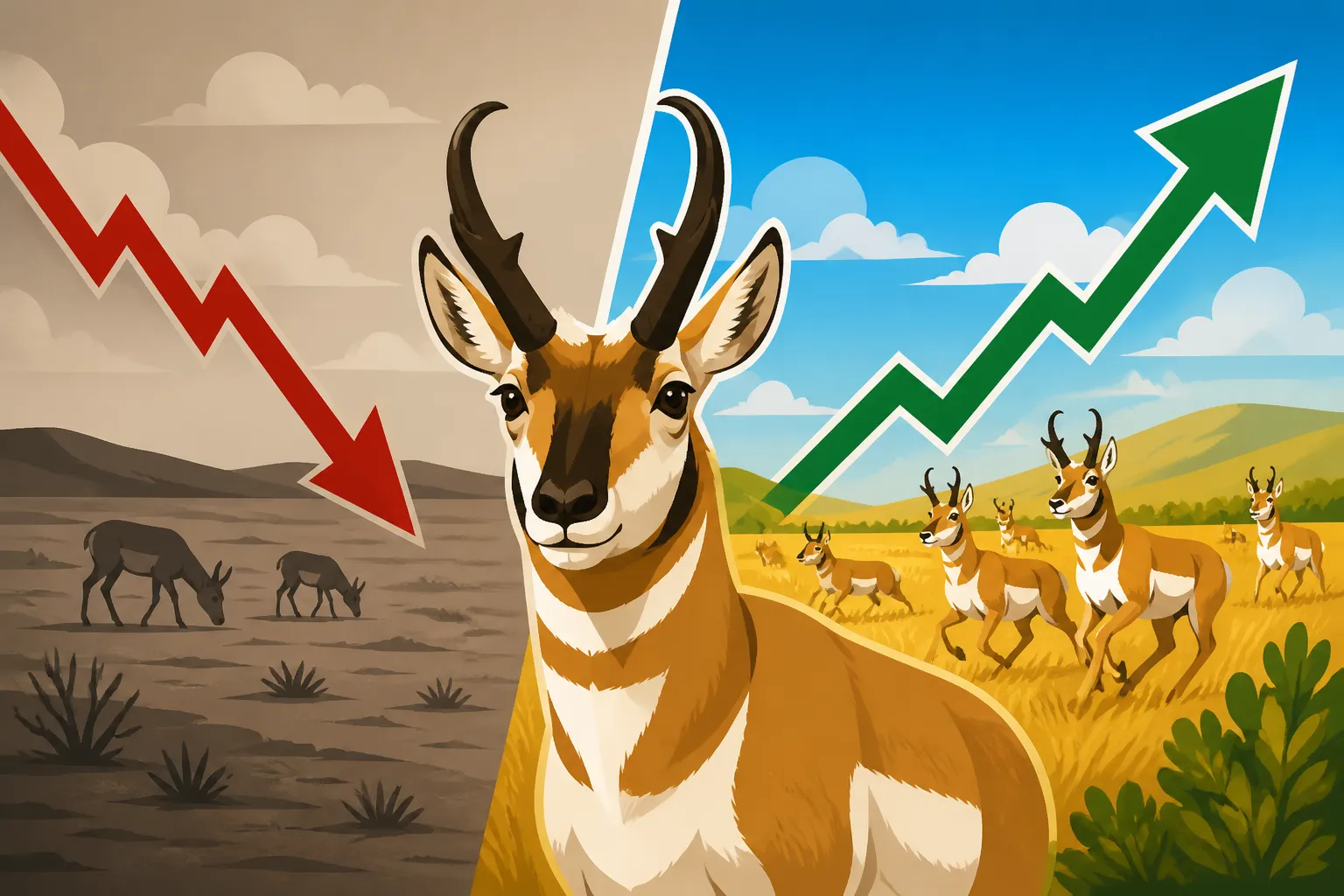
This table highlights the dramatic crash and the long, arduous road to recovery, demonstrating the direct link between challenges and the subsequent human efforts to counteract them. It's a clear picture of how careful management, combined with natural resilience, brought these animals back from the brink, securing the North Dakota Pronghorn Herd Size we see today.
Disclaimer
This article is for general informational purposes only and does not constitute professional advice. Laws, prices and regulations vary by location and change over time. Consult a qualified professional for guidance on your specific situation.