North Dakota Moose Winter Tick Impact
The majestic moose, a true symbol of North Dakota's wild northern reaches, faces a silent, insidious threat each winter: the winter tick. It's heartbreaking to see these magnificent animals suffering, and for those lucky hunters who might draw a North Dakota's Once-in-a-Lifetime Moose Herd tag, understanding these parasites is crucial for appreciating the challenges our moose face. This guide will delve into what winter ticks are, how they impact our North Dakota moose, and what we know about managing this persistent problem.
Understanding the Winter Tick Threat
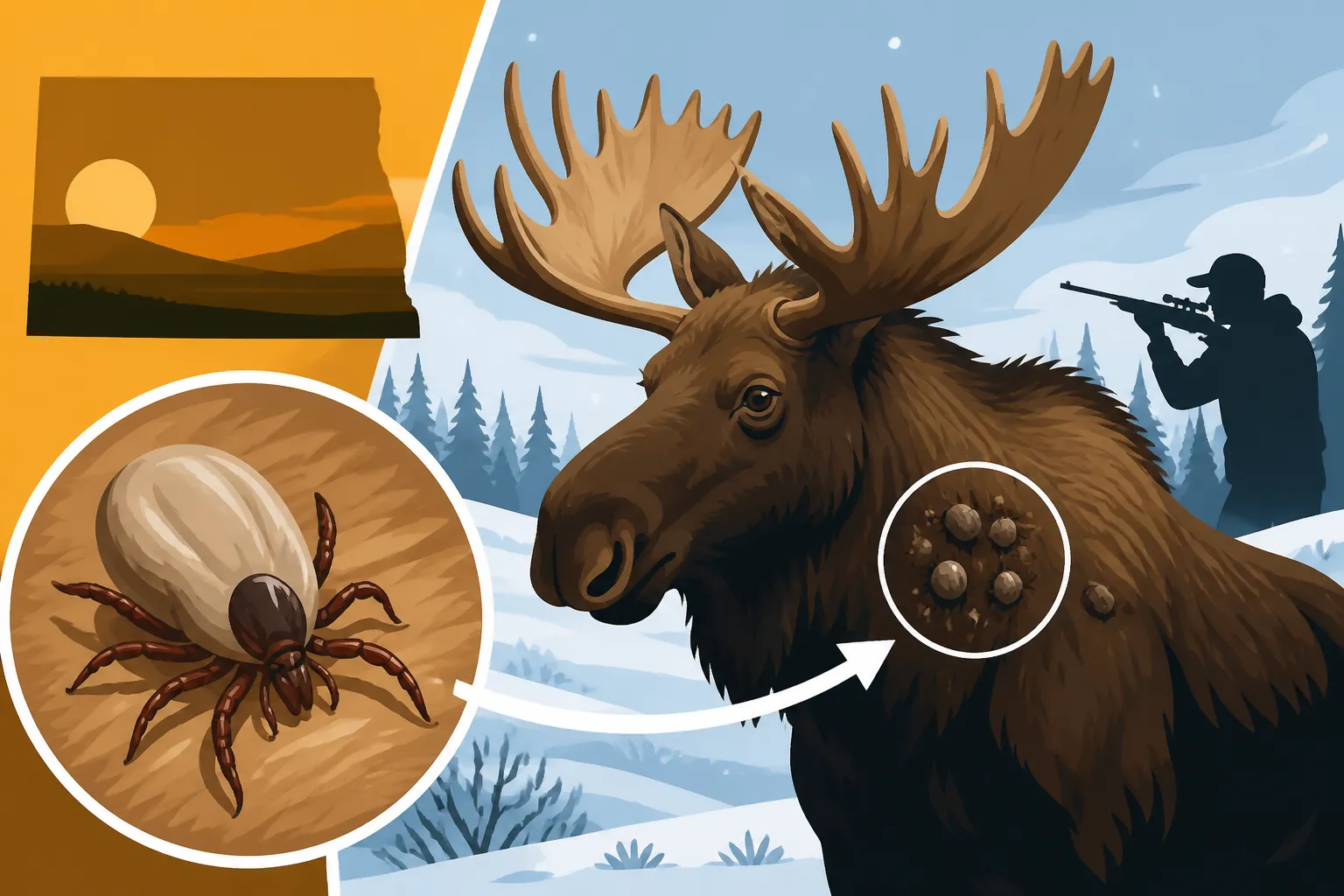
The sheer mention of ticks can make any outdoor enthusiast shudder, but the winter tick (Dermacentor albipictus) is a particularly nasty one, especially for our moose. Unlike the dog ticks or deer ticks we encounter in spring and summer, winter ticks spend their entire life cycle on one host animal, latching on in the fall and feeding through winter. This extended feeding period, combined with potentially massive infestations, can turn a minor nuisance into a life-threatening ordeal for moose.
The Life Cycle of Dermacentor albipictus
Imagine a tiny, persistent vampire that finds a host in the fall and decides to make itself comfortable for months. That's essentially the winter tick. These ticks hatch from eggs laid in the spring, and the larvae wait on vegetation, often just a few inches off the ground, during the summer. As fall arrives and animals like deer, elk, and especially moose, brush past, the larvae cling on. What makes moose so vulnerable is their sheer size and inability to groom effectively across their entire body, coupled with their propensity to travel through dense brush where ticks lie in wait.
Once they're on a host, these tiny larvae settle in for the long haul. They'll feed, molt into nymphs, and then finally into adult ticks, all on the same animal. This continuous feeding from autumn through early spring drains the host's blood, causing severe stress. It's not just a few ticks either; a heavily infested moose can carry tens of thousands of these parasites. Hunters using platforms like GoHunt might appreciate the data collection efforts involved in monitoring such widespread issues. The sheer volume of ticks can be overwhelming, leading to significant blood loss and nutritional deficiencies right when the animal needs all its energy to survive the harsh North Dakota winter.
How They Affect Moose Health and Behavior
The impact of thousands of ticks feeding for months on end is devastating for a moose. The constant irritation causes intense itching, leading the moose to rub and scratch themselves against trees, rocks, and anything else they can find. This rubbing often results in significant hair loss, sometimes leaving large patches of bare skin. You might hear these moose referred to as "ghost moose" because of their pale, patchy appearance. This hair loss isn't just cosmetic; it robs the moose of vital insulation, making them more susceptible to hypothermia during North Dakota's brutally cold winters.
Beyond the visible hair loss, the continuous blood meal taken by the ticks leads to anemia, weakening the animal and making it lethargic. A tick-ridden moose is often underweight, its body struggling to compensate for the blood loss and the energy expended on constant scratching. This weakened state makes them more vulnerable to other diseases, predators, and even simply the stresses of severe winter weather. It also means they're less likely to reproduce successfully, impacting overall population health. The effect is a cascading decline in overall health and vitality, making their chances of surviving the winter much slimmer.
The Impact on North Dakota Moose
North Dakota's moose population, while small and highly prized by hunters, is not immune to the challenges posed by winter ticks. Our state's North Dakota Moose Hunt Success Rates are a testament to the dedication of both hunters and wildlife managers, but the underlying health of the herd is a constant concern. The unique conditions here can exacerbate the tick problem, making vigilant monitoring and understanding even more critical.
Observable Health Decline and Population Management Challenges
When winter ticks hit a moose herd hard, the signs are often stark and heartbreaking. Moose observed in units like those along the Pembina Hills or the river bottoms where moose concentrate might show obvious signs of severe hair loss. Patches of dull, matted hair or entirely bare skin, often around the shoulders, neck, and flank, are clear indicators. They might appear gaunt, move slowly, and generally exhibit behavior consistent with an animal under immense stress.
For wildlife managers, these visible signs translate into real population concerns. Increased mortality rates, especially among calves and yearlings, are directly linked to heavy tick infestations. These younger animals, still growing and with smaller body masses, are particularly vulnerable to blood loss and exposure. Even adult moose, though more resilient, can succumb if the infestation is severe enough or if other winter stressors are high. This impacts permit allocations and overall herd goals, making it a significant factor in How Many Moose Live in North Dakota and how they are managed. It's a delicate balance trying to maintain a healthy, viable population when such a pervasive natural threat exists.
The Role of Climate and Habitat in Tick Infestations
North Dakota's climate plays a crucial, though sometimes subtle, role in the prevalence and severity of winter tick infestations. Milder winters, particularly those with less persistent snow cover in the fall, can lead to higher tick survival rates. If there's less snow to create a barrier, more tick larvae can successfully quest for a host. Conversely, a very early, deep freeze can kill off many larvae before they can attach. It's a tricky balance, and climate fluctuations can swing the pendulum dramatically from year to year.
Habitat also plays a significant part. Moose in North Dakota often frequent areas with dense willow thickets and brushy river bottoms, providing ideal environments for ticks to "quest" or wait for a host. These same habitats can also make it harder for moose to groom effectively. The concentration of moose in certain areas can also facilitate tick transmission. Understanding these habitat preferences and how they interact with weather patterns is key to predicting potential tick issues. Resources like the North Dakota Wildlife Management Areas maps can help hunters visualize these areas.
Addressing the Winter Tick Challenge
While the winter tick challenge is significant, wildlife agencies, researchers, and even hunters are working to understand and mitigate its effects. It's a complex issue with no easy answers, but continuous effort is vital for the health of our moose.
Research and Monitoring Efforts
The North Dakota Game and Fish Department, along with collaborating researchers, continuously monitors the health of the moose population, including assessing the impact of winter ticks. This involves various methods, from aerial surveys to ground observations and even post-mortem examinations of deceased moose to determine causes of mortality. Data collected helps to track tick prevalence and severity across different regions and years. This type of detailed data collection is crucial for making informed management decisions regarding population health, habitat improvements, and even future hunting season structures. Understanding North Dakota moose population trends is directly tied to this ongoing research.
Researchers are exploring various avenues, including understanding the factors that influence tick survival and attachment rates, as well as the specific physiological impacts on moose. This scientific understanding is critical for developing any potential mitigation strategies down the line. It's a long game, requiring patience and consistent effort from dedicated biologists and conservationists.
What Hunters Can Do to Help
Hunters, as keen observers of wildlife, can play an invaluable role in monitoring the health of North Dakota's moose herd. If you are fortunate enough to draw a moose tag, or simply observe moose while Small Game and Predator Hunting in North Dakota or Bowhunting North Dakota's Long Archery Season in moose country, pay close attention to any signs of tick infestation. Look for:
- Hair Loss: Especially patchy, dull, or bare spots on the body.
- Behavior: Lethargy, excessive rubbing, or a generally unhealthy appearance.
- Body Condition: An unusually thin or gaunt moose.
Reporting these observations to the North Dakota Game and Fish Department is incredibly helpful. Provide as much detail as possible, including location, date, and any photos you might have. This citizen science contribution helps paint a broader picture of the problem and allows managers to identify hot spots or emerging issues. Companies like GoHunt often encourage hunters to contribute data and observations to state agencies, reinforcing the community aspect of wildlife management.
Here's a quick reference for observing moose health:
| Condition | Description | Potential Winter Tick Link | Action for Hunters |
|---|---|---|---|
| Healthy | Full, glossy coat; alert and active; good body condition. | Low to no visible tick impact. | Enjoy the sighting! |
| Mild | Minor hair loss, usually matted patches; generally good health. | Early or low-level infestation. Moose might be scratching. | Note location, consider reporting if persistent. |
| Moderate | Significant hair loss, "ghost moose" appearance; somewhat lethargic. | Moderate to heavy tick burden, causing irritation and stress. | Report to ND Game and Fish with details and location. |
| Severe | Extensive hair loss, bare patches; very lethargic, emaciated. | Extremely heavy tick burden, severe anemia, high mortality risk. | Immediately report to ND Game and Fish with exact location and detailed description. |
It's a collective responsibility to look out for these incredible animals, ensuring that North Dakota's moose continue to thrive for generations of hunters and wildlife enthusiasts.
Disclaimer
This article is for general informational purposes only and does not constitute professional advice. Laws, prices and regulations vary by location and change over time. Consult a qualified professional for guidance on your specific situation.