When the North Dakota Rut Peaks
It’s a tale as old as time, or at least as old as deer hunting itself: you’ve got your North Dakota deer tag, your gear is ready, but the burning question remains – when, exactly, is the magic going to happen? Timing the rut can feel like chasing a ghost, a fleeting window of intense deer activity that can make or break a season. This guide is here to unravel the mystery of when the North Dakota rut typically peaks, diving deep into the behaviors of both whitetail and mule deer, and offering practical insights to help you be in the right place at the right time.
Understanding the Whitetail Rut in North Dakota
When we talk about the rut, most hunters' minds immediately go to whitetail deer. The whitetail rut in North Dakota is a spectacular, albeit sometimes frustrating, event that transforms deer behavior. It's not a single day, but rather a progression of phases, each with its own unique hunting opportunities.
The Pre-Rut Build-Up
Before the full-blown chaos of the peak rut, there's a crucial build-up phase, often referred to as the "pre-rut." In North Dakota, this typically kicks off in late October and runs into the first week or so of November. During this time, the bucks are getting antsy. Their necks swell, they become increasingly aggressive, and they start leaving more visible sign. Scrapes and rubs appear everywhere, signaling their presence and their readiness to breed. You'll see bucks sparring, pushing each other around, and generally asserting dominance. Does are still in their regular patterns, largely unbothered by the bucks' antics, but their hormones are starting to shift.
This is a fantastic time to be in the woods because bucks are still somewhat predictable as they follow traditional travel corridors, but they're also actively seeking out does. They're covering a lot of ground, checking those scrapes and rubs, and responding more readily to calls. Hunters who focus on traditional funnels, pinch points, and active scrape lines often find success during the pre-rut. The colder weather arriving in late October also invigorates deer, making them more active throughout the day. It’s a period of anticipation, where the energy in the deer woods is palpable. If you’re trying to understand the overall deer patterns, reading a North Dakota harvest report can give you historical insights into success rates during different phases.
The Peak Rut Explosion
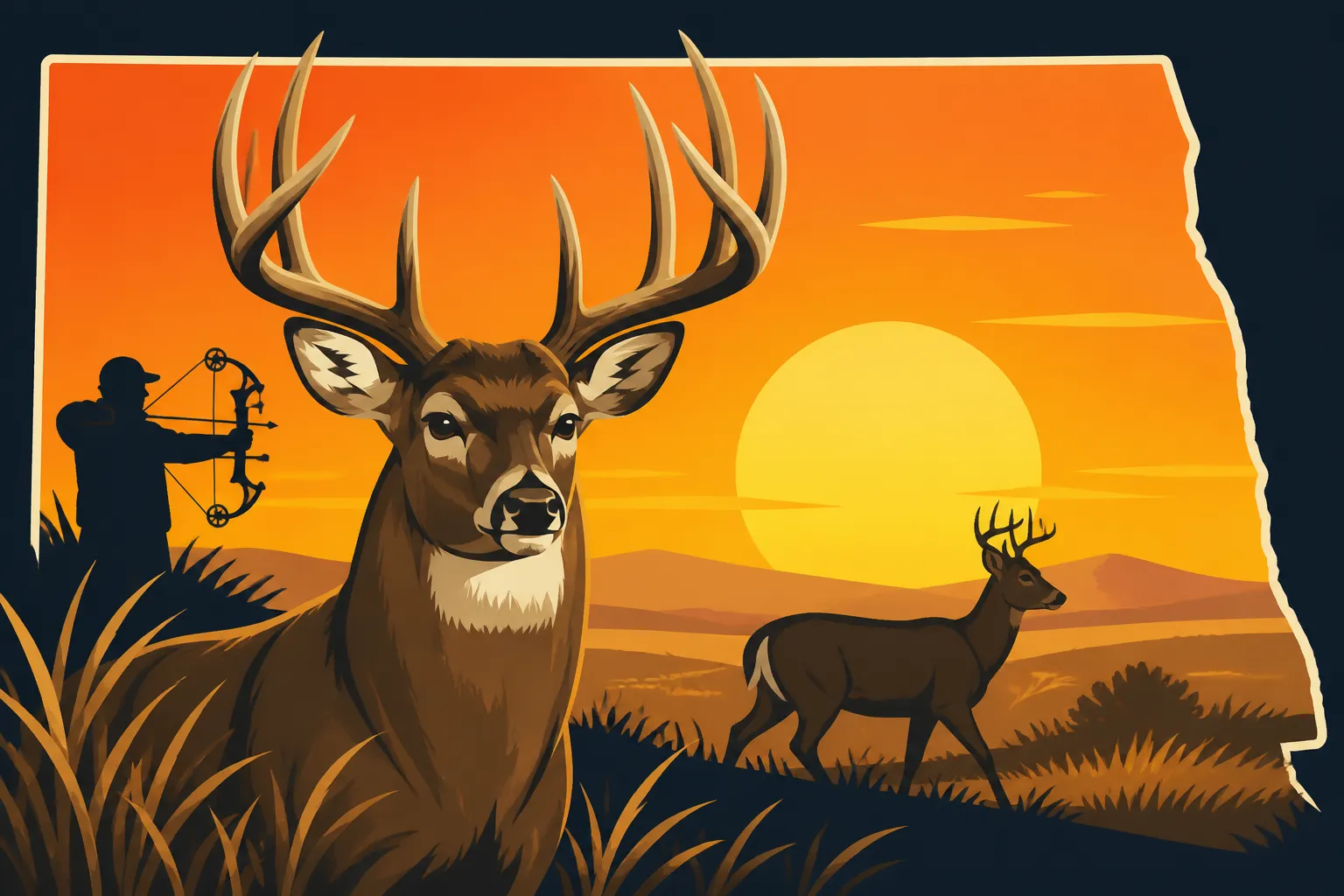
Ah, the peak rut. This is what every deer hunter dreams of, and for good reason. In North Dakota, the whitetail rut generally peaks in the second and third weeks of November. Think mid-November, right around the time the gun season often opens or is in full swing. This is when the majority of does come into estrus, and bucks lose nearly all sense of self-preservation in their pursuit. It's a mad scramble of chasing, breeding, and relentless searching. You might see bucks running does across open fields in broad daylight, or a string of bucks following a single estrous doe.
During this intense period, traditional food sources and bedding areas might still be important, but bucks are primarily focused on finding receptive does. This means they could show up almost anywhere. Hunting near known doe bedding areas or along primary travel corridors that does frequent becomes paramount. Bucks are moving constantly, covering vast distances, and are often less cautious than at any other time of the year. The sheer volume of deer activity can be astounding, making every sit an exciting prospect. For hunters lucky enough to have a tag during this window, understanding the intense focus on does is key to success. This is also when you see peak activity in areas like the Missouri River bottomland, where dense cover provides security for chasing deer.
The Post-Rut Cool Down
Following the peak intensity, the rut doesn't just abruptly end; it gradually tapers off into the post-rut phase, usually starting in late November and extending into early December. Many of the primary does have been bred, and while some late-estrus does might still come into heat, the frantic chasing slows down significantly. Bucks are exhausted, having expended massive amounts of energy during the peak. They've lost weight, they're often bruised, and their primary focus shifts back to survival: finding abundant food sources to replenish their reserves.
Hunting during the post-rut requires a shift in strategy. Bucks become much more predictable again, concentrating around the best available food. Think standing corn fields, bean fields, or any green browse still accessible. They're less likely to respond to calling and decoying, and more focused on quietly feeding and resting. This can still be a productive time, especially if you can locate prime feeding areas away from heavy pressure. It's a more patient hunt, often requiring long sits over food, but can yield sightings of impressive bucks looking to recover their strength. While the post-rut lacks the frantic pace of the peak, the sheer need for sustenance makes deer vulnerable to hunters who understand their renewed priorities.
Pinpointing the Mule Deer Rut in North Dakota's Badlands
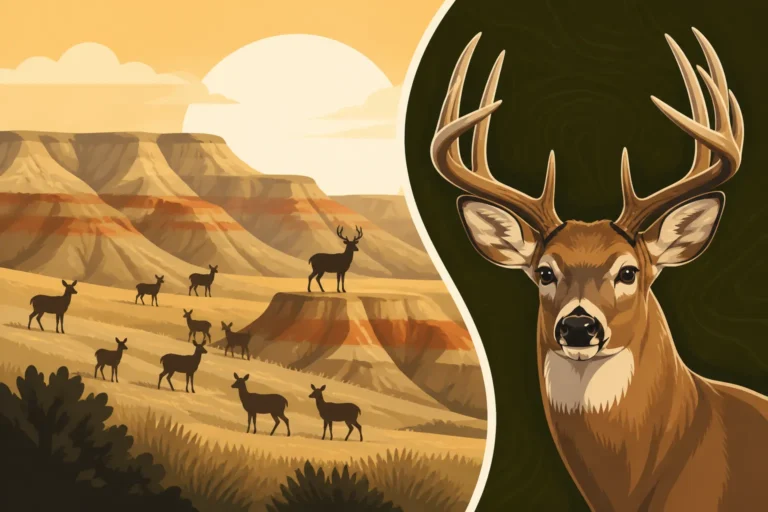
Mule deer, those iconic denizens of North Dakota's rugged Badlands, operate on a slightly different biological clock than their whitetail cousins. While there's certainly overlap, understanding the nuances of the mule deer rut is crucial for anyone targeting these big-eared beauties.
Later Start, Intense Peak
Generally, the mule deer rut in North Dakota tends to kick off a little later and often extends further into the fall than the whitetail rut. While whitetails might be in their peak chasing phase by mid-November, mule deer often enter their more intense "seeking" and "chasing" behaviors from mid-November through the first week or two of December. This means that hunters focused on mule deer might find the action really heating up after the initial whitetail frenzy has begun to subside. It’s an intense, concentrated period of activity. If you're hunting North Dakota's Badlands mule deer country, knowing this distinct timing can give you a significant advantage.
During this peak, mule deer bucks become incredibly visible. They'll be seen tirelessly searching for does, often covering vast expanses of open, broken country. Because their habitat is generally more open than typical whitetail woods, these movements are often quite visible, making glassing an absolutely essential tactic. You'll observe bucks trailing does, performing their distinctive "lip curl" (flehmen response) to test for estrus, and engaging in aggressive dominance displays with rival bucks. The pursuit can be relentless, and their focus on does often overshadows their usual wariness, presenting unique opportunities.
Badlands Influence and Hunting Tactics
The very landscape of the Badlands plays a significant role in how the mule deer rut unfolds. The steep coulees, draws, and open sagebrush flats dictate movement patterns. During the rut, bucks will often utilize the rims and draws to travel, giving them vantage points to spot does, while also providing enough cover to move somewhat undetected. They'll stage in strategic locations, often higher up, glassing for any sign of a receptive doe. Spot-and-stalk hunting becomes incredibly effective during this period. Hunters spend hours perched on high points, using optics to scan distant ridges and coulee bottoms for moving deer.
Once a buck is spotted, especially one locked onto a doe, the careful art of the stalk begins. The broken terrain can be your friend, offering concealment for approaches, but it also demands physical fitness and careful wind management. You can often see these deer moving between pockets of cover. Knowing where Badlands bucks bed can also help you predict their travel between resting and feeding areas during the rut. The brand GoHunt, for example, offers incredible mapping tools and unit breakdowns that can help you scout these areas virtually, pinpointing potential travel routes and bedding locations even before you set foot in the field. This can be invaluable for understanding the specific contours and cover that mule deer will use to their advantage (or disadvantage) during the rut.
Factors Influencing Rut Activity and How to Adapt
While genetics and photoperiod (the amount of daylight) are the primary drivers of the rut, several environmental factors can influence when and how intensely you observe deer activity. Being able to read these signs and adapt your hunting strategy is what separates a good hunter from a great one.
The Impact of Weather
Weather is a huge influencer on visible rut activity. A sudden drop in temperature, especially after a warm spell, can kick deer activity into overdrive. Cold fronts energize deer, making them more active and willing to move throughout the day, which is exactly what you want during the rut. Snowfall, even light snow, can also be a game-changer. Fresh snow not only makes deer tracks and sign incredibly visible, but it often prompts deer to move to feed before and after a storm, increasing their daytime visibility. A dusting of snow can make tracking easier and helps you visualize deer movement patterns.
Conversely, unseasonably warm temperatures can cause deer to become more nocturnal, reducing visible daytime activity. Bucks might still be breeding, but they'll do it under the cover of darkness or in the densest, shadiest cover during the heat of the day. If you find yourself in warm rut conditions, focus your efforts on the very early mornings and late evenings, and consider hunting thicker cover or shaded areas near water sources during midday. Understanding how to hunt into a December cold snap can be critical for late-season success, especially if the rut extends or secondary rut activity occurs.
Moon Phase and its Perceived Influence
The moon phase is a topic of perennial debate among deer hunters. While scientific evidence often points to photoperiod as the primary driver, many experienced hunters swear by the moon's influence on daily deer movement during the rut. Some believe a full moon causes more nocturnal activity, while others feel certain moon phases align with increased daylight movement.
While there's no universally accepted "best" moon phase for the rut, it doesn't hurt to pay attention to it. If you believe the moon influences movement, you might adjust your hunting times. For example, some hunters will focus on midday hunts during a full moon, theorizing that deer bed heavily in the morning after feeding all night, then get up to move and breed as the moon sets or goes overhead. Regardless of your personal belief, remember that the underlying biological drive of the rut will still push deer to breed, moon or no moon. The primary takeaway is that deer will move, and being out there during peak times gives you the best chance.
Hunting Pressure
North Dakota's deer season sees its fair share of hunting pressure, especially during the firearm season which often coincides with the peak whitetail rut. Heavy pressure can certainly make deer, particularly mature bucks, more wary and push them into thicker cover or onto private lands where they feel safer. Even during the rut, an old buck might be nocturnal if he's constantly being bumped.
To combat this, look for areas that receive less pressure. This might mean walking further into public lands like the Little Missouri National Grassland or a WMA, or finding smaller, overlooked tracts of PLOTS land. Hunting during weekdays when pressure is typically lower than weekends can also be effective. Knowing how to use a ground blind on PLOTS land can also give you an advantage, allowing you to set up in areas with good cover and minimize your footprint. Always be aware of other hunters, respect boundaries, and use hunting pressure to your advantage by anticipating where deer will go to escape it.
Best Times to Hunt During the Rut for Both Species
Knowing when the rut peaks is one thing, but knowing when to be in your stand or blinds during that peak is another. Both whitetails and mule deer exhibit predictable patterns during the rut that can be exploited, though tactics vary slightly.
Whitetail Rut: All-Day Action
During the peak whitetail rut in North Dakota, the old adage "you can't kill a big buck from the couch" is more true than ever. Bucks are on their feet, actively searching for does, sometimes all day long.
- Morning Glory (First Light to Mid-Morning): This is often prime time. Bucks will be active after a night of cruising, potentially trailing does or checking scrapes. Setting up before first light in a known travel corridor or near doe bedding areas is crucial. As the sun rises, bucks will still be moving, often transitioning from feeding areas back to thicker cover, but frequently getting sidetracked by a hot doe.
- Midday Movement (Late Morning to Mid-Afternoon): Many hunters pack up around 9 or 10 AM, but this can be a mistake during the peak rut. Bucks will often "cruising" during midday, especially if the weather is cool and cloudy. They're still searching for does that might be coming into estrus later in the day. Hunting a shelterbelt edge for deer can be very effective as they move from one cover patch to another. Staying in your stand or blind, especially if you're in a high-traffic area, can pay off with an unexpected encounter.
- Evening Hustle (Late Afternoon to Last Light): As evening approaches, deer activity picks up again. Does will move towards food sources, and bucks will be right on their tails. This is another excellent time to be perched in a stand overlooking a field edge, a food plot, or a trail leading to a known feeding area. Deer are often silhouetted against the last light of day, offering clear shot opportunities.
Mule Deer Rut: Glassing and Stalking Opportunities
Mule deer, with their preference for more open, broken country, demand different tactics during their peak rut.
- Dawn Patrol (First Light): Similar to whitetails, mule deer bucks will be active at first light, moving across coulee bottoms or along ridge lines, searching for does. This is the prime time to be on a high vantage point, glassing expansive areas with high-powered binoculars or a spotting scope. The low angle of the morning sun often highlights deer moving against the background.
- Midday Movement (Late Morning to Early Afternoon): Mule deer often exhibit significant midday movement during their rut. Unlike whitetails who might seek dense cover, mule deer bucks will continue to cruise or bed down in visible spots, keeping an eye on their surroundings. This makes midday a fantastic time for continued glassing. If you spot a buck bedded down with does, a carefully planned stalk during these hours can lead to success. Learning to read aerial photos for Badlands deer can help pinpoint these open bedding locations.
- Evening Glass-Off (Late Afternoon to Last Light): As the day winds down, mule deer activity picks up again. Does will start to feed, and bucks will be right there with them or patrolling the edges of feeding areas. Again, position yourself on a high point and systematically glass. Look for movement along the tops of ridges, in the bottoms of draws, and around any available forage. The golden hour before sunset can be incredibly productive for locating a cruising buck.
Summary of Rut Timing
Here's a quick overview of the typical rut timing for North Dakota's deer species:
| Deer Species | Pre-Rut (Seeking) | Peak Rut (Chasing/Breeding) | Post-Rut (Recovery/Late Breeding) | Optimal Hunting Strategy |
|---|---|---|---|---|
| Whitetail Deer | Late Oct – Early Nov | Mid Nov – Late Nov | Late Nov – Early Dec | Stands/Blinds near funnels, scrapes, doe areas |
| Mule Deer | Early Nov – Mid Nov | Mid Nov – Early Dec | Early Dec – Mid Dec | Spot-and-stalk, glassing high vantage points |
Remember, these are general guidelines. Individual deer, local conditions, and yearly variations can shift these timings slightly. The best way to stay on top of it is to scout, pay attention to local reports, and observe the deer themselves. Keep an eye out for signs like freshly pawed scrapes, rubbed trees, and active chasing behavior. Understanding When the North Dakota Rut Peaks is a huge step toward maximizing your hunting success in the Peace Garden State!
Disclaimer
This article is for general informational purposes only and does not constitute professional advice. Laws, prices and regulations vary by location and change over time. Consult a qualified professional for guidance on your specific situation.