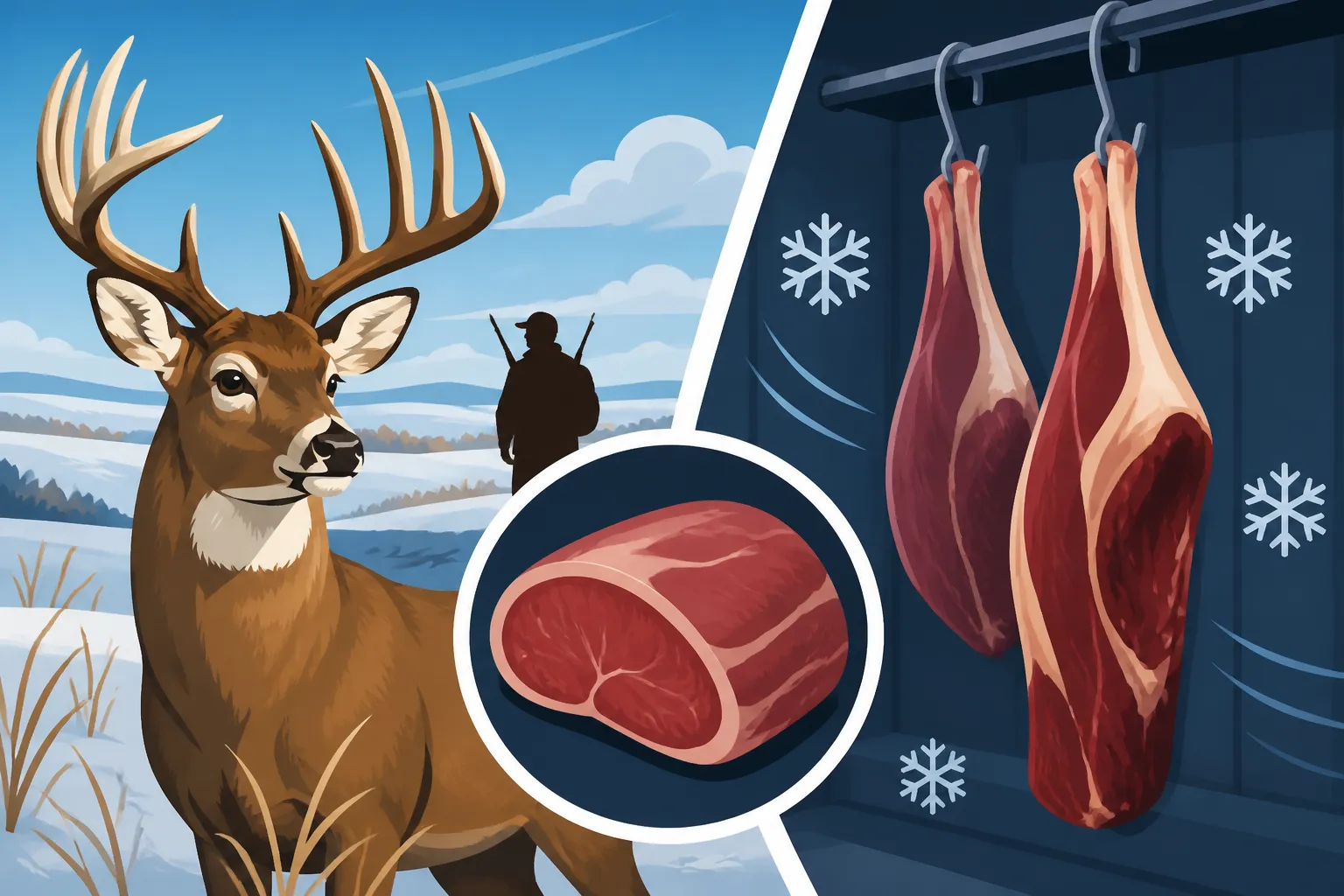
Aging Venison in Cold Weather
You've just put in the hard work, made the shot, and recovered your deer. Now, a new set of questions pops up, especially if the air is crisp: What do I do with this venison now? Should I just gut it and process it, or should I hang it? And if I hang it, how do I do that when it's cold but not freezing solid? It’s a common dilemma, and getting it right can make all the difference in the quality of your meat. This guide will walk you through the ins and outs of aging venison specifically when hunting in North Dakota's cold weather, ensuring your hard-earned harvest is as tender and flavorful as possible.
Why Bother Aging Venison? The Benefits Beyond Tenderness
Many hunters, myself included, have wondered if aging venison is really worth the extra effort. After all, you've already spent hours, maybe even days, in the field. The thought of adding more time before you can get that delicious meat into the freezer can feel like a chore. But trust me, aging venison isn't just a fancy trick; it's a game-changer for flavor and texture, particularly with wild game like North Dakota whitetails or even a Badlands mule deer.
The primary reason to age venison is for tenderness. When an animal is harvested, its muscles stiffen, a process known as rigor mortis. If you process the meat immediately during this phase, you're likely to end up with tough cuts, no matter how perfectly you cook them. Aging allows the natural enzymes within the muscle fibers to break down those tough connective tissues. Think of it as nature's own tenderizer. This enzymatic process continues slowly over time, gradually relaxing the muscle fibers and making the meat far more palatable.
Beyond tenderness, aging also develops a richer, more complex flavor profile. As the meat hangs, it loses a small amount of moisture. This controlled dehydration concentrates the natural flavors, leading to a more intense, less "gamey" taste that many hunters appreciate. It can transform a good cut of venison into an exceptional one, providing a depth of flavor that's hard to achieve otherwise. Many seasoned hunters, especially those who rely on tools like the GoHunt app for scouting and planning their hunts, also tout the benefits of aging for a superior culinary experience. It's truly the difference between merely eating venison and savoring it.
The Critical Factors for Cold Weather Aging in North Dakota
Aging venison successfully, especially in North Dakota's often unpredictable cold climate, boils down to controlling a few critical environmental factors: temperature, humidity, and cleanliness. Get these right, and you're well on your way to perfectly aged meat. Ignore them, and you risk spoilage, which is the last thing any hunter wants after a successful hunt.
Maintaining the Ideal Temperature Range
This is arguably the most crucial factor. You want to keep the venison in a consistent temperature range, typically between 34 and 40 degrees Fahrenheit (around 1 to 4 degrees Celsius). This range is cold enough to inhibit bacterial growth but warm enough to allow the natural enzymes to do their work. If the temperature drops below freezing, the enzymatic process stops, effectively pausing the aging. If it gets too warm, even for a few hours, bacteria can proliferate rapidly, spoiling the meat.
In North Dakota, this can be tricky. Early fall hunts might still see daytime temperatures too high for safe aging, while late-season hunts can dip well below freezing. A non-heated garage or shed often works well, as long as you're monitoring the temperature constantly. I've known guys who use small electric heaters with thermostats in their shed to keep the temperature just above freezing during extreme cold snaps. Others use large coolers with ice for smaller cuts or in warmer weather, but for a whole deer, a controlled environment is key. For a comprehensive guide on what to do immediately after the harvest, consider reading Field Dressing a Deer in Cold Weather.
Managing Humidity and Airflow
While temperature stops spoilage, humidity and airflow prevent the meat from drying out too quickly on the outside, creating a hard, inedible crust, or becoming too moist and promoting bacterial slime. Ideally, you want a humidity level around 80-85%. Good airflow is equally important to prevent mold and ensure even drying.
If your aging environment is too dry, the outer layer of the meat can form a thick, leathery "bark" that you'll have to trim away, losing valuable meat. If it's too humid and stagnant, moisture can build up, creating a sticky surface that's a breeding ground for bacteria and mold. Many hunters simply hang their deer in a well-ventilated space, ensuring air can circulate around the entire carcass. A small fan can help, especially if the air feels stagnant. Some even use a simple humidifier or bowls of water to add moisture if their space is too dry. It’s a delicate balance, but one that leads to far better results.
Paramount Importance of Cleanliness
From the moment the deer hits the ground, cleanliness is paramount. Any contamination from dirt, gut contents, or even your hands can introduce bacteria that will quickly spoil the meat, regardless of how perfect your temperature and humidity are. This starts with a meticulous field dressing job. Once back at camp, ensure your aging area is clean and free of pests. Flies, rodents, and other scavengers are not just gross; they carry bacteria that will ruin your venison.
I've seen hunters hang their deer wrapped in cheesecloth or specialized game bags, which offer excellent protection from insects while allowing air circulation. Others have dedicated walk-in coolers or meat sheds that are regularly sanitized. Before aging, ensure the carcass is free of any hair, dirt, or blood clots. A quick wipe down with a clean, dry cloth (never water, as it can promote bacterial growth) can help. Remember, a clean start is a successful start. For more on the next steps, check out Butchering a Deer at Camp.
Here’s a quick overview of the key factors to consider for optimal aging:
| Factor | Ideal Condition | Risks of Deviation |
|---|---|---|
| Temperature | 34-40°F (1-4°C) | Below 34°F: Aging stops; Above 40°F: Spoilage rapidly |
| Humidity | 80-85% | Too Low: Hard, dry crust; Too High: Bacterial slime |
| Airflow | Constant, gentle circulation | Stagnant: Mold/bacteria growth; Too Strong: Excessive drying |
| Cleanliness | Pristine environment, protected from pests | Contamination: Rapid spoilage |
| Protection | Game bags, cheesecloth | Insects, dust, direct sunlight |
How Long is Long Enough? Determining Your Aging Time
This is the question every hunter asks, and unfortunately, there's no single "correct" answer. The ideal aging time depends on several variables, including the animal's age, fat content, how it was harvested, and your personal preference for flavor and tenderness. However, we can certainly establish some guidelines for North Dakota conditions.
General Guidelines for Aging Duration
For most white-tailed deer and mule deer, a common aging period in good conditions ranges from 3 to 7 days. This timeframe allows sufficient enzymatic breakdown to tenderize the meat and develop flavor without risking spoilage. Some hunters, particularly with younger, well-shot deer and consistently ideal conditions, might extend this to 10-14 days for maximum tenderness and flavor. However, extending beyond two weeks in a home setup can become risky without precise climate control, as even a minor fluctuation can lead to problems.
Factors that influence this duration include:
- Deer Age: Younger deer generally require less aging than older, more mature animals, which tend to have tougher muscle fibers.
- Fat Content: Deer with more fat, especially external fat, can sometimes be aged longer, as the fat provides a protective layer and prevents excessive drying. North Dakota deer, particularly those coming off a good feed year, might have a decent fat layer.
- Shot Placement: A clean kill with minimal trauma to the muscle tissue will age better than an animal that was stressed or ran a long distance, as stress hormones can impact meat quality and shelf life.
- Desired Outcome: Some hunters prefer a milder flavor and less intense aging, while others seek maximum tenderness and a pronounced "aged" taste.
It's a judgment call that gets easier with experience. If you're new to aging, start with a shorter period (3-5 days) and assess the results before attempting longer durations. Always remember, if there's any doubt about spoilage, it's safer to discard the meat. A successful recovery from a challenging spot, perhaps after carefully navigating terrain, as discussed in Recovering a Deer From a Coulee, only feels truly successful if the meat is good!
Recognizing Spoilage Versus Acceptable Aging
Knowing the difference between properly aged meat and spoiled meat is crucial. Here's what to look for:
- Smell: Properly aged venison will have a slightly tangy or "beefy" smell, not unlike dry-aged beef. It should never smell foul, sulfuric, or strongly putrid. If it does, discard it immediately.
- Color: The surface of aged venison might darken or dry slightly, forming a crust. This is normal. The underlying meat, when cut, should reveal a vibrant red color. Any green, gray, or fuzzy spots indicate mold and spoilage.
- Texture: The outer layer might feel dry to the touch, but it shouldn't be slimy or sticky. Slime is a clear indicator of bacterial growth.
When you're ready to cut and package your meat, you'll trim away the dried outer layer (the "bark") before processing. This ensures only the best, tenderized meat makes it into your freezer. For more detailed guides on butchering your deer after aging, GoHunt often has excellent articles that complement your field skills. Understanding how North Dakota manages its deer herd, as covered in How Game and Fish Counts the Deer Herd, can also give you insights into the general health and size of animals you might encounter, which can impact aging considerations.
Practical Aging Setups for the North Dakota Hunter
Once you've decided to age your venison, the next hurdle is finding a suitable place. Most hunters don't have a commercial walk-in cooler, but with a little creativity and careful monitoring, you can create an effective aging environment right at home in North Dakota.
The Garage or Unheated Outbuilding Setup
For many North Dakota hunters, a non-heated garage, shed, or dedicated outbuilding is the go-to spot for aging venison, especially during the archery and early firearm seasons when temperatures are often cooperative. The key here is consistent temperature. You're looking for that sweet spot between 34 and 40 degrees Fahrenheit.
- Preparation: First, ensure the space is clean. Sweep, remove clutter, and try to keep it as sterile as possible. Lay down a tarp or plastic sheeting beneath where you plan to hang the deer to catch any drips and make cleanup easier.
- Hanging: Use a sturdy gambrel and hoist system to hang the deer by its hind legs. This allows air to circulate evenly around the carcass. Make sure the head and shoulders are well off the ground.
- Protection: Wrap the entire carcass in breathable game bags or multiple layers of cheesecloth. This protects against insects, dust, and any airborne contaminants while still allowing for crucial airflow.
- Monitoring: This is non-negotiable. Place a thermometer (or several) in different spots around the hanging deer and check them frequently, especially in the first 24-48 hours. If temperatures start to climb too high, you might need to introduce a fan for more airflow or even consider moving the carcass to a cooler with ice if it's a smaller deer. If it's too cold, you may need a small, thermostatically controlled heater to prevent freezing. Remember, North Dakota can swing wildly, so vigilance is key.
Utilizing a Walk-In Cooler or Commercial Locker
If you're fortunate enough to have access to a walk-in cooler, either your own or a local meat locker that offers this service, you're in the best position for perfect aging. These environments provide precise temperature and humidity control, taking much of the guesswork out of the process.
- Commercial Services: Many smaller butchers or meat processors in North Dakota offer aging services for a fee. This is an excellent option if you lack the space, equipment, or confidence to manage the aging process yourself. They have the expertise and the right conditions to ensure your venison is perfectly tenderized. It's often worth the cost for peace of mind and quality.
- Personal Walk-In: If you're building your own, invest in a reliable refrigeration unit and a humidistat to maintain ideal conditions. Good shelving and hanging racks will ensure proper air circulation around the meat. Cleanliness is still paramount; regular sanitization is a must.
Considerations for the Hide: On or Off?
There's a long-standing debate among hunters: should you age venison with the hide on or off? Both methods have their proponents, and the best choice often depends on your specific conditions and goals.
- Hide On:
- Pros: The hide acts as a natural protective barrier, preventing the meat from drying out too quickly, especially in very dry conditions. It also offers a layer of protection against minor temperature fluctuations.
- Cons: The hide can trap heat if not cooled quickly, potentially leading to faster bacterial growth. It also makes it harder to inspect the meat for signs of spoilage. Skinning a cold, stiff deer can also be more challenging than skinning a fresh one.
- Hide Off:
- Pros: Allows for faster cooling of the carcass, which is critical immediately after the kill. It also makes it much easier to inspect the meat for cleanliness and any signs of spoilage during the aging process. Many hunters feel it allows for more even airflow.
- Cons: The exposed meat is more susceptible to drying out and forming a hard crust, especially if humidity is low. It also requires more diligent protection from insects and dust with game bags.
My personal preference, especially in North Dakota's cold but sometimes dry air, is to skin the deer soon after field dressing and then hang it in quality game bags. This allows the meat to cool quickly and enables easier inspection. However, if you're in a very humid environment, or anticipate difficulty maintaining sufficient humidity, leaving the hide on for a few days might be beneficial.
Ultimately, aging venison in cold weather is an art informed by science and experience. It takes a little extra effort and attention, but the reward — tender, flavorful venison that honors your hunt — is truly worth it. It’s an essential part of the journey from field to table, ensuring your Deer Meat Yield From a North Dakota Buck is of the highest quality.
Disclaimer
This article is for general informational purposes only and does not constitute professional advice. Laws, prices and regulations vary by location and change over time. Consult a qualified professional for guidance on your specific situation.