North Dakota Wolf History and Extirpation
For many of us who cherish the wild spaces of North Dakota, there's a certain longing for the days when the landscape thrummed with the full symphony of nature, predators and all. While we often focus on the deer, pheasants, and waterfowl that call our state home today, it's easy to forget that once upon a time, another apex predator roamed these plains: the wolf. This guide dives into the complex and often sad history of wolves in North Dakota, exploring their historical presence, the reasons for their eventual extirpation, and the enduring impact of their absence.
The Ghost of the Prairie: Wolves in Early North Dakota
Imagine North Dakota centuries ago, before settlers carved roads and fields into the vast prairie. This was a wild, untamed land, and at the heart of its ecosystem was the gray wolf. These intelligent and adaptable predators were not just a part of the landscape; they were architects of it, shaping the behavior and health of countless other species. Their presence was a constant, powerful force that kept the natural world in a delicate, dynamic balance.
A Landscape Shaped by Predators
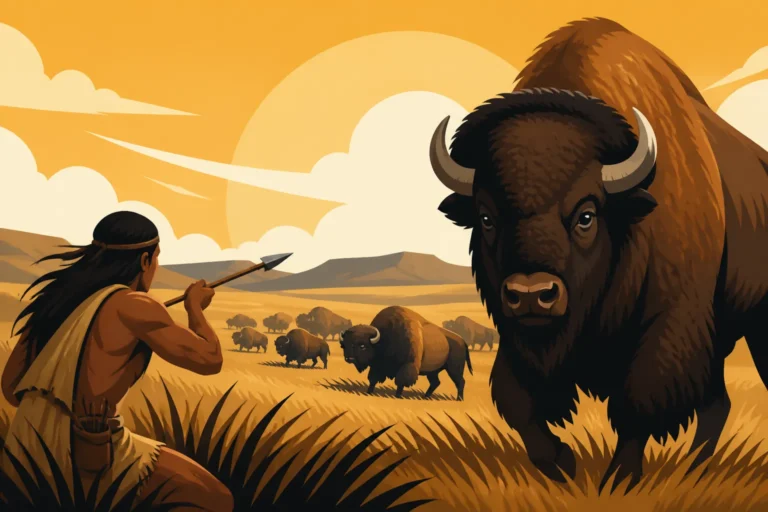
Prior to widespread European settlement, North Dakota was a prime habitat for large carnivores, particularly the gray wolf (Canis lupus). The vast grasslands, interspersed with river bottoms and coulees, provided ample cover and an endless larder of prey. Herds of bison, elk, and deer roamed freely, along with smaller game. Wolves were a critical component of this ancient ecosystem, naturally culling the weak and sick, thereby strengthening prey populations. They roamed across the entire state, from the eastern Red River Valley to the rugged Badlands. Their tracks could be found in fresh snow, and their howls echoed across the endless prairie under a blanket of stars, a sound that defined the wild spirit of the land.
This natural regulation by wolves had profound effects. It influenced where North Dakota Bison Before European Settlement grazed, how North Dakota Deer Herd Size moved, and the overall health of these large herbivore populations. Without wolves, prey animals might overgraze an area, leading to habitat degradation. Their predation kept populations within carrying capacity, preventing ecological imbalances. The very structure of the prairie and forest edges was subtly influenced by the presence and movements of these top predators.
The Unseen Hand of Balance
Wolves played a vital role in maintaining the health and vigor of their prey, often targeting animals that were old, injured, or diseased. This natural selection prevented the spread of illness within herds and ensured that only the strongest genes were passed on. Think of it as nature's ultimate quality control. The constant threat of predation kept deer and elk herds alert and on the move, preventing them from concentrating too heavily in one area and over-browsing vegetation. This dynamic interaction fostered greater biodiversity and resilience across the landscape.
Their impact extended even to other predator species. Wolves often competed with smaller carnivores like coyotes for food, influencing their populations and distribution. When the wolves were present, the entire food web functioned differently, more robustly. Understanding this historical role helps us appreciate the complexity of natural systems and the ripple effects that occur when a key player, like the wolf, is removed. It's a testament to the intricate workings of the wild prairie, a balance that was about to be irrevocably disrupted.
The Coming of Conflict: European Settlement and Eradication
The arrival of European settlers in North Dakota brought with it an entirely new dynamic. The vision of a wild, untamed land quickly clashed with the goals of agriculture and livestock production. For settlers trying to carve out a living on the unforgiving prairie, wolves were not symbols of natural balance; they were a direct threat to their hard-earned livelihoods. This shift in perspective marked the beginning of a systematic and ultimately successful campaign to eliminate the wolf from North Dakota.
Livestock and Livelihoods at Stake
As homesteaders poured into North Dakota, bringing with them cattle, sheep, and other domesticated animals, conflict with native wildlife was inevitable. Wolves, having always hunted the abundant wild game, naturally turned to the easier prey presented by livestock. A single wolf or a small pack could devastate a rancher's flock or herd, representing a significant economic blow to families already struggling against the elements. This wasn't a philosophical debate for these pioneers; it was a matter of survival.
The frustration and fear of losing precious livestock led to a widespread public outcry for predator control. Settlers saw wolves as vicious killers, a direct impediment to progress and settlement. The stories of lost calves and sheep fueled a collective desire to rid the landscape of these animals, leading to government-sanctioned programs aimed at their destruction. The idea was simple: remove the threat, protect the livelihood.
The Relentless Campaign of Bounties
The response to the perceived wolf threat was swift and brutal. Bounties were instituted, making it financially attractive for hunters and trappers to kill wolves. This wasn't just individual action; it was an organized, government-backed effort. Both the territorial government and later the state of North Dakota offered rewards for wolf pelts and scalps. These bounties, sometimes substantial for the era, incentivized widespread hunting, trapping, and poisoning. Entire families often participated in the eradication efforts, seeing it as both a necessary defense and a source of income.
The methods used were often indiscriminate and highly effective. Traps, snares, and even strychnine poison were employed, sometimes with devastating collateral damage to other wildlife. Trapping became a significant enterprise, and for those who specialized in it, it offered a meager but consistent income. This relentless pressure, combined with habitat destruction as the land was converted to agriculture, quickly pushed the wolf population to the brink. The campaign was so effective that by the early 20th century, the wolf's presence in North Dakota had dramatically diminished, signaling the nearing end of an era.
The Silence Descends: Extirpation and Ecological Impact
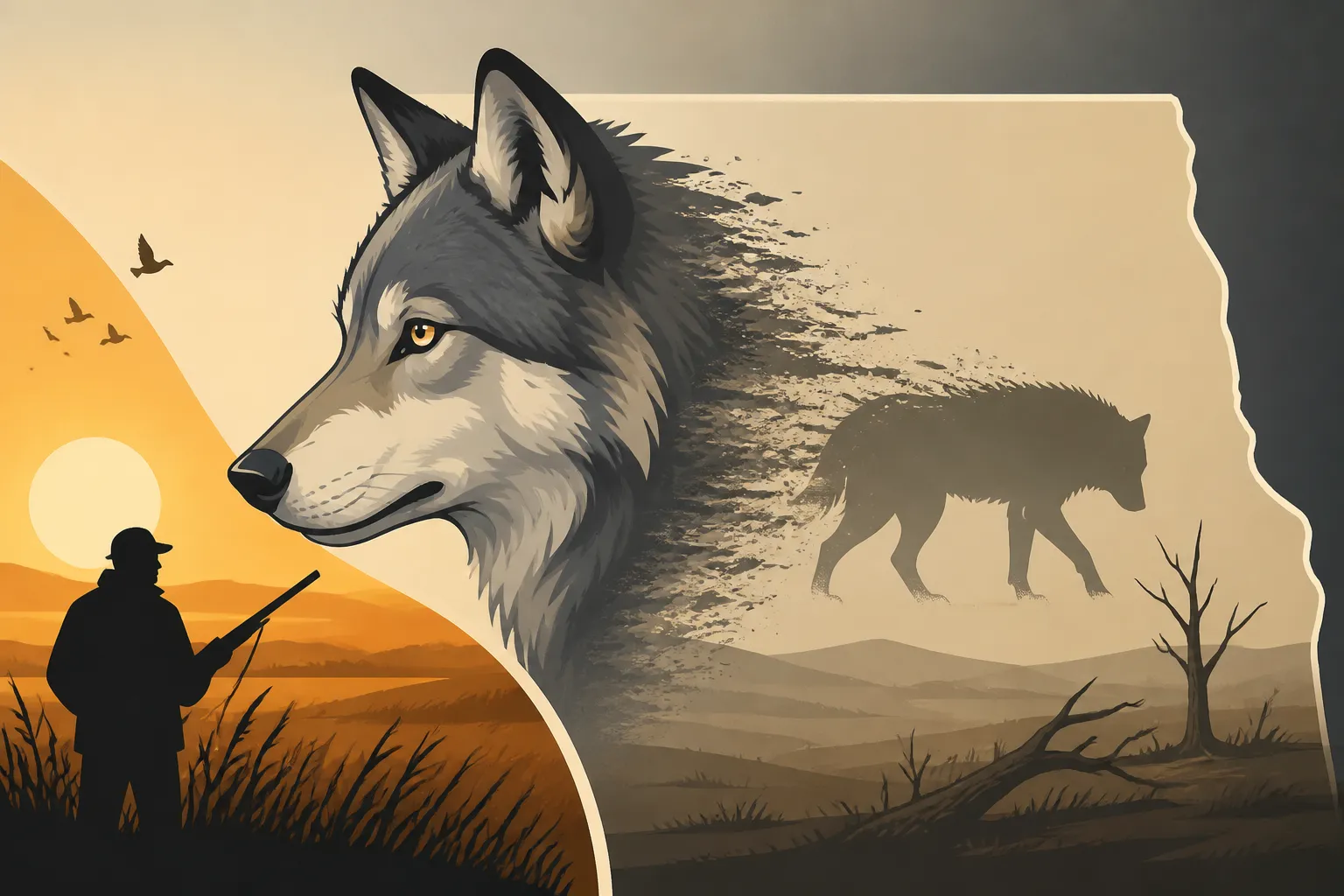
The systematic extermination campaigns of the late 19th and early 20th centuries had their intended effect. The majestic gray wolf, once a keystone species across North Dakota, was effectively wiped out. This wasn't a gradual decline; it was a targeted removal that left a profound silence in its wake, both literally and ecologically. The last confirmed wolf sightings marked the end of a long, impactful chapter in the state's natural history.
The Last Howl: Documenting Their Disappearance
It's difficult to pinpoint the exact moment the last native wolf was killed in North Dakota, but historical records indicate that by the 1920s, sustained wolf populations were virtually non-existent. The last reliable reports of wolves inhabiting the state year-round came from the rugged North Dakota Badlands and the more remote river drainages, areas where they could find some refuge from human encroachment. A few scattered individuals might have persisted longer, perhaps lone dispersers from Canada or Montana, but the breeding populations were gone.
Stories from old-timers often speak of these last wolves, sometimes with a touch of melancholy or even admiration for their resilience against overwhelming odds. The transition from a landscape filled with wolf howls to one dominated by the barks of coyotes was stark. For a time, any large canid seen was often mistakenly identified as a wolf, a testament to how deeply ingrained the image of the wolf was in the public consciousness, even as the animal itself vanished. This period marks the complete "extirpation" – the local extinction – of the gray wolf from North Dakota.
The Void Left Behind
The absence of a top predator like the wolf sent ripples throughout the ecosystem. While ranchers may have celebrated the immediate relief from livestock depredation, the long-term ecological consequences were less understood at the time. Deer populations, no longer subject to consistent predation pressure, could potentially grow unchecked in certain areas. This could lead to overbrowsing of preferred vegetation, impacting forest regeneration and the food sources for other species. Without wolves, the overall health and alertness of prey animals could also diminish over generations.
Smaller predators, such as North Dakota Coyote Range and Density, often filled a portion of the vacant niche left by wolves. While coyotes are effective predators, they don't exert the same kind of pressure on large ungulate populations as wolves do. This shift changed the predator-prey dynamics across the prairie. The interconnected web of life was altered, and the subtle, stabilizing hand of the wolf was no longer guiding its natural balance. The silence wasn't just the absence of a howl; it was the quiet reshaping of an entire ecological system.
Whispers of Return: Modern Wolf Observations and Future Prospects
Despite their historical extirpation, the story of wolves in North Dakota isn't entirely static. In recent decades, there have been sporadic, unconfirmed sightings and even a few confirmed instances of wolves dispersing into the state. These aren't re-established populations, but rather echoes of their former presence, raising questions about what the future might hold for this iconic species in North Dakota.
Dispersal Events from Neighboring Regions
Every now and then, a report surfaces, a fuzzy photo, or a confirmed track: a wolf has been sighted in North Dakota. These are almost always young, adventurous individuals dispersing from established populations in neighboring states like Minnesota or Montana, or from Canadian provinces to the north. These wolves, often seeking new territory or mates, can cover vast distances. They are explorers, unwittingly giving us a glimpse of what once was. While these sightings are exciting for wildlife enthusiasts, they don't indicate a stable, breeding population has returned.
These animals typically don't stay long, often moving through the state or being removed due to conflict with livestock or human encounters. The vast, open agricultural landscapes of much of North Dakota, combined with population density, present significant challenges for any wolf attempting to re-establish itself permanently. However, these dispersal events serve as a powerful reminder of the wolf's enduring wild spirit and its capacity to reclaim former ranges when given the opportunity.
Public Perception and the Challenges of Coexistence
The idea of wolves returning to North Dakota evokes a wide range of emotions. For some, it's a romantic notion of ecological restoration, bringing back a missing piece of the prairie puzzle. They envision the return of balance and a richer, more complete wild experience. However, for many others, particularly those in rural agricultural communities, the memory of historical conflicts and the fear of livestock depredation remain strong. These concerns are very real and cannot be dismissed lightly.
Any potential return of wolves, whether through natural dispersal or a more active conservation effort, would require extensive public dialogue, careful planning, and robust management strategies to address these deeply rooted concerns. It would involve weighing the ecological benefits against the socio-economic impacts on farmers and ranchers. The challenges of coexistence in a modern, developed landscape are complex, but the occasional whisper of a wolf on the North Dakota prairie ensures that the conversation about their place in our natural heritage continues. The state maintains rules for Game You Cannot Hunt in North Dakota, and wolves are generally protected, but their long-term viability here depends on more than just legal status.
Tracking Wildlife: Past, Present, and Future
Understanding the history of a species, like the wolf, and its eventual extirpation, teaches us valuable lessons about ecosystems and human impact. While wolves are no longer a resident species, North Dakota is still teeming with a diverse array of wildlife, from the robust White-Tailed Deer Across North Dakota to the agile Pronghorn Antelope in Western North Dakota. The principles of tracking and understanding animal movement, whether historically or in the present day, remain vital for both hunters and conservationists. Tools and knowledge help us understand how animals use the landscape, from observing tracks in the mud to analyzing historical migration patterns.
| Historical Era | Wolf Status in North Dakota | Key Factors | Impact on Ecosystem |
|---|---|---|---|
| Pre-1800s | Abundant, widespread | Plentiful wild prey, vast untouched habitat | Apex predator, shaped prey populations, healthy ecosystem |
| 1800s-Early 1900s | Rapid decline | European settlement, livestock introduction | Increasing conflict with humans, bounties issued |
| 1920s-1930s | Extirpated (locally extinct) | Intense hunting, trapping, poisoning campaigns | Absence of top predator, shift in prey dynamics, coyote expansion |
| Mid-20th Century | Occasional dispersers only | Fragmented habitat, continued human presence | Minimal ecological impact from transient individuals |
| Present Day | Very rare, transient dispersers | Established populations in neighboring states | Public discussion on potential return and coexistence challenges |
Even without a resident wolf population, the art of understanding animal movement is crucial for managing other species. Whether you're trying to figure out Where Badlands Bucks Bed or anticipate North Dakota Deer Antler Growth Timeline, understanding historical and current habitat use is key. The ghost of the wolf reminds us of the power of nature and our enduring responsibility to protect it.
Disclaimer
This article is for general informational purposes only and does not constitute professional advice. Laws, prices and regulations vary by location and change over time. Consult a qualified professional for guidance on your specific situation.