Average Cost of a Guided North Dakota Pheasant Hunt
Oh, the allure of a North Dakota pheasant hunt! It’s a dream for so many, picturing those beautiful roosters bursting from cover against a big prairie sky. But then reality hits: you start looking into guided trips and the numbers can make your head spin. What does it really cost? It’s not just a simple dollar amount; there are so many factors that go into a guided North Dakota pheasant hunt, and understanding them is key to planning your perfect trip. This guide will break down the various elements that influence the price, helping you navigate the options and budget effectively for that unforgettable prairie experience.
What Shapes the Price Tag on a Guided Pheasant Hunt?
When you’re dreaming of chasing ringnecks across North Dakota, one of the first questions that pops up is always about cost. It’s rarely a straightforward answer because a "guided hunt" can mean so many different things. Think of it like buying a car; there’s a base model, and then there are all the upgrades and features that send the price climbing. Understanding these core elements will give you a much clearer picture of what to expect when you start calling outfitters.
Location, Lodge, and Length of Stay
The first major factors that play into the cost are where you hunt, where you stay, and how long you plan to be there. North Dakota is a big state, and while pheasants are widespread, some areas are simply known for higher bird densities or more expansive, prime habitat. Outfitters operating in these coveted zones might command a higher price for access to their proven grounds. You’re paying for the likelihood of a successful hunt.
Beyond the fields, the lodging itself can significantly sway the price. Are you bunking in a rustic, no-frills hunting cabin where the focus is strictly on the hunt and the camaraderie? Or are you looking at a luxurious lodge with gourmet meals, private rooms, hot tubs, and all the comforts of home after a long day in the field? Many outfitters offer a range of experiences, from basic accommodations to upscale retreats, and this difference is immediately reflected in the per-person cost. A two-day hunt will naturally be less expensive than a five-day package, but keep in mind that the daily rate might actually decrease slightly on longer trips as some fixed costs are spread out.
Inclusions and Exclusions in the Package
This is where many hunters get tripped up, often finding unexpected expenses that weren’t factored into their initial budget. When an outfitter talks about a "package deal," it's crucial to understand precisely what's covered. Most guided pheasant hunts will include professional guides who know the land and the birds, well-trained hunting dogs, and often field transportation. If lodging is part of the package, meals are typically included too, ranging from hearty, home-cooked fare to fine dining, depending on the lodge’s style. Some will even handle bird cleaning and packaging for you, which is a huge convenience after a successful day.
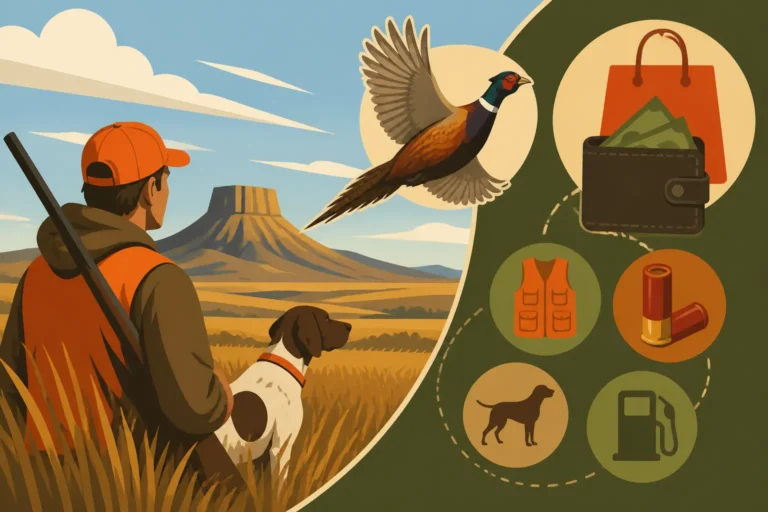
However, many essential items are almost always excluded and need to be budgeted for separately. Licenses and stamps are a prime example – you'll need a North Dakota Nonresident Small Game License Cost if you're coming from out of state, plus federal and state migratory bird stamps if you plan to combine your pheasant hunt with waterfowl. Ammunition is another big one; pheasant hunting can burn through a surprising number of shells. Travel to and from North Dakota, any required firearms shipping or rental, and personal hunting gear (like blaze orange, which is required; see North Dakota Blaze Orange Requirements) are also your responsibility. And, of course, tips for your guides and lodge staff are customary and should always be considered a part of the total cost, often calculated as a percentage of the total package price.
Guide Experience and Dog Quality
The quality of your guide and their dogs can truly make or break your hunting experience, and this expertise comes with a price. A veteran North Dakota guide, intimately familiar with local pheasant behavior, migration patterns, and the best coverts on specific properties, offers invaluable knowledge. They’ve spent years honing their craft, understanding wind direction, reading dog work, and anticipating where birds will hold. This level of seasoned experience translates directly into higher success rates and a more enjoyable, educational hunt.
Similarly, the dogs are often the stars of a pheasant hunt. Whether it’s hard-charging pointers locking up on a hidden rooster, flushers sending birds skyward, or steadfast retrievers bringing back your prize, well-trained dogs are an indispensable asset. Outfitters invest heavily in breeding, training, and caring for their canine companions. Expect outfitters with top-notch dog strings – often with multiple breeds to match different hunting styles and conditions – to factor this significant investment into their pricing. You’re not just paying for a guide; you’re paying for a well-oiled team that has dedicated countless hours to ensuring a memorable and productive hunt.
Understanding Different Guided Hunt Structures and Their Costs
Just as there are different levels of service and accommodation, there are also different ways a guided pheasant hunt can be structured. Each approach offers a unique experience and, naturally, comes with its own price point. Knowing these options can help you decide which one best fits your budget and your hunting goals.
Day Hunts Versus Multi-Day Packages
For many hunters, a single day of guided pheasant hunting offers an accessible entry point into the North Dakota experience. These day hunts typically include a guide, dogs, and access to prime hunting land for a set number of hours. They're often less expensive upfront, making them a great option if you're on a tighter budget or if you just want to "test the waters" before committing to a longer trip. You might provide your own lunch or simply grab something on the go. However, the intensity of travel for just one day of hunting can be a downside, and you might not get to experience the full camaraderie of a lodge setting.
Multi-day packages, on the other hand, are the full immersive experience. These usually span two to five days of hunting, often with all-inclusive lodging and meals. This structure allows you to truly settle in, learn the rhythm of the hunt, and bond with your fellow hunters and guides. While the total cost is higher, the daily rate can sometimes be slightly more economical than a single day hunt, and the value of a comprehensive experience is often much greater. You get to wake up in the heart of pheasant country, enjoy hearty breakfasts before the hunt, and relax with good food and stories each evening. Many hunters find this extended experience to be well worth the investment, particularly if they are traveling a long distance to reach North Dakota.
Outfitter-Provided Land Access Without a Full Guide
Sometimes, you want the advantage of knowing where to hunt and having access to private, managed land, but you prefer to do the actual hunting on your own terms. This is where options like "semi-guided" hunts or simply "land access" come into play. A semi-guided trip might include lodging and meals, but you'd be responsible for your own dog work and calling the shots in the field. The outfitter might point you to specific areas or provide maps, but they won't be walking with you every step of the way. This can significantly reduce the cost compared to a fully guided experience, as you're essentially removing the guide's direct labor from the equation.
Other operations might simply offer access to their private hunting grounds for a daily or multi-day fee, sometimes including basic lodging but no guiding services whatsoever. This is an excellent option for experienced hunters who have their own well-trained dogs and prefer the independence of hunting at their own pace. You’re still benefiting from the outfitter's investment in land management, habitat improvement, and reduced pressure on the birds, but without the added cost of a professional guide and their dogs. Always clarify exactly what "semi-guided" or "land access" entails to avoid any surprises, as definitions can vary widely between outfitters. You might find some excellent opportunities to utilize private land without breaking the bank if you're willing to do more of the legwork yourself.
Group Size and Custom Packages
The number of hunters in your party can also have a significant impact on the per-person cost of a guided pheasant hunt. Many outfitters price their packages based on a minimum number of hunters, and if your group is smaller than that, you might pay a slightly higher individual rate to cover the outfitter's overhead. Conversely, if you have a larger group, some outfitters might offer a slight discount per person or include additional amenities. It's always worth asking if they have pricing tiers for different group sizes.
For those with unique needs or specific desires, custom packages are often available. Maybe you want to combine a pheasant hunt with a day of duck hunting, or you have dietary restrictions, or you need specific accommodations for mobility. Outfitters are often willing to tailor a hunt to your preferences, though these specialized arrangements can sometimes come with a premium price tag due to the extra planning and resources involved. However, the benefit of a perfectly customized trip can outweigh the additional expense for some groups. Platforms like BookYourHunt can be a great starting point for finding outfitters who advertise flexible packages or for getting a feel for typical group rates before you even pick up the phone.
| Hunt Style | Typical Inclusions (often) | Cost Factor (relative) | Best For… |
|---|---|---|---|
| Day Hunt | Guide, dogs, field access | Lower | Budget-conscious, short trips, testing the waters |
| Multi-Day Package | Guide, dogs, field access, lodging, meals | Medium to High | Immersive experience, camaraderie, higher success |
| Semi-Guided | Lodging, meals, land access, basic direction | Medium | Experienced hunters with dogs, some independence |
| Land Access Only | Private land access | Lowest | Highly independent hunters, own gear and dogs |
The True Value Beyond the Dollar Amount
While the upfront cost is certainly a major consideration, it’s important to remember that a guided North Dakota pheasant hunt offers immense value that goes far beyond the price tag. You’re not just paying for a service; you’re investing in an experience, convenience, and a significantly higher probability of success and lasting memories. Sometimes, paying a bit more means less stress and more enjoyment, which is invaluable.
Convenience and Local Expertise
Imagine arriving in North Dakota, driving straight to a comfortable lodge, and having everything prepared for you. No need to spend days scouting, knocking on doors for permission, or figuring out where the birds might be holding. That’s the convenience a reputable outfitter provides. They’ve done all the heavy lifting – secured prime private land, managed habitats, and followed bird populations for North Dakota Pheasant Population Estimate. Your guide has likely been out in the fields for weeks, pinpointing hot spots and understanding daily bird movements based on weather and pressure.
This local expertise is truly priceless. They know the subtle nuances of the terrain, where pheasants tend to hold tight, and how to work dogs efficiently. They understand how factors like recent snowfall or a sudden cold front can impact bird behavior. This deep knowledge significantly cuts down on unproductive time in the field, maximizing your opportunities for flushes and shots. Instead of blindly Walking a Pheasant Field at Midday hoping to stumble upon birds, you’re hunting intelligently and effectively right from the start, often focusing your efforts on specific coverts like cattail sloughs, shelterbelts, or standing corn.
Safety, Success, and Memories
A professional outfitter prioritizes safety above all else. They understand the terrain, adhere to all hunting regulations (including North Dakota Pheasant and Upland Season Rules), and ensure that all hunters are following safe firearm handling practices. This peace of mind allows you to focus on the thrill of the hunt, knowing you’re in capable hands. They're also skilled in handling hunting dogs, ensuring both the dogs' safety and their effectiveness in the field.
Statistically, guided hunts often boast higher success rates. While hunting is never a guarantee, the combination of prime land, experienced guides, and well-trained dogs significantly tips the odds in your favor for filling your limits. But beyond the birds in the bag, a guided trip creates indelible memories. The laughter shared during a flush, the thrill of a dog on point, the delicious meals back at the lodge, and the stories told around a crackling fire – these are the moments that last a lifetime. For many, a North Dakota pheasant hunt isn't just about harvesting birds; it's about the entire experience, the camaraderie, and forging connections with nature and fellow hunters.
Hidden Costs and Budgeting Tips
Even with a comprehensive package, there are almost always "hidden" or easily overlooked costs that can add up quickly. We've already touched on licenses and ammunition, but don't forget fuel for your personal vehicle if you're driving to the lodge, and any unexpected repairs or maintenance. Many hunters also want to commemorate their trip with taxidermy or professional meat processing beyond what the outfitter might offer. Souvenirs, snacks, and any alcoholic beverages not included in the package can also contribute to the final bill.
To avoid sticker shock, it’s crucial to budget meticulously. Call the outfitter and ask for a detailed breakdown of what is and isn't included. Don't be shy about asking about expected tips – many guides and lodge staff rely on them, and knowing the customary amount (often 15-20% of the package cost for guides, less for lodge staff) ahead of time is respectful. Consider setting aside an "incidentals" fund for unexpected expenses. Using online resources like GoHunt or outfitter directories can help you compare what various operations include in their pricing, giving you a baseline to work from. Remember, proper planning now can save you a lot of stress and financial surprises later, ensuring your focus remains on the incredible hunting experience.
Finding and Vetting the Right North Dakota Pheasant Outfitter
With so many outfitters vying for your business, choosing the right one for your North Dakota pheasant adventure can feel a bit overwhelming. It’s a significant investment, both financially and in terms of your precious vacation time, so you want to make sure you’re making a well-informed decision. Doing your homework up front will save you headaches and disappointment down the line.
Researching Outfitters and Reviews
The first step in finding the perfect outfitter is thorough research. Start by looking at outfitter directories and hunting-specific booking platforms, such as BookYourHunt. These sites often aggregate information about multiple outfitters, complete with photos, service descriptions, and sometimes even price ranges. You can also dive into online hunting forums and social media groups dedicated to North Dakota hunting. Here, you'll find candid discussions and reviews from fellow hunters, offering invaluable insights into different operations.
When reading reviews, look for consistent themes. Are people praising the guides' knowledge, the dog work, the quality of the meals, or the comfort of the lodging? Be wary of outfitters with a consistently high number of negative reviews, especially those pointing to safety issues, dishonest practices, or unfulfilled promises. Always cross-reference information from multiple sources. Once you have a shortlist, visit each outfitter's dedicated website to get a deeper understanding of their philosophy, specific packages, and any unique offerings. Don't hesitate to ask for references from past clients; a reputable outfitter will be happy to provide them.
What Questions to Ask Before Booking
Once you've narrowed down your choices, it’s time to start making calls or sending detailed emails. This is your chance to get all your questions answered and ensure there are no surprises. Beyond the obvious "what's included?" and "what's the total price?", here are some specific questions to ask:
- What is the guide-to-hunter ratio? This impacts the personalized attention you'll receive.
- How many dogs are typically used per group? More dogs can mean more ground covered and more flushes.
- What is your cancellation and refund policy? Life happens, and you need to know what your options are if you have to reschedule or cancel.
- What are the typical daily bag limits and average harvest for your clients? While not a guarantee, it gives you an idea of their success.
- Do you offer What's Included in a Pheasant Lodge Stay? Clarify specifics about meals, snacks, beverages, and amenities.
- What are the expectations for tipping guides and staff? Get a clear understanding of the customary amounts.
- Can you accommodate any dietary restrictions or special needs?
- What forms of payment do you accept, and when are payments due?
- What specific licenses and permits will I need, and where can I purchase them? This is crucial, as you’ll need to secure your North Dakota Resident License Options or nonresident equivalent well in advance.
Securing Your Spot and Deposit Considerations
North Dakota pheasant hunting is incredibly popular, especially with nonresidents, and the best outfitters often book up a year or more in advance. If you have specific dates in mind, particularly for opening weekend or prime mid-season dates, you'll need to plan well ahead. This is where early research and booking become paramount. You can even plan a multi-species trip by looking at North Dakota Nonresident Combination License Options to maximize your experience.
Once you decide on an outfitter, you'll typically be required to pay a deposit to secure your reservation. This deposit amount can vary widely but often represents a significant portion of the total cost. Carefully review the outfitter's deposit policy and, crucially, their cancellation policy. Understand if the deposit is refundable, transferable, or if it will be forfeited under certain conditions. Ask about their policy regarding unforeseen circumstances, such as extreme weather that might impact hunting conditions or travel disruptions. Responsible outfitters will have clear, written policies, and a good one will be happy to explain them thoroughly. Don't rush into sending money until you're completely comfortable with the terms.
Disclaimer
This article is for general informational purposes only and does not constitute professional advice. Laws, prices and regulations vary by location and change over time. Consult a qualified professional for guidance on your specific situation.