Walking a Pheasant Field at Midday
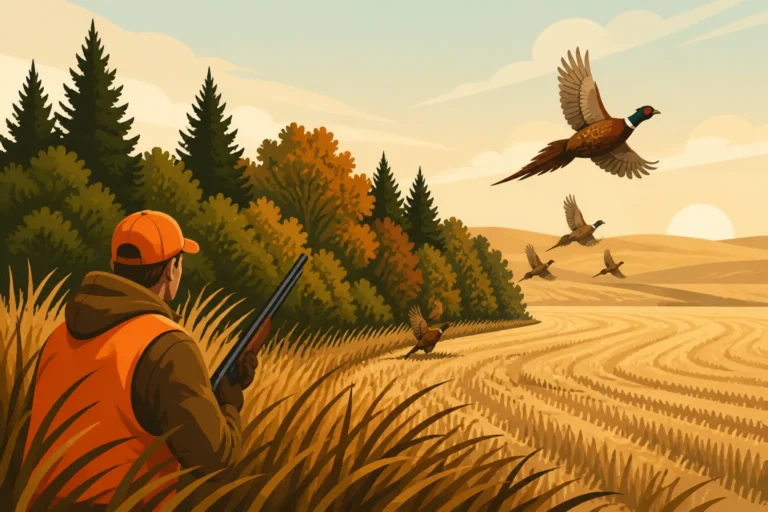
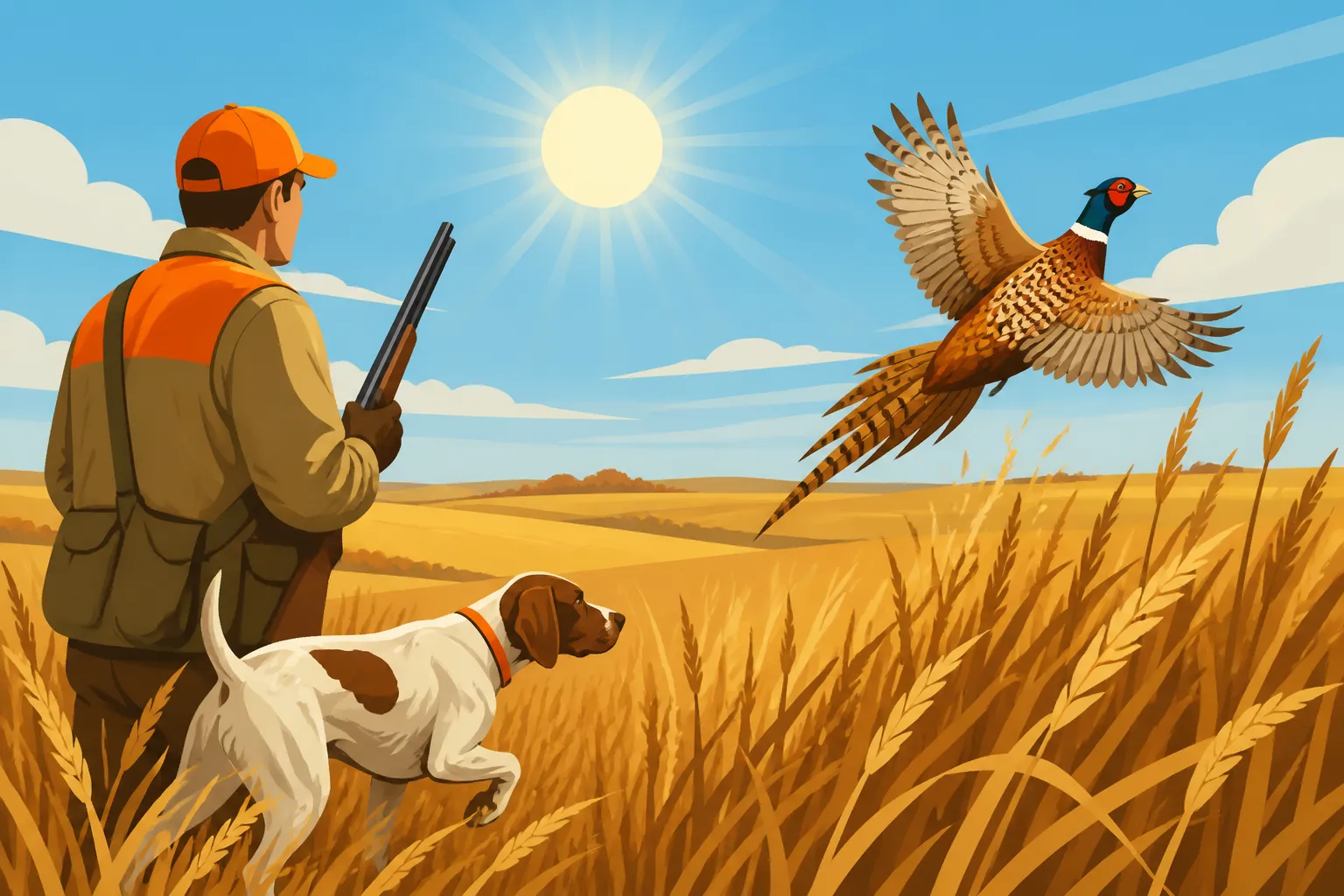
Many pheasant hunters feel that midday is a time to hang up the gun, grab some lunch, and wait for the "prime" evening hunt. It's a common frustration, thinking all the birds have burrowed down into impenetrable cover, making the middle of the day feel unproductive. But I'm here to tell you that with the right strategy, walking a pheasant field at midday in North Dakota can be incredibly rewarding, often turning up roosters that other hunters have walked right past or given up on. This guide will walk you through how to successfully tackle those midday hours and bring home birds when others are resting.
Understanding Midday Pheasant Behavior
Pheasants are smart birds, and they adjust their behavior based on pressure, weather, and time of day. While early morning and late evening often see them feeding in the open, the middle of the day presents a different set of challenges and opportunities that you can absolutely leverage.
Why Midday Can Be Prime Time for Roosters
The conventional wisdom often suggests that pheasants are most active at dawn and dusk, which is true to an extent. However, during the midday hours, especially after an initial morning push by other hunters, birds are often displaced from their prime feeding grounds and are looking for dense, secure cover to loaf, digest, and escape pressure. This means they are often concentrated in specific areas, making your search more focused once you know what to look for.
Moreover, if there's been morning hunting pressure, those birds that weren't bagged are now hunkered down, feeling relatively safe in their midday hiding spots. They're not as apt to run long distances if approached correctly. Instead, they might hold tighter, giving your dog (and you) a better chance for a close flush. The sun's warmth can also make birds a bit more comfortable moving within thick cover, rather than being completely locked down as they might be during a sharp cold snap. It’s all about understanding their need for security and warmth, or conversely, shade during hotter days.
Where Pheasants Go When the Sun is High
When the sun climbs high, pheasants retreat to the densest, most protective cover they can find. This isn't usually the short stubble fields they feed in at morning or evening. Instead, think about areas that offer both concealment from predators and thermal regulation – places where they can either cool off from intense sun or stay warm on a chilly day.
In North Dakota, this often means cattail sloughs, deep grass within CRP (Conservation Reserve Program) fields, the thickest shelterbelts, or standing cover like corn, sunflowers, or milo. If you're hunting in rolling prairie country, look for the sunny side of coulees or the bottom of deep draws with good brush cover. On colder days, they'll seek out south-facing slopes or thick evergreens within a shelterbelt. On warmer days, they'll push into the shade of mature trees or the cool dampness of a slough bottom. The trick is to identify these high-percentage midday hideouts. For a deeper dive into scouting, check out our guide on Scouting PLOTS Land Before Season The more you understand where birds seek refuge, the better your midday strategy will be.
Essential Midday Field Walking Strategies
Successfully hunting pheasants at midday isn't about covering as much ground as possible. It's about precision, patience, and understanding how birds react when they're hunkered down.
Slow and Deliberate Pacing
This is perhaps the most critical difference between a successful midday hunt and a frustrating walk. When birds are holding tight in heavy cover, rushing through a field only causes them to flush wild, far out of shooting range. Instead, you need to walk at a snail's pace, giving your dog ample time to work every inch of cover and giving the birds a reason to hold.
Imagine a quarter-acre patch of cattails. If you walk it quickly, you might push all the birds out the far end without a shot. But if you slowly, meticulously pick through it, pausing frequently, the birds will feel less threatened and be more likely to hold. Your dog will have more time to zero in on their scent, get birdy, and lock up on point, giving you precious seconds to get into position. This deliberate approach also allows you to focus on the terrain, identify subtle changes in cover that might hold a bird, and really hunt the field rather than just walk it. When you're trying to walk North Dakota PLOTS Land for Pheasant, this deliberate approach helps you thoroughly cover areas that might otherwise be overlooked.
Maximizing Cover and Field Edges
Midday pheasants are all about security. This means they won't be in the sparse, open areas. You need to focus your efforts on the densest patches of cover and the transitional zones where different types of habitat meet.
Walk along the edges of standing cornfields, especially where they meet CRP grass, sloughs, or shelterbelts. These "edge habitats" are natural travel corridors and security blankets for pheasants. Inside larger fields, identify fingers of thick grass, willow thickets, or deep draws. Don't be afraid to push into cover that looks almost too thick to walk; those are often the spots where roosters will feel safest. A great strategy is Working a Shelterbelt for Roosters, particularly the ends and corners, as they provide excellent escape cover and food. Always work these areas systematically, cutting off escape routes if possible, especially if you have multiple hunters.
Working Wind and Sun to Your Advantage
Understanding the wind and sun isn't just about comfort for you; it's about how birds react and how your dog performs. When walking a field at midday, try to work into the wind. This allows your dog's nose to be most effective, bringing scents directly to them. It also makes it harder for birds to hear or smell you approaching from downwind.
The sun's position also plays a role. If possible, try to approach cover with the sun at your back. This makes it harder for birds to see you silhouetted and can temporarily blind them as they flush. Conversely, if you're walking into the sun, wear good sunglasses and be extra vigilant. On colder days, focus on sun-drenched areas where birds will be trying to warm up. On warmer days, prioritize shaded areas like north-facing slopes, deep slough bottoms, or dense timber within a large field. These subtle adjustments can make a significant difference in your success rate.
Gear and Companions for Midday Success
Hunting at midday, especially in North Dakota, means you need to be prepared for varying conditions and have the right support, whether that's in the form of gear or good company.
Footwear, Water, and Sun Protection
Midday hunts often involve more walking, pushing through thicker cover, and dealing with higher temperatures than morning or evening hunts. Comfortable, waterproof, and well-broken-in boots are non-negotiable. Blisters can ruin a hunt faster than anything. Consider snake gaiters or chaps if you're pushing through dense, prickly cover or in areas known for rattlesnakes.
Hydration is crucial. Always carry more water than you think you'll need, not just for yourself, but for your dog too. Even on cooler days, exertion can lead to dehydration. A hydration pack is often more convenient than carrying bottles. Sun protection is equally important: a wide-brimmed hat, sunglasses, and sunscreen will prevent sunburn and keep you more comfortable and focused. Many hunters overlook these basics, but being prepared makes those long midday pushes far more enjoyable and sustainable.
The Role of a Good Bird Dog
Let's be honest, hunting pheasants without a good bird dog is like trying to find a needle in a haystack blindfolded. At midday, when birds are hunkered down, a dog's nose is absolutely indispensable. A well-trained pointing or flushing dog, working efficiently and systematically, will find birds you would undoubtedly walk past.
A pointing dog will lock up on scent, allowing you to move into position for a shot. A flushing dog, like a Springer Spaniel or Labrador Retriever, will systematically work the cover, forcing birds into the air within range. The key is a dog that works for you, staying within gun range, and not busting birds too far out. Ensure your dog is well-conditioned for the long walks and thick cover. Carry dog boots if the ground is rough or frozen, and always have a first-aid kit for both you and your canine companion. For those interested in working with a pointing dog, you might find our article on Running a Pointer Through CRP Grass particularly useful for honing your skills.
Hunting with a Partner or Small Group
While solo hunts can be incredibly peaceful, hunting pheasants, especially at midday, often benefits from having a partner or a small group. Two or three hunters working a field strategically can significantly increase your success rate.
With multiple hunters, you can effectively "block" off escape routes, push birds towards designated shooters, and cover more ground in a controlled manner. For example, if you're working a long shelterbelt, one hunter can walk through the middle while others flank the edges, preventing birds from sneaking out the sides. When working a large block of CRP or a standing cornfield, a line of hunters can slowly advance, pushing birds ahead. Communication is key here; use hand signals or whistles to maintain your line and alert each other to flushes. Before heading out, consider the specific North Dakota Pheasant and Upland Season Rules, especially those pertaining to group hunting and safety.
Reading the Field and Adjusting Tactics
No two pheasant fields are exactly alike, and conditions can change rapidly. The ability to read the terrain and adapt your tactics is what separates good hunters from great ones.
Identifying High-Percentage Areas
The key to midday success is efficiently identifying and focusing your efforts on the areas most likely to hold birds. This means looking beyond the obvious. While thick cover is a general rule, try to narrow it down further. Look for areas with diverse cover types in close proximity – a cattail slough bordering a dense CRP field, or a shelterbelt running alongside a standing sunflower field. These transitions are magnets for pheasants.
Drainage ditches, old farmsteads with overgrown shrubs and trees, and pockets of unharvested crops are also prime locations. Use aerial maps, like those available on the GoHunt app, to scout potential hideouts before you even step foot in the field. Look for topographical features that offer protection from wind and weather, or unique patches of cover that stand out. For example, a small, isolated patch of heavy weeds in an otherwise open field can hold a surprising number of birds. Don't waste time in sparse, low-percentage areas.
Adapting to Different Cover Types
North Dakota offers a wide variety of pheasant habitat, and each type requires a slightly different approach.
- CRP Grasslands: These vast expanses often hold birds but require a systematic approach. Walk in a grid pattern or long, slow lines, ensuring your dog covers every inch. Focus on the thickest, tallest patches.
- Cattail Sloughs: These are classic pheasant hideouts, especially at midday. Be prepared for wet feet and tough going. Work these slowly, pushing from one end to the other, or using multiple hunters to surround smaller patches. Birds will often run the edge before flushing.
- Shelterbelts and Tree Rows: These linear covers are great for walking, but birds can exit quickly. Position blockers at the ends, especially the downwind end. Walk these slowly, paying close attention to thick undergrowth and brush piles.
- Standing Corn/Sunflower/Milo: These crops offer incredible concealment. Hunt these fields into the wind, walking in a methodical line. Be aware that birds can run far ahead, so adjust your pace and be ready for flushes at unexpected distances. Knowing the North Dakota Pheasant Population Estimate, it’s clear why finding these prime covers is so important.
Post-Harvest Considerations
As the season progresses, and particularly after crops like corn and sunflowers are harvested, the available cover for pheasants drastically changes. Midday tactics need to evolve with these conditions. Once fields are cut, birds will concentrate even more heavily in the remaining dense cover: unharvested standing crops, thickest CRP, cattail sloughs, and robust shelterbelts.
After a significant snow, birds will often move to areas with taller vegetation that offers protection from the elements, as well as easy access to food. This could be standing stalks that catch snow, creating insulated pockets. It’s a good idea to consider our tips for Late-Season Pheasant Tactics in Deep Snow, even for midday hunts in colder conditions. Many hunters give up on fields once they're harvested, but these remaining pockets of cover can be goldmines, often holding numerous birds that have been pushed out of surrounding areas. Be extra thorough in these concentrated spots.
Midday vs. Morning/Evening Pheasant Hunting Tactics
Here's a quick comparison to highlight the key differences in strategy:
| Feature | Morning/Evening Hunt | Midday Hunt |
|---|---|---|
| Bird Activity | Actively feeding, moving between roost & food. | Loafing, digesting, hunkered down in heavy cover. |
| Cover Focus | Field edges, lighter cover near food sources. | Densest, thickest cover (sloughs, heavy CRP, brush). |
| Pacing | Can be faster, covering more ground for active birds. | Slow, deliberate, meticulous to force tight holds. |
| Dog Work | Range out further, covering open ground. | Work tighter, focusing on scent in dense cover. |
| Hunter Pressure | Often higher, many hunters out early/late. | Often lower, fewer hunters in the field. |
| Sun/Wind | Less critical for concealment, more for dog's nose. | Crucial for concealment, dog's nose, and bird comfort. |
| Hydration/Gear | Standard. | Extra water, sun protection, durable boots essential. |
Remember, while the general principles of hunting remain, tailoring your approach to the specific time of day significantly boosts your chances.
Final Thoughts on Midday Pheasant Hunting
So, there you have it. Midday pheasant hunting in North Dakota isn't just about killing time; it's a legitimate, often highly productive strategy if you approach it with patience and purpose. Instead of retreating to the truck or camp, embrace those middle hours. Focus on the densest cover, slow your pace, work with your dog, and pay attention to the wind and sun. You'll not only find birds that other hunters missed, but you'll also develop a deeper understanding of pheasant behavior, making you a more versatile and successful hunter in the long run. Don't let the sun at its zenith fool you—there are plenty of roosters waiting to be flushed.
Disclaimer
Hunting is a challenging and inherently dangerous activity. This guide provides general information and recommendations. Always prioritize safety, adhere to all local, state, and federal hunting regulations, and ensure you have the necessary licenses and permits. Wildlife populations and conditions can vary, and past success does not guarantee future results.