North Dakota Archery Season Dates
The North Dakota archery deer season can feel like a maze of opening dates, closing days, and special considerations, especially if you're a new hunter or coming in from out of state. It's easy to get overwhelmed trying to figure out when you can actually be in the woods, or which rules apply to you. This comprehensive guide is here to untangle all those complexities, making sure you understand the exact North Dakota archery season dates and the key factors that will shape your hunt.
The General Archery Season Overview
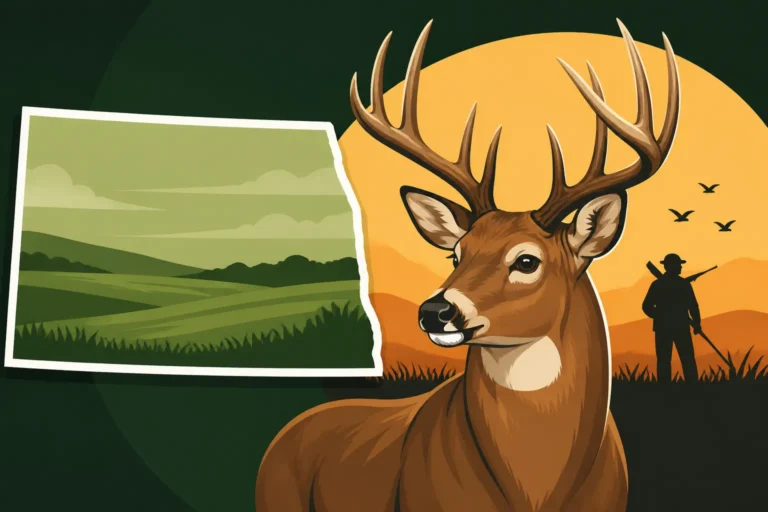
North Dakota offers an incredibly generous archery deer season, a real gift to bowhunters who love the challenge and immersion of the sport. It's one of the longest seasons you'll find, stretching from the end of summer into the dead of winter, giving hunters ample opportunity to pursue deer across various stages of their annual cycle. But with that length comes a few specific milestones and considerations that are worth understanding deeply.
When the Bow Season Kicks Off
For most North Dakota archers, the season traditionally kicks off on the last Friday of August, though it's always wise to double-check the official proclamations from the North Dakota Game and Fish Department (NDGFD) each year. This early start means you're often hunting in warm weather, chasing deer that are still in their summer patterns and, if you're lucky, sporting velvet antlers. There's a certain magic to those late summer evenings, calling to a new season while the sun still holds heat, and the prairie grasses are tall and green. It's a fantastic time to pattern deer moving from bedding areas to prime food sources, often around agricultural fields or secluded river bottom timber. For those truly dedicated, the chance to harvest a velvet buck is a unique early-season trophy that many covet. It's a quiet time, too, before the gun season brings more hunters into the field, offering a serene experience for those who appreciate the solitude of the bowhunt. To dive deeper into what this early period entails, you can check out our guide on North Dakota Archery Season Opening Day.
The Long Haul to Season Close
Unlike many states with shorter, more segmented seasons, North Dakota's archery season runs for an impressively long stretch, often continuing through January 2nd. This means you’re not just hunting in the warmth of late summer; you're also braving the biting cold of a North Dakota winter. The season's length provides incredible diversity in hunting conditions and deer behavior. What starts with warm, mosquito-filled evenings transitions through the vibrant colors of fall, the intensity of the rut, and finally into the stark, often snow-covered landscapes of winter. Each period presents its own set of challenges and unique opportunities. The late season, in particular, requires a completely different approach, focusing on food sources and thermal cover as deer conserve energy. It's a true test of a bowhunter's grit and adaptability, demanding warm gear, a solid understanding of winter deer patterns, and the mental fortitude to endure prolonged cold sits. The reward, however, is often a mature deer focused solely on survival, making them more predictable around crucial resources.
Understanding Resident and Nonresident Nuances
While the general archery season dates are extensive, there’s a significant detail that all hunters, especially nonresidents, absolutely must understand: public land access. North Dakota has some specific rules designed to manage hunting pressure and provide opportunities, which means not all hunters have the same access to public lands at the same time.
Nonresident Archery Public Land Access Restrictions
This is probably the most frustrating hurdle for nonresident archers looking to experience North Dakota. For the first nine and a half days of the archery deer season – from the opening day in late August until noon on the second Saturday after the season opens – nonresidents are strictly prohibited from hunting deer on public land. This includes all federal, state, and county lands, as well as the popular Private Land Open To Sportsmen (PLOTS) acres.
Imagine planning your dream hunt, arriving in North Dakota, and then realizing you can't even step foot on the prime public land you scouted because you're a nonresident and it's within those first crucial days. It’s a real kick in the gut for many who aren't aware. This rule is in place to give residents a priority opportunity on public lands during what can often be a prime early-season window. So, if you're coming from out of state, mark your calendar with this restriction and plan accordingly. You'll need to either delay your public land hunt or secure private land access for that initial period. For a deep dive into this specific rule, read our guide on How Many Days Nonresidents Wait for Public Land Bow Access. It’s vital information for any nonresident planning a North Dakota bowhunt.
The Importance of Private Land Permission for Nonresidents
Given the public land restriction for nonresidents during the initial days of the archery season, obtaining private land permission becomes not just an advantage, but a necessity if you want to hunt during that early window. This means dedicating time before your trip to connect with landowners. Many local farmers and ranchers are incredibly generous, but asking for permission respectfully and well in advance is key. Show up with a good attitude, offer to help with chores if appropriate, and always leave the land better than you found it.
For nonresidents, securing private land opens up all those early season opportunities during the restricted period. This could involve scouting remotely using tools like GoHunt, which can help identify landownership boundaries and potential access points, allowing you to focus your efforts when you do start knocking on doors. It might also mean booking with an outfitter who has established relationships with private landowners. The reality is, if you're a nonresident and want to hunt those first nine and a half days, private land is your only legal option. Don't underestimate the legwork required; it can make or break your early-season archery experience.
Key Periods Within the Archery Season
North Dakota's long archery season means you're really hunting through several distinct mini-seasons, each with its own characteristics, challenges, and rewards. Understanding these periods and adapting your strategy accordingly is crucial for consistent success.
Early Season Opportunities
The early season, typically from the last Friday in August through the end of September, is a unique time to be in the woods. The deer are still largely on summer patterns, often moving predictably between secluded bedding areas and abundant food sources like alfalfa fields, soybeans, or lush creek bottoms. Bucks might still be in velvet during the first week or two, offering a distinct trophy for those who prioritize it. The primary challenge here is often the weather – it can still be quite warm, leading to fewer daylight movements and concerns about meat spoilage if you're not prepared for quick field dressing and cooling. Mosquitoes and other bugs can also be a significant nuisance.
Focusing on water sources and shaded travel corridors can be highly effective during this time. Setting up stands or ground blinds overlooking feeding areas or along well-used trails leading to them at first and last light is a common tactic. Scouting with trail cameras to pinpoint specific deer movement before the season even starts is invaluable, as patterns can be very consistent. This is a time of observation and patience, learning the land and the deer before the chaos of the rut begins. For a full breakdown of getting ready for this time, check out Bowhunting North Dakota's Long Archery Season.
The Whitetail Rut and Mid-Season Action
As October progresses into November, the North Dakota deer woods undergo a dramatic transformation as the whitetail rut begins. This is arguably the most exciting time for many bowhunters, as bucks, once reclusive, become far more active and less cautious in their pursuit of does. The rut typically peaks in early to mid-November, coinciding with North Dakota's general gun season opener, which can lead to a surge in deer movement, both from hunting pressure and biological imperatives.
During this period, your hunting strategy shifts from patterning food sources to focusing on doe bedding areas, pinch points, and travel corridors where bucks are actively searching. Calling tactics like rattling, grunting, and even doe bleats can be incredibly effective, pulling curious or territorial bucks right into bow range. Scrapes and rub lines become key indicators of buck activity, and setting up along these signposts or in areas funneling deer between doe groups can be highly productive. This is the time when even typically nocturnal bucks might be seen cruising during daylight hours. Preparing for this intense period is crucial, and our guide on Hunting the Rut in Early-to-Mid November offers detailed strategies to maximize your chances.
Late-Season Cold Weather Challenges and Rewards
Once the rut winds down and winter truly sets in, usually from late November through the January 2nd close, deer behavior reverts to a survival-driven mode. Temperatures plummet, snow often covers the landscape, and food becomes the primary motivator. Deer will concentrate around the most reliable and nutritious food sources available, such as standing corn, alfalfa fields, or food plots that have been left unharvested. Thermal cover, like dense shelterbelts, thick river bottom timber, or deep coulees, also becomes critical for bedding and escaping the frigid winds.
Hunting during this period demands physical and mental toughness. Proper layering and cold-weather gear are essential to staying comfortable and alert on stand for extended periods. Tracking deer in fresh snow can be a massive advantage, revealing travel patterns that are otherwise invisible. While deer movement might be slower, it's often more concentrated around essential resources, making stand placement critical. This is also a fantastic time to harvest a deer if you're patient and willing to brave the elements. For those looking to excel in the extreme cold, our article on Hunting Into a December Cold Snap provides invaluable tips, and you’ll want to know about Late-Season Food Sources for North Dakota Whitetails to understand where deer will be concentrating.
Licenses, Regulations, and Staying Legal
Navigating the licensing and regulatory landscape in North Dakota is just as important as knowing your season dates. Missteps here can lead to fines, loss of privileges, and a ruined hunt, so understanding the requirements for your archery tag and any unit-specific rules is paramount.
Securing Your North Dakota Archery License
Getting your archery deer license in North Dakota is a fairly straightforward process for both residents and nonresidents, but there are distinct differences. Residents can typically purchase an archery deer license over-the-counter or online at any time before or during the season. It’s usually a general "any-deer" license, meaning you can harvest either a buck or a doe within the designated hunting units.
Nonresidents, however, have a few more hoops to jump through. While they can purchase an archery deer license, it's important to remember the initial public land restriction. Nonresident archery deer licenses are generally available for purchase online through the NDGFD website. It's always best to secure your license well in advance of your hunt to avoid any last-minute technical glitches. Make sure you understand the cost, which is typically higher for nonresidents, and what other licenses, like a general game and habitat license, might be required. For detailed steps on how to obtain your tag, refer to North Dakota Deer Bow License Options. Always keep your license and tag with you while hunting, and be ready to produce them if requested by game wardens.
Understanding Unit-Specific Regulations and CWD Zones
While the statewide archery season dates provide a broad framework, many North Dakota hunting units have specific regulations that can affect your hunt. These can include antler point restrictions (APRs) in certain units, particularly for mule deer in the Badlands, where bucks may need a minimum number of points on one side to be legal. Always check the current year's hunting proclamation for the specific unit you plan to hunt.
Beyond APRs, Chronic Wasting Disease (CWD) is a growing concern, and North Dakota Game and Fish has established "CWD Hunting Units" where mandatory testing of harvested deer might be required, or where baiting restrictions are in place. If you harvest a deer in one of these zones, you'll need to follow specific procedures for carcass transport and sample submission. This isn't just a suggestion; it's a mandatory part of being a responsible hunter and helps the state monitor and manage the disease. Tools like GoHunt can be invaluable for quickly pulling up unit-specific regulations and CWD zone maps, ensuring you're always operating within the law. Staying informed about these nuances is critical for a legal and ethical hunt, so be sure to read up on North Dakota's Expanding CWD Hunting Units if you plan to hunt in those areas.
Essential Gear and Preparation for a Long Season
North Dakota’s expansive archery season is not just about understanding dates and regulations; it’s about being physically and mentally prepared for a wide range of conditions. From sweltering late-August afternoons to sub-zero January mornings, your gear and preparation need to be as adaptable as your hunting strategy.
Preparing for Varying Weather Conditions
The sheer length of the North Dakota archery season means you'll likely encounter four distinct seasons – late summer, fall, early winter, and deep winter – all within a single hunting period. This dramatically impacts the gear you'll need. In August and early September, think lightweight, breathable clothing, plenty of insect repellent, and hydration. As October turns to November, layering becomes critical. Base layers that wick moisture, insulating mid-layers, and a quiet, waterproof/windproof outer shell are essential.
By December and January, you're looking at serious cold-weather gear. Heavy-duty parkas, insulated bibs, hand warmers, and insulated boots rated for extreme cold are non-negotiable. Many hunters invest in specialized systems like Sitka Gear or First Lite for their ability to manage temperature fluctuations and keep you comfortable in adverse conditions. You can’t afford to be underdressed in North Dakota when the mercury drops, as a bad cold front can turn a pleasant hunt into a dangerous one very quickly. Always check the local forecast meticulously and pack for the coldest possible scenario, then adjust as needed.
Scouting and Adaptability Throughout the Season
Successful archery hunting in North Dakota, especially across such a long season, hinges on continuous scouting and a willingness to adapt. Deer patterns change significantly from early season to rut to late season due to shifts in food availability, pressure, and biological drives. What worked in September won't necessarily work in November or December.
Begin your scouting long before the season opener. Use tools like the NDGFD's PLOTS guide booklet to identify public access areas, or utilize apps like GoHunt that provide detailed aerial imagery, topographical maps, and landownership information. This allows you to identify potential bedding areas, travel corridors, and food sources from your couch. Once the season starts, continue to scout actively. Look for fresh sign, observe deer movement from a distance, and use trail cameras to monitor activity. Being adaptable means being willing to move your stand, adjust your tactics, and even change hunting locations if deer patterns shift. The hunters who find consistent success aren't just good archers; they're master woodsmen who understand and react to the ever-changing dynamics of the whitetail woods. To enhance your scouting efforts, exploring resources like Scouting PLOTS Land Before Season and Reading Aerial Photos for Badlands Deer can provide a significant advantage. The season is long, and the deer are always adapting – you need to be too.
Here's a quick overview of the key archery season dates and restrictions:
| Period | General Dates (Approx.) | Key Characteristics | Nonresident Public Land Access |
|---|---|---|---|
| Early Season | Late August – September 30 | Warm temps, velvet bucks, summer food patterns | Restricted (First 9.5 days) |
| Mid-Season / Pre-Rut | October 1 – October 25 | Cooler temps, increasing buck activity, rub/scrape lines | Full Access |
| The Rut | October 26 – November 20 | Peak buck movement, less cautious, calling effective | Full Access |
| Late Season | November 21 – January 2 | Cold temps, snow, food/cover focus, survival patterns | Full Access |
Remember, while this table provides a good overview, always consult the current year's North Dakota Game and Fish Department hunting proclamation for the precise dates and any unit-specific regulations that may apply to your chosen hunting area. It's also important to be aware of North Dakota Public Land Hunting Hours to ensure you're always hunting legally during these periods.
Disclaimer
Please remember that hunting regulations, season dates, and license requirements can change annually. While we strive to provide the most current and accurate information, it is always your responsibility to consult the official North Dakota Game and Fish Department (NDGFD) proclamations and regulations prior to any hunting activity. This guide is for informational purposes only and should not be considered a substitute for official legal documents.