Hunting the Rut in Early-to-Mid November
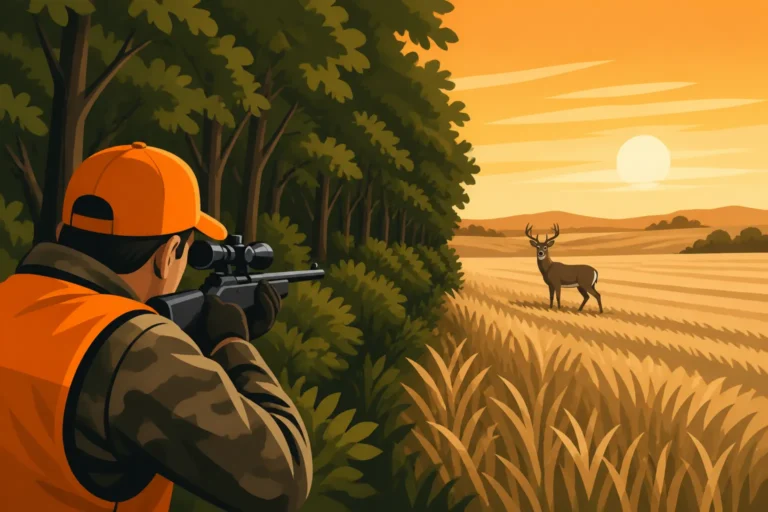
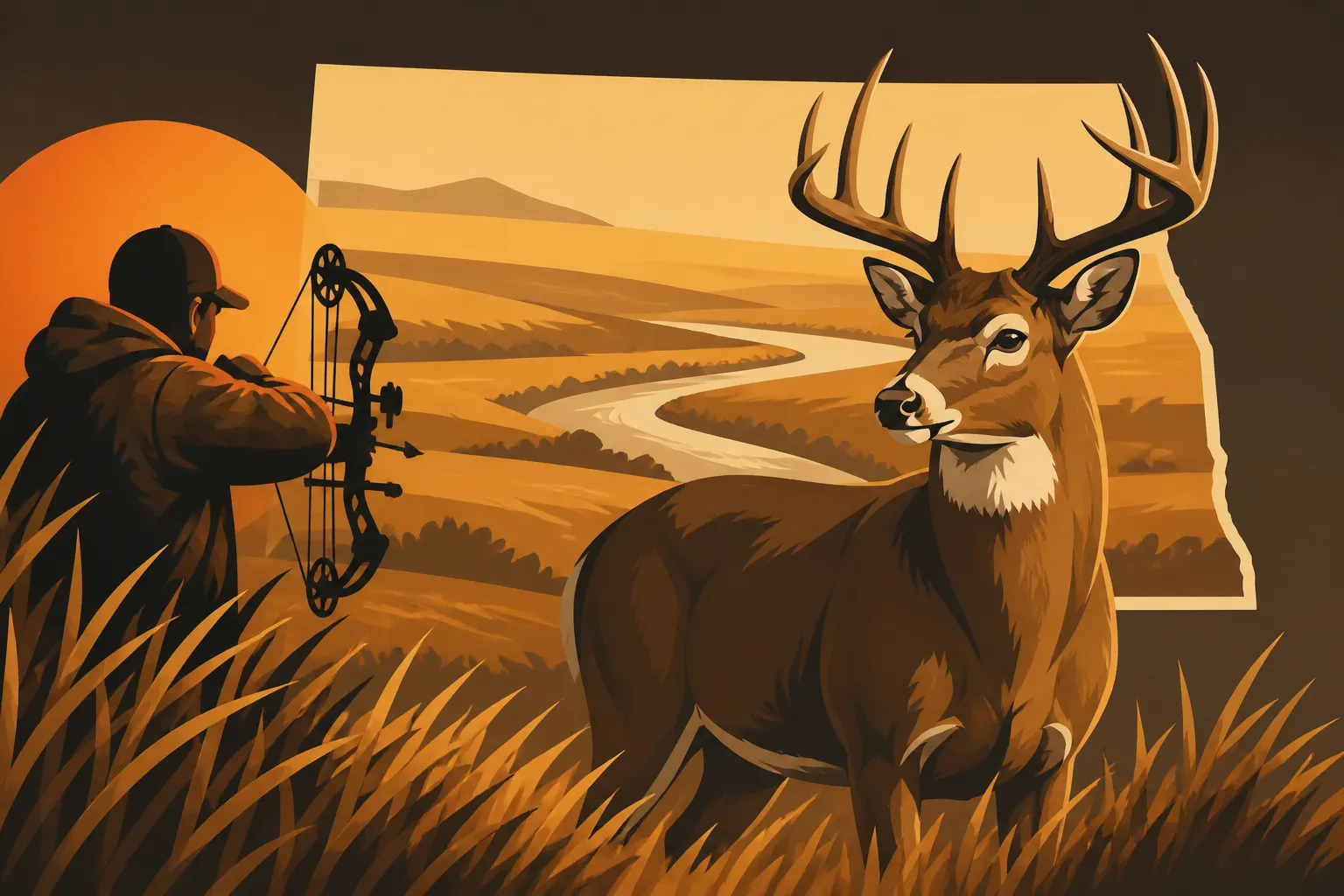
The early-to-mid November period in North Dakota is often seen as the holy grail for deer hunters, a time when the bucks are really on the move, but it can also be incredibly frustrating trying to predict their unpredictable behavior. Bucks suddenly appear where they shouldn't be and disappear from known hotspots just as quickly. This guide is all about demystifying the peak rut in North Dakota, equipping you with the knowledge and tactics to capitalize on this exciting, yet challenging, window of opportunity.
Understanding the North Dakota Rut in Early-to-Mid November
The North Dakota rut is an annual spectacle, and early-to-mid November is typically when things really kick into high gear. This isn't just a switch that flips; it's a progression, and understanding where the deer are in that cycle is paramount to your success. We're talking about a period of intense activity, but it’s often misunderstood by hunters who expect consistent, all-day movement.
What Defines Early-to-Mid November Rut in ND
During this crucial time, bucks are no longer just looking for the first available doe; they're actively seeking out and often tending to does that are coming into estrus. The frantic "chase phase" that might have been dominant in late October often gives way to a more focused, but still highly mobile, "breeding phase." You'll see bucks cruising constantly, sometimes covering vast distances in search of a receptive doe. If they find one, they might "lock down" with her for 24-48 hours, staying with her in a secluded spot, which can make them seem to vanish from the landscape. Once she's bred, they're off again, resuming their search. This is the period when many of the big, mature bucks become most vulnerable, as their guard is significantly lowered due to the intense hormonal drive. Knowing When the North Dakota Rut Peaks is key to timing your hunts effectively.
Key Behavioral Changes to Look For
The woods and prairies practically buzz with activity during this time. Scrapes, which might have appeared sporadically a few weeks prior, are now being frantically worked over, often multiple times a day. You'll find fresh rubs on saplings and larger trees, sometimes even clusters of them in a small area, indicating a buck has been venting frustration or marking his territory. But the most telling sign is the "cruise and chase." You'll see bucks moving with a purpose, head down, scent-checking every trail and thicket. They might be chasing does, or simply following a hot scent trail. If you observe a buck alone, moving with his nose to the ground, he's very likely on the hunt for a receptive doe. Listen for the crashing of antlers as bucks spar, or the grunts and bleats that indicate communication between deer.
Factors Influencing Rut Intensity
While the biological clock is the primary driver of the rut, external factors play a huge role in when and how intensely you observe deer movement. Cold fronts are absolute game-changers in North Dakota. A sudden drop in temperature, especially after a mild spell, can ignite deer movement, making them incredibly active during daylight hours. A fresh blanket of snow, while making tracking easier, also seems to put deer on edge and often gets them moving before, during, or right after the snowfall. The moon phase is often debated, but many seasoned hunters notice increased daytime activity around the new moon or full moon cycles, though consistent cold weather often trumps lunar influence. Finally, a healthy buck-to-doe ratio, which North Dakota generally maintains, ensures competitive breeding behavior, keeping bucks searching and fighting for access to does, increasing their visibility.
Strategic Locating for Rutting Whitetails
During the rut, deer aren't just meandering; they're moving with a purpose. Your success hinges on understanding their purpose and positioning yourself where those two purposes intersect. Forget about chasing deer; think about intercepting them. This requires careful consideration of terrain, historical movement, and fresh sign.
Focusing on Travel Corridors
Think of these as the highways and backroads of the deer world. During the rut, bucks utilize these corridors even more intensely. In North Dakota, these are often natural pinch points created by terrain features, like the narrow strips of timber along creek bottoms or the winding drainages that cut through larger fields. Shelterbelts, those lines of trees planted by farmers, act as superhighways, providing cover and travel routes across otherwise open land. Similarly, fencerows with even sparse brush can be surprisingly productive, especially if they connect two different cover types or food sources. By identifying these choke points, you can drastically increase your odds. For example, Reading a Missouri River Bottom for Deer can reveal hidden corridors that become high traffic during the rut.
Hunting Preferred Doe Bedding and Feeding Areas
You can’t find the bucks without finding the does. During the rut, bucks are constantly checking doe bedding areas and the trails leading to and from them. In early-to-mid November, does are still hitting consistent food sources, whether it's standing corn, a winter wheat field, or even residual alfalfa. Bucks know this, and they will cruise the edges of these food plots, scent-checking for does. They’ll also check known bedding thickets throughout the day. Set up downwind of these areas, or on a travel route that connects a doe bedding area to a food source. This strategy puts you squarely in the path of a cruising buck looking for love. Consider Hunting a Standing Corn Field for Deer as a prime example of where does (and therefore bucks) will concentrate.
Interpreting Fresh Sign on the Ground
Forget about old, dried-up scrapes from two weeks ago. During the rut, you need to be hunting fresh sign. A hot scrape will often be freshly pawed, wet, and have a strong musky scent from the overhead licking branch. The ground around it will be disturbed, and you might even see fresh deer tracks leading in and out. Fresh rubs will be bright, with wood shavings still clinging to the bark. The higher the rub on the tree, and the larger the tree, the bigger the buck that made it. Keep an eye out for fresh tracks, especially larger ones, indicating a mature buck. Use tools like the GoHunt app to mark these fresh sign areas, building a pattern of movement in real-time. This helps you understand where deer are actively concentrating their rut-related activities. Look for Scrape Lines Along a Section Line Trail as these often indicate a buck's regular patrol route.
Effective Hunting Tactics During the Rut
The rut calls for aggressive, adaptable tactics. Sitting in the same old stand every day might work during other seasons, but during the rut, you need to be where the action is, which often means being mobile or employing calling and decoying techniques to bring the action to you.
Stand Placement and Blind Selection
When bucks are moving constantly, visibility is paramount. Elevated stands, whether treestands or tower blinds, offer a wider field of view, allowing you to spot cruising bucks from a distance and anticipate their approach. Place your stand overlooking those identified travel corridors, pinch points, or the downwind side of doe bedding areas. For ground blinds, especially if you're hunting in open country or areas without suitable trees, concealment is key. Brush them in meticulously. Remember that bucks are often distracted during the rut, but their noses are still working overtime. Always consider wind direction when choosing your setup, especially when hunting a specific feature like Hunting a Shelterbelt Edge for Deer.
Calling and Decoying Strategies
This is where the rut really shines for hunters. Calling can be incredibly effective. Grunt calls mimicking a buck trailing a doe can pique a cruising buck's curiosity. A snort wheeze can challenge a dominant buck and bring him right in, especially if he thinks another buck is encroaching on his territory. Rattling antlers, especially aggressive sequences, can simulate a fight between two bucks, drawing in other bucks eager to see what's happening or to challenge the victors. Rattling Volume on the Open Prairie can be adjusted to carry across vast distances. Decoys, both doe and buck, can be powerful visual attractants. A single doe decoy can draw in a cruising buck, while a buck decoy (especially a smaller one combined with rattling) can infuriate a dominant buck into a confrontation. Always set up your decoy to be visible from downwind, giving the approaching deer a chance to see it before winding your position.
Still-Hunting and Spot-and-Stalk in Prime Areas
Sometimes, the best approach is to become the hunter. Still-hunting, moving slowly and deliberately through prime rutting habitat, can be incredibly productive. Focus on areas of dense cover where does might be bedded or where bucks might be tending does. Take a few steps, stop, and glass thoroughly. Look for horizontal lines (a deer's back) in a vertical world. This works well in areas like the edges of brushy creek bottoms or willow thickets. In the more open landscapes of western North Dakota, spot-and-stalk tactics can pay dividends, especially in the Badlands. Utilize topographical maps (like those found on GoHunt) to identify coulees and draws that offer cover for stalking. Once you spot a buck, carefully plan your approach, using the terrain and wind to your advantage. Hunting a Coulee Rim at Last Light is a classic example where still-hunting or spot-and-stalk can yield results.
Weather Considerations and Adaptations
North Dakota weather in early-to-mid November is notoriously unpredictable, and it can dramatically influence deer behavior during the rut. Being prepared to adapt your strategy to Mother Nature's whims is crucial.
Impact of Cold Fronts and Snow
As mentioned, cold fronts are a deer hunter's best friend during the rut. A sharp drop in temperature, especially if it follows a warm spell, can kick deer activity into overdrive. They'll move more during daylight hours, needing to feed to maintain energy for breeding activity, and the cooler air helps bucks better follow scent trails. A fresh snow can also be a huge boon. It silences the woods, making it easier to move quietly, and it makes fresh tracks incredibly easy to spot. Deer often move heavily just before a snowstorm, seeking cover, and then again shortly after it passes, taking advantage of the quiet conditions and resuming their search for food and mates.
Wind and Thermal Dynamics
Wind is always a factor, but during the rut, with bucks moving more erratically, understanding and playing the wind is even more critical. In North Dakota's open country or river bottoms, wind can swirl, making consistent scent control a challenge. Always approach your stand or blind from a direction that keeps the wind in your favor, carrying your scent away from where you expect deer to approach. In broken terrain, like the Badlands or areas with rolling hills, thermals also come into play. In the mornings, thermals generally rise, carrying your scent uphill. In the evenings, they fall, carrying your scent downhill. Combine this with the prevailing wind direction to choose stand locations that minimize your scent cone. GoHunt's mapping tools often include wind and thermal overlays, helping you visualize these critical dynamics.
Hunting After a Cold Snap
While cold snaps often lead to increased activity, sustained periods of extreme cold can temporarily slow things down. However, deer are incredibly resilient. After a prolonged cold snap, their drive to find food and breed will kick back in. You might find them concentrating more on prime Late-Season Food Sources for North Dakota Whitetails to replenish their energy. Movement might shift to mid-day, when temperatures are slightly warmer. During these bitter cold periods, bucks might become more nocturnal, conserving energy during the coldest parts of the day. Your best bet is to focus on mornings and evenings, pushing deeper into cover and staying longer on stand, knowing that deer still need to move. Be patient, dress warmly, and remain vigilant, because that big buck could still be just around the corner.
Rutting Behavior and Hunting Strategies
To truly master rut hunting in North Dakota, it helps to visualize the typical behavior patterns and align your strategies accordingly. This table provides a quick reference for what to expect and how to react during these peak weeks.
| Rut Phase (Early-Mid November) | Typical Deer Behavior | Key Hunting Strategies |
|---|---|---|
| Early Breeding Phase | Bucks actively cruising, checking doe groups. Chasing sporadic but increasing. | Hunt travel corridors and pinch points. Focus on areas connecting bedding to food. Light rattling and grunt calls. Doe decoys. |
| Peak Breeding Phase | Bucks actively seeking and tending estrous does. Lock-downs occur. Intense fighting. | Aggressive rattling and snort wheezes. Buck and doe decoys. Hunt all day near doe bedding/feeding. Still-hunt thick cover where bucks may be locked down. |
| Post-Peak Cruising | Some bucks still seeking unbred does. Younger bucks more active. | Hunt remaining hot does/food sources. Use more subtle calling. Focus on high-traffic areas as bucks search for remaining opportunities. Hunting the Rut in Early-to-Mid November might still offer chances. |
Remember, these are general guidelines. Every day is different, and the deer will always surprise you. But by understanding the general rhythm of the rut, you can increase your odds significantly.
Final Thoughts on the North Dakota Rut
Hunting the rut in North Dakota in early-to-mid November is an experience unlike any other. It's a period of high stakes, high reward, and often, high frustration. Bucks become obsessed, throwing caution to the wind in their pursuit of does. Your job as a hunter is to understand this obsession and exploit it ethically and strategically. By focusing on key travel corridors, understanding weather impacts, and employing active calling and decoying tactics, you're putting yourself in the best possible position. Remember to always use scouting tools, like the detailed maps and data offered by GoHunt, to stay ahead of deer movement. The more prepared you are, the more likely you are to punch your tag during this incredible time of year.
Disclaimer
Hunting is an inherently dangerous activity. Always prioritize safety, adhere to all local, state, and federal hunting regulations, and respect private property. The information provided in this guide is for educational and informational purposes only and should not replace professional guidance or official regulations. Always check the current North Dakota Game and Fish Department regulations before heading afield.