Taking North Dakota Hunter Education Online
You're finally ready to take the plunge into hunting here in North Dakota, but that hunter education requirement looms large. For many, the idea of spending long hours in a classroom simply isn't feasible with work, family, and life's endless demands. It feels like just another hurdle keeping you from enjoying the great outdoors. This guide is here to cut through the confusion and show you exactly how to tackle your North Dakota hunter education online, making the process as smooth and stress-free as possible.
Why Online Hunter Education is a Game Changer
Let's be real, carving out multiple evenings or a full weekend for a traditional in-person hunter education course can feel like pulling teeth. Between soccer practice, overtime at work, or just trying to squeeze in some downtime, scheduling anything extra feels like a monumental task. That's where online hunter education truly shines, offering a flexibility that traditional classes simply can't match.
Benefits of Online Learning for Hunters
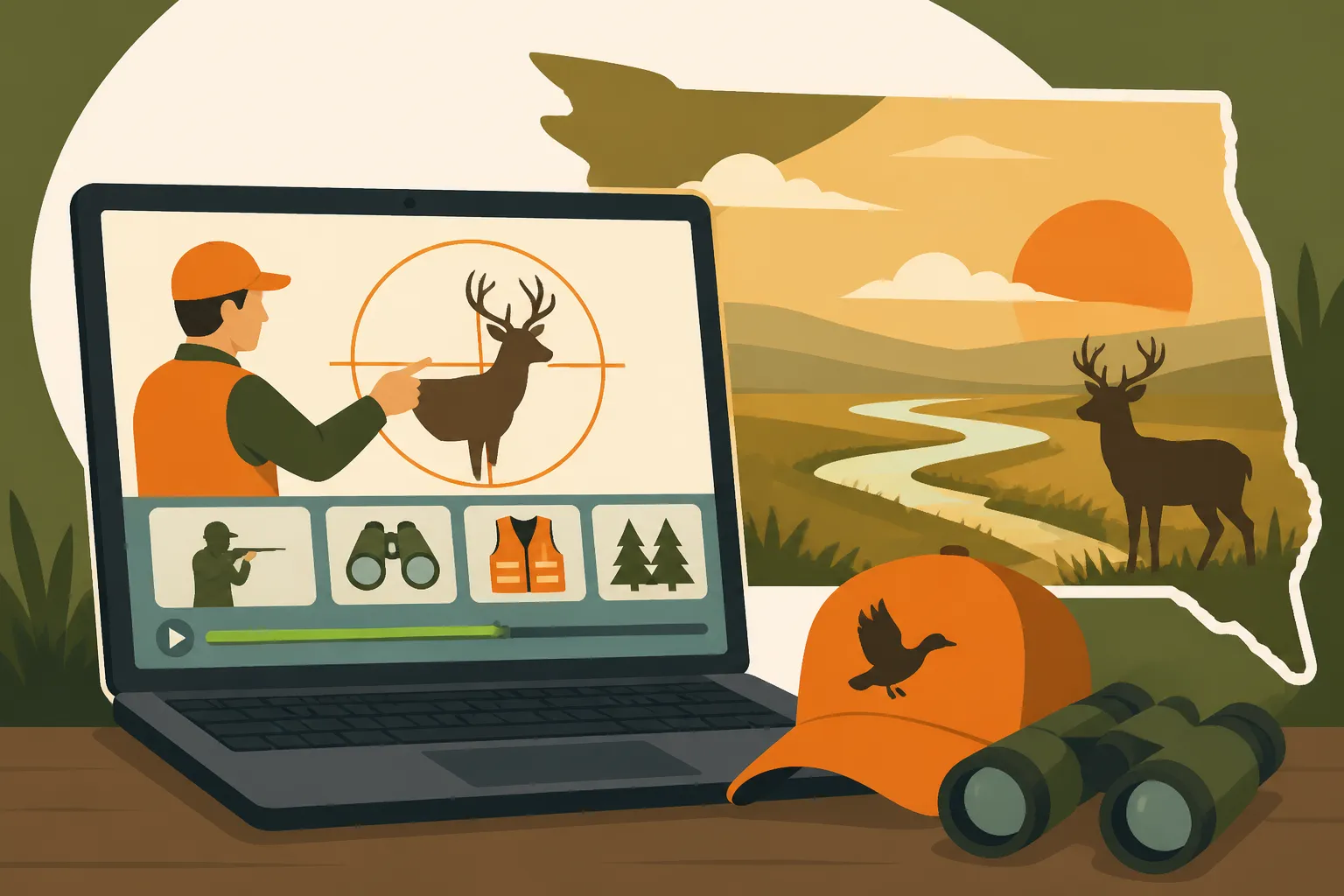
The primary appeal of taking your hunter education online is the sheer convenience. You can complete the coursework from the comfort of your own home, at your own pace. Got an hour free after the kids are in bed? Perfect. Can you dedicate a few hours on a rainy Saturday morning? Even better. This asynchronous learning model means you dictate the schedule, fitting it around your life, not the other way around. This flexibility is particularly invaluable for busy adults, or even younger hunters whose school schedules might conflict with traditional class times. Imagine being able to pause a lesson to go cook dinner, then pick right back up where you left off. It's truly a game-changer for those who felt like a traditional course was an insurmountable obstacle. Plus, for many, the self-paced nature allows for better retention. You can re-read sections, re-watch videos, and truly understand the material before moving on, rather than feeling rushed in a classroom setting.
Dispelling Myths About Online Hunter Education
Some folks might worry that an online course isn't as thorough or recognized as an in-person one. Let me assure you, that's simply not true when it comes to approved North Dakota courses. The North Dakota Game and Fish Department (NDGFD) rigorously approves these online providers, ensuring they cover all the essential material: firearm safety, ethical hunting practices, wildlife identification, basic survival skills, first aid, and conservation principles. You're getting the same high-quality education, just delivered in a different format. In fact, many online courses incorporate interactive quizzes, videos, and simulations that can sometimes make the learning experience even more engaging than a static textbook and lecture. The certification you receive upon successful completion is just as valid as one from a traditional classroom. So, put those worries aside – you're getting a legitimate and comprehensive education that prepares you for the field.
Navigating the North Dakota Game and Fish Department Requirements
Before you dive headfirst into an online course, it's crucial to understand who actually needs hunter education in North Dakota and what specific steps are involved, especially the field day component. It can be a little confusing trying to figure out if you're exempt or if you absolutely have to sit through a class.
Who Needs Hunter Education in North Dakota
Generally speaking, anyone born after December 31, 1961, needs to complete a hunter education course to purchase a North Dakota hunting license. This applies whether you're a resident or a nonresident looking to hunt big game or small game. There are some exceptions, though. For instance, individuals 12 years of age or older who wish to try hunting before completing the course can participate in the state's North Dakota Apprentice Hunter License Rules program. This allows them to hunt under the direct supervision of a licensed adult hunter who is at least 18 years old and has already completed hunter education. It's a fantastic way for newcomers to experience hunting firsthand before committing to the full course. However, to hunt independently, or if you're simply past that trial period, the hunter education certification is a must. Knowing Who Needs North Dakota Hunter Education is your first critical step.
Age Requirements and Exemptions
While there's no minimum age to take the online course itself, North Dakota law states that hunters must be at least 12 years old to obtain a hunter education certificate and legally hunt unsupervised. This means if you're 10 or 11, you can start the course, but you won't be issued the official certificate until your 12th birthday. This is important for parents planning ahead for their young hunters. On the flip side, if you were born before January 1, 1962, you are generally exempt from the hunter education requirement. You're considered "grandfathered in" based on the assumption that you likely grew up hunting before such requirements were widespread. Additionally, certain active military personnel may have specific exemptions, but it's always best to check directly with the NDGFD to confirm any special circumstances. For most people, though, if you're under 62 and want to hunt, the course is in your future. Understanding the Minimum Age for Unsupervised North Dakota Hunting is key for young aspiring hunters.
Understanding the Field Day Component
Here's where many people get tripped up with online hunter education in North Dakota: the online course is only half the battle. The NDGFD mandates a practical "Field Day" component for all hunter education certifications, even if you complete the academic portion online. This isn't just a formality; it's a crucial hands-on experience designed to reinforce critical safety skills that simply can't be taught effectively through a screen. During a Field Day, you'll learn things like:
- Safe gun handling: Loading, unloading, carrying, and storage techniques.
- Tree stand safety: Proper setup, use of fall restraints, and common hazards.
- Live-fire exercises: Often involving shooting .22 rifles or shotguns in a controlled environment, proving your ability to handle a firearm safely.
- Basic compass and map reading: Essential for navigating the diverse landscapes of North Dakota.
- Blood trailing and game recovery: Practical exercises that are vital for ethical hunting.
You must complete the online course before you can register for a Field Day. Think of the online portion as your classroom theory, and the Field Day as your lab practical. These Field Days are typically held at various locations across the state, often at local gun clubs, wildlife management areas, or community centers. They are scheduled on specific dates, usually throughout the spring, summer, and early fall, and spots can fill up quickly. It's absolutely essential to plan ahead for this. Don't finish your online course in October hoping for a Field Day before deer season starts – you might be out of luck! You can find available Field Day schedules on the North Dakota Game and Fish Department website.
Step-by-Step Guide to Taking the Online Course
Alright, now that you know the 'why' and the general rules, let's get into the 'how.' Taking the online course is straightforward, but picking the right provider and knowing what to expect can make all the difference. You want an experience that's engaging, informative, and seamlessly integrated with North Dakota's requirements.
Choosing an Approved Course Provider
The North Dakota Game and Fish Department partners with a few approved online providers. It's critical that you choose one that is officially sanctioned by the state, otherwise, your efforts won't count! Popular and reputable options often include providers like Kalkomey's Hunter-Ed.com or the offerings from GoHunt. These platforms are designed to be user-friendly, offering a blend of text, images, videos, and interactive quizzes to keep you engaged. When you're looking, make sure the course explicitly states it's approved for North Dakota. Don't just pick any generic hunter education course you find online; it must be NDGFD-approved to be valid.
Here's a quick comparison of what you might expect from common providers:
| Feature | Hunter-Ed.com (Kalkomey) | GoHunt Hunter Education |
|---|---|---|
| NDGFD Approval | Yes | Yes |
| Format | Text, video, animations, interactive quizzes | Video-centric, gamified elements, simulations |
| Cost (approx.) | $29-$39 (course only) | $29-$39 (course only) |
| Field Day Integration | Links to NDGFD Field Day schedules | Links to NDGFD Field Day schedules |
| Mobile Friendly | Yes | Yes |
| Time Commitment | Self-paced, typically 4-6 hours of material | Self-paced, typically 4-6 hours of material |
When you land on a provider's site, like the GoHunt hunter education platform, you'll typically select "North Dakota" as your state, and they'll guide you through the specific requirements. They've done a great job streamlining the process to ensure you're getting the correct information.
Course Content and Structure
Once you've chosen your provider, you'll embark on the actual coursework. While the specific layout might vary slightly between providers, the core content remains consistent, covering everything you need to know to be a safe, ethical, and responsible hunter. You can expect modules on:
- Firearm Safety: This is paramount. You'll learn about the four primary rules of firearm safety, safe zones of fire, proper storage, transportation, and how to identify and prevent common hunting accidents. This section is incredibly detailed and forms the backbone of the entire course.
- Hunting Ethics and Responsibility: Beyond the law, this covers the unwritten rules of the woods. Respect for wildlife, landowners, and other hunters is a big focus. You'll delve into fair chase principles, proper shot placement, and minimizing suffering.
- Wildlife Identification and Biology: Learning to identify common game species in North Dakota, understanding their habits, habitats, and basic biology. This is crucial for making informed decisions in the field and following regulations.
- Hunting Laws and Regulations: A deep dive into North Dakota's specific hunting laws, including license requirements, bag limits, season dates, legal weapons for deer hunting, and restrictions on public lands. This can be one of the most complex parts, so pay close attention.
- Survival Skills and First Aid: Preparing for the unexpected is vital. This section covers basic survival kits, navigation, emergency signals, and how to handle common injuries or situations you might encounter in the field.
- Conservation and Wildlife Management: Understanding the role of hunters in conservation funding and how wildlife populations are managed sustainably here in North Dakota. This often gives a great sense of pride in being a hunter.
Each module will typically end with a short quiz to test your understanding. You usually need to pass these quizzes to move on to the next section. At the very end, there will be a comprehensive final exam that you must pass to successfully complete the online portion of the course. Don't sweat it too much – if you've paid attention, you'll do just fine!
Tips for Success in Your Online Course
Approaching an online course requires a bit of discipline, especially when it's self-paced. Here are a few tips to ensure you get the most out of it and pass with flying colors:
- Set a Schedule: Even though it's flexible, try to set aside dedicated time each week to work on the course. Treating it like an actual class will help you stay on track. Whether it's an hour every other night or a bigger chunk on weekends, consistency is key.
- Eliminate Distractions: Turn off social media, silence your phone, and find a quiet space where you can focus. These courses are packed with important safety information, so you want to give them your full attention.
- Take Notes: Even though it's online, jotting down key points can help with retention. This is especially true for regulations and safety procedures. You might be surprised how much better you remember things when you write them down.
- Don't Rush: It's not a race. Take your time to understand the material, especially the sections on firearm safety and ethics. This isn't just about passing a test; it's about becoming a safe and responsible hunter for life.
- Utilize All Resources: If the course offers videos, animations, or external links, take advantage of them. They are there to enhance your learning experience. For example, some courses might link to specific NDGFD resources or videos demonstrating proper field dressing.
- Review Before the Final: Once you've completed all the modules, take some time to review everything before attempting the final exam. Most platforms will allow you to go back and revisit any section you need to.
By following these tips, you'll not only complete the course efficiently but also build a solid foundation of knowledge for your future hunting adventures in North Dakota.
What Happens After You Finish the Course
So, you've aced the online portion and are feeling pretty good. What's next? Your journey isn't quite over. The path to becoming a fully certified North Dakota hunter involves that crucial Field Day and then, finally, getting your hands on that hunting license.
The Essential Field Day Experience
After you've passed your online exam, the very next thing you need to do is register for a Field Day. As mentioned, these can fill up quickly, especially closer to hunting seasons, so don't delay! You'll typically register through the NDGFD website, and they'll confirm your eligibility based on your online course completion.
What can you expect at a Field Day? It’s generally an immersive, half-day to full-day session, led by certified volunteer instructors. These instructors are often seasoned hunters themselves, eager to share their knowledge and passion. You'll likely rotate through various stations, putting theory into practice. This might include:
- Shooting Range Time: This is where you'll demonstrate safe gun handling, loading, shooting, and unloading. You'll learn to handle different types of firearms safely, often starting with .22 caliber rifles or shotguns. It's a great opportunity to get comfortable with firearms under expert supervision.
- Outdoor Scenarios: Instructors often set up mock hunting scenarios to practice ethical shot placement, safe zones of fire, and how to safely navigate with a firearm in varied terrain, which is particularly relevant for the diverse landscapes you'll find when Hunting North Dakota's Missouri River Corridor or out in the wide-open prairie.
- Survival and First Aid Drills: You might practice building a small survival shelter, learn how to signal for help, or go over basic first aid for common hunting injuries.
- Map and Compass Navigation: A critical skill, especially if you plan on Scouting PLOTS Land Before Season or venturing into remote areas.
- Treestand Safety Demonstrations: If you plan on using treestands, this station is invaluable. You'll learn proper installation, maintenance, and, most importantly, the correct use of a full-body harness.
It’s an invaluable experience that ties everything together. Don't be afraid to ask questions; these instructors are there to help you become a confident and safe hunter. Make sure you bring appropriate clothing for the weather, as much of the day will be outdoors, and often a sack lunch and water. You'll also likely need to bring eye and ear protection for the shooting portion.
Receiving Your Hunter Education Certification
Once you've successfully completed the Field Day, the instructor will typically submit your information to the North Dakota Game and Fish Department. You'll then receive your official Hunter Education Certificate. This might come in the mail as a physical card, or you might be able to access a digital version through the NDGFD's online portal or even an app like GoHunt which often integrates with state game and fish departments for license management. It's always a good idea to keep a copy of this certificate handy, either digitally on your phone or physically in your wallet, as proof of completion. This certificate is your golden ticket to buying a license.
Using Your Certification to Buy a License
With your hunter education certification in hand, you're now eligible to purchase a North Dakota hunting license! This is the moment you've been working towards. Whether you're looking for North Dakota Resident License Options or you're an out-of-state hunter planning a trip and need North Dakota Nonresident License Options, your certificate makes it possible. You can typically purchase licenses online through the Buying a License Through North Dakota's Online Portal on the NDGFD website, at authorized vendors (like sporting goods stores or bait shops), or sometimes even by mail.
When you purchase your first license, you'll simply enter your hunter education certificate number, and the system will verify your completion. Keep in mind that depending on the species you want to hunt, you might also need additional tags or stamps, such as the Federal Duck Stamp for waterfowl hunting. Don't forget to check specific regulations for the season you're planning to hunt, including things like How Much Blaze Orange North Dakota Requires and which North Dakota Legal Firearms for Deer Hunting are permitted. Congratulations, you're officially ready to join the ranks of North Dakota's hunters, equipped with the knowledge to do so safely and ethically!
Disclaimer
The information provided in this guide is for general informational purposes only and does not constitute legal advice. Hunting regulations, license requirements, and hunter education rules can change. Always consult the official North Dakota Game and Fish Department website or contact them directly for the most current and accurate information before participating in any hunting activities.