What Counts as a Once-in-a-Lifetime Species
It can be incredibly confusing to navigate North Dakota's hunting regulations, especially when you start hearing terms like "once-in-a-lifetime species." For many hunters, the dream of pursuing an animal like a moose, elk, or bighorn sheep in the Peace Garden State is real, but understanding the unique rules and the intense competition for these coveted tags can feel like deciphering a secret code. This guide is here to unravel that mystery, clearly defining what North Dakota considers a "once-in-a-lifetime" species and what that truly means for your hunting aspirations.
Understanding North Dakota's Special Drawing System
North Dakota is a land of incredible wildlife, offering hunters a diverse array of opportunities from pheasants and waterfowl to various big game. However, some species are so rare, or their populations require such precise management, that the state implements an incredibly strict drawing system. This isn't just about limiting tags; it's about preserving these magnificent animals for future generations while offering a unique, often once-in-a-lifetime, chance for a fortunate few to hunt them.
The Rarity of Certain Big Game Tags
Imagine spending years, even decades, dreaming of a hunt, poring over maps, practicing your calls, and then finally drawing that elusive tag. That's the reality for North Dakota's most exclusive big game species. The populations of these animals are carefully managed, often because they exist in very specific, limited habitats or because their numbers are still recovering from historical lows. This careful stewardship means that the number of available tags each year is incredibly small, sometimes in the single or double digits for an entire state. The North Dakota Game and Fish Department prioritizes the health of these herds above all else, which makes drawing one of these tags an exceptional achievement and a testament to their conservation efforts.
Which Species Fall Under This Designation
When we talk about "once-in-a-lifetime" species in North Dakota, we're primarily referring to elk, moose, and bighorn sheep. These three magnificent animals are under such tight management that if you are fortunate enough to draw and harvest a tag for any one of them, you are generally prohibited from applying for that specific species again in North Dakota. This rule ensures that a broader base of resident hunters gets a chance at these incredibly rare opportunities over time. It’s a way to spread the wealth, so to speak, of these extraordinary hunts. While other big game, like deer, have annual lottery drawings, they don't carry the "once-in-a-lifetime" restriction after a successful harvest, meaning you can apply and potentially draw a deer tag year after year.
Applying for a Once-in-a-Lifetime Tag in North Dakota
The application process for these special tags is different from your typical deer or antelope draw, mainly due to the immense competition and the strict once-in-a-lifetime rule. It requires careful planning, a deep understanding of the system, and a healthy dose of patience.
Eligibility and Application Process
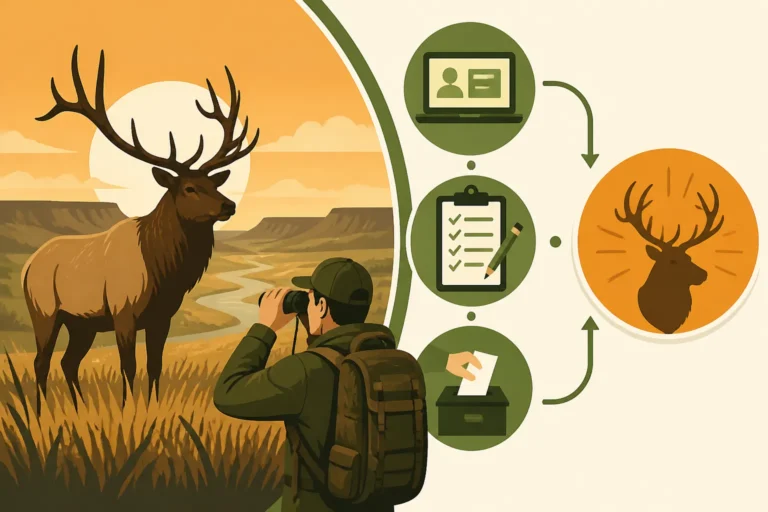
First and foremost, it's crucial to understand that elk, moose, and bighorn sheep tags in North Dakota are almost exclusively reserved for residents. This is a critical point for many hopeful hunters. You won't find nonresident opportunities for these species through the state's lottery system. This policy aims to ensure that local hunters, who often contribute directly to conservation through their licenses and taxes, have the priority for these extremely limited resources. For those who meet the residency requirements, the application process typically involves an online lottery system through the North Dakota Game and Fish Department. You’ll need to apply within specific windows, often in the spring, and miss that deadline, and you're out for the year. The North Dakota Elk Application Deadline, North Dakota Moose Application Deadline, and North Dakota Bighorn Sheep Application Deadline are dates you absolutely cannot miss if you hope to participate in these draws. It's not uncommon for hunters to apply for decades before finally getting that coveted call or email. Tools like GoHunt can be invaluable for understanding past drawing odds and analyzing application strategies, helping you make informed decisions about your unit choices.
The Impact of Drawing a Tag
So, what happens if your number finally comes up? When you draw and successfully harvest a once-in-a-lifetime tag—be it for elk, moose, or bighorn sheep—you've essentially used your one shot at that particular species in North Dakota. This means you cannot apply for that same species ever again through the state's lottery. For example, if you draw a moose tag and fill it, you are done with moose hunting in North Dakota's state drawing for good. This makes the hunt itself incredibly significant, often a once-in-a-lifetime adventure in the most literal sense. The pressure to make the most of that opportunity is immense, and rightly so. Hunters who draw these tags often invest heavily in scouting, gear, and sometimes even guides to ensure they are fully prepared for the challenge. This commitment is part of what makes these hunts so special and memorable.
Why These Tags Are So Coveted
Beyond the rarity, there’s a deep allure to these once-in-a-lifetime hunts. It’s not just about harvesting an animal; it’s about the profound experience of pursuing an iconic big game species in some of North Dakota’s most wild and beautiful landscapes.
The Unique Hunting Experience
Imagine heading into the rugged, broken terrain of the Badlands, bugling for an elk as the sun rises over painted canyons. Or perhaps quietly navigating dense river bottom willows, searching for a massive Shiras moose. Maybe it’s a grueling, high-country stalk for a bighorn sheep on the sheer cliffs of the Little Missouri National Grassland. These aren't just hunts; they are adventures that test your skills, endurance, and spirit. The challenge of locating and pursuing these animals in their natural habitats—be it Elk in North Dakota's Little Missouri Badlands, Moose and Bighorn Sheep in North Dakota, or Pronghorn Antelope in Western North Dakota (though pronghorn are not technically once-in-a-lifetime for residents, they are highly sought after and often misunderstood)—is what truly sets them apart. Each species offers a distinct pursuit, demanding different tactics, from silent tracking to glassing vast expanses. The stories forged on these hunts become legends passed down through generations.
Conservation and Management Goals
The "once-in-a-lifetime" designation isn't just a hurdle for hunters; it's a vital component of North Dakota's conservation strategy. The Game and Fish Department uses these highly controlled draws to manage specific populations for long-term health and sustainability. By issuing a very limited number of tags, they can carefully control harvest levels, monitor herd dynamics, and ensure that these species continue to thrive in their native ranges. This approach protects vulnerable populations from overhunting and allows for meticulous data collection, which informs future management decisions. It’s a commitment to preserving these majestic animals, ensuring that North Dakota's wildlife heritage remains rich and vibrant for future generations to appreciate, even if only a few get to experience the hunt of a lifetime. The system reflects a deep respect for the animals and the ecosystems they inhabit, ensuring that their presence enriches the state for decades to come.
Maximizing Your Chances and Your Hunt (Even If You Don't Draw)
For many, drawing a once-in-a-lifetime tag feels like hitting the lottery, and in many ways, it is. But there are strategies to consider, and even if you don't draw, North Dakota offers a wealth of other fantastic hunting opportunities.
Strategies for Application Success
When it comes to drawing a once-in-a-lifetime tag, consistency is your best friend. While North Dakota doesn't have a traditional preference point system where points guarantee a tag after a certain number of years, it does offer bonus points for unsuccessful applicants in the elk, moose, and bighorn sheep drawings. Each year you apply and are unsuccessful, you accrue another bonus point, which increases your odds slightly in future draws. It's a long game, but persistence pays off. It’s smart to thoroughly research past drawing odds for different units. Resources like GoHunt can provide historical data and insights, helping you understand which units might have slightly better (though still incredibly long) odds based on applicant numbers and tag allocations. Don't just pick a unit at random; study the harvest reports and population trends. Remember, though, that even with perfect strategy, luck plays a massive role in these draws.
Alternative Big Game Opportunities
If the odds of drawing a once-in-a-lifetime tag feel too daunting, or if you've been applying for years without success, don't despair! North Dakota still offers incredible big game hunting experiences that are much more accessible. The state's North Dakota's Lottery-Based Deer Gun Season is a prime example, offering thousands of tags annually for both White-Tailed Deer Across North Dakota and Mule Deer in North Dakota's Badlands. While these also require drawing a tag, the odds are significantly better, especially for antlerless licenses. For those who prefer a longer season and more flexibility, Bowhunting North Dakota's Long Archery Season provides ample opportunities to chase deer across diverse landscapes, often with over-the-counter tags for residents and specific access rules for nonresidents. These hunts are challenging and rewarding in their own right, providing unforgettable experiences without the decades-long wait for a special tag. There's also the option for archery pronghorn tags, which are more accessible than the lottery-based gun tags for that species.
| Species | Once-in-a-Lifetime Designation | Typical Habitat in North Dakota | Primary Application Window | Residency Requirement |
|---|---|---|---|---|
| Elk | Yes | Badlands, Pembina Hills | Spring (April-May) | Resident Only |
| Moose | Yes | River Bottoms, Turtle Mountains | Spring (April-May) | Resident Only |
| Bighorn Sheep | Yes | Badlands (rugged breaks) | Spring (April-May) | Resident Only |
| White-tailed Deer | No | Statewide (shelterbelts, river bottoms) | Spring (May-June) | Resident & Nonresident |
| Mule Deer | No | Badlands, Western Prairie | Spring (May-June) | Resident & Nonresident |
| Pronghorn (Gun Tag) | No (but very limited) | Western Open Prairie | Spring (July-August) | Resident Only |
Disclaimer
Please remember that hunting regulations and season dates can change annually. It is always your responsibility to consult the most current North Dakota Game and Fish Department proclamations and regulations before planning any hunting activity. This guide is for informational purposes only and should not be considered legal advice.