Booking a Guided North Dakota Pheasant Hunt
The vast prairie lands of North Dakota call to many a hunter, especially when the ring-necked pheasants are running. But if you’re dreaming of a legendary pheasant hunt here, you might be overwhelmed by where to start, how to get access to good ground, or how to maximize your precious hunting time. This guide is designed to demystify the process of booking a guided pheasant hunt in North Dakota, helping you understand the options, choose the right outfitter, and prepare for an unforgettable experience.
Why Consider a Guided Pheasant Hunt in North Dakota?
Let's face it, hunting North Dakota can be an incredible experience, but it also comes with its challenges. From scouting new land to navigating regulations, there's a lot to consider. A guided pheasant hunt often takes much of that burden off your shoulders, allowing you to focus on the thrill of the chase and the camaraderie of the hunt.
The Allure of North Dakota Pheasants
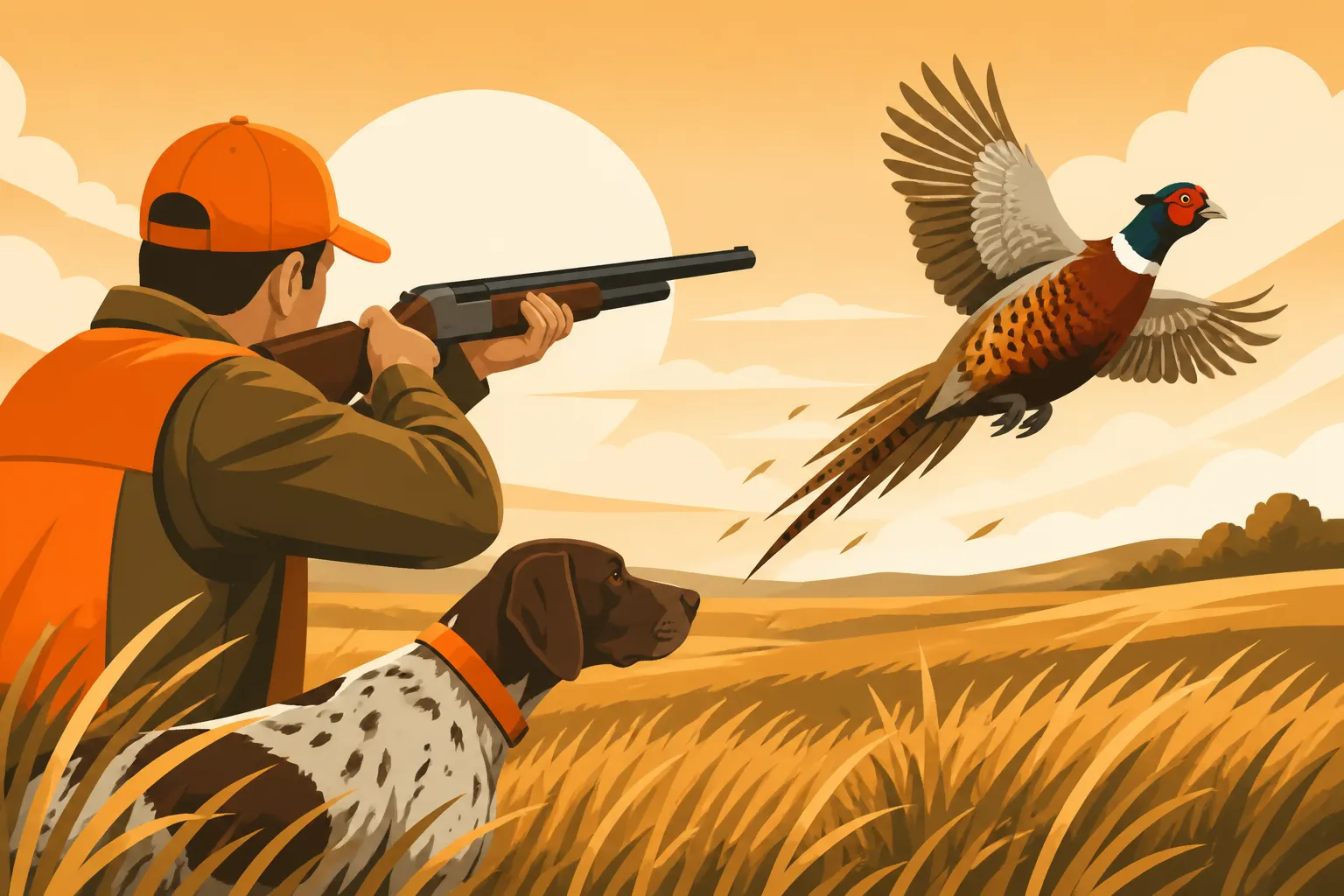
North Dakota isn't just known for its wide-open spaces; it's a pheasant hunter's paradise. The combination of agricultural lands, CRP (Conservation Reserve Program) fields, and natural cover creates an ideal habitat for these colorful birds. Many hunters dream of the explosive flush of a rooster pheasant taking flight, and North Dakota delivers this experience reliably. The sheer number of birds can be astounding, and the landscapes themselves are breathtaking. It's a place where hunting traditions run deep, and every outing feels like a classic prairie adventure. For many, it's not just about the harvest, but about experiencing the unique environment and the challenge of hunting wily birds in vast cover.
There's something uniquely satisfying about walking through a stubble field or a cattail slough, knowing that at any moment, a cackle and a blur of feathers could erupt from your feet. The weather can be tough, the walking can be hard, but the rewards are often worth every step. Pheasant Hunting North Dakota's Prairie delves deeper into what makes this state a prime destination. The sheer volume of habitat, from shelterbelts to standing corn, means pheasants have plenty of places to hide, making the hunt both challenging and incredibly rewarding when you find them.
Time and Effort Savings for Hunters
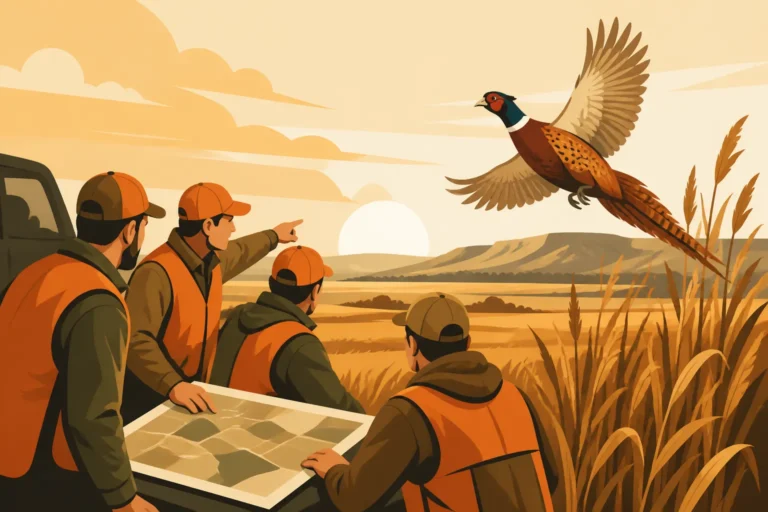
One of the biggest frustrations for out-of-state hunters, or even busy local hunters, is the sheer amount of time and effort required for a successful hunt. This includes scouting, knocking on doors for private land access, figuring out where birds are holding, and then navigating unfamiliar terrain. A guided hunt dramatically cuts down on all this pre-hunt work. The outfitter has already done the legwork: they’ve secured permission to hunt prime private land, know the current bird patterns, and often have well-trained dogs ready to work.
Imagine showing up, having breakfast ready, a guide waiting with a plan, and dogs eager to hit the field. That's the luxury a guided hunt offers. You spend less time worrying about logistics and more time enjoying the actual hunt. This is especially valuable if you have limited time off or are traveling a long distance to hunt. Instead of wasting your first day or two figuring things out, you can be in the birds right away. For a quick trip, maximizing your time in the field is paramount, and guides excel at this.
Access to Prime Private Land
North Dakota has a fantastic PLOTS (Private Land Open To Sportsmen) program, offering public access on private land. However, even with PLOTS, the best private lands, especially those consistently holding large numbers of birds, are often leased or exclusively managed by outfitters. This is where a guided hunt truly shines. Outfitters have often cultivated relationships with landowners for years, securing access to thousands of acres of prime pheasant habitat that would otherwise be inaccessible to the general public.
This means you're not competing with dozens of other hunters on public tracts that might get hammered early in the season. You're hunting well-managed land, often with higher bird densities and less pressure. The quality of the hunt experience is often significantly enhanced by having access to these exclusive areas. This private access also often means better habitat management, ensuring a healthy bird population year after year. It can be a game-changer for someone seeking a high-quality, consistent pheasant hunting experience.
Understanding What's Included in a Guided Hunt Package
When you're shelling out your hard-earned money for a guided hunt, it's crucial to know exactly what you're getting. Packages can vary widely, from basic guide services to luxurious, all-inclusive experiences. Understanding these differences will help you choose the right fit and avoid any unpleasant surprises.
Typical Inclusions: Lodging, Meals, Guides, Dogs
Most quality guided pheasant hunts in North Dakota will include a few core elements. Firstly, a professional hunting guide who knows the land and the birds. This isn't just someone to walk with you; it's someone who reads the terrain, anticipates bird flushes, and communicates effectively. Secondly, trained hunting dogs are almost always part of a pheasant hunt package. Whether they're pointers, flushers, or retrievers, good dogs are indispensable for finding and recovering birds, especially in thick North Dakota cover. Running Pointing Dogs on North Dakota Pheasant highlights the importance of good canine companions.
Beyond the actual hunting, many outfitters offer lodging, which can range from comfortable ranch houses to dedicated hunting lodges. These often become the social hub of the trip, where stories are shared and plans are made for the next day. Meals are also a common inclusion, often hearty, home-cooked fare that's perfect after a long day in the field. Some packages might even include bird cleaning and packaging services, ensuring your birds are ready for transport home. Always check the specifics, as an "all-inclusive" tag can still have nuances.
What's Usually Not Included: Licenses, Ammunition, Processing
While many things are included, there are a few key items that almost universally fall outside the package price, and it's essential to budget for them separately. Your hunting licenses and permits are always your responsibility. For non-residents, this typically involves a general game and habitat license, a small game license, and potentially a federal duck stamp if you plan to hunt waterfowl as well. Make sure you understand North Dakota Nonresident Small Game License Cost and acquire these well in advance of your trip.
Ammunition is another item you'll need to supply. Guides might have some available for purchase in a pinch, but it's best to bring your preferred loads. Many hunters favor 12 or 20-gauge shotguns with 4, 5, or 6 shot for pheasants. Additionally, while some packages include basic bird cleaning, extensive meat processing beyond that, or taxidermy services, are usually extra costs. It's wise to discuss these services with your outfitter beforehand and plan accordingly. Having cash for tips for your guide and lodge staff is also an important consideration often overlooked in initial budgeting.
The Value of an All-Inclusive Package
When you look at the price tag of an all-inclusive guided hunt, it might seem steep at first glance. However, when you break down everything that’s provided, the value often becomes clear. An all-inclusive package means you can arrive in North Dakota with your gear and license, and everything else is handled. You don't have to worry about finding restaurants, booking hotels, or even driving to new hunting locations each day. Your days are structured around hunting, eating, and relaxing.
This comprehensive approach allows you to fully immerse yourself in the hunting experience without the stress of logistics. It means more time in the field, more opportunities to chase birds, and a truly memorable vacation. For those who prioritize convenience, a seamless experience, and maximum hunting time, the all-inclusive option is often worth the investment. It's not just a hunt; it's a complete hunting vacation crafted for you.
Choosing the Right North Dakota Pheasant Outfitter
Selecting the right outfitter is arguably the most critical step in ensuring a successful and enjoyable guided pheasant hunt. The wrong choice can lead to disappointment, while a good outfitter can make your trip truly exceptional. This requires careful research and asking the right questions.
Researching Reputable Outfitters
Start your research by looking for outfitters with a solid reputation. Online reviews are a good starting point, but don't stop there. Look for testimonials on their websites, check out their social media presence, and see if they've been featured in any hunting publications. Hunting forums and communities can also be excellent resources for honest feedback from past clients. Sites like BookYourHunt can be helpful platforms to explore various options and compare what different outfitters offer. Similarly, resources from GoHunt sometimes feature vetted outfitters or offer advice on finding reliable services.
A reputable outfitter will be transparent about their services, pricing, and what to expect. They should be licensed by the state and carry appropriate insurance. Don't be shy about asking for references—a good outfitter will be happy to provide contact information for past clients who can share their experiences. Pay attention to how quickly and thoroughly they respond to your inquiries; this can be a good indicator of their professionalism and customer service.
Key Questions to Ask Before Booking
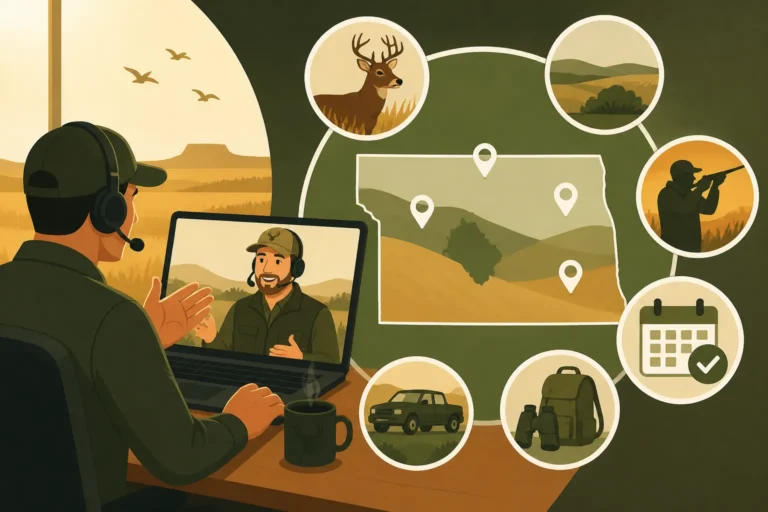
Once you've narrowed down a few potential outfitters, it's time to get on the phone and ask some critical questions. Don't rely solely on website information, as a personal conversation can reveal a lot.
Here’s a table of essential questions to guide your conversation:
| Category | Key Questions | Why It Matters |
|---|---|---|
| Hunt Logistics | What is the typical daily schedule? | Helps set expectations for field time, meal times, and relaxation. |
| How many hunters are in a group, and how many guides/dogs per group? | Impacts individual attention and hunting dynamics. | |
| What type of terrain will we be hunting (CRP, sloughs, shelterbelts)? | Helps you prepare physically and mentally. | |
| What is your success rate, and how do you define "success"? | Understand realistic expectations; "success" can mean different things. | |
| Inclusions | What exactly is included in the package price (lodging, meals, birds cleaned)? | Avoids surprises and helps compare true costs. |
| What is not included (licenses, ammo, gratuities, airport transfer)? | Crucial for budgeting and preparation. | |
| Booking & Payment | What are the deposit requirements and cancellation policies? | Protects your investment in case of unforeseen circumstances. |
| What is your policy regarding bad weather or unforeseen circumstances? | Essential for planning, especially with North Dakota's unpredictable weather. | |
| Other | Can you provide recent references from past clients? | Direct feedback from others is invaluable. |
| Do you have a meat processing or taxidermy partner you recommend? | Handy for post-hunt logistics. | |
| What gun regulations or safety protocols do you enforce? | Ensures everyone's safety and compliance with laws. |
Asking about the specific areas they hunt, and the type of cover, can give you a better idea of the experience. Some outfitters specialize in walking miles of CRP, while others focus more on flushing birds from cattail sloughs or food plots. Understanding this helps match the hunt to your preferred style and physical capabilities.
Red Flags to Watch Out For
As with any service industry, there are always some less-than-reputable operators out there. Be aware of these red flags when choosing an outfitter:
- Lack of Transparency: If an outfitter is vague about pricing, inclusions, or their hunting areas, consider that a warning sign. Everything should be clearly laid out.
- Unrealistic Promises: Be wary of any outfitter guaranteeing limits or promising "easy hunts." Hunting is never a guarantee, and ethical outfitters know this. They should speak in terms of opportunity and effort.
- No References or Poor Reviews: If they can't provide references, or if their online reviews are consistently negative (and not just isolated disgruntled comments), proceed with extreme caution.
- Demanding Full Payment Upfront: While a deposit is standard, demanding the entire hunt cost months in advance without clear cancellation policies can be a risk.
- Unlicensed Operation: Always ensure the outfitter is properly licensed to operate in North Dakota. A legitimate business will be able to provide proof of this.
Your gut feeling is also important. If something feels off during your conversations, it’s probably best to explore other options. There are plenty of fantastic, ethical outfitters in North Dakota who want to provide you with a great experience.
Navigating the Booking Process and Costs
Understanding the financial commitment and the booking timeline is critical when planning a guided pheasant hunt. Prices can vary significantly based on the duration, inclusions, and luxury level of the experience.
Understanding Deposit and Payment Schedules
Most North Dakota pheasant outfitters will require a non-refundable deposit to secure your hunting dates. This deposit typically ranges from 25% to 50% of the total hunt cost. It's vital to read the fine print regarding this deposit: Is it truly non-refundable under all circumstances, or are there provisions for rescheduling if emergencies arise? The full balance is usually due anywhere from 30 to 90 days before your hunt begins.
Always clarify the accepted payment methods. Many outfitters prefer checks or bank transfers, while some might accept credit cards, often with a processing fee. Understanding the entire payment schedule upfront will help you budget effectively and avoid any last-minute financial stress. Missing a payment deadline could result in losing your spot and your deposit, so keep track of those dates.
Factors Influencing the Cost of a Guided Hunt
The price of a guided pheasant hunt in North Dakota isn't one-size-fits-all. Several factors contribute to the overall cost:
- Duration of the Hunt: Shorter, one or two-day hunts will naturally be less expensive than longer three to five-day packages.
- Inclusions: An "all-inclusive" package with lodging, gourmet meals, and bird cleaning will cost more than a "guide-only" service where you arrange your own accommodations and food.
- Time of Season: Early season hunts, especially opening weekend, are often in high demand and can command premium pricing. Late-season hunts might sometimes offer slightly lower rates or different experiences, like hunting after a Hunting Into a December Cold Snap.
- Outfitter Reputation and Amenities: Outfitters with luxurious lodges, highly experienced guides, or exclusive access to vast private lands will typically charge more.
- Group Size: Some outfitters offer discounts for larger groups, while smaller, more personalized experiences might have a higher per-person cost. Always ask if there are specific group rates available.
- Additional Services: Things like airport pickup, shotgun rentals, or special requests can add to the total.
It's common for a 3-day, 4-night all-inclusive pheasant hunt to run into a significant investment per hunter, excluding licenses and travel. Be realistic about your budget and match it with the type of experience you're seeking.
Comparing Self-Guided vs. Guided Costs
For many hunters, the question comes down to self-guided versus guided. While a guided hunt has a higher upfront cost, it's worth breaking down the "hidden" costs of a self-guided trip to make a true comparison.
| Feature | Guided Hunt (Typical) | Self-Guided Hunt (Potential Costs) |
|---|---|---|
| Access | Prime private land access included. | Public land (PLOTS, WPA, etc.) or permission fees/leases. |
| Lodging | Included in package (lodge, bunkhouse). | Hotels, motels, Airbnb, camping (costs vary widely). |
| Food | Meals often included. | Groceries, restaurant meals (can add up quickly). |
| Guide | Professional guide and trained dogs included. | Self-navigation, no expert guidance, personal dogs (if any). |
| Time/Effort | Minimal pre-trip logistics, maximum hunting time. | Extensive scouting, planning, door-knocking, fuel for scouting. |
| Equipment | Sometimes includes field transportation, bird vests. | Personal vehicle, fuel, wear/tear, extra gear. |
| Success Rate | Generally higher due to expertise and access. | Variable, depends heavily on hunter's skill, knowledge, and luck. |
| Total Cost | Higher upfront, but many variables bundled. | Lower upfront, but many hidden/variable costs, high effort. |
When you factor in fuel for scouting, lodging, meals, the potential for lost hunting time due to unfamiliarity, and the sheer effort of planning, a self-guided hunt isn't always as "cheap" as it first appears. For those who value their time, want a high-quality experience, and seek access to the best hunting grounds without the hassle, a guided trip can indeed offer superior value.
Preparing for Your North Dakota Pheasant Adventure
Once your hunt is booked, the excitement builds! But don't let that overshadow the importance of proper preparation. A well-prepared hunter is a safe, successful, and happy hunter.
Physical Preparation and Gear Essentials
Pheasant hunting in North Dakota can be physically demanding. You'll often be walking for miles through heavy cover, across uneven ground, and sometimes in challenging weather conditions. It’s not a stroll in the park! Start getting in shape well before your trip. Regular walking, especially with a weighted vest or backpack, can mimic the feeling of carrying your shotgun and birds.
Your gear also needs to be on point. Here’s a quick checklist:
- Shotgun: A reliable 12 or 20-gauge shotgun. Make sure it's sighted in and you're comfortable shooting it.
- Ammunition: Bring plenty! At least a box per day, often more. Heavy field loads with shot sizes 4, 5, or 6 are common.
- Blaze Orange: North Dakota requires visible blaze orange. This includes a hat and an outer garment, often a vest, that covers a significant portion of your torso. How Much Blaze Orange North Dakota Requires provides specific regulations. Safety first!
- Hunting Boots: Waterproof, comfortable, and broken-in boots are non-negotiable. Your feet will thank you.
- Brush Pants or Chaps: Thorns and heavy cover will tear up regular pants. Protection is key.
- Layered Clothing: North Dakota weather can change rapidly. Layers allow you to adapt to temperature swings. Think moisture-wicking base layers, insulating mid-layers, and a waterproof/windproof outer shell.
- Gloves and Hat: For warmth and sun protection.
- Eyewear and Hearing Protection: Essential for safety.
- Bird Vest or Game Bag: To carry your birds and extra shells.
- Cooler: For transporting your harvested birds home.
Don't forget personal items like medications, toiletries, and a good camera to capture the memories. A solid thermos for coffee or hot chocolate on cold days can also be a real morale booster.
Licensing and Legal Requirements
This is not the part to overlook! Before you even set foot in the field, ensure all your licenses and permits are in order. For nonresidents, you'll need a general game and habitat license, and a small game license. These can often be purchased online through the North Dakota Game and Fish Department portal. Many outfitters will remind you, but it is ultimately your responsibility.
Familiarize yourself with North Dakota's specific hunting regulations, especially regarding bag limits, shooting hours, and transportation of game. While your guide will ensure you stay compliant in the field, knowing the rules yourself adds an extra layer of confidence. Also, if you plan to combine your pheasant hunt with waterfowl, you'll need the federal duck stamp and HIP certification. North Dakota Migratory Bird Certification details these requirements. Never hesitate to ask your outfitter if you have questions about specific regulations; they are a great resource.
Etiquette and Expectations on a Guided Hunt
A guided hunt is a partnership between you, your guide, and often other hunters. Understanding proper etiquette ensures a smooth and enjoyable experience for everyone.
- Listen to Your Guide: They are the experts on the ground. Follow their instructions regarding safety, hunting strategy, and dog handling.
- Respect the Dogs: The guide's dogs are often their prized possessions and a critical part of the hunt. Give them space, don't try to command them, and respect their work.
- Safety First: Always keep your muzzle pointed in a safe direction. Know your shooting lanes and what's beyond your target. Never shoot low birds.
- Be a Team Player: If hunting in a group, communicate flushes, be aware of other hunters' positions, and work together to push cover.
- Manage Expectations: Remember, it’s hunting, not shooting. There will be missed shots, wily birds that escape, and days when the birds just aren't as active. Enjoy the experience, regardless of the bag count.
- Gratuities: Tipping your guide and any lodge staff is customary and a great way to show appreciation for their hard work. Discuss this with your outfitter or research standard practices beforehand. Standard Tip for a Pheasant Guide can offer guidance here.
Remember, you're there to have fun and enjoy the unique experience of a North Dakota pheasant hunt. A positive attitude, even when faced with challenges, goes a long way.
Making the Most of Your Guided Experience
You've planned, prepared, and now you're finally in the field. This is where all that effort pays off. To truly maximize your guided pheasant hunt, focus on the details that turn a good trip into an unforgettable one.
Working with Your Guide and Dogs
Your guide is a treasure trove of local knowledge and hunting expertise. From the moment you meet, engage with them. Ask questions about the habitat, the birds' behavior, and even the local history. The more you communicate and work as a team, the better your hunt will be. They know where the birds like to hold, how they typically flush, and how to best position hunters for success. Respect their decisions, even if you might have a different idea; they are seeing the big picture.
The dogs are the unsung heroes of many pheasant hunts. They spend countless hours training and working hard to find and flush birds, and then retrieve them, often from the thickest cover. When a dog is on point, give it space and let it work. Don't crowd it or try to flush birds yourself unless instructed by the guide. Appreciate their efforts, praise them, and understand that without them, many birds would simply never be found or recovered. A good bond with your guide and their dogs will significantly enhance your experience. Working a Shelterbelt for Roosters is an example of where a guide's knowledge and a dog's skill truly shine.
Trophy Care and Game Processing
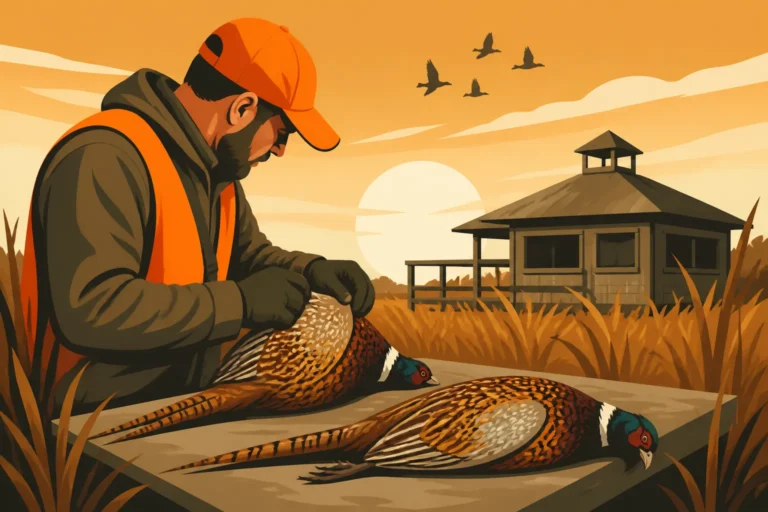
After a successful hunt, proper game care is crucial. Your guide will typically provide instructions or assistance with field dressing your birds. This usually involves removing the entrails to help cool the bird quickly, especially in warmer weather. Many outfitters also offer bird cleaning services, where they will breast out or clean your birds whole, preparing them for transport. Confirm if this is included in your package or an additional service.
For transporting your birds home, a good cooler filled with ice is essential. Ensure your birds are properly tagged according to North Dakota regulations if required, and keep them cool to preserve the meat quality. If you're flying, you'll need to check airline regulations for transporting game meat, which often requires frozen, vacuum-sealed packages. Some outfitters have arrangements with local processors or will help you find one, which can be invaluable for larger quantities of birds. Knowing that your hard-earned pheasants will arrive home in prime condition adds to the satisfaction of the hunt.
Documenting Your Hunt and Creating Memories
Beyond the birds in hand, the memories you make on a guided North Dakota pheasant hunt are truly priceless. Take the time to document your experience, whether through photos, videos, or a simple journal. Capture the stunning prairie sunrises, the camaraderie with your fellow hunters, the impressive work of the dogs, and of course, the birds themselves.
Don't forget the small moments: the shared laughter over a missed shot, the guide's stories around the fire, or the incredible meals after a long day afield. These are the elements that weave together to create a rich tapestry of memories that you'll cherish for years to come. A guided hunt in North Dakota offers more than just shooting; it's an immersive cultural and outdoor experience that connects you to the land, the sport, and the people who share your passion.
Disclaimer
This article is for general informational purposes only and does not constitute professional advice. Laws, prices and regulations vary by location and change over time. Consult a qualified professional for guidance on your specific situation.