Running Pointing Dogs on North Dakota Pheasant
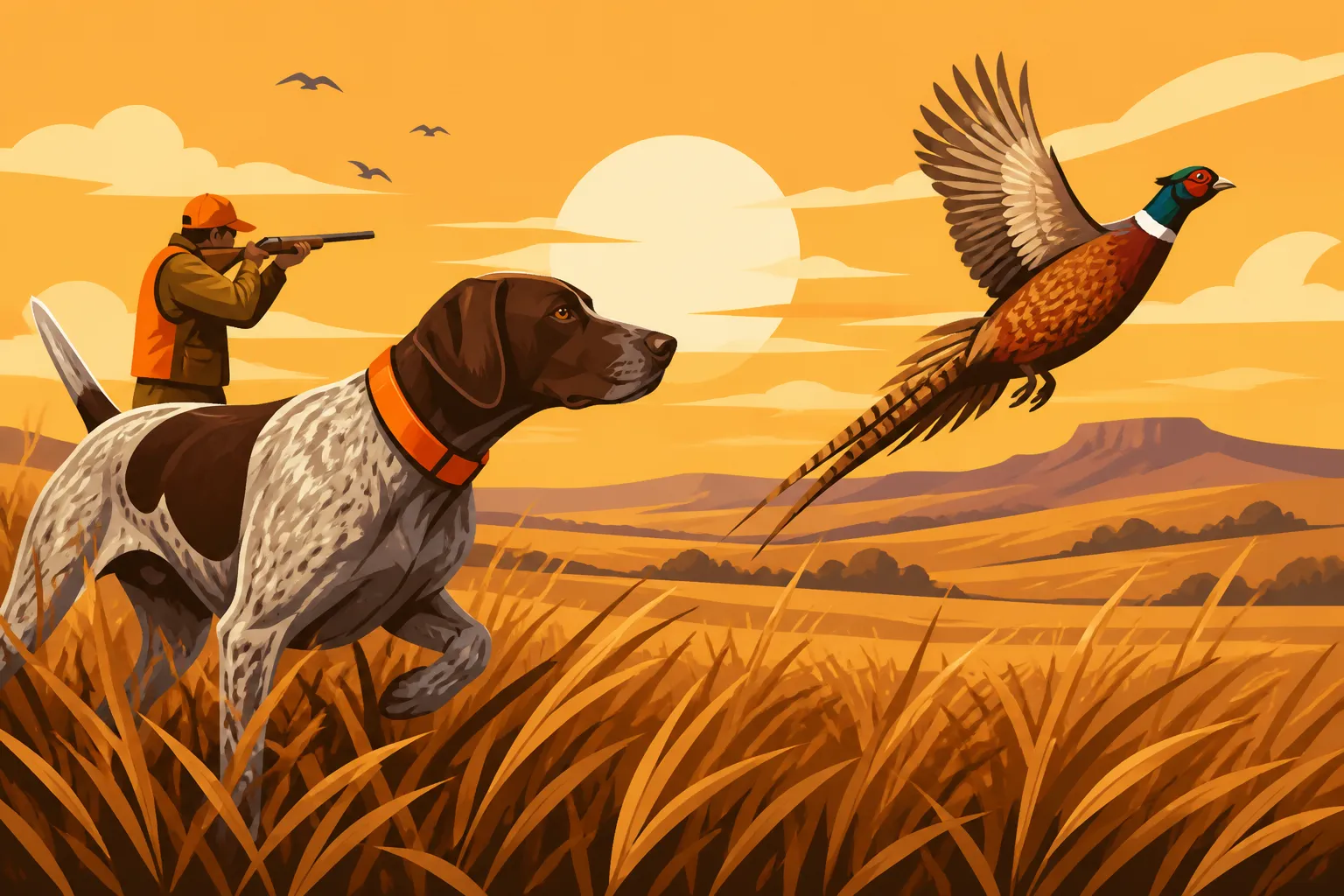
There's nothing quite like the rush of a rooster pheasant exploding from cover, especially when your loyal pointing dog has locked up solid on point, telling you exactly where that bird is holding tight. But let's be honest, hunting pheasants in North Dakota's vast, often brutal landscapes with a pointing dog isn't always a walk in the park. From unforgiving weather to dense, uncooperative cover, it presents unique challenges that can frustrate even the most seasoned hunter and their canine companion. This comprehensive guide is here to help you navigate those specific hurdles, ensuring you and your pointing dog have a more successful, enjoyable, and safer season chasing North Dakota's wily pheasants.
Understanding the North Dakota Pheasant Landscape
North Dakota's pheasant habitat is a mosaic of different cover types, each presenting its own set of challenges and opportunities for both hunter and dog. Unlike some regions with more uniform habitat, here you'll encounter everything from vast expanses of CRP to dense cattail sloughs and scraggly shelterbelts. Understanding these environments is crucial for effectively running pointing dogs. The birds themselves adapt to these conditions, often running ahead of a dog in sparse cover or holding incredibly tight in dense pockets, requiring a dog with a keen nose and unwavering focus.
Habitat Challenges for Pointing Dogs
The sheer variety and density of cover in North Dakota can be a real workout for pointing dogs. Imagine trying to push through a mature stand of switchgrass that’s taller than you, or navigating a frozen cattail slough where every step is a gamble. These aren't manicured fields; they are wild, often rugged landscapes. Dense cover like heavy cattails, thick stands of phragmites, or tall, mature CRP can make it incredibly difficult for a dog to penetrate and scent birds effectively. Birds can often "skirt" around a dog in these situations, leading to frustrating misses or flushes far out of gun range. Furthermore, the ground itself can be uneven, full of hidden holes, or slick with ice, posing physical risks to your dog.
Then there's the issue of scent dispersal. In wide-open grasslands, wind can carry scent for long distances, making it easier for a dog to locate birds. However, in dense draws or sheltered areas, scent might hang low to the ground or be blocked by vegetation, forcing a dog to work much harder and closer to the bird. Understanding these nuances helps you anticipate where your dog might struggle and how you, as the hunter, can adjust your approach. For example, knowing that pheasants will often congregate in thicker cover near water sources or food plots can help you direct your dog more efficiently, saving both of you energy and increasing your chances of finding birds. You can often find areas with good pheasant habitat by looking at publicly accessible lands through resources like Scouting PLOTS Land Before Season, which details how to utilize mapping tools for pre-hunt research.
How Weather Influences Dog Performance
North Dakota weather is notoriously unpredictable and can swing wildly, often within a single day. These dramatic changes directly impact how your pointing dog performs and how effectively they can find and hold birds. A crisp, cool fall day with a steady breeze is often ideal for scenting, as the air holds scent well and the wind carries it clearly. Your dog can pick up a pheasant's scent from further away, allowing them to make a wider cast and cover more ground efficiently before locking up on point. This allows for a more classic pointing dog experience.
However, things get tricky when the weather turns. Hot, dry conditions can make scenting incredibly difficult, as scent dissipates quickly. Dogs can tire out faster, and their noses might become less effective. In these conditions, it's often better to work smaller areas, allow for more frequent breaks, and ensure your dog stays hydrated. Conversely, extreme cold and deep snow, especially later in the season, present a different set of challenges. Snow can muffle scent, making it harder for dogs to pinpoint birds, and it can be physically exhausting to slog through. Ice, particularly in cattail sloughs, can be dangerous, leading to cuts or slips. On days with Late-Season Pheasant Tactics in Deep Snow, your dog's endurance and paw protection become paramount. Rain or heavy dew can also affect scent, often pinning it to the ground, requiring a dog to work slower and closer to birds. Being aware of the daily forecast and understanding how it might affect your dog's ability to hunt is key to managing expectations and adapting your hunting strategy.
Choosing the Right Pointing Dog Breed
Selecting the right pointing dog breed for North Dakota's pheasant hunting environment is a critical decision that can significantly impact your success and enjoyment in the field. Not all pointing breeds are created equal, and some are simply better suited to the specific demands of the prairie. You need a dog that can handle diverse terrain, extreme weather, and the often-runny nature of pheasants, all while maintaining that classic "birdy" drive and steady point.
Key Traits for Prairie Pheasant Dogs
For North Dakota pheasants, you're looking for a dog that embodies a particular set of traits. First and foremost, a strong nose is non-negotiable. Pheasants, especially older roosters, are notorious for running, and a dog needs to be able to follow that scent trail and eventually pin the bird down. Endurance is also vital. North Dakota hunting often involves covering miles of varied terrain, from dense grasslands to muddy sloughs and rocky hillsides. Your dog needs the stamina to hunt hard all day, sometimes for multiple days in a row. Breeds known for their tireless work ethic will shine here.
Coat type is another significant consideration. A dense, protective coat can offer insulation against biting cold and deep snow, as well as protection from sharp stubble, burrs, and thorns common in prairie cover. While some shorter-haired breeds can do well with proper gear like vests, a naturally tough and weather-resistant coat is a huge advantage. Finally, mental fortitude and trainability are paramount. You need a dog that is intelligent, eager to please, and steady under pressure. A dog that is easily distracted or prone to breaking point will quickly become a liability when a pheasant decides to make a break for it. The dog should be bold enough to plunge into thick cover but also disciplined enough to hold steady when the bird is located. Learning about North Dakota Pheasant and Upland Season Rules will help you understand the legalities and expectations for your hunt.
Popular Breeds and Their Pros & Cons
When it comes to pointing dogs for North Dakota pheasants, several breeds consistently rise to the top, each with its own set of advantages and disadvantages.
- German Shorthaired Pointer (GSP): These dogs are often considered the quintessential upland bird dog. They are intelligent, highly trainable, and possess incredible athleticism and endurance. Their short coat is somewhat protective, though they can benefit from a vest in extreme cold or dense, thorny cover. GSPs have a strong prey drive and are excellent at covering ground, making them superb for the vast prairie. However, their high energy means they need a lot of exercise and mental stimulation, even in the off-season.
- Brittany Spaniel: Brittanys are smaller than GSPs but are absolute powerhouses in the field. They are known for their exceptional noses, intensity on point, and their ability to work close to the hunter, making them ideal for walking smaller plots or working dense cover where wider casts aren't needed. Their medium-length coat offers good protection, but like GSPs, they might need a vest in truly harsh conditions. They are intelligent and eager, but can be sensitive, requiring a gentle but firm hand in training.
- English Pointer: Known for their graceful, high-headed points and incredible speed, English Pointers are built for covering vast amounts of ground. They have a fantastic nose and a relentless drive. Their short coat, however, provides minimal protection against cold or harsh cover, often necessitating a protective vest. They are high-energy dogs that require significant exercise and are best suited for hunters who want to cover a lot of territory quickly.
- Wirehaired Pointing Griffon: These dogs are gaining popularity for their ruggedness and versatility. Their dense, wiry coat offers excellent protection against cold, water, and thick cover, making them exceptionally durable in North Dakota's diverse environments. Griffons are intelligent, loyal, and possess a strong pointing instinct, often working at a medium range. They might not cover ground as quickly as a GSP or Pointer, but their methodical search and protective coat make them fantastic for all-around prairie hunting.
Here's a quick comparison:
| Breed | Key Strengths for ND Pheasant | Considerations for ND Pheasant |
|---|---|---|
| German Shorthaired Pointer | Endurance, trainability, strong nose, ground coverage | Shorter coat may need protection in extreme cold/dense cover |
| Brittany Spaniel | Excellent nose, close worker, intense point, good endurance | Smaller size, can be sensitive, needs consistent training |
| English Pointer | Speed, vast ground coverage, classic high-headed point | Very short coat needs substantial protection in cold/cover |
| Wirehaired Pointing Griffon | Rugged, excellent protective coat, versatile, methodical worker | Slower ground coverage than some, coat grooming required |
Ultimately, the "best" breed depends on your personal hunting style, commitment to training, and what you're looking for in a companion. All these breeds can excel with the right training and effort.
Training Your Dog for North Dakota Pheasant
Training a pointing dog for North Dakota's pheasant fields goes beyond the basic commands. It requires specialized conditioning for the unique environment and advanced field skills that directly address the behavior of prairie pheasants. Your dog needs to be more than just obedient; they need to be a true partner, capable of independent decision-making in challenging situations while remaining responsive to your guidance. This detailed preparation ensures both efficiency and safety in the field.
Conditioning for Tough Terrain and Weather
North Dakota's hunting grounds are not for the faint of heart, and neither should your dog be. Physical conditioning is absolutely paramount. Think about it: your dog will be running through tall, dense cover, scrambling over frozen furrows, perhaps breaking through thin ice, and often doing this for hours on end, day after day. Just like an athlete, they need to build muscle, stamina, and resilience. Start their conditioning regime well before the season. Long walks, runs, and controlled retrieves in varied terrain, gradually increasing in duration and intensity, are crucial. Incorporate exercises that mimic hunting conditions, like running through tall grass or swimming in cool water (when safe) to build their lung capacity and strengthen their muscles.
Beyond physical fitness, preparing your dog for the specific weather conditions is vital. Acclimating your dog to cold weather involves gradually exposing them to decreasing temperatures during their exercise routines, ensuring they develop a thicker coat and better cold tolerance. However, on hunt days, even the toughest dogs will benefit from protective gear like a high-visibility, durable vest to prevent cuts from stubble or thorns, and paw balm or booties to protect against ice, snow, and rough terrain. Remember that a dog working hard in cold weather can still get hypothermia, and conversely, can overheat on warmer early-season days. Always carry plenty of water and offer frequent breaks. Checking weather forecasts using tools like the GoHunt app can help you prepare mentally and physically for the conditions your dog will face.
Advanced Field Skills: Scenting, Honoring, and Steadiness
Once your dog has the basic commands down and is physically fit, it's time to refine the advanced field skills essential for North Dakota pheasants. Scenting is obviously a pointer's bread and butter, but training for maximum efficiency in varying scent conditions is key. Practice in different wind directions and cover types. Encourage your dog to use their nose, but also teach them to work the wind to their advantage, quartering efficiently to pick up scent from passing air currents. Live bird introductions, preferably with pheasants, are invaluable here, allowing the dog to experience and learn from real bird scent and behavior.
Honoring, or backing, is another critical skill, especially if you hunt with multiple dogs or in a group. This means your dog stops and "honors" another dog's point, staying steady until commanded otherwise. This prevents flushes, tangles, and ensures every dog knows their role. Steadiness to wing and shot is perhaps the most challenging, but most rewarding, skill. This means your dog remains absolutely still when a bird flushes and when the shot is fired, only retrieving on command. This prevents chasing wounded birds, potential injuries, and allows the hunter to focus on the shot without worrying about the dog. Training this requires immense patience and consistency, often using check cords and gradual exposure to flushing birds and gunshots. A well-trained dog that remains steady and honors another’s point makes for a safer, more productive, and much more enjoyable hunt, whether you're working Running a Pointer Through CRP Grass or the edges of a cornfield.
Strategies for Hunting Pheasant with Pointing Dogs
Hunting pheasants with pointing dogs in North Dakota isn't just about turning the dog loose; it's a strategic dance between handler, dog, and bird. The vast and diverse landscapes of the prairie demand intelligent tactics to maximize your chances of success. It's about working with your dog, not just having them work for you. Understanding how to read your dog and the unique cover types will turn a good hunt into a great one.
Reading Your Dog and the Birds
The most successful pheasant hunters with pointing dogs are those who truly understand what their dog is telling them. Your dog communicates constantly, through subtle tail wags, changes in gait, head turns, and the intensity of their search. As they get "birdy," their pace might slow, their nose will drop, and their tail might wag with short, rapid movements, indicating they're on scent. A sudden "lock-up" into a rigid point is the ultimate signal, but the actions leading up to it are equally important. Learn to distinguish between residual scent, a running bird, or a bird holding tight. If your dog is moving cautiously, circling, or constantly re-scenting, the bird is likely moving. This is your cue to quicken your pace, anticipate a flush ahead, or even try to cut off the bird's escape route.
Conversely, if your dog locks up solid and unwavering, it usually means the bird is holding tight. This is your moment to confidently move in, gun ready. Remember that North Dakota pheasants are experts at using cover to their advantage. They will often run through sparse cover but hold incredibly tight in dense areas like cattails or shelterbelts, sometimes almost allowing a dog to step on them before flushing. Your dog's body language will tell you how confident they are in the bird's location. Trust their nose; they can smell what you can’t see. Utilizing modern mapping tools, such as the GoHunt app, can help you visualize the terrain and potential escape routes for the birds, allowing you to position yourself better when your dog goes on point. Understanding North Dakota Pheasant Population Estimate trends can also give you a general idea of how many birds you might encounter in a given area, influencing your strategy.
Working Cover Effectively
North Dakota's diverse pheasant cover requires varied approaches. You can't hunt a vast CRP field the same way you'd hunt a narrow shelterbelt or a dense cattail slough. In large, open fields like CRP, allow your dog to work a wider pattern, quartering into the wind. This allows them to cover ground efficiently and pick up scent from a broad area. As you move, pay attention to edges – fencelines, field borders, and transitions from one cover type to another – as these are common travel corridors and holding areas for pheasants. These are often excellent places for Walking North Dakota PLOTS Land for Pheasant.
When you encounter dense cover, like thick stands of tall switchgrass or a heavy cattail slough, you'll need to adjust. Pull your dog in closer, working them through the cover more methodically. Pheasants will often hold incredibly tight here, so a slower, more deliberate pace is key. If you have multiple hunters, spread out to cover escape routes. For shelterbelts or long, narrow draws, it's often effective to have blockers at one end while hunters and dogs work through from the other. Always consider the wind direction: try to hunt into the wind whenever possible, as it maximizes your dog's scenting ability and helps muffle your approach from the birds. Understanding the specifics of North Dakota CRP Acres and Pheasant Numbers can help you prioritize which fields might hold the most birds based on their cover density and age.
Gear and Preparation for Dog and Hunter
A successful and safe pheasant hunt with a pointing dog in North Dakota requires more than just a well-trained canine and a keen hunter; it demands proper gear and thorough preparation for both. The prairie can be a tough environment, and being adequately equipped can make the difference between a memorable day afield and a frustrating, or even dangerous, experience.
Essential Dog Gear for the Prairie
Your pointing dog is an athlete and a vital part of your hunting team, so their gear should reflect that. First and foremost, a durable, high-visibility vest is non-negotiable. Look for vests made from tough materials like Cordura or ripstop nylon that can withstand thorns, barbed wire, and sharp stubble. Bright orange or reflective colors ensure your dog is easily seen, especially in tall cover or during low light, enhancing safety. The vest also provides a crucial layer of insulation in cold weather and protection against scrapes and cuts. Some vests even come with chest protectors specifically designed to prevent injuries from sharp sticks or frozen ground.
Beyond the vest, consider paw protection. Booties can be a lifesaver in extreme cold, on abrasive terrain, or when ice and snow buildup between paw pads. Even if you don't use booties, a good paw wax or balm can help prevent cracking and irritation. A reliable e-collar is also indispensable for communication and control, allowing you to manage your dog's range, correct unwanted behaviors, and ensure steadiness, especially when navigating larger tracts of land where direct verbal commands might be lost in the wind. Always carry a first-aid kit specifically for your dog, stocked with items like antiseptic wipes, vet wrap, pain relievers, and tweezers for removing burrs or splinters. Don't forget ample water and a collapsible bowl, as dehydration can be a serious concern, especially on warmer days or when your dog is working hard. A GPS tracker, like those offered by SportDOG or Garmin, integrated with a mapping system such as GoHunt, can provide invaluable peace of mind, allowing you to monitor your dog's location and retrieve them quickly if they get out of range in expansive areas or thick cover. For more general hunting information that might influence your gear choices, consult North Dakota Hunter Education Requirements.
Hunter Gear to Complement Your Dog's Work
While your dog is doing the heavy lifting of finding birds, your gear as a hunter needs to complement their efforts and ensure you're ready for the shot and the conditions. Proper footwear is paramount. You'll be walking many miles over uneven terrain, so waterproof, insulated hunting boots with good ankle support are a must. Dress in layers, opting for moisture-wicking base layers, insulating mid-layers, and a waterproof, windproof outer shell. North Dakota weather can change rapidly, and being able to shed or add layers is crucial for comfort and safety. Blaze orange is legally required and highly recommended for safety, ensuring you're visible to other hunters and vice-versa.
Consider carrying a quality game vest or bird bag with ample storage for extra shells, water for yourself and your dog, snacks, and any game you harvest. A good pair of binoculars can help you spot distant cover or even birds before you commit your dog. A GPS device or a robust mapping app on your phone (with extra battery packs) is essential for navigation, especially on large public land tracts or unfamiliar areas. It allows you to track your own progress, mark points of interest, and keep tabs on your dog's movements if you have a compatible GPS collar. Finally, don't underestimate the importance of a well-maintained shotgun, appropriate ammunition, and hearing protection. The effectiveness of your dog's work relies on you being ready to capitalize on the opportunity they create.
Disclaimer
This guide is intended for informational purposes only and does not supersede any official regulations, laws, or safety guidelines set forth by the North Dakota Game and Fish Department or other governing bodies. Always consult the most current hunting proclamations and rules before heading afield. Hunting involves inherent risks; prioritize safety for yourself, your dog, and others at all times.