Standard Tip for a Pheasant Guide
You've just wrapped up an incredible day chasing ringnecks across the sprawling North Dakota prairie, watching your guide's dogs work magic, and maybe even filling your limit. Now, as the dust settles and the birds are being breasted, that age-old question pops into your head: what's the appropriate way to show appreciation to your pheasant guide? It's a common dilemma, causing many hunters a quiet moment of anxiety, wondering if they're being too generous, not generous enough, or completely missing the mark on local etiquette. This guide is designed to take the guesswork out of tipping your pheasant guide in North Dakota, offering clear standards and practical advice to ensure your gesture of gratitude is perfectly received.
Understanding the Role of Your Pheasant Guide
A pheasant guide in North Dakota is more than just someone who points you toward birds. They are an integral part of your hunting success and overall experience, often working tirelessly behind the scenes long before you ever arrive and long after you depart. It’s important to acknowledge the multifaceted nature of their role when considering how to tip appropriately.
Beyond Just Finding Birds: The Guide's Responsibilities
Think about everything that goes into a successful guided pheasant hunt. Your guide isn't simply showing up on the day of the hunt with a truck and a dog. They've likely spent weeks, if not months, prior to the season scouting private land, building relationships with landowners for exclusive access, and monitoring bird populations. They're out there Scouting PLOTS Land Before Season, or checking their private leases, tracking movements and identifying prime cover. They manage their hunting dogs, which are often highly trained athletes, requiring constant care, feeding, and veterinary attention throughout the year. These dogs are essential tools, and their training and upkeep represent a significant investment of time and money from your guide.
On the day of the hunt, your guide is responsible for navigating you safely to and from hunting grounds, often across tricky terrain. They're assessing weather conditions, bird behavior, and the group's capabilities to formulate a strategy for the day. They're making split-second decisions about where to walk, how to approach a field, and when to send in the dogs. They're watching out for your safety, ensuring everyone follows proper gun handling procedures, and making sure the hunt is enjoyable for everyone involved, from seasoned veterans to first-time hunters. This dedication to every detail, from the logistics to the on-the-ground execution, is what truly defines a top-tier North Dakota pheasant guide.
The Investment Guides Make in Your Hunt
Running a guiding operation, even a small one, is a significant undertaking that involves substantial financial and personal investment. Guides often own specialized vehicles, trailers, and hunting equipment tailored to the rugged North Dakota landscape. They invest in high-quality firearms for their own use, safety gear, and often provide shells or other consumables for their clients. Their hunting dogs, as mentioned, are not just pets but working animals, representing thousands of dollars in purchase price, training, and ongoing care.
Then there are the less tangible investments: their knowledge of the land, local bird patterns, and weather effects honed over years, if not decades, of experience. Many guides also invest in maintaining their guiding licenses, insurance, and local permits. When you Booking a Guided North Dakota Pheasant Hunt, you're not just paying for a day's outing; you're contributing to a business built on passion, expertise, and a substantial personal commitment. Recognizing this deep investment helps frame the conversation around appropriate tipping.
Factors Influencing Your Tipping Decision
Determining the "standard tip" isn't always a rigid calculation. Several key factors should weigh into your final decision, allowing you to tailor your appreciation to the specific experience you received. It's about recognizing effort, expertise, and the overall value added to your trip.
Performance and Effort of the Guide
This is often the most direct measure for hunters. Did your guide put in a genuine effort to find birds and create opportunities? Even on tough hunting days, where birds might be scarce or weather uncooperative, a good guide's effort shines through. Were they constantly strategizing, moving to new locations, and using their dogs effectively? Did they communicate clearly, explain their tactics, and adapt to the group's needs and physical abilities? If the guide was enthusiastic, knowledgeable, and worked hard regardless of the bird numbers, that level of commitment deserves to be recognized. On the flip side, if a guide seemed disengaged, ill-prepared, or made little effort, that should also factor into your decision. It's about the effort, not just the harvest, though a good harvest is certainly a bonus!
Quality of the Overall Experience
Beyond just shooting pheasants, how was the entire experience? Did the guide contribute positively to the camaraderie, sharing stories, and making the day enjoyable? Were they friendly, patient, and respectful? Did they handle any unforeseen challenges gracefully? This includes things like the condition of their equipment, the behavior and training of their dogs, and how well they managed the group dynamics. Sometimes, the conversation, the shared laughs, and the opportunity to spend time in North Dakota's beautiful outdoors are as valuable as the birds in the vest. If you booked a Multi-Day North Dakota Pheasant Lodge Packages, consider how well the guide integrated with the entire package, from morning coffee to evening discussions. A truly memorable hunting trip goes beyond the trigger pull; it's about the entire adventure.
Duration and Type of Hunt
The length and nature of your hunt will naturally influence the tip. A full-day hunt with extensive walking and multiple flushes generally warrants a more substantial tip than a shorter, half-day outing. Similarly, if your guide provided extra services—like bird cleaning beyond the basic field dress, transportation to and from the lodge, or special accommodations for a youth hunter—these added efforts should be considered. When you review What's Included in a Pheasant Package with an outfitter, remember that any services explicitly not included but provided anyway by your guide are excellent reasons to boost your tip. This is especially true for longer, more involved trips that require sustained effort from your guide over several days.
Standard Tipping Guidelines for North Dakota Pheasant Hunts
So, what's the magic number? While there's no official rulebook, seasoned hunters and guides generally agree on a few common approaches. These are guidelines, not rigid laws, but they offer an excellent starting point for determining your tip. Remember, the goal is to show genuine appreciation for a job well done.
The Percent-Based Approach
Many hunters prefer to calculate their tip as a percentage of the total cost of their guided hunt. This method scales naturally with the price of the trip and is a common practice across the service industry. For a guided North Dakota pheasant hunt, a widely accepted range is 15% to 20% of the hunt's daily fee.
Let's say, for example, your guided full-day pheasant hunt cost you $500.
- A 15% tip would be $75.
- A 20% tip would be $100.
If you're part of a group, calculate the tip based on the total daily cost for the group, then divide it among the hunters. It's always a good idea to discuss tipping with your fellow hunters beforehand to ensure everyone is on the same page and contributes fairly. This percentage model makes it easy to compare against Average Cost of a Guided North Dakota Pheasant Hunt and ensure your tip is in line with expectations.
The Flat-Rate Per Hunter Approach
Another common method, particularly for single-day hunts or when the daily fee is relatively modest, is a flat-rate per hunter. This approach simplifies the calculation and can be a good option if you find the percentage method cumbersome.
For North Dakota pheasant guides, a generally accepted flat-rate tip per hunter per day falls into the range of $50 to $100+ per hunter, per day.
| Service Level | Daily Tip Range (Per Hunter) | Considerations |
|---|---|---|
| Good / Standard | $50 – $75 | Guide was competent, worked hard, found birds, and provided a safe and enjoyable day. Everything met expectations. |
| Excellent | $75 – $100+ | Guide went above and beyond: exceptional dog work, fantastic camaraderie, outstanding birdfinding skills, extra effort in difficult conditions, valuable instruction, or unexpected services. You had a truly memorable and highly productive day. |
| Outstanding | $100+ | Guide delivered a truly exceptional, once-in-a-lifetime experience. Perhaps they put you on a true trophy bird, navigated a challenging situation perfectly, or provided an unparalleled level of service and hospitality. This is for when you feel deeply grateful and want to express significant appreciation. |
This table provides a quick reference, but remember to always consider the specific nuances of your hunt. This is particularly useful when comparing the cost and what's offered by various guides, perhaps found through platforms like BookYourHunt or GoHunt.
When to Adjust Your Tip (Up or Down)
While the guidelines provide a good starting point, don't be afraid to adjust based on your experience.
Reasons to Increase Your Tip:
- Exceptional Dog Work: If the guide's dogs were absolute stars, making incredible retrieves or finding birds in impossible cover, that's worth extra.
- Going Above and Beyond: The guide put in extra hours, provided unexpected services, or went out of their way to make your trip special (e.g., helping with processing birds, sharing local insights, taking photos).
- Challenging Conditions: They worked especially hard in tough weather (e.g., Hunting After a Hard Prairie Winter or battling strong winds) and still delivered a great experience.
- Instruction and Mentorship: If they patiently taught a new hunter or offered valuable tips to improve your shooting or bird handling.
- Safety First: They were meticulously focused on safety, which is paramount in hunting.
Reasons to Potentially Decrease Your Tip (Use Discretion):
- Lack of Effort: The guide seemed uninterested, didn't make an honest effort to find birds, or was poorly prepared.
- Poor Dog Management: Dogs were unruly, ineffective, or not well-controlled.
- Safety Concerns: If the guide was careless with firearms, didn't enforce safety rules, or put the group at risk.
- Poor Attitude/Professionalism: They were rude, negative, or unprofessional throughout the day.
It's rare to completely withhold a tip for a guided hunt, as even a less-than-stellar day often involves some effort and expense on the guide's part. However, if the experience was truly unsatisfactory and lacked effort or professionalism, a significantly reduced tip (e.g., 5-10%) or no tip at all, along with direct, polite feedback, might be warranted.
Practical Considerations and Etiquette
Knowing how much to tip is only part of the equation. Understanding when and how to present your tip, and considering other staff, ensures your gesture is appropriate and well-received.
When and How to Present Your Tip
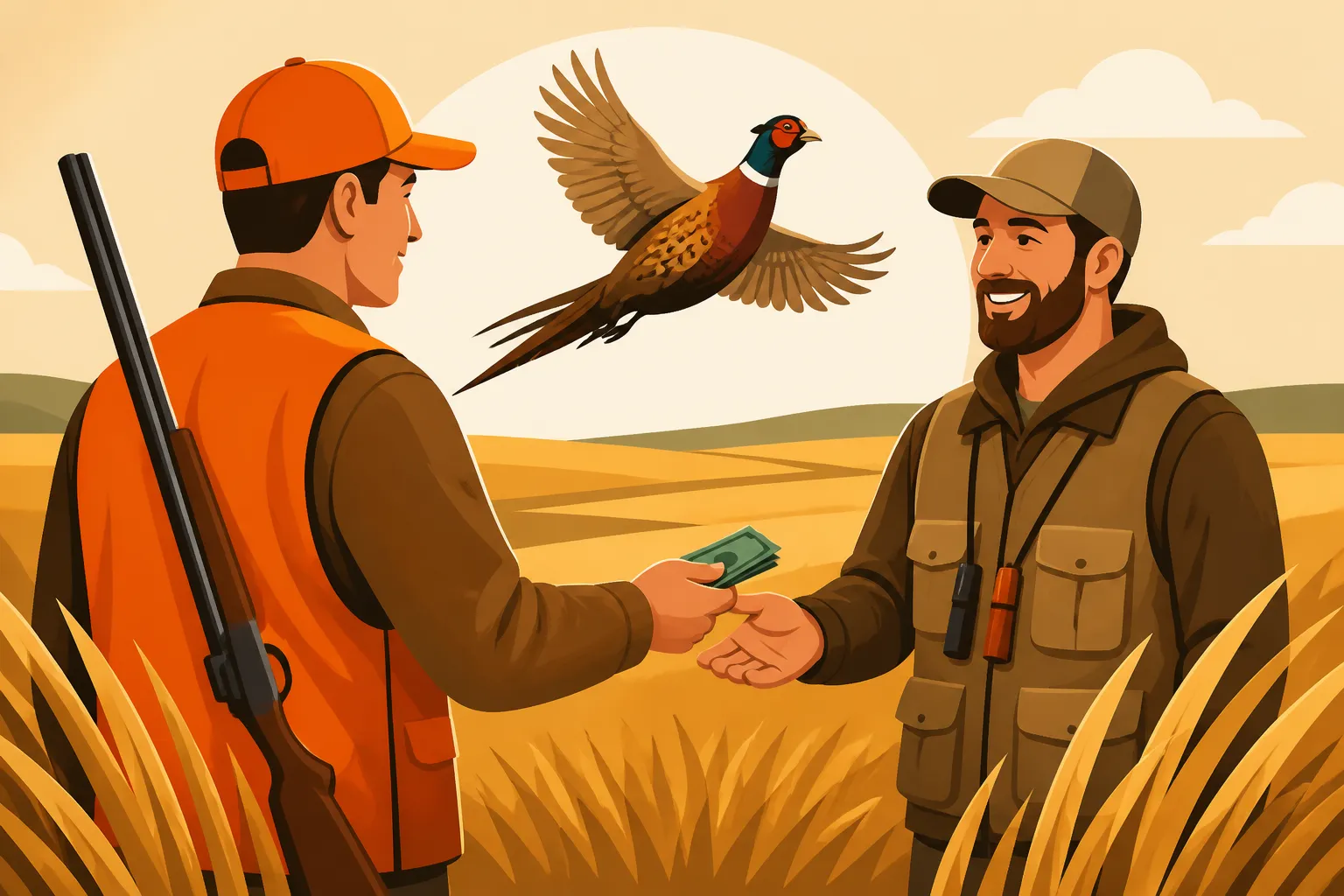
The ideal time to tip your guide is at the conclusion of the hunt day or the end of your multi-day trip. This allows you to fully assess the overall experience before determining your gratuity.
- Privately and Discreetly: It's generally best to hand the tip directly to the guide, away from other clients if possible. A quiet moment at the truck while loading up, or at the lodge before departure, is often suitable.
- Cash is King: Cash is almost always preferred and appreciated. It's immediate, discreet, and avoids any processing fees or delays associated with credit card payments. Plan ahead to have the appropriate amount of cash on hand. Many hunters will stop at an ATM in a town like Bismarck or Fargo before heading to their hunting destination.
- A Personal Thank You: Accompany your tip with a sincere verbal thank you. Acknowledging specific aspects of their effort or the dogs' performance can make your appreciation even more meaningful. For example, "John, that was an incredible hunt, your dogs worked exceptionally well, and we really appreciate how hard you worked to keep us on birds today."
Tipping Additional Staff (Dog Handlers, Lodge Staff)
Depending on the size and scope of your guided operation, you might encounter other staff members who contribute to your experience.
- Dog Handlers: If there was a dedicated dog handler assisting the main guide, they should also receive a tip. This can be a separate, smaller amount (e.g., $20-$40 per day) or a portion of the main guide's tip, given directly to the handler. Ask your main guide if there's a specific person who handles the dogs, or if the main guide prefers to share tips with their assistants.
- Lodge Staff: If you're staying at a lodge as part of a North Dakota Hunting Lodges and Packages, don't forget the cooks, housekeepers, and other support staff who make your stay comfortable. A communal tip jar is often available, or you can leave a separate tip for housekeeping in your room. A general guideline here is around $20-$30 per person, per day, for the lodge staff, usually collected and distributed by the lodge manager or given to individual staff members directly.
Always clarify with the outfitter or lodge owner upon arrival if they have a preferred tipping policy or if tips for specific staff are handled in a particular way. This can save you from any awkward moments and ensure everyone who contributed to your experience is properly recognized. Ultimately, a good tip is a sign of respect for the hard work, expertise, and passion that North Dakota pheasant guides bring to every hunt, turning a day in the field into a cherished memory.
Disclaimer
This article is for general informational purposes only and does not constitute professional advice. Laws, prices and regulations vary by location and change over time. Consult a qualified professional for guidance on your specific situation.