Hunting North Dakota’s Antlerless-Only Elk Periods
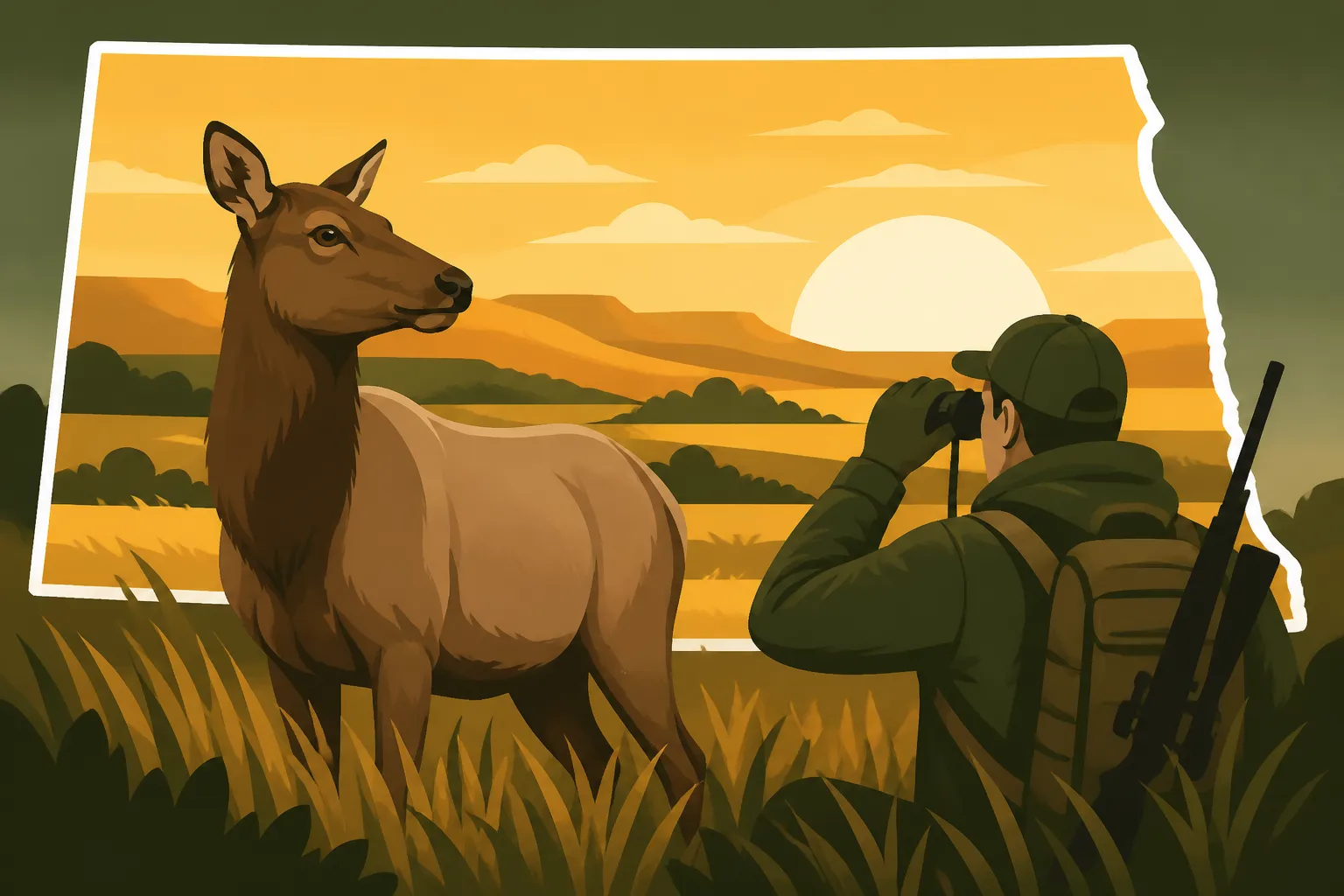
Drawing a coveted elk tag in North Dakota is often a once-in-a-lifetime endeavor, and for many hunters, the dream of pursuing these magnificent animals on the prairie seems out of reach. However, a lesser-known but equally exciting opportunity exists for those patient enough to navigate the lottery system: the antlerless-only elk periods. These tags offer a chance to fill the freezer and experience the thrill of an elk hunt in the rugged Badlands, often with higher draw odds than their bull counterparts. This guide will walk you through everything you need to know to pursue antlerless elk in North Dakota, from understanding the season structure to mastering tactical approaches in the field.
Understanding North Dakota's Elk Management Philosophy
North Dakota’s approach to elk management is quite distinct from many western states. Here, elk are a prized, though somewhat limited, resource, concentrated primarily in the Little Missouri Badlands. The state's management strategy focuses on balancing a healthy, sustainable elk population with the concerns of landowners and agricultural producers, leading to a unique permit system and specific antlerless opportunities.
The "Once-in-a-Lifetime" Tag System
Unlike deer tags, which many residents draw annually, North Dakota's general elk tags are considered "once-in-a-lifetime" for residents. This means if you successfully draw a bull or cow tag in one of the primary hunting units, you typically cannot draw another elk tag for that specific type of license again. This system creates incredible demand and very low odds for drawing a traditional bull tag, making every single permit a truly special prize. The intent is to spread the opportunity among as many residents as possible over their lifetime. Even though you may not be able to draw an "any elk" tag again after a successful draw, the antlerless-only periods offer a different path, primarily aimed at managing specific herd segments. This also plays into why nonresidents generally cannot apply for these highly sought-after permits.
Why Antlerless Seasons Exist
Antlerless elk seasons, often referred to as cow or calf seasons, are a critical tool in modern wildlife management, especially in states with burgeoning or expanding elk populations. In North Dakota, these seasons serve several key purposes. Firstly, they are instrumental in managing overall herd numbers, helping to maintain populations at levels that are ecologically sustainable and in balance with available habitat. Elk are prolific grazers and can have significant impacts on agricultural crops and private rangelands. By issuing antlerless tags, the North Dakota Game and Fish Department aims to mitigate depredation issues on private land, which can be a major point of conflict with landowners. Secondly, focusing harvest on antlerless animals can help improve the overall health and genetic quality of the herd by ensuring a balanced age structure and reducing competition for resources among remaining animals. These tags often target specific units or zones where elk numbers are higher or where conflicts are more prevalent, providing hunters with a valuable opportunity while supporting the state's conservation goals.
Key Dates and Seasons for Antlerless Elk
North Dakota's elk season structure, especially for antlerless tags, is designed to provide opportunities while carefully managing herd dynamics and landowner relations. It’s crucial to pay close attention to the specific dates and unit descriptions, as they can vary annually based on population surveys and management objectives.
Early Antlerless Elk Periods
The early antlerless elk periods typically kick off in the fall, often overlapping with other popular hunting seasons. These seasons are generally shorter and designed to provide an early opportunity to harvest animals before the harshest winter weather sets in. For instance, these early periods might open in late September or early October and run for a couple of weeks. Hunters holding these tags will be pursuing elk that are likely still in larger, mixed-sex herds, often concentrated on summer and early fall food sources. The weather can be milder, making for more comfortable hunting conditions, but it also means elk might be more dispersed and less pressured. This period also often coincides with the tail end of the archery rut for deer, meaning other hunters might be in the woods, though elk hunters usually focus on more remote, rugged terrain. Understanding when these "Hunting the Early Antlerless Elk Period" truly begins is key to successful pre-season scouting.
Late Antlerless Elk Periods
As the name suggests, the late antlerless elk periods occur later in the fall and into the early winter, sometimes extending through November or even into December. These seasons often coincide with colder temperatures and potentially significant snow cover, which can both present challenges and offer unique advantages. Elk in late seasons are often more concentrated due to dwindling food sources and the need to find thermal cover. Tracking fresh snow can be a highly effective tactic during this time. However, hunters must be prepared for extreme weather, including bitter cold and deep snow, which can make accessing remote areas difficult and increase the physical demands of the hunt. The late season can also mean elk have been pressured by earlier hunts, making them warier. Despite the challenges, these later periods can be incredibly rewarding, especially if you enjoy hunting in rugged, winter conditions, and can be an excellent opportunity to focus on "Hunting the Late Antlerless Elk Period".
| Feature | Early Antlerless Elk Period | Late Antlerless Elk Period |
|---|---|---|
| Typical Timing | Late September – Mid October | November – Early December |
| Weather Conditions | Milder, variable fall weather; less snow | Colder, potential for deep snow and extreme temperatures |
| Elk Behavior | More dispersed, often in larger herds; focus on summer foods | More concentrated, seeking winter range and thermal cover |
| Hunting Style | Spot-and-stalk, cover existing trails, focus on food sources | Tracking in snow, glassing wintering areas, ambush points |
| Hunter Pressure | Can overlap with other seasons, moderate | Generally lower due to weather, but elk can be warier |
| Advantages | More comfortable hunting; elk less pressured | Easier to locate concentrated elk; tracking opportunities |
| Disadvantages | Elk more dispersed; more foliage for concealment | Harsh weather; difficult access; physically demanding |
Tactics for Hunting Antlerless Elk in North Dakota
Hunting elk in North Dakota, particularly in the rugged Badlands, requires a specific set of tactics adapted to the unique landscape and elk behavior. Unlike the vast wilderness areas of more mountainous states, North Dakota's elk range is often a mosaic of public and private lands, punctuated by deep coulees, cedar breaks, and open prairie.
Spot-and-Stalk in the Badlands
The Badlands terrain is tailor-made for spot-and-stalk hunting, and this method is arguably the most effective way to pursue antlerless elk here. The key to success lies in methodical glassing. Find a high vantage point at first light and systematically pick apart every coulee, draws, and cedar pocket with high-quality binoculars and a spotting scope. Elk will often bed down in dense cover during the day, so look for dark patches, horizontal lines that don't belong, or even just a flicker of movement. Once you spot elk, the real work begins.
Planning a successful stalk involves assessing wind direction, understanding thermals (which often pull uphill in the morning and downhill in the evening), and identifying cover to use for your approach. You'll need to move slowly, deliberately, and quietly, using the varied topography to your advantage. This means staying out of sight behind ridges, using draws for concealment, and moving only when the elk are looking away or have their heads down. The distance covered can be extensive, and the terrain is unforgiving, so "Physical Prep for Badlands Elk Terrain" is not just a suggestion, it's a necessity. Remember, you're not just looking for a cow; you're looking for an ethical shot opportunity.
Ambush Points and Water Sources
While spot-and-stalk is dominant, identifying and utilizing ambush points can be incredibly effective, especially if you’ve scouted the area thoroughly or if conditions like fresh snow limit stalking opportunities. Elk are creatures of habit, particularly when it comes to daily routines. They will move between bedding areas, feeding grounds, and water sources. Scouting before the season, or even during your hunt, to identify these travel corridors is paramount. Look for heavily used trails in pinch points between coulees, saddles between ridges, or narrow crossings that funnel elk movement.
Water sources, even small springs or dugouts hidden deep within the Badlands, can act as magnets, especially during dry periods. Setting up quietly downwind of such a location before daylight, or in the late afternoon, can put you in a prime position to intercept elk as they move to drink or feed. This passive approach requires immense patience, but it can pay off handsomely. It’s a game of chess, anticipating their moves rather than reacting to them.
Working With Wind and Thermals
In any hunting scenario, understanding and playing the wind is crucial. In the rugged, broken country of the Badlands, thermals add another layer of complexity. Thermals are localized air currents that move up and down slopes as the temperature changes throughout the day. In the morning, as the sun heats the ground, air tends to rise uphill, carrying your scent with it. In the evening, as the air cools, it sinks downhill.
Ignoring these natural air currents is a surefire way to spook elk. Always try to approach from downwind, keeping the wind (and thermals) in your face or across your body. This often dictates your approach route, even if it means taking a much longer, more arduous path. A good wind checker is an indispensable tool, allowing you to constantly monitor the subtle shifts in air movement. Planning your "Glassing Badlands Coulees for Elk" from a vantage point that lets you approach with the wind in your favor is always the smartest strategy. There's nothing more frustrating than a perfect stalk ruined by a sudden wind shift.
Essential Gear and Preparation for Antlerless Elk
Hunting North Dakota's Badlands for elk is physically demanding and requires a thoughtful approach to gear. Your equipment needs to be rugged, reliable, and capable of performing in diverse conditions, from crisp fall mornings to harsh early winter blizzards.
Optics, Footwear, and Clothing
Your optics are your most important tool in the Badlands. A good pair of 10x or 12x binoculars with a wide field of view is essential for endless glassing sessions from ridgelines. Couple that with a reliable spotting scope (20-60x or similar) on a stable tripod to confirm what you're seeing at extreme distances. Don't skimp here; quality optics truly make the difference when "Spotting Pronghorn From a Section Road" or an elk in a distant coulee.
Footwear must be equally robust. You’ll be covering miles over uneven, steep, and potentially muddy or snowy terrain. Waterproof, insulated hiking boots with excellent ankle support are a must. Break them in thoroughly before your hunt to avoid blisters. For clothing, think layers. The weather in North Dakota can change dramatically throughout the day. Start with a moisture-wicking base layer, add insulating mid-layers like fleece or puffy jackets, and top it off with a waterproof and windproof outer shell. Blaze orange requirements for big game in North Dakota typically mandate a certain amount of visible orange, so ensure your outer layers meet these regulations for safety, especially if hunting during a firearm season.
Pack Essentials for the Field
Your pack needs to carry everything required for a full day (or more) in the field, including the unforeseen. Beyond the obvious essentials like food, water, and first-aid, consider these specifics for elk hunting:
- Navigation: A reliable GPS unit or a smartphone with detailed mapping apps like GoHunt is critical. The Badlands can be disorienting, and knowing exactly where you are and where land boundaries lie is vital. Download offline maps since cell service is often nonexistent. GoHunt also provides valuable public land and private land ownership information, which is a lifesaver.
- Game Processing: Field dressing an elk is a big job. Bring a sturdy, sharp knife, a small bone saw, game bags (essential for keeping meat clean and allowing it to cool), and heavy-duty rubber gloves. Consider bringing paracord or strong rope for hanging quarters if you’re packing out boned meat.
- Emergency Gear: A headlamp with extra batteries, fire-starting materials, an emergency blanket, and a whistle are non-negotiable. Weather can turn quickly, and a wrong turn can lead to an unplanned night out.
- Hauling Capability: If you plan to pack an elk out yourself, a sturdy frame pack designed for carrying heavy loads is invaluable. An antlerless elk can still weigh several hundred pounds, and you’ll need to make multiple trips, especially if hunting alone.
Remember, every ounce counts, but preparedness outweighs convenience when you're miles deep in the Badlands.
Navigating Public and Private Land for Antlerless Elk
Successfully hunting antlerless elk in North Dakota hinges on a thorough understanding of land access, as much of the elk habitat exists within a mosaic of private and public ground. This requires diligent scouting and strategic planning.
Utilizing National Grasslands and WMAs
The vast majority of North Dakota's elk are found within or adjacent to the Little Missouri National Grassland, which offers significant public hunting opportunities. These federal lands are managed by the U.S. Forest Service and are generally open to hunting. However, access can be challenging, requiring hiking deep into draws and over rugged hills. It’s not uncommon to find elk in areas far from roads, so be prepared for extensive foot travel. When "Hunting North Dakota's Little Missouri National Grassland," pay close attention to maps (like those offered by GoHunt, which clearly delineate federal land boundaries) to ensure you stay on legal hunting ground.
Additionally, North Dakota Game and Fish Department Wildlife Management Areas (WMAs) may occasionally hold elk, though these are typically smaller and might be more focused on other species. Always check specific WMA regulations, as they can have unique rules regarding vehicle access, camping, or specific hunting methods. Keep in mind that pressure on easily accessible public lands can be higher, so often the best success comes from being willing to walk further than most. Scouting these areas for sign well before the season, or even electronically using satellite imagery on mapping apps, can provide a significant advantage.
The Importance of Private Land Permission
While public lands offer opportunities, gaining private land permission can dramatically increase your odds of success, especially for antlerless elk. Elk frequently move between public and private properties, often seeking refuge and food sources on private agricultural fields or ranch lands. Landowners who experience elk depredation on their crops or fences may be more amenable to granting permission, particularly for antlerless tags, as these hunts help them manage the problem.
Approaching landowners respectfully, well in advance of the season, is paramount. Dress neatly, introduce yourself, explain your intentions, and offer to share your harvest or help with tasks on their property. Building a relationship is key. Be prepared to be turned down, but persist respectfully. Sometimes, a "no" today might be a "yes" next year. Understanding "Getting Private Land Permission in North Dakota" isn't just about asking; it's about building trust and demonstrating respect for their land and livelihood. Carrying a good map that shows land ownership, such as what GoHunt provides, can also be invaluable when knocking on doors, as it allows for clear communication about where you intend to hunt.
Post-Harvest Considerations and CWD
Harvesting an elk in North Dakota is a monumental achievement, but the work isn't over when the animal is down. Proper field dressing, meat care, and adherence to disease testing regulations are crucial steps to ensure your hard-earned venison is good to eat and that you comply with state wildlife management efforts.
Field Dressing and Meat Care
An antlerless elk, while smaller than a bull, is still a large animal, often weighing several hundred pounds. Field dressing quickly and efficiently is essential, especially if temperatures are warm, to ensure the meat cools down and doesn't spoil. The goal is to remove the entrails as soon as possible, allowing the body cavity to cool. If you're alone, boning out the meat in the field into game bags can be the most practical way to pack it out. This involves quartering the animal and carefully removing all muscle tissue from the bones.
Once the meat is bagged, hang it if possible to allow air circulation, or lay it out on a clean tarp in a shaded, cool spot. Transport the meat as quickly as possible to a cooler or a butcher. In North Dakota, particularly during late-season hunts, cold temperatures can be your friend, acting as a natural refrigerator. However, don't let the meat freeze solid if you plan to take it to a processor immediately, as thawing and refreezing can affect quality. Always keep the meat clean and dry to prevent bacterial growth.
CWD Testing and Regulations
Chronic Wasting Disease (CWD) is a serious concern for wildlife managers across North America, and North Dakota is no exception. The state has identified several "North Dakota's Expanding CWD Hunting Units," and regulations are in place to monitor and limit its spread. If you harvest an elk, particularly in or near one of these designated CWD zones, you may be required to submit the head for mandatory testing. Even if not mandatory, voluntary testing is often encouraged.
These regulations are designed to help the Game and Fish Department track the prevalence and spread of CWD. It's imperative that you understand and comply with all current CWD testing requirements for your specific hunting unit. Information on "CWD Testing for North Dakota Hunters" and where to find sampling stations is readily available on the North Dakota Game and Fish Department website. Typically, you'll need to leave the head (with evidence of sex attached, often a portion of the skull or the full head) at a designated collection site. You will be notified of the test results, usually within a few weeks. Following these guidelines is not just about compliance; it's a critical part of being a responsible hunter and contributing to the health of the elk herd.
Disclaimer
Please note: Hunting regulations and seasons can change. Always consult the most current North Dakota Game and Fish Department regulations before planning any hunting trip. This guide is for informational purposes only and does not supersede official state regulations.