Why Nonresidents Can’t Apply for Spring Turkey
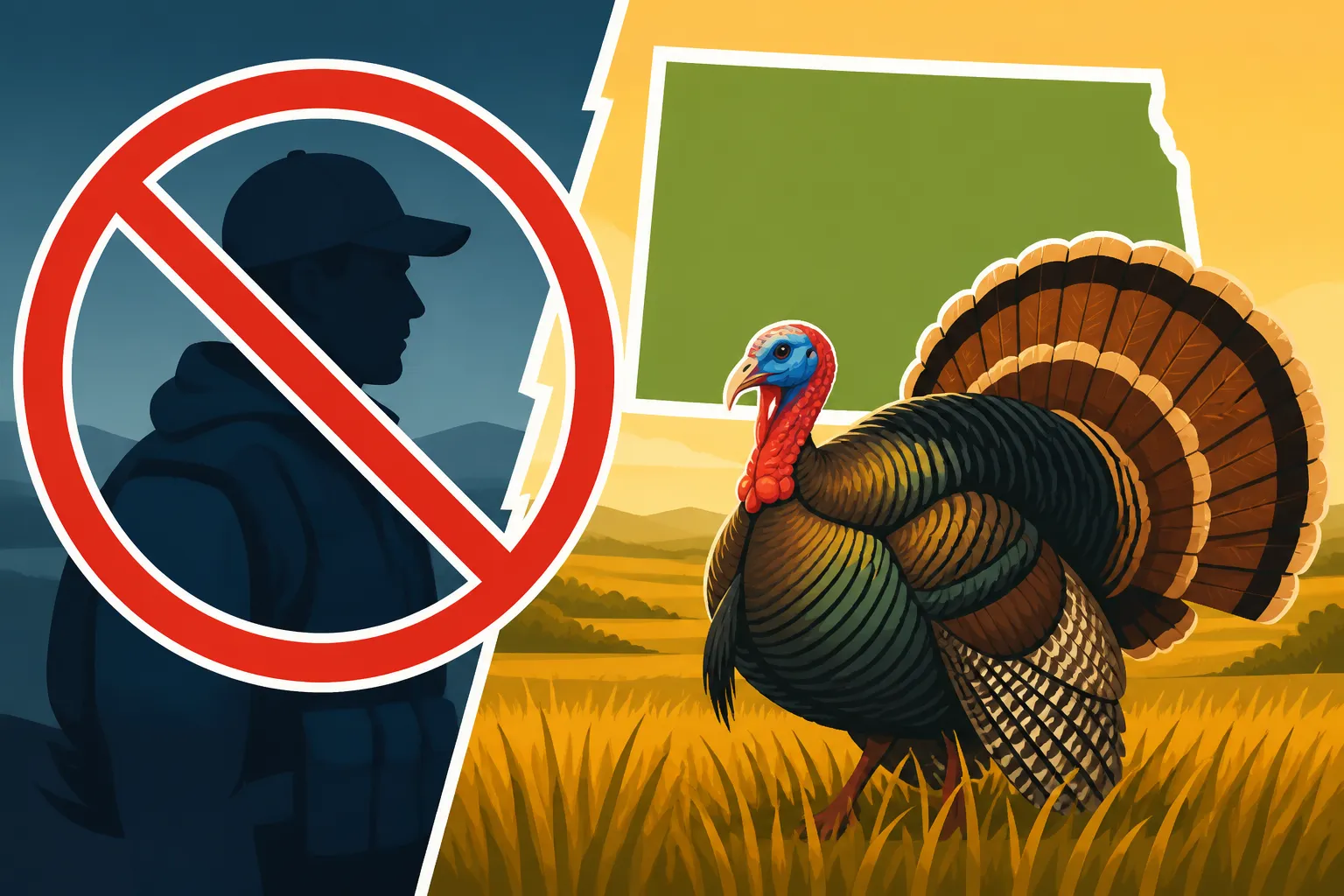
It's incredibly frustrating when you're a nonresident hunter with your sights set on a North Dakota spring turkey, only to discover you can't even apply for a license. Many hopeful hunters, eager to experience the state's picturesque prairies and river bottoms in pursuit of a gobbler, hit a brick wall at the application stage. This guide will meticulously unpack the specific reasons why North Dakota's spring turkey season remains exclusively for residents, offering insight into the policy and discussing alternative opportunities for those visiting the Peace Garden State.
The Core Reason: North Dakota's Resident-First Philosophy
North Dakota's approach to game management, particularly for species like wild turkey, often prioritizes its resident hunters. This isn't unique to the state, but it's a deeply ingrained philosophy that shapes many of its hunting regulations, especially for highly sought-after or more limited opportunities. The intent is to ensure that the state's own citizens have the primary access to hunting resources, which are considered a public trust for those who contribute directly through their taxes and license purchases over the long term.
Prioritizing Local Hunters for Limited Resources
The decision to limit spring turkey tags to residents stems from a desire to manage hunter numbers and maintain a high-quality hunting experience for the state's permanent population. Think about it: North Dakota isn't teeming with vast, dense forests like some eastern states. While turkeys thrive in certain areas, the available habitat that supports strong, healthy turkey populations is more concentrated and, therefore, considered a more limited resource. Allowing an influx of nonresident hunters, especially for a popular spring season, could quickly overwhelm these areas, leading to overcrowding, increased pressure on turkey populations, and a diminished experience for everyone involved. The state manages the resource by ensuring that those who live here get the first, and often only, crack at these opportunities.
The North Dakota Game and Fish Department constantly monitors turkey populations, considering factors like winter survival, brood success, and habitat availability. They then allocate licenses based on these biological assessments. When a resource is perceived as finite or sensitive to increased pressure, a resident-only policy becomes a key management tool. This ensures sustainable hunting for years to come, a long-term goal that resonates deeply with local hunters and conservationists.
A History of Successful Turkey Restoration Efforts
It's also important to remember the journey North Dakota has taken with its wild turkey populations. Turkeys weren't always widespread across the state. In fact, aggressive restoration efforts, involving trapping and relocating birds, played a crucial role in establishing the healthy flocks we see today in river bottoms, shelterbelts, and timbered draws. These efforts required significant investment from state agencies, funded largely by resident license fees and federal excise taxes on hunting equipment (which residents also contribute to).
Because of this history, there's a strong sense of ownership and stewardship among North Dakota residents when it comes to the turkey resource. Many have witnessed the turkeys' resurgence firsthand and feel a vested interest in their careful management. The resident-only spring season is, in a way, a recognition of that investment and a commitment to ensuring that the benefits of those successful restoration programs primarily accrue to the state's own hunting community. It's a testament to the idea that some resources are preserved for the communities that helped bring them back. You can learn more about how the state manages these efforts by looking at North Dakota Turkey Population Trends.
How the Spring Turkey Lottery Works for Residents (and Why You're Excluded)
Understanding the application process for North Dakota residents really highlights why nonresidents are explicitly left out of the spring turkey season. It's a system built from the ground up to serve the resident hunter, with no provisions for out-of-state applicants.
Eligibility and Application: A Resident-Only Affair
For residents, applying for a spring turkey license is a relatively straightforward process, albeit a lottery. They simply head to the North Dakota Game and Fish Department website or use their mobile app, complete the application, and pay the fee by the deadline. It's important to note that even for residents, success in the lottery isn't guaranteed, especially in popular units. This underscores the limited nature of the resource and the management efforts to control harvest.
| Applicant Type | Spring Turkey Eligibility | Fall Turkey Eligibility |
|---|---|---|
| North Dakota Resident | Yes, via lottery | Yes, via over-the-counter or lottery |
| Nonresident | No | Yes, via over-the-counter or lottery |
The application portal itself simply doesn't have an option for nonresidents to select a spring turkey tag. If you attempt to navigate the system as a nonresident, you'll quickly find that this particular season isn't available to you. This isn't an oversight or a technical glitch; it's a deliberate policy choice, deeply rooted in the state's wildlife management philosophy. The department prioritizes opportunities for those who live, work, and primarily hunt within its borders, maintaining control over hunter density and ensuring local access to a valued game animal. Residents often apply for various hunting opportunities through the same portal, which can be found in information like North Dakota Resident License Options.
Understanding License Allocation and Success Rates for Locals
The number of spring turkey licenses issued to residents each year varies by hunting unit and is directly tied to population estimates and management goals. The Game and Fish Department conducts annual surveys, including listening routes to count gobbling activity, to assess the health and distribution of turkey flocks. Based on this data, they determine how many licenses can be issued in each unit without negatively impacting the long-term population.
Even with a resident-only focus, some units are highly sought after, leading to lower drawing odds for residents. This further reinforces the idea that adding nonresident pressure to the spring season would likely push success rates even lower for everyone, potentially leading to widespread dissatisfaction. By keeping it resident-only, the department can more precisely manage the number of hunters and strive for reasonable success rates for its local constituents. This meticulous allocation process is a cornerstone of responsible wildlife management, ensuring that recreational opportunities are balanced with conservation imperatives, and it directly influences decisions like North Dakota Spring Turkey Application Deadline.
What Options Remain for Nonresident Turkey Enthusiasts in North Dakota
While the news about spring turkey might be a letdown, it certainly doesn't mean North Dakota is off-limits for nonresident turkey hunters entirely. The state offers other fantastic opportunities, and it's important to know where to focus your efforts.
Embracing the North Dakota Fall Turkey Season
Here's the silver lining for nonresident turkey hunters: North Dakota does offer a fall turkey season, and nonresidents are generally eligible to apply for or purchase tags for it. The fall season provides a completely different, yet equally rewarding, hunting experience. Instead of calling in lovesick gobblers, fall hunting often focuses on breaking up flocks and calling in lost birds, or simply ambushing them in feeding areas. You can hunt either sex, which often makes success rates higher.
The fall season also tends to have a more generous allocation of licenses, and often, tags can be purchased over-the-counter rather than going through a lottery, especially later in the season or in certain units. This means you have a much better chance of securing a tag and planning a hunt. This is a prime example of how the state balances resident priority with offering some opportunities to nonresidents. Learning the intricacies of this season is key, and resources like North Dakota Fall Turkey Season Rules or North Dakota Fall Turkey License Availability are invaluable. When you're ready to research, tools like BookYourHunt can connect you with potential outfitters in other states, or even assist in finding other guided experiences if you're looking for a comprehensive package.
Exploring Other Resident-Only or Limited Nonresident Opportunities
Beyond fall turkey, North Dakota still offers a wealth of hunting experiences for nonresidents, depending on the species and season. While the spring turkey remains out of reach, don't let that deter you from exploring other fantastic options. For instance, the state is renowned for its pheasant hunting, with ample public and private land opportunities available to nonresidents. Waterfowl hunting is another massive draw, with the state situated in the heart of the Prairie Pothole Region.
When researching these other hunts, you might find that while some are resident-only (like moose or bighorn sheep, which are once-in-a-lifetime draws for residents), many are fully accessible to nonresidents. It's all about understanding the specific regulations for each species and season. Sites like GoHunt are excellent for mapping out various hunting units, researching success rates, and understanding draw odds for different species, which can be crucial for planning any nonresident trip, even if it's not for spring turkey. For general information, understanding North Dakota Hunting Licenses and What They Cost is always a good starting point. While spring turkey may be resident-only, The Standing Rock Nation's Separate Turkey Tags sometimes offer additional opportunities that nonresidents can explore, so it's always worth checking specialized rules for tribal lands.
Looking Ahead: Factors Influencing Future License Policy
It's natural to wonder if North Dakota's nonresident spring turkey policy might ever change. While wildlife management policies are dynamic, the current stance on nonresident spring turkey is deeply entrenched and influenced by several critical factors.
Population Dynamics and Habitat Health Considerations
Any potential shift in license allocation would first and foremost hinge on the health and abundance of North Dakota's wild turkey populations. For the state to even consider opening spring turkey to nonresidents, there would need to be a sustained and significant increase in turkey numbers across many units, far exceeding current management objectives. This kind of robust population growth would also require an expansion of suitable turkey habitat, which can be challenging in a largely agricultural state. Habitat loss or degradation, coupled with harsh winters, can severely impact turkey populations, making any relaxation of current policies highly unlikely in the short to medium term.
The Game and Fish Department consistently monitors key biological indicators. If populations were to soar to levels where limited nonresident harvest could be sustained without impacting resident opportunity or the long-term health of the flocks, then discussions might begin. However, current management focuses on maintaining existing healthy populations for residents, not necessarily on expanding them to accommodate nonresidents for a season like spring turkey.
The Role of Hunter Demand and Management Philosophy
Another crucial factor is resident hunter demand. As long as resident demand for spring turkey tags remains high, and drawing odds are challenging even for locals, there will be little impetus to open the season to nonresidents. The core management philosophy remains anchored in providing primary access to the state's citizens. Any proposal to change this would likely face considerable opposition from resident hunters who value their current access.
The state's management philosophy is to safeguard the quality of its hunting experiences. This includes avoiding overcrowding and minimizing pressure on game populations. For species like turkey, where specific habitats can concentrate birds, maintaining a resident-only spring season helps achieve these goals. While other states have different models, North Dakota's approach reflects its unique landscape, hunter demographics, and conservation history. So, while it's not impossible for policies to evolve over time, the current biological and social factors suggest that nonresident spring turkey hunting in North Dakota will remain an aspiration rather than a reality for the foreseeable future. If you're considering other options, it's always good to be familiar with North Dakota Hunter Education Requirements for any species you pursue.
Disclaimer
This article is for general informational purposes only and does not constitute professional advice. Laws, prices and regulations vary by location and change over time. Consult a qualified professional for guidance on your specific situation.