Financing a Multi-Day North Dakota Hunt Package
Planning a multi-day hunting trip to North Dakota can feel like a monumental task, especially when you start to consider the financial commitment involved. It's easy to get overwhelmed by the initial price tags you see for packages or the cumulative cost of licenses, travel, and gear. This guide is here to walk you through the practical steps of financing your North Dakota hunting adventure, ensuring that your dream trip becomes a realistic, achievable goal rather than just a distant wish.
Understanding the Full Financial Picture of Your North Dakota Hunt
Before you can even begin to think about how to pay for your multi-day hunt, you need a clear, realistic understanding of all the costs involved. Many hunters make the mistake of only looking at the outfitter's package price, forgetting that there are numerous other expenses that add up quickly. A true financial picture includes everything from licenses to tips to unexpected roadside emergencies.
Deconstructing the Package Price
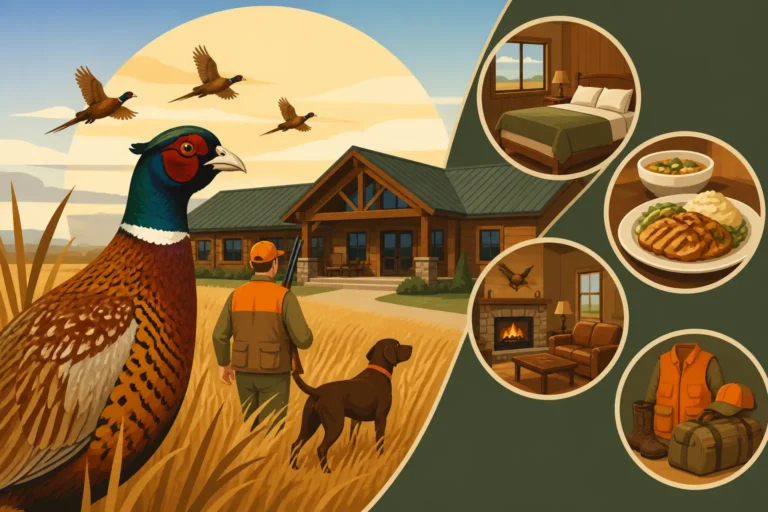
When you look at a multi-day hunting package from an outfitter, whether for pheasant, waterfowl, or even a coveted deer or elk tag, what exactly is included? This is your first crucial question. Some "all-inclusive" packages genuinely cover almost everything from lodging and meals to guides, dogs, and field transportation. Others might be "semi-guided" or just include guiding services, leaving you responsible for food, lodging, and transportation.
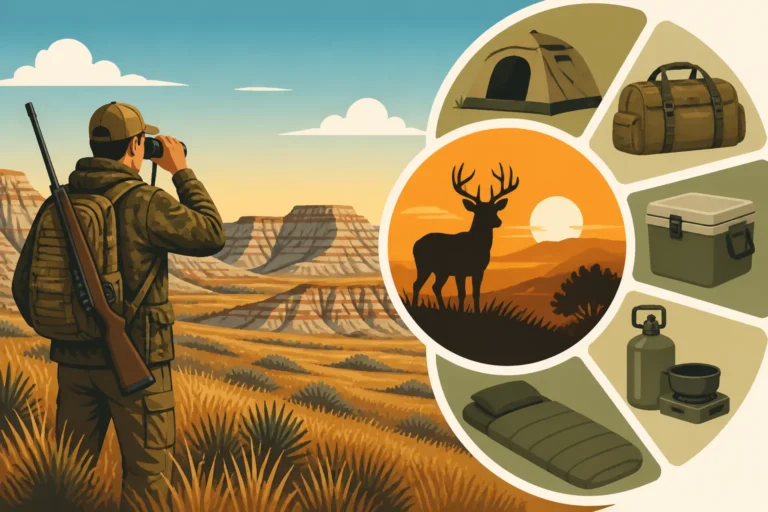
For instance, a pheasant hunt might include guides and dogs, but you're expected to bring your own shells, waders, and rain gear, not to mention paying for your own hotel and evening meals in town. A fully outfitted big game hunt, on the other hand, might include wall tents, a camp cook, and horses to get into the backcountry. The difference in price can be substantial, reflecting these inclusions. Always ask for a detailed breakdown of what the package price does and does not cover. This initial clarity is paramount for accurate budgeting. You might find great deals on sites like BookYourHunt that list inclusions clearly, but it's always wise to double-check directly with the outfitter.
Beyond the Outfitter: Hidden and Necessary Expenses
Even the most comprehensive package won't cover every single cost associated with your hunt. These additional expenses are where many hunters get blindsided, leading to financial stress during what should be an enjoyable trip.
Consider your travel. Are you driving from a few states over, or flying across the country? Factor in gas, wear and tear on your vehicle, potential overnight stays en route, and airport parking if flying. If you're flying, what about checked bag fees for your firearm or extra luggage for gear? Then there are the licenses and stamps. North Dakota has various options, from a North Dakota Resident License Options to North Dakota Nonresident License Options, including specific stamps for migratory birds. Don't forget the cost of your federal duck stamp if you're hunting waterfowl. Ammunition, broadheads, new hunting boots, specific cold-weather gear, or a new pack – these might seem like small individual purchases, but they accumulate.
Tips for guides, cooks, or other camp staff are another significant, yet often overlooked, expense. These professionals work incredibly hard to make your hunt successful and comfortable, and tipping is customary. Think about how much you'd budget for daily tips, as this can add hundreds of dollars to your overall cost over a multi-day trip. Finally, there are personal expenses: souvenirs, an extra coffee, or that unexpected emergency repair to your truck or a last-minute gear replacement. Always build in a buffer for these unforeseen costs.
Here’s a simplified table to help visualize these categories:
| Cost Category | Typical Inclusions/Considerations | Examples for a Multi-Day Hunt |
|---|---|---|
| Outfitter Package | Guiding, lodging, meals, transportation, specific gear (dogs/decoys) | 3-day pheasant hunt package, 5-day guided deer hunt |
| Licenses & Permits | Base license, specific game tags, state stamps, federal stamps | North Dakota Nonresident Deer Gun Lottery Cost, HIP cert. |
| Travel | Fuel, flights, lodging en route, vehicle maintenance, tolls | Round trip airfare from TX, 1,000 miles of driving |
| Gear & Supplies | Ammunition, clothing, waders, calls, optics, field snacks | Box of shells, new camo jacket, propane for camp stove |
| Tips | Guides, cooks, camp staff, bird cleaners | Daily tips for guides, end-of-trip tip for cook |
| Food & Drink | Meals not included in package, snacks, beverages | Dinners out, groceries for lunches, coffee |
| Processing/Shipping | Meat processing, taxidermy, shipping antlers/meat home | Local butcher fee, CWD testing fees |
| Contingency Fund | Unexpected repairs, emergency supplies, personal items | Flat tire repair, forgotten toiletries, minor medical |
Smart Budgeting Strategies to Fund Your Hunting Dream
Once you have a realistic total cost estimate, the next step is to figure out how to gather those funds without breaking the bank or putting yourself in a difficult financial position. This requires thoughtful planning and often, a commitment to saving over time.
Setting Up a Dedicated "Hunt Fund"
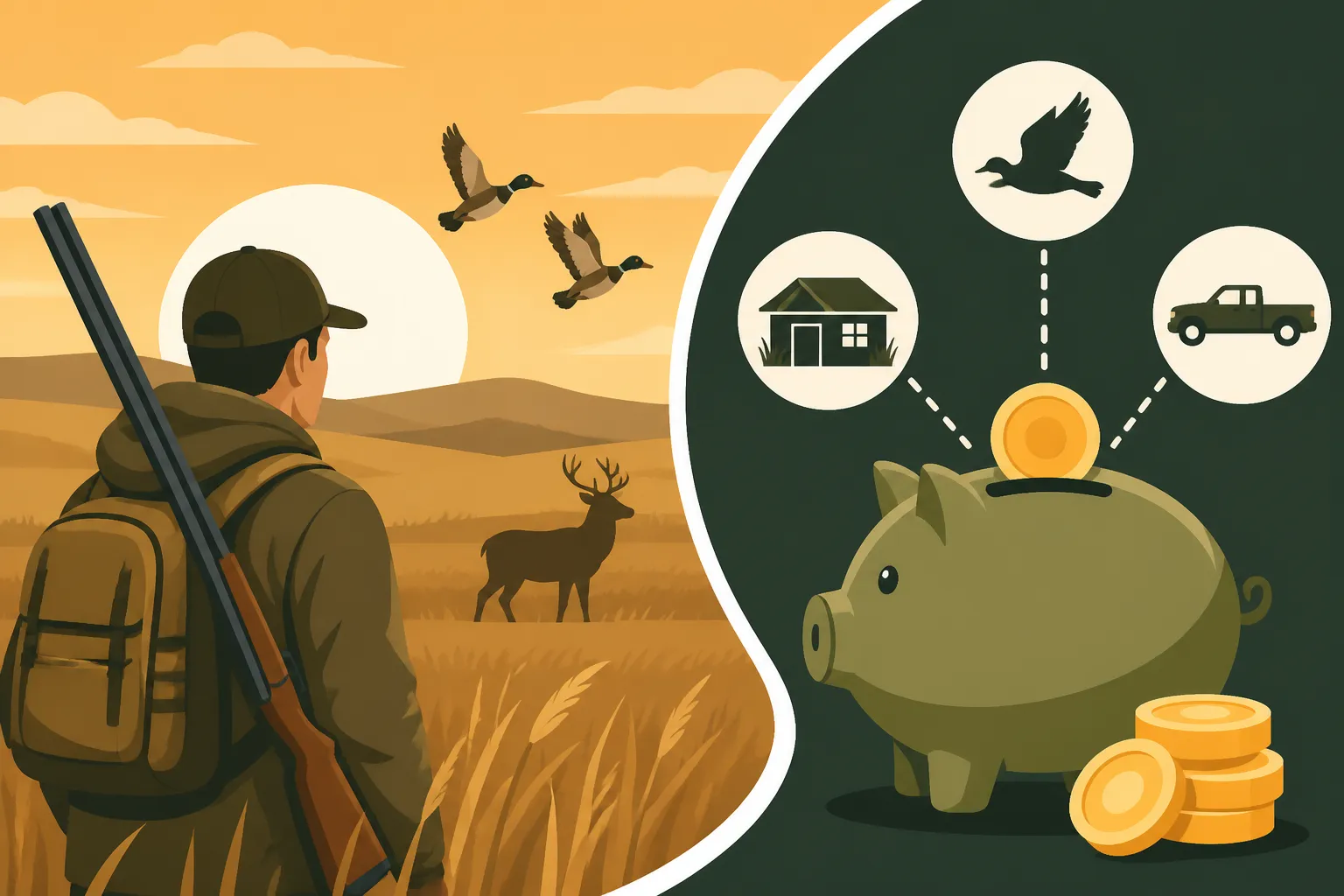
One of the most effective strategies is to create a specific savings account or fund solely for your hunting trips. Label it clearly: "North Dakota Pheasant Hunt 20XX" or "Badlands Mule Deer Fund." This isn't just a mental exercise; it's a powerful psychological tool. When you see money accumulating in that specific fund, it reinforces your goal and makes you less likely to dip into it for other expenses.
Start by breaking down your total estimated cost into smaller, manageable monthly or weekly contributions. If your hunt is a year away and costs, say, a significant sum, dividing that by twelve months gives you a clear target for regular deposits. Treat these contributions like any other bill – a non-negotiable expense that gets paid first. Many banks offer automated transfers, so you can set it and forget it, slowly building up your war chest. Websites like GoHunt often have tools or articles that help hunters plan their lottery applications and associated costs, which can then feed into your savings goal.
Creative Ways to Boost Your Savings
Saving for a big hunt doesn't always mean just cutting back drastically on essentials. Often, it involves finding creative ways to generate extra income or reallocate existing funds.
Consider a "side hustle." Do you have a skill you can monetize? Offer freelance writing, graphic design, handyman services, or even dog walking. Every extra dollar earned goes straight into the hunt fund. Another option is to sell unused gear. That old rifle you don't shoot anymore, the extra set of waders, or camping equipment gathering dust in the garage could fetch a surprising amount. Think about items you haven't used in a year or two and convert them into hunting capital.
Look at your discretionary spending. Could you pack your lunch instead of eating out twice a week? Skip a few streaming subscriptions for a few months? Delay a non-essential purchase? These small changes, consistently applied, can add up significantly. Instead of just "saving money," think of it as "funding your hunt." It changes your perspective and makes the sacrifices feel less like deprivation and more like an investment in an unforgettable experience.
Navigating Payment Options and Financial Planning
When it comes to actually paying for your multi-day North Dakota hunt, understanding typical payment structures and choosing the right financial tool is crucial. Most outfitters require a deposit, and the balance will be due at a later date, often well before the hunt itself.
Deposits, Payment Plans, and Timing
Most outfitters, especially for popular hunts like North Dakota's Lottery-Based Deer Gun Season or Booking a Guided North Dakota Pheasant Hunt, require a non-refundable deposit to secure your spot. This deposit is usually a percentage of the total package price and is due far in advance – sometimes a year or more out, especially for prime dates. This allows the outfitter to manage their bookings and ensures serious commitment from hunters.
The remaining balance will typically be due anywhere from 60 to 120 days before your hunt starts. This payment structure gives you time between the initial deposit and the final payment to continue saving. Always clarify these deadlines when booking. Missing a payment deadline could result in losing your deposit or even your spot. If you're booking through a platform like BookYourHunt, their terms and conditions for payment schedules will usually be clearly laid out.
Some outfitters, especially smaller operations, might be open to more flexible payment plans if you communicate your needs upfront. It never hurts to ask if they'd allow you to make smaller, more frequent payments over time, rather than just the deposit and a lump sum balance. However, don't assume this is an option; always confirm directly with the outfitter.
Considering Personal Loans or Credit Cards
For some hunters, covering the full cost of a multi-day package might require external financing. This is where you need to be particularly cautious and realistic about your financial situation.
A personal loan from a bank or credit union can be an option for a larger sum. These usually come with fixed interest rates and repayment terms, making your monthly obligations predictable. The key here is to ensure you can comfortably afford the monthly payments before taking out the loan, and that the interest rate won't make your hunt prohibitively expensive in the long run. Calculate the total cost of the hunt plus interest.
Credit cards offer immediate liquidity, but they are often the most expensive option due to high interest rates if you don't pay off the balance quickly. Using a credit card might be viable if you have a card with a 0% introductory APR offer and are confident you can pay off the entire balance before the promotional period ends. Otherwise, carrying a large balance for a hunting trip can quickly turn a dream into a financial burden. Think long and hard before using high-interest credit for a discretionary expense like a hunting trip. Always consider Travel Insurance for a Nonresident Hunting Trip as well, which can protect your investment if unforeseen circumstances force a cancellation.
Strategies for Making Your Hunt More Affordable
Beyond just saving and budgeting, there are ways to actively reduce the overall cost of a multi-day North Dakota hunting experience.
Off-Peak Seasons and Weekday Hunts
Just like any travel, hunting has its peak times. Opening weekend for pheasant, the whitetail rut in early November, or prime waterfowl migration dates are often the most expensive and most booked. If your schedule allows, consider booking your multi-day hunt during off-peak periods or on weekdays. Outfitters might offer slightly reduced rates or more flexibility during these slower times.
For example, late-season pheasant hunts, while colder, can still be incredibly productive and might come with a more attractive price point. Or, booking a deer hunt outside the two-week peak of the rut could save you some money. You might also find better deals on lodging or flights if you travel during the week. This flexibility can make a significant difference in your total expenditure.
Group Hunts and Shared Expenses
Hunting with a group is often more fun, and it can also be more economical. Many outfitters offer group discounts, and even if they don't, you can split costs like lodging, gas, groceries, and even guide tips. Booking a North Dakota Hunting Lodges and Packages for a group can significantly reduce the per-person cost compared to individual hotel rooms.
Imagine splitting the cost of a large rental SUV or a cabin on a North Dakota Wildlife Management Areas with three or four friends. Suddenly, transportation and accommodation become much more manageable. Just be sure to clarify all financial expectations upfront with your hunting partners to avoid any awkward situations down the road. A clear understanding of who is responsible for what payment is vital for a smooth group trip. For self-guided hunts, North Dakota Hunting Lease Costs can also be shared, making private land access more attainable.
Exploring Semi-Guided or Self-Guided Options
If a fully outfitted multi-day package is simply out of reach financially, consider semi-guided or even fully self-guided options. A semi-guided hunt might include an outfitter providing scouting information, access to private land, or basic lodging, but you do the actual hunting yourself. This significantly reduces the cost compared to a fully guided experience.
For the truly budget-conscious and adventurous hunter, a self-guided trip to North Dakota's vast public lands, such as Public Hunting Land in North Dakota or The PLOTS Program Explained, can be incredibly rewarding. You'd be responsible for all your logistics, gear, and scouting, but the primary costs would be licenses, travel, and your own equipment. This requires a lot more planning and effort on your part, but it offers the ultimate control over your budget. You'll need to purchase your North Dakota Nonresident Small Game License Cost and perhaps a North Dakota General Game and Habitat License Cost but save considerably on outfitter fees.
Ultimately, financing a multi-day North Dakota hunt is about detailed planning, disciplined saving, and making informed choices that align with your budget and hunting goals. It’s an investment in an experience, and with a solid financial strategy, that experience can be yours.
Disclaimer
This article is for general informational purposes only and does not constitute professional advice. Laws, prices and regulations vary by location and change over time. Consult a qualified professional for guidance on your specific situation.