Booking Around the PLOTS Access Restriction
Picture this: you've spent months dreaming of your North Dakota archery hunt, scouting maps, practicing your draw, and finally booking time off work. Then you dive into the regulations, only to discover a significant hurdle for nonresident deer and pronghorn hunters aiming for those early season weeks on public land. This restriction on accessing Private Land Open To Sportsmen (PLOTS) until mid-September can throw a serious wrench into your plans. This guide is here to unravel the complexities of North Dakota's PLOTS access restriction for nonresident hunters, offering practical strategies and insights to help you plan a successful hunt.
Understanding the PLOTS Restriction for Nonresidents
Navigating hunting regulations can feel like deciphering a secret code, especially when you're traveling from out of state. One particular rule that often catches nonresident archery hunters off guard in North Dakota is the restriction on accessing PLOTS land for deer and pronghorn during the early part of the season. It’s a crucial detail that can significantly impact your hunting strategy and requires careful planning to avoid frustration in the field.
What is PLOTS Land?
First, let's clarify what we're talking about when we mention PLOTS land. PLOTS stands for Private Land Open To Sportsmen. This is a fantastic program run by the North Dakota Game and Fish Department, where private landowners voluntarily enroll their land to provide public hunting access. These parcels are typically marked with distinctive yellow signs and offer thousands of acres for hunters who might otherwise struggle to find public ground in a state with a lot of private ownership. For many resident hunters, PLOTS land is a lifeline, providing crucial opportunities across the state. You can learn more about The PLOTS Program Explained.
The goal of the program is to expand public access and foster good relationships between landowners and hunters. It's a win-win: landowners receive some compensation, and hunters get more places to pursue game. Without this program, finding unposted ground to hunt, especially for species like pheasants and deer, would be significantly harder for many. The sheer volume of these tracts, often spread throughout prime habitat, makes them incredibly valuable.
The Nonresident Archery Deer and Pronghorn Restriction
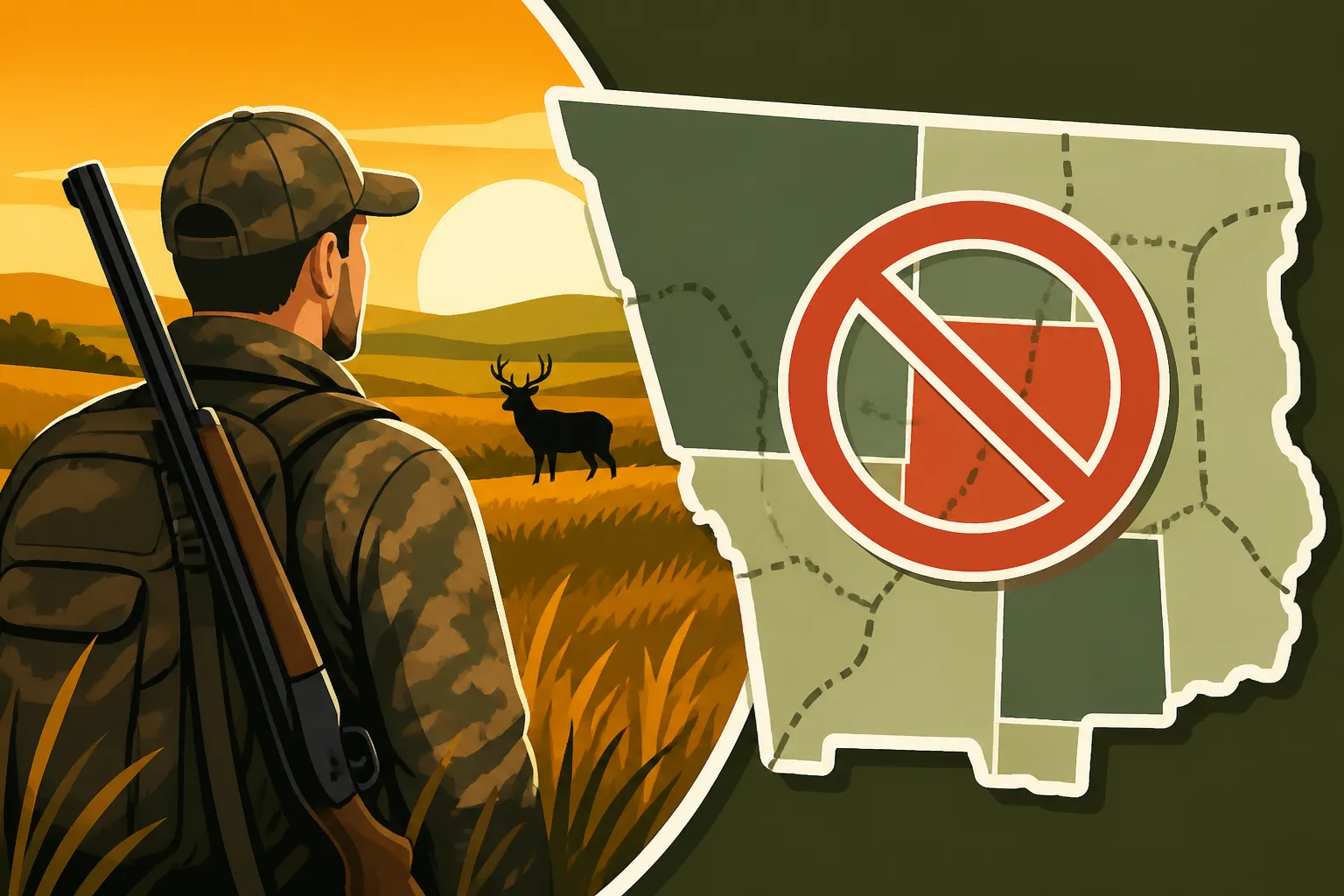
Here's where the specific challenge arises: for nonresident hunters pursuing deer or pronghorn with archery equipment, access to PLOTS land is restricted until September 15th. This means that even though the North Dakota archery season for deer often opens in late August or early September, nonresidents cannot step foot on PLOTS ground specifically for deer or pronghorn hunting until that mid-September date. This rule is clearly outlined in the annual proclamation and is in place to prioritize hunting opportunities for residents during the initial weeks of the season, especially as deer behavior is often more predictable and less pressured.
For a nonresident who plans their trip for opening week, this can be a real punch to the gut. You might arrive with your bow in hand, eager to hit those public land hotspots you've scouted online, only to realize they are off-limits for your target species. It's not about being exclusive, but about managing pressure and opportunity. This specific restriction is distinct from other general nonresident license rules, like those for waterfowl, and it's vital to understand the difference. Make sure to check How Many Days Nonresidents Wait for Public Land Bow Access for precise dates each year.
Strategies for Hunting Before September 15th
If you're a nonresident archery hunter determined to be in North Dakota before the September 15th PLOTS opening for deer and pronghorn, don't despair! While the restriction limits your public land options for those specific species, it doesn't mean your entire hunt is a wash. It just means you need to adjust your strategy and focus your efforts elsewhere, or on other species entirely. Adaptability is key when hunting in a state with unique regulations.
Focusing on Private Land Access
The most straightforward way to hunt deer or pronghorn with your bow before September 15th as a nonresident is to secure private land access. This isn't always easy, but it’s definitely achievable with persistence and courtesy. Many North Dakota landowners are receptive to hunters who ask respectfully and follow the rules. It often means literally knocking on doors, introducing yourself, and asking for permission. Be prepared with a map of the property, your license, and a clear understanding of what you're asking to hunt.
Starting early with your requests is crucial. Don't wait until the day before your hunt. Reach out to landowners months in advance, if possible. Some hunters even send letters of introduction. Emphasize that you are a responsible hunter, will respect their property, and will leave no trace. If you can get a reference from another hunter or local, that can also go a long way. This approach allows you to bypass the PLOTS restriction entirely, giving you legal ground to pursue deer and pronghorn during the early archery season. Remember, Getting Private Land Permission in North Dakota is a skill, and it often comes down to building trust.
Hunting Other Species on Public Land
While deer and pronghorn on PLOTS are off-limits, other public land opportunities might still be available for different species. For instance, small game hunting often begins earlier and might be permitted on various public lands, including some PLOTS tracts, even before September 15th. This could include species like rabbits, squirrels, or even some upland birds, depending on specific season dates and regulations.
If you're primarily focused on big game, this might not be your first choice, but it can be a great way to experience North Dakota's outdoors and scout for deer sign while you're there. Just be absolutely certain to check the regulations for your specific target species and the type of public land you're on. Always confirm what's open to nonresidents for which species on which land type before you head out. A multi-species trip could be a fun way to experience the state.
Utilizing Online Resources and Outfitters
Even when facing restrictions, modern technology and services can help. Websites and apps can assist in identifying potential private land to approach. Tools like hunting land apps often show property boundaries and landowner names, giving you a starting point for your research and outreach. While you can't use them to identify PLOTS land you can't hunt, you can use them to find private land to request access for.
For those who prefer a more structured approach or have limited time to scout, engaging a private land outfitter who operates on properties with secured access is another viable option. These outfitters have already done the legwork, securing permission from landowners, and can guide you to productive areas that are open to nonresidents year-round. While not a "self-guided" approach, it's a way around the restriction. When considering an outfitter, platforms like BookYourHunt can be a good starting point for finding reputable services that operate on private land, but always verify their specific access arrangements and how they cater to nonresident early-season hunts. Remember to vet them thoroughly as described in Vetting a North Dakota Hunting Outfitter.
Strategies for Hunting After September 15th
Once September 15th rolls around, the landscape of opportunities for nonresident archery deer and pronghorn hunters in North Dakota changes dramatically. The PLOTS restriction lifts, opening up a vast amount of previously inaccessible public hunting land. This shift allows for a much broader range of strategies, making the mid-to-late September period, and beyond, a prime time for many nonresident hunters.
Full PLOTS Access for Deer and Pronghorn
After September 15th, nonresident archery hunters gain full access to all enrolled PLOTS land for deer and pronghorn. This is when your careful scouting of these areas, perhaps done virtually or by driving past, finally pays off. Suddenly, thousands of acres of prime habitat—ranging from crop field edges and shelterbelts to prairie potholes and river bottoms—become legal hunting ground. This expanded access allows you to truly embrace a self-guided experience across various North Dakota landscapes.
The key here is to have your plan ready. Know which PLOTS tracts you want to hit, understand the terrain, and be aware of any recent activity or pressure. The North Dakota Game and Fish Department typically releases updated PLOTS guides and maps well in advance of the season, and checking these resources regularly is essential. Utilize tools like the ND Hunt App or GoHunt's mapping features to pinpoint specific PLOTS locations and cross-reference them with aerial imagery and topographic maps. This is when all that armchair scouting transitions into real-world opportunity. You might want to review Scouting PLOTS Land Before Season to maximize your efforts.
The Benefit of Less Pressure on Private Land
Even if you've already secured private land access, the lifting of the PLOTS restriction can subtly benefit your hunt. With more public land available, some of the pressure on private land might slightly decrease as hunters spread out. While many private landowners still prefer to limit hunter numbers, the general psychological shift can create a more relaxed hunting environment.
Furthermore, hunting private land after September 15th still offers the advantages of potentially less competition and the ability to manage deer movement more effectively. If you've built a good relationship with a landowner, you might have exclusive access to prime areas, regardless of public land availability. This combined approach – having private land options while also being able to check out PLOTS – offers the most flexibility. Consider Hunting Small Private Tracts in North Dakota for more insights on this.
Optimal Timing Considerations
Beyond simply having access, hunting in the latter half of September and into October can offer excellent opportunities. The weather often cools, deer activity can pick up, and the landscape starts to change, providing different hunting conditions. While the rut doesn't typically kick in until later (think late October into November), the post-September 15th period can still be highly productive.
The table below outlines a general comparison of nonresident archery deer/pronghorn hunting options before and after the PLOTS restriction lifts. This isn't just about legality, but about understanding the strategic advantages and disadvantages of each timeframe for a nonresident planning an archery hunt.
| Factor | Before September 15th | After September 15th |
|---|---|---|
| PLOTS Access (Deer/Pronghorn) | Restricted for nonresidents | Full access for nonresidents |
| Primary Access Strategy | Private land permission, guided hunts | PLOTS land, private land permission, guided hunts |
| Public Land Species Options | Small game, some waterfowl (check regs) | Deer, pronghorn, small game, waterfowl |
| Pressure on Accessible Land | Higher on available private land, if not exclusive | Potentially more spread out across PLOTS and private |
| Pre-rut Activity | Minimal | Increasing, deer starting to move more |
| Weather | Can be warm, early fall conditions | Generally cooler, more stable fall weather |
| Scouting Importance | Critical for finding private access or alternative species | Critical for identifying productive PLOTS tracts |
Navigating Specific Scenarios and Planning Your Trip
Understanding the PLOTS restriction is just the first step. The real challenge comes in translating that knowledge into a successful hunting trip. Nonresidents often have limited time and resources, making efficient planning even more critical. Let's delve into some specific considerations to help you navigate your North Dakota archery adventure effectively.
Blending Hunt Types and Species
One smart approach for nonresidents is to plan a "hybrid" trip. If you arrive before September 15th, you could dedicate those initial days to pursuing small game or even waterfowl on public lands that are open to you, while simultaneously trying to secure last-minute private land access for deer. Once the 15th hits, you can then shift your focus entirely to archery deer or pronghorn on PLOTS. This maximizes your time and increases your chances of success across multiple fronts.
For example, you could spend the first few days Hunting Sharptail Grouse Hunting Mixed Grass Prairie or Hunting Hungarian Partridge Field Edges on public land that permits it, allowing deer season to open fully later in your trip. This flexibility adds value to your journey and offers diverse hunting experiences, rather than putting all your eggs in one basket that might be subject to the PLOTS restriction.
The Importance of Current Regulations
Rules and dates can sometimes shift slightly from year to year, so relying on outdated information is a surefire way to run into trouble. Before you finalize any plans, always consult the most current North Dakota Game and Fish Department hunting proclamation. This is your bible for dates, regulations, and any changes that might impact your hunt. The online portal for purchasing licenses usually links directly to the latest regulations, ensuring you have the correct information at your fingertips.
This goes beyond just PLOTS access; it includes license requirements, blaze orange rules (if you hunt multiple seasons), weapon restrictions, and reporting requirements. For instance, knowing the North Dakota Archery Season Opening Day and North Dakota archery season closing date are fundamental, but the nuances of PLOTS access for nonresidents within those dates are just as vital. Do your homework, read the fine print, and don't assume anything.
Leveraging Technology for Planning
In today's hunting world, technology is your best friend. Utilize mapping apps that show land ownership boundaries, including PLOTS tracts. While these won't tell you when you can hunt PLOTS as a nonresident, they are invaluable for identifying the land itself. You can mark potential stand sites, entry/exit routes, and areas of interest long before you set foot in the state.
Platforms like GoHunt provide robust mapping tools that integrate various data layers, making it easier to identify potential private land access points, understand habitat types, and virtually scout large areas. For finding guide services on private land, BookYourHunt can connect you with outfitters who specifically cater to early-season nonresident deer hunters, helping you circumvent the PLOTS restriction entirely by hunting already-secured private parcels. These tools won't replace boots on the ground, but they can significantly reduce wasted time and increase your efficiency once you're there.
Remember, planning a hunt in North Dakota as a nonresident, especially with specific restrictions like the early PLOTS access for deer and pronghorn, requires diligence. But with careful preparation, a flexible mindset, and an understanding of the available strategies, you can absolutely have a memorable and successful experience in the Peace Garden State.
Disclaimer
This article is for general informational purposes only and does not constitute professional advice. Laws, prices and regulations vary by location and change over time. Consult a qualified professional for guidance on your specific situation.