Blood Trailing After Dark in North Dakota
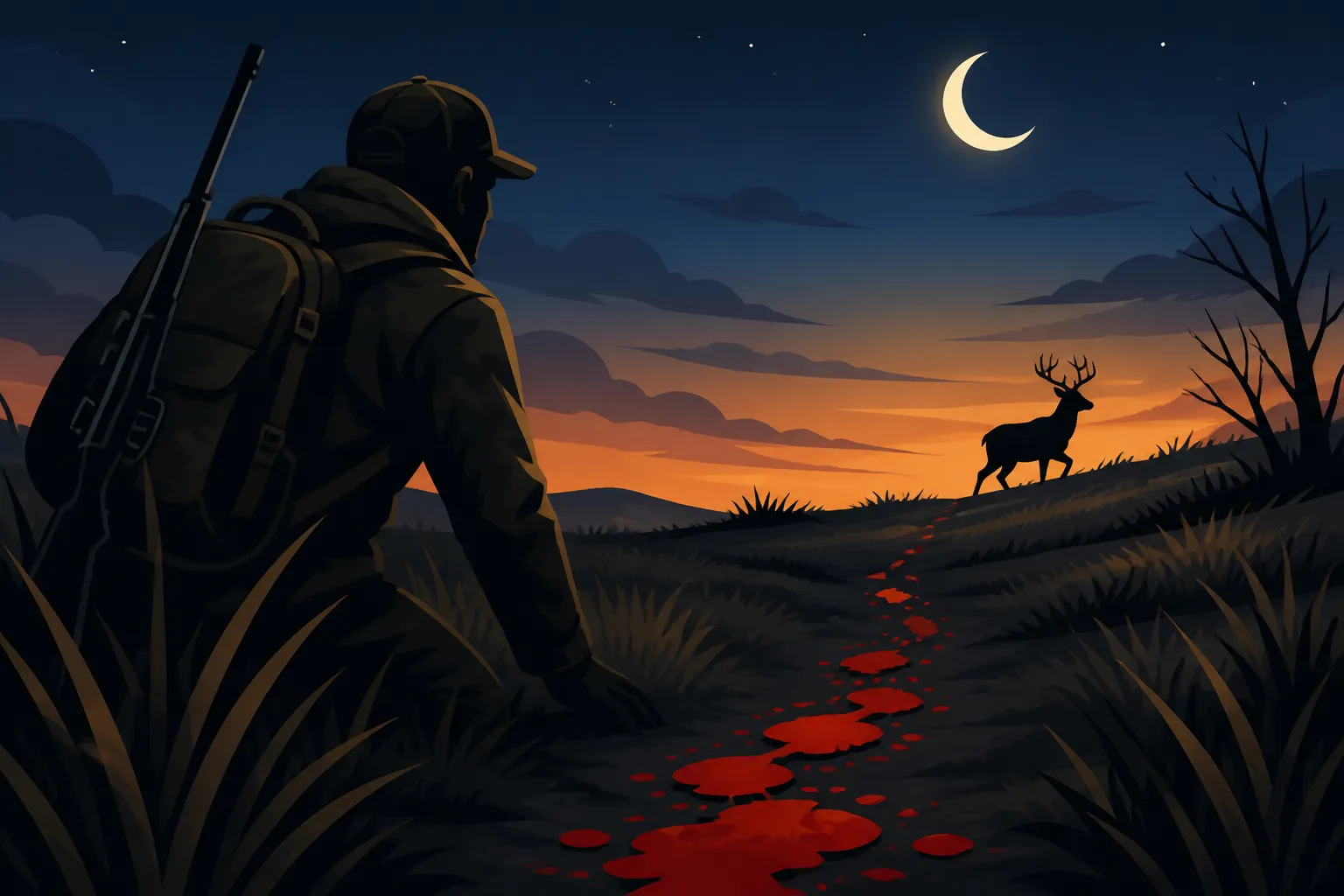
There’s a moment every hunter dreads: the sound of the shot, followed by an unsettling silence, or worse, the thud of hooves disappearing into the twilight without a clear visual of the animal going down. You know you hit something, but the deer didn't drop, and now darkness is rapidly falling over the vast North Dakota landscape. That gut-wrenching feeling of uncertainty, combined with the daunting task of following a faint blood trail in the dark, is enough to make even the most seasoned hunter feel a knot in their stomach. This guide is here to equip you with the knowledge, tools, and ethical considerations to approach blood trailing after dark in North Dakota, maximizing your chances of a successful and responsible recovery.
The Harsh Realities of Night Trailing in North Dakota
Trying to locate a wounded animal when the sun has dipped below the horizon is one of the most challenging situations a hunter can face. It’s not just about the lack of light; it’s about the unique combination of physical and psychological hurdles that intensify with every passing minute of darkness, especially in the diverse and often unforgiving terrain of North Dakota.
Why the Dark Makes Everything Harder
The most obvious challenge is the drastic reduction in visibility. What might be a relatively clear blood trail in daylight becomes a frustrating, barely perceptible smear or drip under artificial light. Blood, especially dried blood or blood on dark soil, becomes incredibly difficult to distinguish from shadows, mud, or vegetation. In North Dakota, where you might be trailing through tall CRP grass, dense shelterbelts, or into the deep, broken terrain of Badlands coulees, this reduced visibility isn't just an inconvenience; it can make an otherwise simple task seem impossible. The wind that whispers across the prairie during the day can kick up dust that covers tracks, and the frost that forms as temperatures drop can obscure what little sign remains.
Furthermore, the darkness amplifies emotional stress. Doubt creeps in: was it a good shot? Did I even hit it? Every misplaced step feels like a mistake. The fear of losing an animal, combined with physical fatigue and the added pressure of time, can lead to poor decision-making. Hunters might rush, miss crucial signs, or get disoriented, losing the very trail they are desperately trying to follow. Imagine trying to follow a faint trail through a thick patch of sunflowers or into the tangled brush along a river bottom. The darkness transforms familiar landmarks into alien shapes, making navigation a secondary, but still critical, challenge. Even bright flashlights can create harsh shadows that hide more than they reveal, playing tricks on your eyes.
Ethical Considerations and When to Back Out
The ethical responsibility to recover an animal you’ve shot is paramount. We owe it to the animal to make every reasonable effort. However, there's a fine line between persistent effort and pushing a marginally wounded animal deeper into cover, potentially making recovery even harder or even spooking it off your property line into unrecoverable areas. If you suspect a gut shot or a muscle hit that isn't immediately fatal, pressing the animal aggressively in the dark can be counterproductive. A pushed deer will often travel much further and may bed down in an even more inaccessible spot.
In North Dakota, where cold temperatures can set in quickly, the decision to back out and wait until morning is often a difficult one. If the weather forecast calls for a hard freeze or fresh snow overnight, waiting might mean losing the trail completely, as any remaining blood could be covered or freeze, making it almost impossible to follow. However, if conditions are stable and you suspect a non-fatal hit, a wounded animal will often bed down nearby, allowing it to stiffen up and expire or become easier to approach in daylight. You need to weigh the chances of finding it now against the risk of losing it permanently by continuing an uncertain trail in the dark. It’s a judgment call, deeply personal and often agonizing, but always rooted in respect for the animal and adherence to the local regulations. It's crucial to know that disturbing other game or crossing property lines without permission are also considerations that grow more complicated in the chaos of a night trail.
Essential Gear for a Successful Night Trail
Approaching a night trail unprepared is like showing up to North Dakota's November Gun Deer Season without a rifle. You simply won't have the tools needed for success. Having the right gear, and knowing how to use it effectively, can significantly increase your chances of recovering your animal and keeping yourself safe in the dark.
Lighting Up the Night
When it comes to light, redundancy and versatility are key. You absolutely need more than one light source, and they should offer different types of illumination.
- Headlamps: These are non-negotiable. A good headlamp frees up both hands, which is vital when you're navigating uneven terrain, parting brush, or marking a spot. Look for models with adjustable brightness and, ideally, a red-light option. While red light doesn't help with blood identification, it preserves your night vision and is less likely to spook other game you might encounter. Many modern headlamps offer a wide flood beam for general navigation and a more focused spot beam for intense scrutiny of the ground. Always carry spare batteries or a power bank.
- High-Lumen Flashlights: A powerful handheld flashlight with a tight, focused beam is excellent for cutting through the darkness and highlighting specific areas. The intense white light can often make blood stand out against certain backgrounds better than a headlamp alone. Streamlight and Fenix are popular brands among hunters for their durability and bright outputs.
- UV Lights: Some hunters swear by UV (ultraviolet) lights for trailing blood. Blood contains compounds that fluoresce under UV light, making it glow. While not always a magic bullet – fresh, wet blood can be hard to see, and some vegetation or even animal urine can also fluoresce – a good UV light can sometimes reveal a faint trail that visible light misses. Experiment with different brands to find one that works for you.
- Lanterns/Area Lights: If you're pausing the search or setting up a temporary command center, a small lantern or area light can provide ambient illumination, making it easier to review maps, check gear, or simply reduce the feeling of being swallowed by the dark.
Remember, battery life is crucial. Always start with fresh batteries in all your lights and carry multiple sets of spares or portable power banks. Nothing is more frustrating than a dying light when you're in the middle of a dense shelterbelt, trying to follow the last speck of blood.
Tools and Aids for the Trail
Beyond lighting, a few other items can make a world of difference when you're trying to locate a deer in the dark expanses of North Dakota.
- GPS Unit or Mapping App: This is arguably as important as your lights. Before you even leave your truck, mark your shot location and the last known position of the animal. As you trail, mark every significant blood spot or change in direction. This creates a virtual breadcrumb trail that allows you to retrace your steps if you lose the actual trail or need to back out. Many hunters find mapping applications like GoHunt indispensable for this, as they overlay public and private land boundaries, topography, and even aerial imagery directly on your phone. This information is critical for avoiding trespass and understanding the terrain ahead. When you're in a unit with specific rules or terrain, knowing your exact location is priceless.
- Flagging Tape: Biodegradable flagging tape (typically orange or pink) is essential for marking the trail. Tie a piece of tape on a branch or bush every time you find a confirmed spot of blood. This not only keeps you on track but also provides a visual reference for anyone else joining the search or if you need to leave and return. The more markers, the better, especially in areas like the mixed grass prairie where visible signs can be sparse.
- Compass and Map: While GPS units and apps are incredibly powerful, electronics can fail. A physical compass and a detailed map of your hunting area serve as a reliable backup. Knowing how to use them, even in the dark, can literally be a lifesaver.
- Small Backpack with Essentials: Pack a small bag with water, high-energy snacks, a basic first-aid kit, field dressing gloves, a knife, and perhaps a small saw. These items might seem minor, but staying hydrated, fed, and prepared for minor injuries will keep you focused and effective for longer.
- Binoculars: Even in the dark, quality binoculars can sometimes help you discern objects or movement at a distance under a strong spotlight, especially in open country or when trying to confirm a downed animal. Thermal optics, if you have them, are even better for locating a warm body in the cold night.
Step-by-Step Night Trailing Techniques
Successfully recovering an animal after dark is less about luck and more about a methodical, disciplined approach. Panic is your enemy; a calm, deliberate strategy is your best ally.
The Initial Approach and Gathering Information
The moments immediately after the shot are crucial, even if you can't see the animal. Don't rush in immediately, especially if you suspect a questionable hit.
- Mark the Shot Location: As soon as you take the shot, mark your exact position. Use your GPS, tie a piece of flagging tape, or note a prominent landmark. This provides a fixed reference point.
- Listen Carefully: After the shot, listen intently for any sounds – a crash, a gurgle, the sound of running hooves fading into the distance. The direction and sound can give you clues about the animal's path and how far it traveled.
- Observe Reaction and Shot Placement: Try to recall the animal's reaction at the shot. Did it mule kick? Hunch up? Run off stiff-legged? Did you see where the arrow or bullet struck? A gut shot deer often hunches, while a heart/lung shot deer might sprint hard for a short distance before crashing. If you filmed your hunt, review the footage immediately.
- Wait (If Necessary): This is often the hardest part, but crucial for marginal hits. For a suspected gut shot, waiting 4-6 hours (or even until morning) allows the animal to bed down and expire. Pushing it too soon will only make it run further. For obvious heart/lung hits, a shorter wait of 30-60 minutes might suffice before Blood Trailing After Dark in North Dakota.
- Gather Your Team: If possible, call a friend or two. More eyes are always better, and the moral support can be invaluable. However, don't bring a large, noisy group that could further spook the animal or obliterate the trail.
Methodical Tracking in the Dark
Once you begin the actual trail, discipline and patience are paramount. This is where your headlamp and flagging tape really shine.
- Go Slow, Stay Low: Move at a snail's pace. Keep your head down, focusing intensely on the ground. Scan side-to-side with your light, looking for blood, disturbed leaves, broken twigs, or scuff marks.
- Flag Every Speck of Blood: Every time you find a confirmed spot of blood, mark it with flagging tape. Even the smallest speck is a clue. This creates a visual path and allows you to confirm you're on the right track. Don't remove the flags until the animal is recovered.
- Use Multiple Searchers: If you have a partner, spread out slightly, perhaps 5-10 yards apart, and sweep your lights over the ground in a coordinated manner. One person can focus on the ground directly ahead, while the other scans for bigger signs or marks flags.
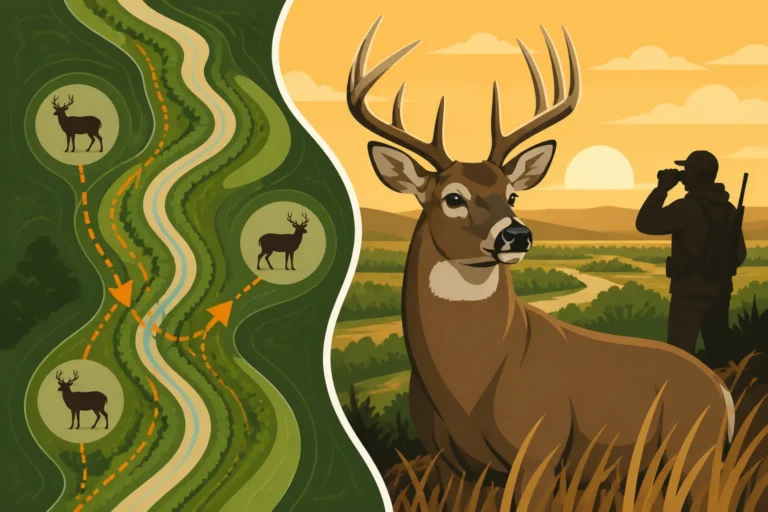
- Look Beyond Blood: Don't rely solely on blood. Look for tracks in soft soil, broken twigs, scuffed leaves, or even strands of hair caught on brush. A gut-shot deer might leave a yellowish-green gut pile. In areas like the Missouri River bottomlands, deer often follow natural game trails, and knowing these patterns can help. Understanding Reading a Missouri River Bottom for Deer can provide crucial insights into deer movement.
- Consider the Animal's Likely Path: Wounded animals often seek the path of least resistance or dense cover. They'll typically go downhill, follow fence lines, or head for the thickest shelterbelt or cattail slough nearby. Keep these natural tendencies in mind, especially if the blood trail becomes intermittent.
- Cross Water Carefully: If the trail leads to a creek or slough, expect the blood to disappear. Search upstream and downstream on the opposite bank. Deer often hesitate at water, so check the entry point for more clues.
Dealing with a Lost Trail and Calling for Help
It's almost inevitable that you'll lose the blood trail at some point. Don't panic; this is normal.
- Go Back to Last Confirmed Blood: When you lose the trail, don't keep pushing forward blindly. Go back to the very last confirmed spot of blood you flagged.
- Circle and Expand: From that last confirmed spot, conduct a methodical circle search. Start small and gradually expand your circles, sweeping your lights over every inch of ground. Look for any sign that the deer might have veered off.
- Grid Search: If circling doesn't work, consider a grid search. This is more effective with multiple people, moving in parallel lines through an area where you suspect the deer might be.
- Bring in a Tracking Dog: North Dakota does allow the use of leashed tracking dogs to locate wounded big game. If you've exhausted all other options and you know a licensed tracking dog handler in the area, this can be an incredibly effective solution. It's important to be aware of and abide by all current North Dakota Game and Fish Department regulations regarding the use of tracking dogs.
- Contact Game and Fish: If you've made every effort and still can't find the animal, consider contacting the North Dakota Game and Fish Department. They can advise you on regulations regarding reporting a lost animal and might even have resources or contacts to assist. It’s always better to be upfront and ethical.
Maximizing Your Chances: Prevention and Practice
The best way to handle a night trail is to avoid it altogether. While no hunter is immune to a bad shot, you can significantly reduce your chances of a prolonged night search by being well-prepared before you ever step into the field.
Sharpening Your Shooting Skills
A well-placed shot is the ultimate goal for every hunter. Dedicating time and effort to improving your shooting proficiency is the most critical preventative measure against night trailing.
- Practice, Practice, Practice: This can't be stressed enough. Don't just shoot from a bench rest. Practice from various positions you might encounter in the field: standing, kneeling, off shooting sticks, and from your treestand or ground blind. Simulate real hunting scenarios as closely as possible. If you hunt with a bow, practice with your broadheads, as they often fly differently than field points.
- Know Your Limits: Understand your effective range with your chosen weapon, and stick to it. Don't take a shot that feels marginal or is beyond your comfort zone. A close, ethical shot is always preferable to a risky long-range attempt. Factors like wind, light, and adrenaline all play a role, so be realistic about what you can achieve under pressure.
- Choose Appropriate Ammunition/Broadheads: Ensure your bullets or broadheads are designed for the game you're pursuing and will provide adequate penetration and expansion for a quick, humane kill. For deer, a reliable expanding bullet or a sharp, well-constructed broadhead is paramount.
- Aim for Vitals: Always aim for the heart and lungs. These areas provide the largest target zone for a quick, humane kill. Resist the urge to take a quartering-away shot if you're not entirely confident in your ability to hit the vitals.
Scouting and Familiarity with the Terrain
Understanding the landscape you're hunting in can be an invaluable asset when a trailing situation arises. The more you know about the area, the better you can predict an animal's escape route and find it if the blood trail fades.
- Pre-Season Scouting: Spend time in your hunting area before the season opens. Use mapping apps like GoHunt or traditional topographic maps to identify natural funnels, bedding areas, water sources, and escape routes. Pay attention to dense cover, creek beds, and thickets where a wounded animal might seek refuge. This is vital whether you're Scouting PLOTS Land Before Season or accessing private land.
- Understand Deer Behavior: Familiarize yourself with how deer move when pressured or wounded in your specific area. In the Badlands, deer might instinctively head for a deep coulee or a dense patch of junipers. In the prairie pothole region, they might dive into a cattail slough or a shelterbelt. Knowing these tendencies can guide your search if the blood trail goes cold. For example, knowing Where Badlands Bucks Bed can give you an advantage.
- Learn Land Boundaries: Utilize mapping tools to clearly identify public and private land boundaries. In North Dakota, where private land access is common but often requires permission, knowing these lines prevents accidental trespass, especially when you're focused on a trail in the dark.
By combining meticulous preparation with methodical execution, you can approach the challenging situation of blood trailing after dark in North Dakota with confidence and significantly increase your chances of a successful and ethical recovery.
| Light Source Type | Best Use Cases | Pros | Cons |
|---|---|---|---|
| Headlamp | Hands-free general illumination, close-up work | Hands-free, good for navigating | Limited beam distance, can wash out blood |
| High-Lumen Flashlight | Intense spot beam for distant searching, blood ID | Powerful, good for pinpointing blood | Requires a free hand, can be heavy |
| UV Light | Revealing faint blood that is otherwise invisible | Can make dried blood glow | Can be misleading (false positives), not good for general illumination |
| Area Lantern | Establishing a base camp, general ambient light | Provides wide, consistent light for a small area | Not portable for trailing, limited range |
Disclaimer
The information provided in this guide is for general informational purposes only and does not constitute professional advice. Hunting regulations and best practices can change, and individual situations may vary. Always consult the current North Dakota Game and Fish Department regulations and seek expert guidance when necessary. The author and publisher are not responsible for any actions taken based on the information in this guide. Hunt safely and ethically.