Late-Season Pheasant Tactics in Deep Snow
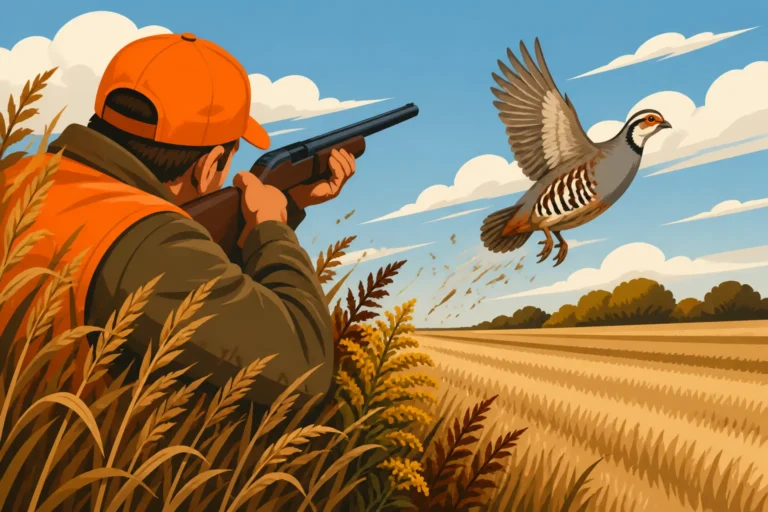
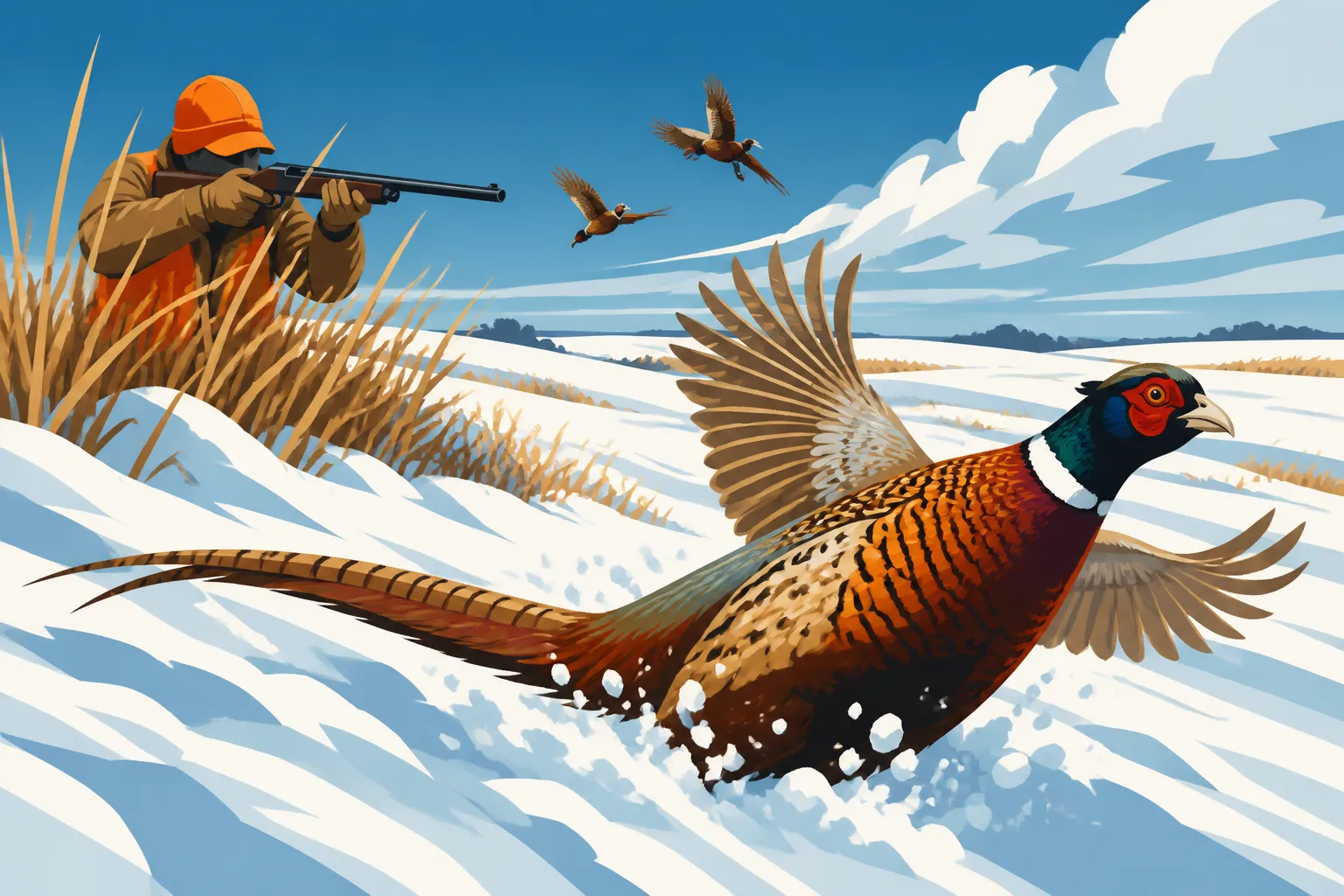
When that first heavy snowfall blankets North Dakota, many pheasant hunters might feel a familiar pang of despair, thinking the season is all but over. The thought of slogging through knee-deep drifts, birds holding tight and often running out of range, can certainly be daunting. But let me tell you, friends, those challenging conditions also offer some of the most rewarding and strategic pheasant hunts of the year. This guide is all about equipping you with the tactics, gear, and mindset to not just survive, but truly thrive, when pursuing pheasants in the beautiful, yet brutally cold, late-season snow.
Understanding Pheasant Behavior in Deep Snow
Pheasant hunting in late season, especially after a significant snowfall, is a whole different ballgame. The birds aren't the same frisky, spread-out individuals you found earlier in the fall. Winter transforms them, making them more concentrated, warier, and incredibly resourceful. Understanding these changes is your first step to success.
Why Snow Changes Pheasant Habits
Deep snow radically alters a pheasant's world. Suddenly, food sources that were easily accessible are buried, and vast expanses of light cover become useless for protection. This forces pheasants to make critical adjustments to their daily routines and preferred habitats. They become intensely focused on survival, seeking out the densest thermal cover available to escape the biting winds and frigid temperatures. The deep snow also makes them more susceptible to predators like coyotes and raptors, which further drives them into the thickest, most impenetrable cover they can find. This heightened sense of vulnerability means they'll hold much tighter, often to the point where you practically have to step on them to get them to flush, or they'll try to run a long distance ahead of you, using the snow to their advantage for concealment.
Furthermore, these conditions concentrate birds. Instead of being spread across multiple fields, they'll often flock together in the few remaining areas that offer both food and superior protection. This can be a double-edged sword: harder to find them, but when you do, you're likely to find a bunch. Their metabolism slows to conserve energy, and every movement becomes calculated. They're not going to waste precious calories flushing prematurely or exploring exposed areas. This makes them incredibly challenging, yet also highly predictable if you know where to look.
Preferred Winter Habitats and Food Sources
When deep snow covers the prairie, pheasants narrow their focus to very specific types of habitat. Thermal cover becomes paramount. Think about cattail sloughs, especially those with thick, matted reeds that create an insulated canopy above the snow. These provide excellent protection from wind and allow birds to burrow down for warmth. Dense shelterbelts and tree rows, particularly those with a heavy understory of brush and evergreens, are also prime real estate. The interlocking branches trap snow and create pockets of calm, insulating air, offering vital protection from the relentless North Dakota winds.
Beyond thermal cover, food sources that remain accessible despite the snow are critical. Standing corn fields are absolute magnets. The stalks often hold ears of corn above the snow line, providing a consistent food supply. Even after harvest, waste grain in corn, soybean, or sunflower fields can be a lifeline if enough drifts have exposed pockets. Weed patches, particularly those with tall, sturdy plants that stand above the snow and offer seeds, also become important. These food sources are typically found adjacent to, or sometimes even within, their preferred heavy cover. Learning to identify these combinations of dense cover and accessible food is key to consistently finding birds when the snow piles up. You might find them hunkered down along a Late-Season Food Sources for North Dakota Whitetails equivalent for pheasants, like a standing cornfield.
Strategic Approaches for Hunting Snow-Covered Coverts
Once you understand how pheasants adapt to deep snow, you can start building your strategy. The old walk-and-stroll tactics of early season simply won't cut it. You need to be more deliberate, more collaborative, and more focused on the specific types of cover that pheasants now depend on for survival.
Targeting Thermal Cover and Roosting Sites
In the late season, pheasants are almost entirely dictated by the need for warmth and protection. This means they will gravitate toward the densest thermal cover available. Think huge cattail sloughs, sprawling shelterbelts, or brushy river bottoms. These are the places where they'll roost overnight and seek refuge throughout the day from brutal cold and wind. Your job is to identify these prime areas. Don't waste time on sparse CRP fields or thin fencelines; the birds won't be there unless it's a brief dash for food. Instead, focus your efforts on methodically working the thickest parts of these coverts.
When approaching these areas, be slow and deliberate. Pheasants will often hold incredibly tight, relying on the cover to hide them. Walk into the wind if possible, as it carries your scent away and muffles your noise. Pay close attention to the edges and the thickest interiors. You're not just walking; you're dissecting the cover, forcing birds to make a decision. Often, they'll be packed into surprisingly small pockets of ideal habitat. For instance, when you're Working a Shelterbelt for Roosters, you need to push through the densest parts where branches are intertwined and snow accumulation is less severe. Don't be afraid to take your time and make plenty of noise, trying to get those reluctant birds airborne.
Utilizing Blockers and Walkers for Flushes
Hunting pheasants in deep snow is often a team sport, and for good reason. The combination of dense cover and the birds' tendency to run rather than flush makes strategic blocking incredibly effective. Imagine a long, linear cover strip, like a heavy shelterbelt or a drainage with thick brush. Instead of everyone walking through it, assign one or two hunters (the "blockers") to position themselves quietly at the far end of the cover, downwind if possible, or at a point where the pheasants are likely to exit. Their role is simply to be still and ready.
The remaining hunters (the "walkers" or "pushers") then enter the cover from the opposite end and slowly, meticulously work their way through. The key is to be methodical and cover every inch, ensuring any running birds are pushed towards the blockers. This strategy, similar in concept to Deer Drives With Three or Four Hunters but adapted for pheasants, capitalizes on the birds' natural inclination to run rather than flush when pressured in heavy cover. The blockers can often intercept birds that have run the entire length of the cover, providing clean shooting opportunities. Communication is vital for this to work effectively, so make sure everyone knows their role and the plan before you begin.
Slow and Deliberate Pushing
Rushing through prime pheasant cover in deep snow is a recipe for frustration. Pheasants will use the dense cover to their advantage, running ahead of you or simply burrowing deeper. To counter this, your pace needs to be agonizingly slow and deliberate. Think of it more as a methodical sweep than a quick walk. Every step should be intentional, allowing your dogs time to work the scent and giving any holding birds a chance to get nervous enough to flush.
When you're Walking a Pheasant Field at Midday, especially one with standing cover like sunflowers or corn, a slow pace is crucial. Zigzag through the cover, making sure to hit every nook and cranny. Pause frequently. These pauses often cause pheasants that have been running ahead to get confused, hold tight, or even flush. If you're hunting with dogs, trust their noses. Let them work out the scent trail in the snow and push through the thick stuff. Don't just follow; actively participate by kicking clumps of grass or stomping through brush to dislodge birds. The goal is to apply consistent, steady pressure, forcing the pheasants to eventually make a mistake and get airborne within shooting range.
Gear and Dog Considerations for Deep Snow
Hunting pheasants in deep snow isn't just about tactics; it's also about being properly prepared for the elements. Both you and your four-legged hunting partner need the right gear to stay safe, comfortable, and effective in challenging winter conditions.
Essential Gear for Hunters
Deep snow hunting is physically demanding and brutally cold. Your gear needs to be up to the task. First and foremost, you need serious footwear. Forget your lightweight early-season boots. You'll want waterproof, insulated boots that provide ankle support and traction, like those offered by brands such as Irish Setter or LaCrosse. Look for ratings down to -20°F or colder, and make sure they're tall enough to keep snow out when you're wading through drifts. Gaiters are non-negotiable; they'll prevent snow from getting into the top of your boots and soaking your pants, saving you from miserable, cold legs.
Layering is crucial for your clothing. Start with a good moisture-wicking base layer, add an insulating mid-layer (fleece or down), and top it with a waterproof and windproof outer shell. Your outer layer should also be blaze orange for safety, as visibility can be reduced in snowy conditions, especially when hunting with a group. Don't forget warm gloves or mittens, a heavy hat or balaclava to protect your face and ears, and hand warmers. Carrying a small backpack with extra layers, a thermos of hot coffee or soup, high-energy snacks, and a first-aid kit is also a smart move. When you're Hunting Into a December Cold Snap, being prepared for the elements makes all the difference.
Preparing Your Hunting Dog
Your dog is your best asset in deep snow, but they're also vulnerable to the cold and abrasive conditions. Their paws are particularly susceptible to ice balls forming between their pads, which can cause severe discomfort and even injury. Investing in quality dog booties, like those from Ruffwear, is a wise choice. Introduce them to your dog before the hunt to ensure they're comfortable wearing them. Regularly check your dog's paws for ice accumulation, cuts, or cracking.
Just like you, your dog needs to be in good physical condition for a strenuous hunt in deep snow. A tired dog is more prone to injury and less effective at finding birds. Consider their hydration as well; while there's plenty of snow, they still need access to fresh water, so carry some for them. Breeds like Labrador Retrievers and German Shorthaired Pointers, with their dense coats and strong desire to please, often excel in these conditions, but any well-conditioned and trained bird dog can be effective. Just remember to give them breaks and keep a close eye on their energy levels. You'll find that your dog's ability to scent and push birds in deep snow is a huge advantage, much like when Running a Pointer Through CRP Grass, but even more critical.
| Item | Purpose | Key Features |
|---|---|---|
| Insulated, Waterproof Boots | Warmth, dry feet, support | -40°F rating, tall shaft, aggressive tread |
| Gaiters | Prevents snow entry into boots/pants | Waterproof, durable, full-coverage |
| Layered Clothing | Adaptable warmth, moisture management | Base (wool/synthetic), Mid (fleece/down), Outer (waterproof/windproof) |
| Blaze Orange Outerwear | Visibility for safety | Jacket/vest, hat – 500+ sq. inches |
| Warm Hat/Balaclava | Head/ear/face protection | Wool or fleece, windproof |
| Insulated Gloves/Mittens | Hand warmth, dexterity | Waterproof, multiple layers, hand warmers pockets |
| Dog Booties | Paw protection from ice/snow/abrasion | Durable, secure fit, good traction |
| Dog Vest/Jacket | Extra warmth for dogs in extreme cold | Insulated, waterproof, high-visibility |
| High-Energy Snacks | Sustained energy for hunter | Protein bars, nuts, dried fruit |
| Thermos (Hot Drink/Soup) | Internal warmth, hydration | Keeps liquids hot for hours |
Reading the Landscape and Maximizing Success
Hunting pheasants in deep snow requires a keen eye and a strategic mind. The white blanket often reveals secrets about wildlife movement that are otherwise hidden. Coupled with modern technology, you can significantly increase your odds of success.
Interpreting Tracks and Sign
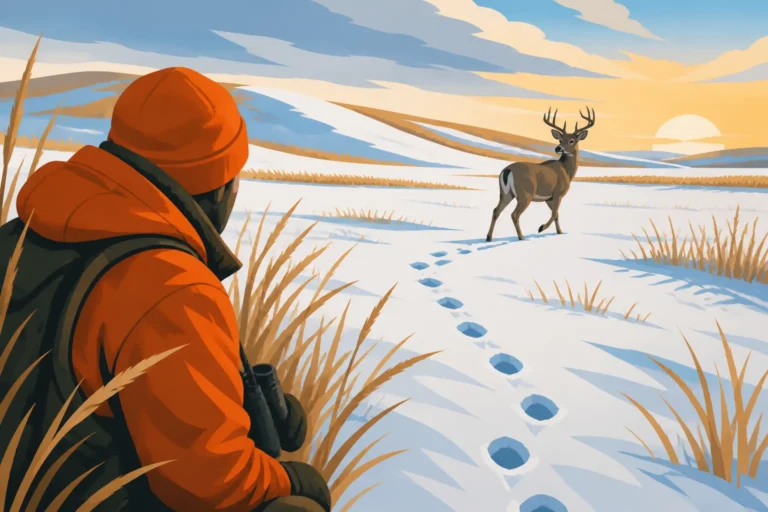
Deep snow, while making travel difficult, acts as a giant canvas for animal activity. Pheasant tracks in fresh snow are a treasure map. Instead of just blindly walking, take the time to read the sign. Look for small, three-toed tracks, often accompanied by a drag mark from their tail feathers, especially when they're running. Fresh tracks leading into a thick cover suggest birds have recently entered that area and are likely still there. Tracks leading out, of course, mean they've moved on.
Pay attention to where the tracks lead. Do they go from a standing cornfield into a cattail slough? That tells you their travel corridor between food and cover. Are there multiple sets of tracks converging on a specific bush or clump of grass? That could be where a covey has hunkered down. Learning to distinguish fresh tracks from old ones is key; fresh tracks will be sharp and distinct, while older ones might be wind-blown or softened by temperature changes. This skill is akin to Tracking a Deer in Fresh Prairie Snow, but on a smaller, faster scale. It allows you to eliminate unproductive areas and focus your efforts where birds are truly holding.
Leveraging Technology for Scouting and Navigation
While old-school tracking is valuable, don't underestimate the power of modern technology in late-season hunting. Apps like GoHunt or the North Dakota Game and Fish Department's own ND Hunt App become invaluable tools. Before you even step out of the truck, you can use satellite imagery to identify potential thermal cover and food sources. Look for the darkest green areas on the map, indicating dense cattails or evergreens, and note any adjacent standing crop fields. These digital maps can help you plan your approach, identify natural funnels where pheasants might run, and even mark potential blocking positions for group hunts.
The GoHunt app, in particular, often provides detailed land ownership maps, allowing you to quickly identify public access areas like PLOTS (Private Land Open To Sportsmen) parcels or Wildlife Management Areas. This saves precious time in the field, especially when trudging through deep snow makes walking long distances cumbersome. Using Scouting PLOTS Land With the ND Hunt App can highlight crucial pockets of accessible cover that might be overlooked by others. These apps are also lifesavers for navigation in featureless, snow-covered landscapes, preventing you from getting disoriented or accidentally trespassing. Always download offline maps before you head out, as cell service can be spotty in remote parts of North Dakota.
Persistence and Adaptability
Late-season pheasant hunting in deep snow is not for the faint of heart. It's often cold, physically demanding, and the birds are at their wariest. You might walk a long way through challenging terrain only to find sparse sign or a few unproductive flushes. This is where persistence truly pays off. Don't get discouraged by slow starts; the reward for enduring the cold and the grind is often a spectacular flush of multiple birds from a single, overlooked patch of cover.
You also need to be adaptable. What worked yesterday might not work today, especially with changing weather conditions like new snow or rising winds. Be ready to adjust your strategy on the fly. If birds are consistently running out the end of a shelterbelt, change your blocking positions. If your dogs are struggling with ice balls, take frequent breaks to clean their paws. Be prepared to shift locations if the first few areas you target are barren. Remember, the birds are trying to survive a harsh environment, and Hunting After a Hard Prairie Winter requires you to be just as resilient. The satisfaction of connecting with a rooster pheasant that has outsmarted countless predators and weathered the toughest conditions is truly unmatched.
Safety First in Challenging Conditions
No matter how experienced you are, hunting in deep snow and bitter cold carries inherent risks. Your safety and the safety of your hunting partners should always be the top priority.
Managing Cold Weather Risks
North Dakota winters are no joke, and late-season hunting often means facing extreme cold. Hypothermia and frostbite are real dangers. Always dress in layers, and ensure your outer layers are waterproof and windproof. Even if you're working hard and feel warm, sweat can quickly turn into a dangerous chill when you stop. Carry extra dry layers in your pack, especially socks and gloves. It's easy to dismiss a shivering companion or numb fingers, but these are early signs of trouble. Make sure everyone in your group knows the symptoms of hypothermia – uncontrollable shivering, confusion, slurred speech – and how to respond.
Communication is vital. Hunt with a buddy, or at least let someone know exactly where you're going and when you expect to return. Carry fully charged cell phones and, ideally, a satellite communication device if you're in a truly remote area. Don't forget high-calorie snacks and warm drinks to keep your body fueled and help maintain core temperature. A small emergency kit with fire-starting materials, a space blanket, and basic first aid is also a smart addition to your pack. Being prepared for a sudden change in weather or an unexpected breakdown, much like planning for Hunting Into a December Cold Snap, can literally be a lifesaver.
Awareness of Frozen Water and Ice
Deep snow can often obscure hidden dangers, particularly frozen water bodies. What looks like solid ground might actually be a thin sheet of ice over a slough, pothole, or creek. North Dakota's prairie is dotted with countless small water bodies, and while many might freeze solid early in the winter, deep snow can insulate them, preventing them from freezing completely, or create weak spots. This is especially true near flowing water or springs.
Always exercise extreme caution when approaching any snow-covered depression that might harbor water. Use a walking stick or push pole to test the ice ahead of you. Be particularly wary of areas where water might be moving underneath the ice, creating unpredictable thin spots. Your dog, eager to chase a scent, might not recognize the danger, so keep them close and on a leash if you suspect frozen water is nearby. The risk of falling through ice, especially while wearing heavy winter gear, is incredibly serious. Avoiding areas like a Hunting a North Dakota Prairie Pothole Slough Edge without knowing its ice integrity is just common sense. No pheasant is worth risking a life for.
Disclaimer
Hunting is an inherently dangerous activity. This guide provides general information for educational purposes only and is not a substitute for professional training, local regulations, or personal judgment. Always consult the latest North Dakota Game and Fish Department regulations, obtain proper licenses, and prioritize safety above all else. Hunt at your own risk.