What a Once-in-a-Lifetime Bighorn Tag Means
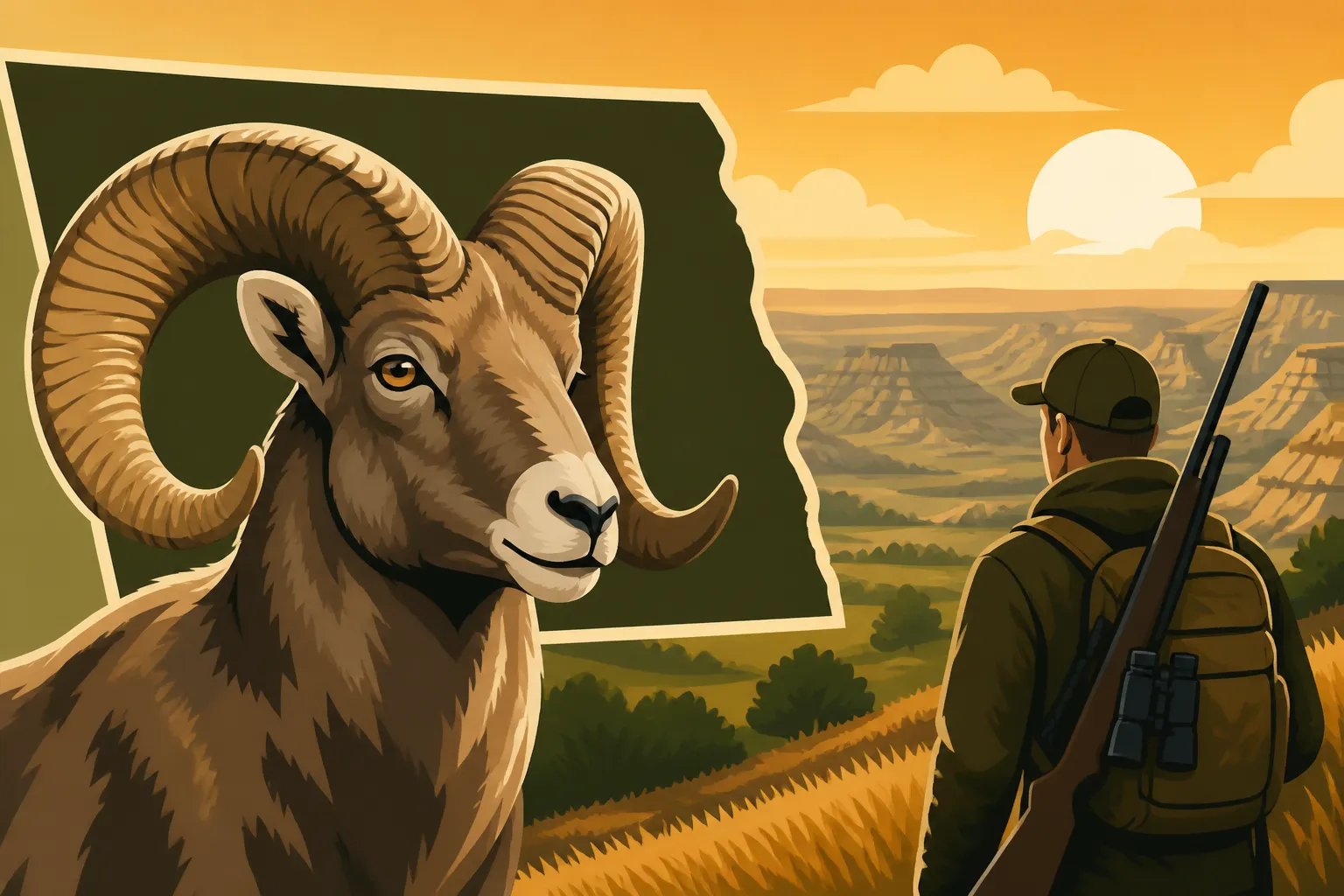
Drawing a North Dakota bighorn sheep tag is the ultimate dream for many hunters, a truly once-in-a-lifetime opportunity that captivates imaginations. However, understanding exactly what a "once-in-a-lifetime" tag truly signifies, from the slim application odds to the immense responsibility that comes with it, can feel shrouded in mystery. This guide will meticulously break down what this coveted tag entails, helping you prepare for every aspect of this extraordinary pursuit.
Decoding the "Once-in-a-Lifetime" Rule for Bighorn Sheep
When you hear "once-in-a-lifetime" in the context of a North Dakota bighorn sheep tag, it's not just a flowery phrase or a marketing gimmick; it's a strict regulatory designation. This means that if you are fortunate enough to draw and successfully harvest a bighorn ram in North Dakota, you will never be eligible to receive another bighorn sheep license from the state again. Ever. This isn't like drawing a deer tag every few years or even an elk tag on a longer rotation; this is a one-and-done proposition.
This singular chance makes the bighorn tag perhaps the most revered and sought-after license in North Dakota, carrying with it an immense weight of expectation and privilege. Hunters who draw this tag often describe it as the pinnacle of their hunting career, a testament to decades of applying and dreaming. It's a deeply personal journey, often involving friends and family who've supported the endeavor over the years.
The Philosophy Behind This Exclusive Tag
The North Dakota Game and Fish Department implements the once-in-a-lifetime rule for bighorn sheep for several crucial reasons, all centered on conservation and equitable opportunity. First and foremost, it's a powerful tool for managing a very sensitive and small population of animals. The bighorn herd in North Dakota is a delicate resource, the result of diligent reintroduction efforts and careful management. Limiting hunters to one tag ensures that harvest pressure remains minimal and distributed, allowing the herd to thrive and grow, rather than being over-pressured by repeat hunters.
Secondly, this rule maximizes the opportunity for a greater number of hunters to experience this incredible hunt over time. With only a handful of tags issued each year, if the same individuals could draw repeatedly, very few hunters would ever get a chance. By making it a one-time affair, the department ensures that over the long run, more individuals will have the chance to chase a Badlands ram. It's a philosophy built on sharing a scarce resource, ensuring that the dream of a bighorn hunt remains attainable for as many eligible residents as possible, even if the odds are always astronomically low. It fosters a sense of collective ownership and responsibility for these magnificent animals. You can learn more about other similar opportunities by exploring the guide on North Dakota's Once-in-a-Lifetime Big Game Licenses.
Understanding North Dakota's Bighorn Population
To truly appreciate the "once-in-a-lifetime" nature of this tag, you need to understand the North Dakota bighorn sheep population. This isn't a state with vast, thriving populations like some western mountain ranges. North Dakota's bighorn herd is small, concentrated, and very carefully monitored. These animals are descendants of reintroduction efforts that began in the 1950s, bringing sheep back to their historic range in the rugged terrain of the Little Missouri Badlands.
The herd fluctuates, but recent estimates for how many Bighorn sheep live in North Dakota typically put the total population at a few hundred animals. They reside primarily in the most remote and rugged areas of the Badlands, utilizing the steep, broken terrain for escape cover and foraging. This small population dictates the scarcity of tags. The North Dakota Game and Fish Department conducts extensive aerial surveys and ground observations each year to assess herd health, lamb recruitment, and ram numbers before determining how many — if any — tags can be issued. This conservative approach is vital for the long-term viability of the herd. Knowing where North Dakota's Bighorn Herd Ranges is critical for understanding their habitat needs and the challenges of hunting them.
Navigating the Bighorn Sheep Lottery Application Process
The journey to a North Dakota bighorn sheep tag begins long before any boots hit the ground; it starts with the application. This is a pure lottery system, meaning there are no preference points or bonus points that accumulate year after year to improve your odds. Every eligible applicant starts fresh each year, an equal chance at drawing one of the most coveted tags in North America. This structure emphasizes pure luck, which can be both frustrating and exhilarating.
To apply, you'll first need to ensure you meet the residency requirements, as North Dakota bighorn sheep tags are strictly for residents only. You'll also need a valid North Dakota General Game and Habitat License, which is a prerequisite for applying for most big game lotteries in the state. The application period typically opens in late March or early April, with deadlines usually falling in late May or early June. It's crucial to mark these dates on your calendar, because missing a deadline means another year of waiting.
The Odds and What to Expect
Let's be blunt: the odds of drawing a North Dakota bighorn sheep tag are infinitesimally small. We're talking about statistics that make winning the regular lottery seem common. In most years, the North Dakota Game and Fish Department issues only 4 or 5 bighorn sheep licenses statewide. Sometimes, depending on the herd assessment, it might be even fewer. When you consider the thousands of hopeful resident hunters who apply annually, you quickly realize the sheer unlikelihood of your name being drawn.
For example, if 3,000 people apply for 5 tags, your odds are 1 in 600. These numbers are rough, but they illustrate the point. There's no secret strategy or loophole to improve your chances beyond simply applying every year you're eligible. Many hunters apply for decades, a true testament to their dedication, and still never draw. This is why when someone does draw, it's often a momentous occasion, celebrated by their entire hunting community. Resources like GoHunt can provide updated draw odds and application statistics for various states, including North Dakota, though for bighorns, the numbers are consistently stark. You can find specific application details in the North Dakota Bighorn Sheep Lottery Application Process guide.
Essential Application Steps and Resources
Applying for a North Dakota bighorn sheep tag, while a long shot, is a straightforward process, but attention to detail is key. Here's a general breakdown of the steps:
| Step | Description |
|---|---|
| 1. Purchase Base Licenses | Ensure you have a valid North Dakota General Game and Habitat License. This is often the first requirement for participating in any big game lottery. Check North Dakota Hunting Licenses and What They Cost for current pricing. |
| 2. Access Online Application | The North Dakota Game and Fish Department uses an online portal for all lottery applications. You'll need to create an account or log in to an existing one. |
| 3. Select Bighorn Sheep Lottery | Navigate to the big game lottery section and specifically select the bighorn sheep application. Be careful not to confuse it with other lotteries like elk or moose, which have different rules and odds. |
| 4. Provide Required Information | Fill in all personal details accurately. This typically includes your residency status, contact information, and hunter education certification details if applicable. |
| 5. Pay Application Fee | There is usually a non-refundable application fee. This fee covers the administrative costs of running the lottery. Make sure your payment method is valid. |
| 6. Review and Submit | Before hitting "submit," thoroughly review all information for accuracy. A single mistake could disqualify your application. Once submitted, you'll typically receive a confirmation email. |
| 7. Await Draw Results | Draw results are usually announced a few weeks after the application deadline. Many hunters eagerly check the Game and Fish website or their email for notifications. |
While there are no preference points for bighorn, it's still a good idea to stay informed about North Dakota Elk Lottery Application Process or North Dakota Moose Lottery Application Process as these too are highly sought-after, once-in-a-lifetime tags, but often have a preference point system that influences drawing odds over time.
Preparing for Your Dream Badlands Bighorn Hunt
Drawing that bighorn tag is merely the beginning of an epic adventure. Now the real work starts: planning and preparing for what could be the most challenging and rewarding hunt of your life. The North Dakota Badlands, where bighorn sheep reside, is a remarkably rugged and unforgiving landscape. It's characterized by steep, eroded buttes, deep coulees, and expansive, open vistas. This isn't a casual stroll through the woods; it's a physically demanding environment that will test your limits.
Many successful bighorn hunters treat the tag like a second job, dedicating months to scouting, physical conditioning, and gear preparation. The limited season (usually in the fall) means you need to be ready to capitalize on any opportunity, and that readiness comes from meticulous planning. This isn't just about bagging an animal; it's about honoring the animal, the privilege, and the landscape with a respectful and well-executed hunt.
Physical and Mental Conditioning for the Terrain
Hunting bighorn sheep in the Badlands demands peak physical condition. You'll be navigating steep inclines, uneven footing, and long distances, often at elevation. Imagine climbing up and down the equivalent of dozens of staircases each day, carrying a pack, a rifle, and optics. This is not a hunt for the faint of heart or the out-of-shape. Many hunters begin a rigorous training regimen months, if not a year, in advance. This should include:
- Cardiovascular endurance: Running, hiking with a weighted pack, stair climbing.
- Strength training: Focusing on legs, core, and back to handle the terrain and packing out an animal.
- Flexibility and balance: Essential for navigating rocky slopes and loose scree.
Beyond the physical, the mental game is equally important. Bighorn hunting can be frustrating. You might glass for hours, day after day, without spotting a ram, or make a stalk only for the animal to vanish into the broken topography. The ability to stay positive, focused, and persistent in the face of setbacks is crucial. This is where the mental fortitude built during training really pays off. Think of it like training for Physical Prep for Badlands Elk Terrain; the demands are very similar.
Scouting and Strategy for Success
With such a rare tag, thorough scouting is paramount. While some hunters might hire a consultant or guide, many undertake extensive self-scouting missions. This often begins with intense map study, using topographical maps and aerial photos to identify potential bighorn habitat, bedding areas, and travel corridors. Programs like onX or even tools like GoHunt can provide invaluable satellite imagery and public land boundary information, which is critical when you're glassing vast areas. Remember, you're looking for a needle in a haystack, and good intel can narrow down the search. Reading Aerial Photos for Badlands Deer can offer transferable skills for bighorn scouting.
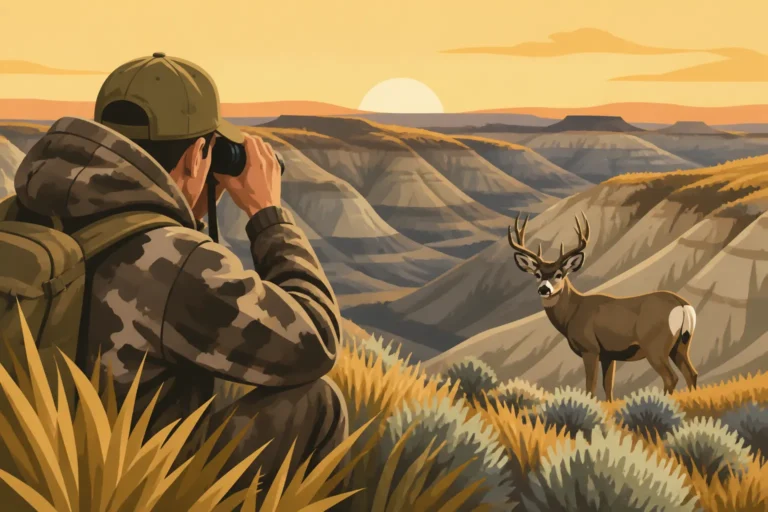
Once on the ground, scouting involves covering vast amounts of territory, usually on foot, with high-quality optics. Bighorns have incredible eyesight, so spotting them before they spot you is key. "Glassing" is the art of patiently scanning the landscape with binoculars and spotting scopes, looking for any subtle signs of movement or the tell-tale shape of a ram. This is a skill honed over countless hours. For a better understanding of the terrain, consider the article on Hunting North Dakota's Badlands, which offers a broader view of the region. Strategy during the hunt itself will often revolve around:
- Early morning glassing: Bighorns are often active at first light, moving from bedding areas to feeding grounds.
- Patient stalking: Once a ram is spotted, the stalk can be incredibly difficult, often requiring hours of careful movement to get within shooting range without being detected.
- Wind and thermals: Understanding how wind currents move through the Badlands terrain is vital to keep your scent from giving you away.
- Being prepared for a long pack-out: If successful, you'll likely be miles from any easy access point, and packing out a bighorn ram is a monumental task.
Remember, some areas within the Badlands may be designated as Wilderness Study Areas, which have specific restrictions on vehicle use and other activities. Understanding What a Wilderness Study Area Designation Restricts is important for planning your access and movement.
Responsible Hunting and Legacy of a Bighorn Tag
Drawing a "once-in-a-lifetime" bighorn tag isn't just about the hunt itself; it's about the responsibility that comes with it. This is a privilege, not a right, and every hunter who receives one becomes a temporary steward of this precious resource. This stewardship extends to ethical hunting practices, meticulous post-harvest duties, and contributing to the conservation legacy for future generations.
The act of hunting a bighorn ram in North Dakota leaves a lasting impression, not just on the hunter, but on the herd's future. It's a testament to the North Dakota Game and Fish Department's successful management and the habitat preservation efforts of landowners and conservation organizations alike. Hunters play a crucial role in validating these efforts through responsible and ethical conduct.
Ethical Considerations and Post-Harvest Duties
With such a rare and magnificent animal, ethical conduct is paramount. This includes ensuring a clean, humane kill. Hunters should practice extensively with their chosen firearm or bow to ensure they are proficient and confident at typical hunting ranges in challenging conditions. Taking a marginal shot that wounds an animal is a devastating outcome, especially for a "once-in-a-lifetime" opportunity and such a rare species. It is the ultimate responsibility of the hunter to make an ethical shot.
Once a ram is harvested, several post-harvest duties are required:
- Tagging: Immediately after the kill, the bighorn sheep tag must be properly affixed to the animal as specified by North Dakota Game and Fish regulations.
- Reporting: All harvested big game in North Dakota must be reported to the Game and Fish Department within a specified timeframe. This data is crucial for population management.
- CWD Testing: While bighorn sheep are not typically known for Chronic Wasting Disease (CWD) in the same way deer and elk are, North Dakota has expanding CWD Hunting Units. It is prudent to check current regulations regarding any mandatory or voluntary testing for bighorn sheep, especially if hunting in or near a designated CWD zone.
- Meat Care: The Badlands can be hot, even in the fall. Proper field dressing and cooling of the meat are essential to preserve its quality. This means getting it out of the field and processed as quickly as possible.
- Trophy Care: For many, the horns are a cherished memento. Proper caping and care of the hide and skull are important for taxidermy.
These steps are not just bureaucratic; they are integral to the conservation framework that allows these incredible animals to exist and be hunted.
The Enduring Value Beyond the Trophy
While the massive, curling horns of a Badlands bighorn ram are an undeniable trophy, the true value of a "once-in-a-lifetime" tag extends far beyond the physical memento. It's about the entire experience: the months of preparation, the grueling days of scouting and hunting, the moments of despair and elation, and the deep connection formed with the wild North Dakota Badlands.
The legacy of a bighorn hunt is etched into the hunter's memory, a story shared around campfires and passed down through generations. It fosters a profound respect for wildlife, wild places, and the dedicated conservation efforts that make such opportunities possible. For many, it reinforces their commitment to supporting conservation through license fees, donations to organizations like the Wild Sheep Foundation, and advocating for habitat preservation. It's a powerful reminder of what makes hunting such a meaningful and essential part of wildlife management in North Dakota and beyond.
Disclaimer
Please be aware that hunting regulations, license fees, and season dates are subject to change by the North Dakota Game and Fish Department. Always consult the most current official North Dakota Game and Fish Department hunting guide and regulations before planning and executing any hunting trip. This guide provides general information and should not be considered a substitute for official resources.