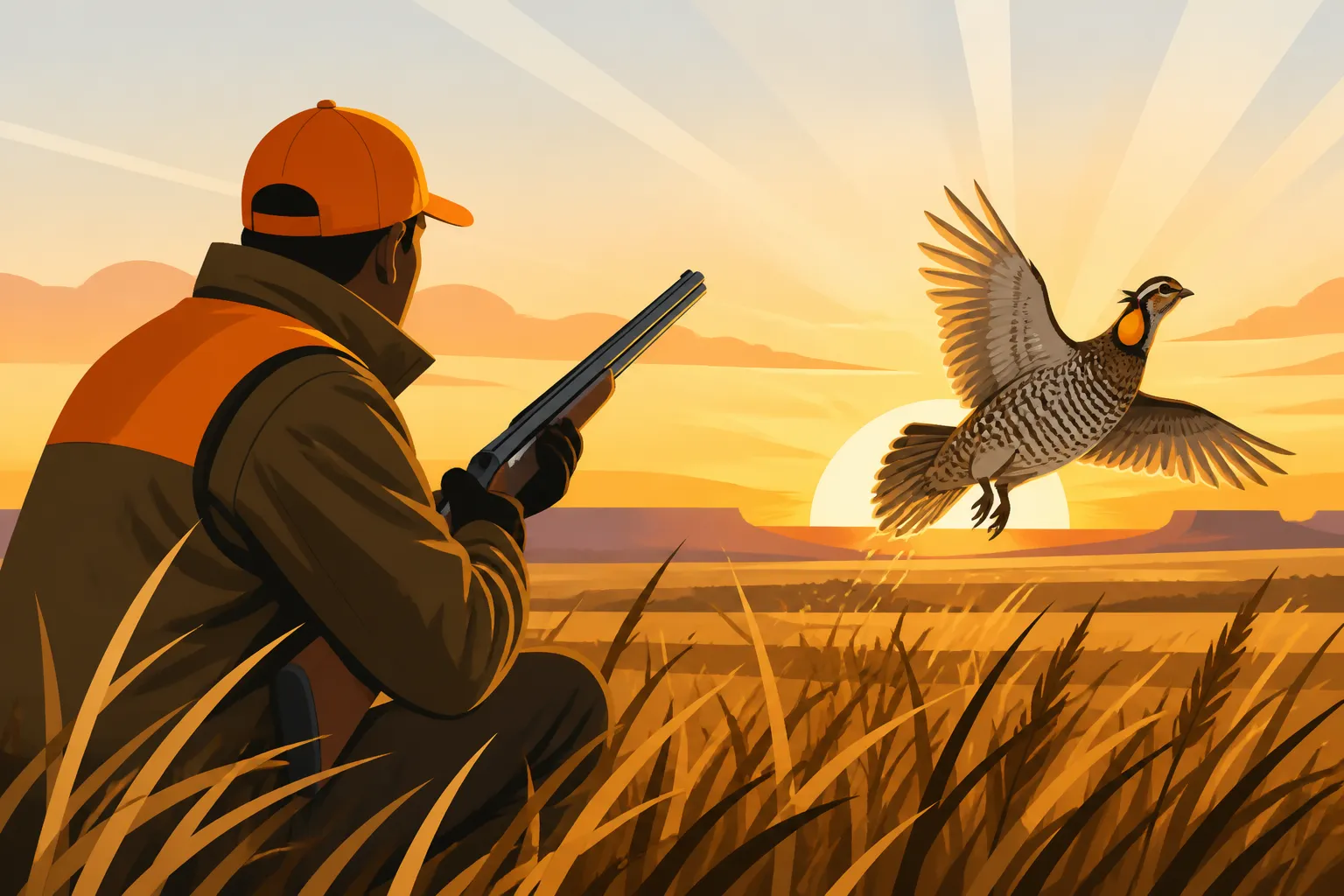
Hunting Sharptail Grouse at First Light
The crisp air of a North Dakota dawn, often still and silent, holds a unique promise for upland hunters. But finding sharptail grouse as the sun peeks over the horizon, before they disperse into the vast prairie, can feel like trying to catch smoke. This guide aims to unravel the mysteries of those crucial first hours, helping you understand sharptail behavior, pinpoint their morning routines, and apply tactical approaches to make your efforts at first light much more rewarding.
Understanding Sharptail Grouse Morning Routines
Sharptail grouse, those magnificent dancers of the prairie, are creatures of habit, especially around dawn. Their daily movements are deeply tied to safety, food, and environmental conditions. Knowing their overnight roosting preferences and their first movements of the day is absolutely critical for a successful hunt.
Where Sharptails Roost Overnight
Before the first hint of daylight, sharptails are typically hunkered down in their roosts. These aren't just random spots; they're chosen for protection from predators and the elements. You'll often find them tucked into dense, protective cover. Think about areas offering a canopy and thick undergrowth that can break the wind and offer some thermal insulation. This could be a brushy coulee, a thick stand of native grass, a cattail slough, or even the base of a small willow clump on a slight rise. They prefer areas that are secure and allow them to remain hidden until they feel safe enough to begin their daily activities.
They're not just looking for cover; they’re also looking for a quick escape route if disturbed. These roosting sites are strategic, providing both concealment and a vantage point or quick access to open areas. In areas with mixed grass prairie, these birds might utilize the densest pockets of grass or low-lying shrubs that provide overhead cover. This is especially true after a cold night, when they'll seek out the warmest, most protected spots.
Their First Movements to Feeding Grounds
As soon as the sky begins to lighten, even before the sun crests the horizon, sharptails start to stir. Their primary objective is often to move from their secure roosting areas to nearby feeding grounds. This transition period is incredibly brief and offers a prime window of opportunity for hunters. They'll typically fly or run to areas where they can find food – often agricultural fields (especially cut grain or alfalfa), areas with abundant weed seeds, or short-grass prairie rich in forbs and insects. This is where scouting ahead of time, potentially using tools like GoHunt to analyze land features and crop types, can give you a significant advantage.
On still mornings, you might hear their distinct calls as they begin to communicate, giving away their location. These calls can sometimes sound like clucking or a soft cooing, a subtle invitation to the attentive hunter. They'll land on the ground and immediately begin pecking for seeds, insects, and new green shoots. If there's a water source nearby, like a small pond or a slough, they might stop there first. The entire process from waking to actively feeding is swift. Missing this narrow window means they’ll likely spread out across vast acres, making them much harder to locate and flush. Understanding the North Dakota Sharptail Grouse Season Dates is also crucial, as their behavior can vary slightly from early to late season.
Strategic Scouting for First Light Success
You can’t just show up on opening morning and expect to find sharptails at first light without some homework. Successful first-light hunting is built on diligent scouting, both from your computer and with boots on the ground.
Pre-Season Aerial Reconnaissance
Before you ever leave your home, modern mapping tools are your best friend. Services like GoHunt allow you to pore over satellite imagery, identifying potential habitat without burning a drop of gas. Look for a mosaic of cover types: dense grasslands or brushy draws that could serve as roosting cover, adjacent to agricultural fields (especially stubble or hayfields) where they'll feed. Pay close attention to transition zones – where a shelterbelt meets a field, or a thick grassy knoll slopes into open prairie. These are natural travel corridors for sharptails moving at dawn.
When analyzing maps, zoom in on areas marked as public land, especially those designated as PLOTS (Private Land Open To Sportsmen) or Wildlife Management Areas. These often have diverse habitats specifically managed for upland birds. Cross-reference your aerial observations with what you know about Sharptail Grouse Hunting Mixed Grass Prairie habitats. Look for areas that offer both concealment and easy access to food and water. Overlays showing topography can also reveal subtle rises or depressions that offer shelter from prevailing winds, making them prime roosting spots. Remember that their movements from roost to feeding are often short distances, so looking for these combinations is key.
On-the-Ground Reconnaissance at Dusk and Dawn
Nothing beats actually being in the field. The evenings before your hunt, drive or walk slowly along section roads or access trails bordering promising areas. Your goal is to spot sharptails moving to roost for the night or observe their morning flight patterns. Even if you're not hunting deer, lessons from Reading North Dakota Mud for Fresh Deer Movement can apply – look for tracks or dusting bowls in soft soil, indicating recent bird activity. Look for patterns: where are they flying from? Where are they landing? If you see birds dropping into a particular coulee at sunset, there’s a good chance they’re roosting there.
Similarly, an early morning drive before you hunt an area can be incredibly informative. Position yourself to safely observe the fields and grasslands as the sky lightens. You might see birds flush from roosts or fly into feeding fields. Pay attention to any distinctive calls or sounds. Even the presence of a few individual birds can indicate a larger covey in the vicinity. This real-time observation is invaluable for fine-tuning your first-light strategy. During this ground scouting, remember to check North Dakota Public Land Hunting Hours to ensure you're compliant with regulations when you return to hunt.
Executing Your First-Light Sharptail Hunt
Once you've done your homework, the real fun begins: putting your plan into action. The execution of a first-light sharptail hunt requires a combination of stealth, timing, and effective use of hunters and dogs.
The Silent Approach to Key Areas
For a first-light hunt, you need to be in position well before legal shooting light. This means a pre-dawn wake-up and a quiet, deliberate approach. Park your vehicle discreetly, often a quarter-mile or more away from your target area, to avoid disturbing birds with engine noise or headlights. Walk in silently, using the low light to your advantage. Your goal is to get between their roosting cover and their intended feeding areas, or right on the edge of prime feeding habitat, before they’ve fully dispersed.
Consider the wind direction. Sharptails will typically flush into the wind. If you can approach with the wind in your face, it will carry your scent away from the birds, and your dog will be able to scent them more effectively. This strategic positioning also ensures that when birds flush, they might fly back over or near your hunting party, offering better shot opportunities. The less commotion you make during this critical approach, the better your chances of encountering undisturbed birds.
Utilizing Dogs and Hunter Spacing
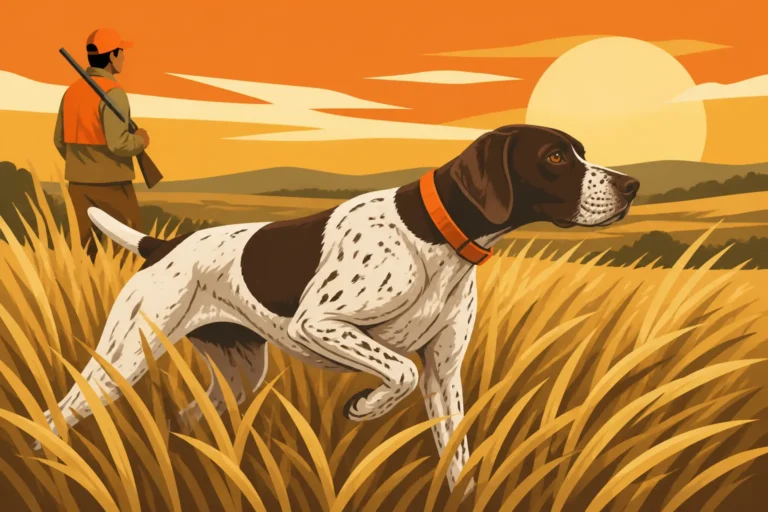
A good bird dog is an absolute game-changer for sharptail hunting, particularly at first light. Pointers, setters, and flushers like Labs excel at locating birds that are hunkered down in dense cover or running ahead in lighter grass. The dog's nose can detect birds that human eyes would easily miss. As you move into suspected areas, let your dog work the wind, methodically covering ground. A well-trained dog will point or flush birds within shooting range, often holding them long enough for you to get into position. For more on this, check out our guide on Running a Pointer Through CRP Grass.
If you're hunting with a group, proper hunter spacing is crucial. A common tactic is to form a line, with hunters spaced 20-40 yards apart, slowly walking through the cover. This helps cover more ground efficiently and ensures that birds flushed by one hunter might fly towards another, providing multiple shot opportunities. Communication within the group is vital – signal flushes, identify safe shooting lanes, and stay aware of each other's positions. This coordinated effort increases the likelihood of encountering and successfully bagging birds as they move from their roosts.
Maximizing Opportunities in Mixed Grass Prairie
Hunting sharptails at first light often means navigating diverse terrain, from thick, rolling grasslands to subtle draws and the edges of cultivation. Start by focusing on the transition zones identified during your scouting. These are the corridors where birds will naturally move. As the sun rises and conditions change, adapt your strategy. Early season, particularly in September and October, sharptails might be more concentrated in larger coveys. Later in the season, when temperatures drop and winter approaches, they might seek out thicker thermal cover for longer periods.
Work edges methodically. A fenceline bordering a grassy field or a creek bottom lined with brush can hold birds moving along a defined path. Don't be afraid to push into the denser patches of grass or brushy areas – these are often where sharptails will hold tight, especially if pressured. Remember that sharptails, unlike pheasants, are often found higher on the slopes or on ridges where they have better visibility. Keep an eye out for tell-tale signs like fresh droppings, dusting bowls, or feathers indicating a previous roosting or feeding spot. A little extra effort in those tough-to-reach pockets of cover can often yield the best results when Glassing a Section of CRP Grass for signs of movement.
| Time of Day | Sharptail Behavior | Ideal Tactics | Preferred Cover |
|---|---|---|---|
| Pre-Dawn | Roosting, minimal movement | Silent approach, position near roost/feed transition | Thick grass, brushy draws, cattail sloughs |
| First Light | Move to feed, vocal, active | Walk-up with dogs, spread hunters, work edges | Stubble fields, alfalfa, short grass with forbs |
| Mid-Morning | Dispersed, feeding, dusting | Methodical grid patterns, focus on varied cover | Crop fields, native prairie, shelterbelts |
| Mid-Day | Resting, less active | Target dense thermal cover, water sources | Heavy cover near water, shady spots |
| Late Afternoon | Resume feeding, move towards roosts | Work feeding areas, intercept birds heading to roost | Crop fields, prairie edges, roosting cover |
When hunting any type of upland bird in North Dakota, always be aware of the specific North Dakota Pheasant and Upland Season Rules as regulations can change. Always carry your license and proof of hunter education, and be prepared for changing weather conditions on the prairie.
Disclaimer
Please remember that hunting regulations and conditions can change. Always consult the latest North Dakota Game and Fish Department regulations before heading into the field. This guide is for informational purposes only and does not supersede official hunting laws or safety guidelines.