Picking Out a Bedded Moose in Willow Cover
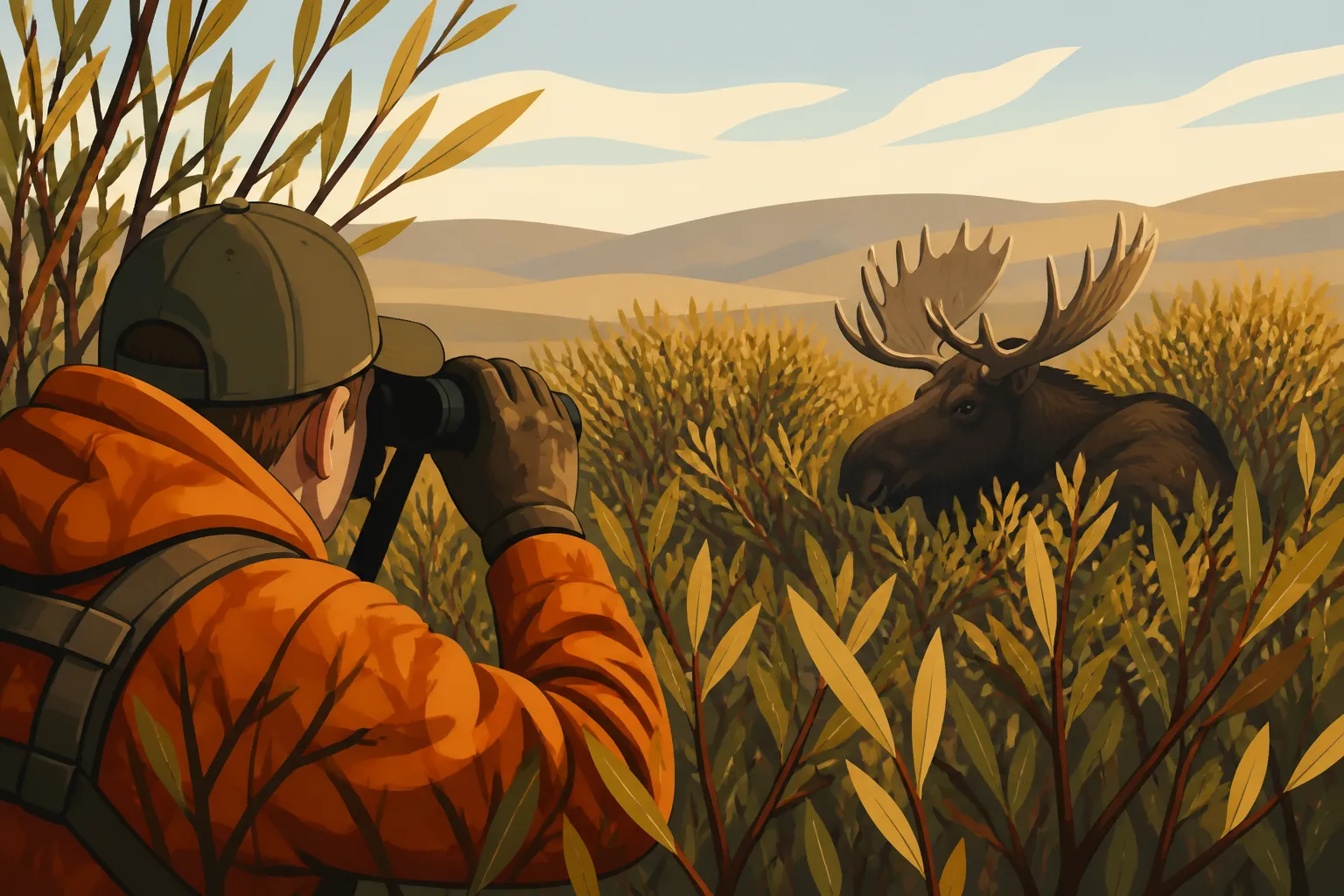
If you've ever found yourself staring into a seemingly impenetrable wall of North Dakota willows, knowing a moose is in there somewhere but completely unable to pick out hide nor hair, you're not alone. It's an incredibly frustrating experience that many hunters face. These majestic creatures are masters of camouflage, especially when they bed down in the thick, tangled cover they favor. This guide is all about equipping you with the knowledge and tactics to overcome that challenge, helping you to reliably spot a bedded moose even in the densest willow thickets.
Understanding North Dakota Moose Habitat and Behavior
Moose are creatures of habit, and understanding those habits is your first step to locating them. While North Dakota isn't typically thought of as prime moose country compared to, say, Maine or Alaska, we do have a healthy, albeit unique, population, especially in our northern and eastern river corridors and wetland complexes. These are often the same areas where you'll find the most extensive willow growth.
Why Willows Are Prime Moose Real Estate
Willows, particularly dense willow thickets along river bottoms, lake edges, and prairie potholes, are absolute magnets for moose. There's a trifecta of reasons why these areas are so crucial to their survival and why you'll spend so much time peering into them.
First, willows provide an abundant and preferred food source. Moose are browsers, and willow leaves and twigs are a dietary staple, especially during the fall and winter months. A moose can spend hours methodically stripping branches, and where the food is, the moose will be. You'll often see areas where willows have been heavily browsed, with twigs broken off at moose-height – a clear sign you're in active moose territory.
Second, willows offer exceptional thermal cover. Whether it's the biting cold winds of a North Dakota winter or the scorching heat of a summer day, those dense stands of willows act like a natural insulated blanket, protecting them from the elements. This is especially true after a fresh snowfall, where the willows create pockets of relatively calm air, allowing a moose to conserve energy.
Third, and perhaps most critically for a hunter, willows provide unparalleled security cover. A moose, despite its immense size, can disappear into a willow patch with uncanny stealth. When bedded, they become virtually invisible. The tangled branches break up their outline, and their dark brown to black coats blend seamlessly with the shadows and moist bark. This is why learning to pick them out in this environment is such a specialized skill. These animals know they are hard to see in these areas, and they leverage that to their advantage, often bedding just a short distance from an access road. To truly understand where these giants roam, it's worth exploring broader topics like Where North Dakota Moose Concentrate.
Moose Bedding Habits and Patterns
Moose don't just bed down anywhere; there's a method to their madness. They're looking for comfort, security, and often, proximity to food and water.
Typically, moose will bed down in the thickest part of a willow stand, often on a slight rise or in a depression that offers a commanding view of their surroundings, or at least provides a good scent cone. They prefer areas that allow them to detect danger while remaining hidden. You might find them along the edge of a slough or creek, nestled against a fallen log, or simply in the densest part of a mature willow patch where the canopy provides overhead concealment.
Their bedding patterns can also shift with the weather and time of day. On a warm, sunny day, they might seek out shadier, cooler spots closer to water. In colder weather, they'll often pick sun-drenched, south-facing slopes or the lee side of a thicket to stay warm. During the rut, bulls might bed down in more exposed areas, asserting dominance or simply being less cautious as they focus on cows. Often, they will get up periodically throughout the day to browse or stretch, especially in undisturbed areas. These brief movements can be your best chance to catch an outline. Knowing these subtle behaviors is key to success, especially for understanding North Dakota's Once-in-a-Lifetime Moose Herd.
Essential Gear and Scouting for Success
Before you even step foot into a potential moose hunting area, a significant portion of your success will be determined by the gear you carry and the scouting you've done beforehand. Hunting moose in North Dakota's unique terrain requires a specific approach.
Optics: Your Best Friend in the Brush
When you're trying to pick out a bedded moose in dense willow cover, your eyes alone often aren't enough. High-quality optics are not just an advantage; they're an absolute necessity.
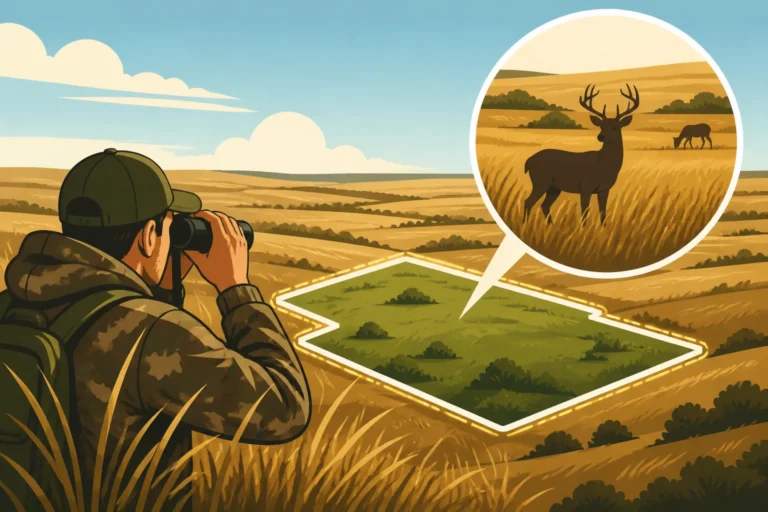
- Binoculars: A good pair of 10×42 or 12×50 binoculars are indispensable. You'll spend a lot of time systematically glassing willow patches, searching for anything that looks "out of place." Look for subtle hints: a horizontal line in a vertical world, a patch of dark fur, an ear twitch, or the glint of an antler. Image-stabilized binoculars can be a game-changer if you're frequently glassing from unsteady positions or in windy conditions, reducing eye fatigue and allowing you to discern minute details.
- Spotting Scope: While less practical for constant scanning in dense cover, a spotting scope can be incredibly useful for confirming what you think you've seen with your binoculars, especially at longer distances. If you've spotted a suspicious dark blob or a faint outline, setting up a spotting scope can help you determine if it's truly a moose or just a dark shadow or a stump. They offer the magnification needed to count antler points, assess size, and make sure what you're seeing isn't just a trick of the light or brush. Consider a variable power scope, allowing you to zoom out for initial acquisition and then zoom in for detailed inspection.
- Tripod: Using a tripod for both your binoculars and spotting scope is non-negotiable for serious glassing. It eliminates shake, reduces eye strain dramatically, and allows you to thoroughly pick apart a piece of cover for extended periods. When you're glassing for hours, hand-holding binoculars will tire you out quickly and you'll miss crucial details. A solid tripod lets you maintain a steady view, which is exactly what you need when searching for a camouflaged animal.
Pre-Season Scouting and Digital Tools
Modern hunting has been revolutionized by technology, and pre-season scouting is where it truly shines for moose hunting. Don't underestimate the power of a digital scout before you ever hit the field.
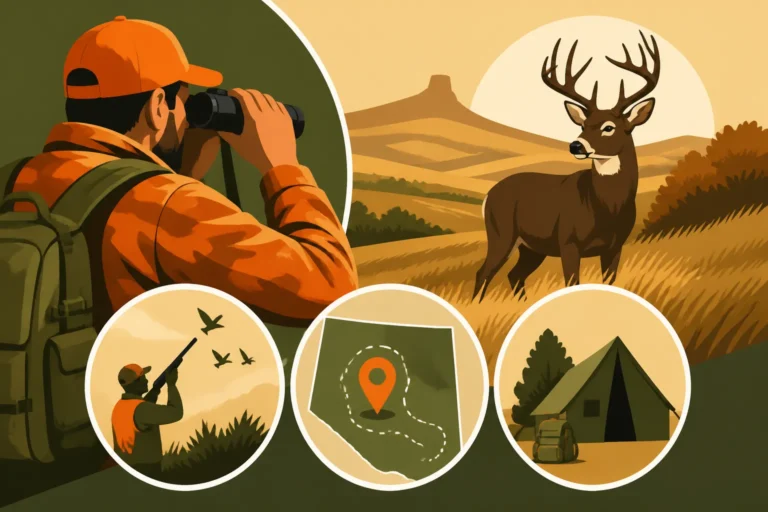
- Topographical Maps and Satellite Imagery: This is your starting point. Utilize mapping software like GoHunt or other reputable platforms to analyze potential moose habitat. Look for large, contiguous blocks of willow cover, especially those adjacent to water sources like rivers, large sloughs, or wetland complexes. Identify pinch points, transitions from timber to willows, and areas with diverse vegetation. Moose often use these transition zones as travel corridors and bedding areas. You can often pick out thicker patches of vegetation or subtle terrain changes that might offer bedding cover. For example, knowing how to use onX Layers for North Dakota Land Status can highlight public land access and even vegetation types that are ideal for moose.
- GoHunt's Data Overlays: Beyond basic satellite imagery, tools like GoHunt provide invaluable data overlays. You can often see historical public land boundaries, habitat types, and even some weather patterns that might influence moose movement. Look for areas that have limited human access – the harder it is for people to get to, the more likely a moose is to feel secure bedding there. Pay close attention to isolated pockets of cover or remote sections of river bottoms that might be overlooked by other hunters.
- E-Scouting for Access and Approach: While you're identifying prime habitat, also consider access points and potential approach routes. How will you get into these areas quietly and with the wind in your favor? Are there natural barriers, or easy travel corridors? Identifying these details on a map beforehand saves valuable time and minimizes disturbance once you're on the ground. Remember, some areas might have restrictions, so always confirm land status. For those days where cell service drops out, knowing how to navigate with Using the PLOTS App Without Cell Service can be a lifesaver, especially if you're hunting in areas managed under that program.
By doing your homework and leveraging these digital tools, you can narrow down your search areas significantly, focusing your on-the-ground efforts on the most promising spots.
On-the-Ground Tactics for Spotting Bedded Moose
Once you're in moose country, the real challenge begins: finding them in their chosen hideouts. This isn't a race; it's a patient, methodical game of observation.
Slow and Steady Wins the Race: Navigating Willow Thickets
Forget rushing. If you're busting through willow thickets, you're not hunting moose; you're pushing them out of the country. Moose have excellent hearing and a phenomenal sense of smell. Your approach needs to be incredibly deliberate and quiet.
- Move Like a Predator: Imagine you're a coyote stalking through the brush. Each step should be slow, controlled, and intentional. Test the ground before you put your full weight down, avoiding snapping twigs or rustling leaves. Pause frequently, often for several minutes at a time, to listen and scan. This isn't just about stealth; it's about giving the landscape time to reveal itself. A moose might shift, twitch an ear, or even just blink, and in the silence, you might hear a subtle rustle that indicates their presence.
- Utilize Natural Cover: As you move, use the willows and other vegetation to break up your own outline. Stay in the shadows, move from cover to cover, and try to keep a low profile. This isn't just to hide from the moose, but also to give yourself a stable position from which to glass.
- The Power of Patience: This cannot be stressed enough. You might spend an entire morning covering only a few hundred yards of dense willow bottom. That's okay. The goal is to move slowly enough that you don't spook a bedded moose, and you give yourself every opportunity to spot it before it spots you. Sometimes, a moose will let you walk right past them if they feel confident in their cover. Your job is to make sure that doesn't happen.
Reading the Landscape for Moose Sign
Moose leave plenty of clues, even when they're not visible. Learning to interpret these signs can guide you to their preferred bedding areas.
- Tracks and Trails: Look for fresh tracks, especially larger, rounded impressions with dewclaws often visible. Moose trails through thick willows will be noticeably wider and more broken than deer trails, with larger hoof prints. Fresh droppings, often large and pellet-like, are another obvious sign of recent activity.
- Beds: A moose bed is often a large, matted-down area, sometimes with a depression where their body has compressed the vegetation. It might be damp, especially if recently used. Look for fresh hair, especially in the transition seasons when they're shedding their winter coat. Finding an empty bed is a good indicator that a moose was recently there and might be nearby.
- Rubbing and Browsing: Moose will rub their antlers on small trees and shrubs, especially during the rut. Look for scarred or broken young trees, particularly willows and aspens. You'll also find evidence of browsing—twigs stripped of their leaves or bark, often at a height much higher than deer. This concentrated browsing indicates a preferred feeding area, and moose rarely feed far from where they bed. Understanding Glassing for Moose in River Bottom Willows is crucial here, as these areas often show abundant sign.
The Art of Patient Glassing
Once you're in an area with good sign, or you've approached a promising willow thicket, it's time to put your optics to work. This isn't a quick glance; it's a systematic search.
- Grid Search Method: Don't just scan randomly. Pick a small section of willows, divide it mentally into a grid, and methodically work your way across it, then down to the next section. Focus on small areas, maybe a 10×10-foot square, and scrutinize every inch before moving on. Use your tripod to maintain a steady image.
- Look for the "Out of Place": Moose are big, but they blend remarkably well. You're not necessarily looking for a whole moose at first. You're looking for anything that doesn't quite fit the natural patterns of the willows.
- Horizontal Lines: Willows grow vertically or at angles. A horizontal line could be a moose's back, belly, or leg.
- Dark Patches or Shadows: Moose are dark. Look for concentrated patches of deep brown or black that seem too uniform or too solid to be just shadows or damp earth.
- Shiny Spots: A wet nose, an eye, or even a piece of antler can sometimes reflect light, giving away their position.
- Subtle Movement: An ear flick, a tail twitch, or even the slight raising of a head can reveal a bedded moose. This is why long periods of motionless glassing are so critical.
- Texture and Form: The texture of moose hair is different from bark or leaves. A solid, rounded form that doesn't quite match the jagged, broken patterns of brush can be a giveaway.
- Use GoHunt for Micro-Terrain Analysis: Even on the ground, GoHunt or similar apps can help. Zoom in on the topo map to identify subtle rises, depressions, or breaks in the terrain within the willow thicket. These micro-features often provide the slight advantage a moose needs for bedding. Targeting these specific spots with your glass can dramatically increase your efficiency.
Approaching and Confirming Your Target
So, you've spotted something. It's dark, it's horizontal, and it definitely doesn't look like a stump. Now comes the crucial final stage: confirming it's a moose and planning your approach.
Wind, Thermals, and Your Stalk
Once you’ve identified a potential bedded moose, the stalk is paramount. This isn't just about getting close; it's about getting into a shooting position without alerting the animal.
- The Wind is Your Compass: Moose have an incredible sense of smell. Always, always, always approach with the wind in your face or quartering into it. A slight shift in the breeze can carry your scent directly to the moose, and you'll be left staring at an empty bed. Pay close attention to swirling winds in river bottoms and draws, as thermals can shift, especially in the mornings and evenings.
- Understanding Thermals: In undulating terrain, even slight elevation changes can create thermal currents. Cool air flows downhill in the morning and evening, while warm air rises during the day. Factor this into your approach. If you're above the moose, your scent will be carried down with the cool air. If you're below, it will rise. Understanding these dynamics is as important as understanding Wind and Thermals in Badlands Terrain for deer, even though the habitat is different, the principles remain.
- Slow, Purposeful Movement: As with glassing, your stalk must be agonizingly slow. Use all available cover – willows, downed timber, terrain features – to break up your silhouette. Minimize noise by picking up your feet, testing each step, and avoiding any rustling of clothing or gear. Pause frequently, check the wind again, and re-confirm the moose's position with your binoculars. A moose that feels secure might let you get surprisingly close if you manage the wind and noise perfectly. For longer hunts, remember to consider items for silence and comfort, similar to what you might need when Packing for an Eight-Day North Dakota Elk Hunt.
Distinguishing a Bedded Moose from Brush
This is often the trickiest part. What looks like a moose through binoculars can quickly morph back into a cluster of willows once you move or the light changes.
- Look for Definitive Features: Don't just look for a dark shape. Train your eyes to pick out specific moose anatomy.
- Ears: Moose ears are large and often darker than their body. An ear flick or the subtle outline of an ear can be a dead giveaway.
- Muzzle/Nose: The light-colored muzzle of a moose, especially against its dark face, can stand out. Look for the distinctive "bell" under the chin.
- Legs: Even if mostly obscured, the solid, dark vertical lines of a moose's legs, especially the joint where the knee or hock might be visible, are distinct from random branches.
- Antlers: If it's a bull, a glint of antler, even just a paddle edge, can confirm your sighting. Be aware that smaller bulls might have antlers completely covered by willows, or still be in velvet early season.
- Rump/Shoulder: The rounded, solid mass of a moose's rump or shoulder will often appear much more uniform and dense than the surrounding vegetation.
- Observe for Movement (or lack thereof): Sometimes the easiest way to confirm isn't what you see, but what you don't see. If you've been watching a spot for several minutes, and that dark shape hasn't moved, shifted, or been blown by the wind like the surrounding brush, it's highly likely to be an animal. Patience is key; a bedded moose might remain motionless for a long time.
- The "Head Pop": Often, a bedded moose will pick up its head occasionally to scan its surroundings. If you're patient and positioned well, you might catch this movement, providing an unmistakable confirmation. However, they can do this surprisingly discreetly.
- Use Your Phone for Photos/Video: Modern smartphone cameras with good zoom capabilities can sometimes help. Snap a photo or record a short video and zoom in on the playback. The static image can sometimes reveal details you missed with the naked eye or binoculars.
Here's a quick reference for visual cues:
| Feature to Spot | What to Look For | Why It's a Clue |
|---|---|---|
| Body Outline | Unnatural horizontal lines, solid dark mass, rounded forms | Breaks up the vertical/jagged pattern of willows; distinct shape |
| Color/Texture | Consistent dark brown/black patch, dense fur-like texture | Different from bark, leaves, or shadows |
| Head/Face | Light-colored muzzle, dark eye, distinctive "bell" | High contrast areas, often distinct even when partially obscured |
| Ears | Large, dark, often slightly pointed or moving | Movement is a dead giveaway; shape is unique |
| Legs | Solid, dark vertical columns, visible joints | Uniform thickness and shape, unlike branches |
| Antlers (Bulls) | Distinct paddle shape, glint of bone/velvet | Unmistakable, even if only a small part is visible |
| Lack of Movement | Stationary object when surrounding brush sways in wind | If it doesn't move with the natural elements, it's likely solid |
| Hair | Small clumps of dark hair snagged on branches nearby | Shedding indicates recent presence in the exact spot |
Remember, hunting Moose and Bighorn Sheep Hunting in North Dakota is a truly unique experience, and successfully finding a bedded moose in willow cover is a testament to your patience and skill. These are How Many Moose Live in North Dakota, and each successful harvest is a special one, especially considering What a Once-in-a-Lifetime Moose Tag Means. The pursuit is just as rewarding as the harvest.
Disclaimer
Hunting is an inherently dangerous activity. Always prioritize safety, adhere to all North Dakota hunting regulations, and ensure you have proper training and licensing before heading into the field. This guide provides informational tips only and is not a substitute for professional instruction or adherence to all applicable laws. Conditions in the field can change rapidly, and hunters should always exercise extreme caution and good judgment.