North Dakota Bighorn Sheep Lottery Application Process
The dream of hunting a bighorn sheep in North Dakota is something many hunters hold dear, but the process of even getting a tag can feel like trying to win the lottery with a single ticket and no instructions. It's an exclusive opportunity, steeped in strict regulations and fierce competition, making the application process itself a significant hurdle. This guide aims to demystify North Dakota's bighorn sheep lottery application, offering a comprehensive walkthrough to help you navigate the system, understand the odds, and improve your chances of realizing that once-in-a-lifetime hunt.
Understanding the Rarity: Why Bighorn Sheep Tags are So Coveted
The allure of bighorn sheep in North Dakota isn't just about their majestic presence or the challenging terrain they inhabit; it's also about their extreme rarity. These are truly once-in-a-lifetime opportunities, which means the competition is incredibly stiff. Understanding why these tags are so hard to come by is the first step in appreciating the application process.
Limited Tags, Unique Habitat
North Dakota’s bighorn sheep population is relatively small, primarily residing in the rugged, breathtaking landscape of the Little Missouri Badlands. Unlike the expansive herds found in larger western states, North Dakota's herd is carefully managed to ensure its long-term health and stability. This means the North Dakota Game and Fish Department (NDGFD) issues only a handful of tags each year, typically between 5 to 7. Sometimes it's even fewer, depending on herd health, population surveys, and lamb recruitment. When you consider that thousands of resident hunters apply for these tags, the sheer mathematics highlight the extreme exclusivity. You're not just applying for a hunt; you're applying for an experience that very few people will ever have the privilege of undertaking.
The Once-in-a-Lifetime Factor
Adding another layer to the challenge is the "once-in-a-lifetime" rule. If you are lucky enough to draw a North Dakota bighorn sheep license, you can never apply for or receive another one. This isn't a species you can hunt every few years if you draw a tag; it's literally a one-shot deal for life. This policy is in place to give as many resident hunters as possible a chance at this unique opportunity, preventing a few individuals from monopolizing the limited tags. It also underscores the importance of being fully prepared if you do draw, as there are no second chances. This rule applies to other coveted species in the state, such as North Dakota's Once-in-a-Lifetime Big Game Licenses for moose and elk, further emphasizing the rarity of these special draw tags.
Eligibility and Residency: Who Can Even Apply?
Before you even start dreaming of a bighorn hunt, you need to ensure you meet the strict eligibility requirements. North Dakota is very clear about who can and cannot apply for these coveted tags.
Resident-Only Status
One of the most crucial factors to understand is that North Dakota bighorn sheep licenses are resident-only. Non-residents, no matter how long they've hunted in North Dakota for other species, are simply not eligible to apply. This policy is designed to preserve these highly limited opportunities for the state's own citizens, recognizing the significant investment residents make in conservation through their taxes and license purchases. This is a common practice in states with small, fragile populations of highly sought-after game. So, if you're not a legal resident of North Dakota, unfortunately, the bighorn lottery is out of reach. For those interested in pursuing other big game opportunities, understanding North Dakota Resident License Options is a good starting point to explore what's available to you.
Age and Hunter Education Requirements
Even as a resident, you'll need to meet specific age and hunter education requirements. Generally, applicants must be at least 12 years old by December 31st of the application year to be eligible to hunt bighorn sheep. While younger hunters can apply, they must meet the age requirement by the end of the season. Additionally, anyone born after December 31, 1961, must have a valid North Dakota hunter education certificate or an equivalent certificate from another state or province. This isn't just a suggestion; it's a mandatory requirement to ensure all hunters possess the fundamental knowledge and skills for safe and ethical hunting. If you're a new hunter or need to get certified, familiarize yourself with North Dakota Hunter Education Requirements well in advance of the application deadline.
The Application Process Step-by-Step: Don't Miss a Detail!
Navigating the application can feel intimidating, but breaking it down into manageable steps makes it much easier. The key is to be meticulous and submit everything correctly and on time.
Online Portal Navigation
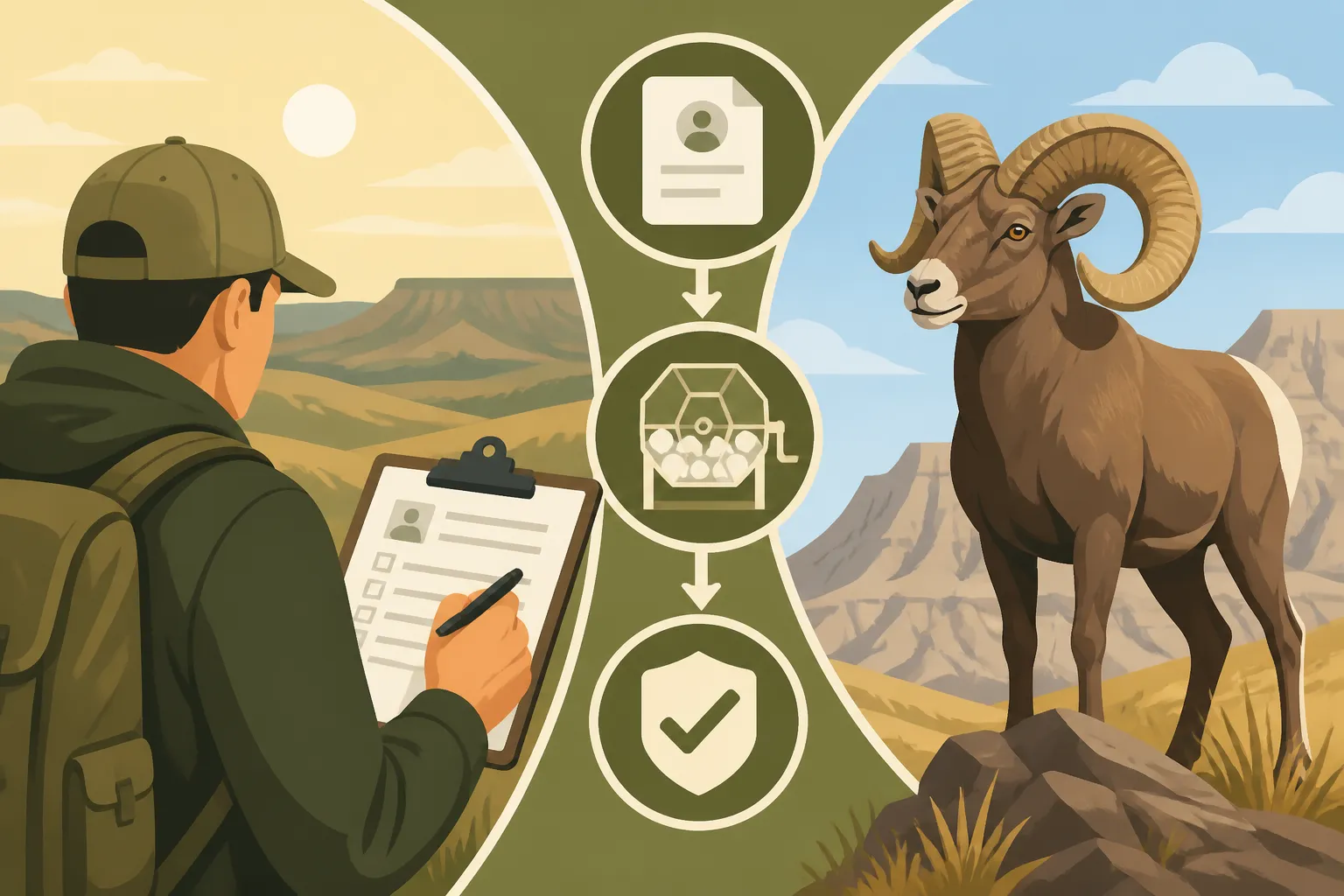
The primary method for applying for a North Dakota bighorn sheep license is through the NDGFD's online licensing portal. Gone are the days of paper applications for most draws. This digital system is generally user-friendly, but it requires careful attention to detail. You'll need an active customer account with the NDGFD, which you can create or update well before the application period opens. Make sure all your personal information – name, address, date of birth, hunter education number – is accurate and up-to-date. Inaccurate information can lead to your application being rejected. When the application period opens, usually in March, log in, find the "lottery applications" section, and select the bighorn sheep lottery. The system will guide you through the necessary fields, including unit choices if applicable, though for bighorn, choices are usually limited or non-existent due to the specific hunt types. It’s always a good idea to submit your application a few days before the official deadline to avoid any last-minute technical glitches or system overloads. The NDGFD uses a similar online system for other draws, so if you've ever gone through the North Dakota Deer Gun Lottery Application Process, you'll find the interface familiar.
Application Dates and Deadlines
Mark your calendars! Missing the application deadline is the quickest way to guarantee you won't draw a tag. The application period for North Dakota bighorn sheep typically runs from mid-March through early April, with the exact dates announced annually by the NDGFD. For instance, the deadline often falls on the first or second Wednesday in April. Always double-check the official NDGFD website for the precise dates for the current year. There are no extensions, and late applications are simply not accepted. It’s a good practice to set multiple reminders on your phone, calendar, or even ask a hunting buddy to remind you. The lottery system for moose and elk also shares similar deadlines, so if you're interested in those, you'll be managing your applications around the same time. The department is very strict on these dates, so plan accordingly.
Fees Involved
Applying for a bighorn sheep license isn't free, even if you don't draw. There's usually a non-refundable application fee, which helps cover the administrative costs of running the lottery. This fee is typically around $5 or $10. If you are successful in drawing a tag, the full license fee, which is significantly higher (often several hundred dollars for a bighorn license), will be charged automatically to the credit card you used for the application. It’s critical to ensure you have sufficient funds available on that card, or your tag could be forfeited. Always review the current year's fee schedule on the NDGFD website. Understanding North Dakota's Application Fees Work for all species will give you a broader picture of the costs associated with various hunting opportunities in the state.
Preference Points and Odds: Improving Your Chances (Slightly)
When it comes to bighorn sheep, drawing a tag is largely a game of chance. However, North Dakota does implement a preference point system that can subtly, over many years, influence your odds.
How They Work
North Dakota's bighorn sheep lottery operates on a preference point system. For every year you apply for a bighorn sheep license but are unsuccessful, you accrue one preference point. These points effectively give you slightly better odds in subsequent draws. For example, if you have 5 preference points, your application might be drawn before someone with 0 points if all other factors are equal. However, it's crucial to understand that this is not a bonus point system, nor is it a true preference system where the highest points automatically draw. It's more of a weighted lottery. Your points are essentially used to place your application into different drawing pools, with higher point totals getting you into pools with better chances. It doesn't guarantee a tag, but it does mean that dedicated applicants who apply year after year slowly build up a slight advantage. Keep in mind, if you do draw a bighorn sheep tag, your preference points for that species are reset to zero. The preference point system for moose and elk tags operates similarly, so if you're applying for multiple once-in-a-lifetime species, understanding North Dakota Preference Point System Explained is vital for your long-term strategy.
Strategizing Your Applications
Given the extremely limited number of tags and the once-in-a-lifetime rule, strategizing for bighorn sheep is more about consistent application than complex tactical maneuvers. The best strategy is simply to apply every single year if you truly desire a bighorn tag. Don't skip a year, as that means you lose out on accumulating a preference point. While the odds remain incredibly low (often less than 1% for any given applicant), continually accruing points is the only way to marginally tip the scales in your favor over the long haul. There's no secret trick or shortcut; patience and persistence are your greatest assets here. Some hunters use advanced tools like GoHunt, which provide detailed draw odds and unit breakdowns for other species across the West, to refine their strategies. While GoHunt might not have hyper-specific North Dakota bighorn odds due to the low tag numbers, it's an invaluable resource for understanding draw statistics in general and can help you strategize for other big game like mule deer in the Badlands.
Table: North Dakota Bighorn Sheep Lottery – Key Details
| Aspect | Detail | Typical Timeline (Annually) |
|---|---|---|
| Eligibility | North Dakota Residents ONLY. | Ongoing |
| Hunter Ed Req. | Born after 12/31/1961 must be certified. | Complete before applying |
| Application Period | Typically ~3 weeks. | Mid-March to Early April |
| Application Fee | ~$5-10 (non-refundable). | Due at application submission |
| License Fee (if drawn) | ~$300-500 (automatically charged). | Charged upon successful draw |
| Preference Points | Accrue 1 point for each unsuccessful application. Reset to 0 if drawn. | Built up year over year |
| Drawing Notification | Email/Mail notification. | Late April / Early May |
| Hunt Type | Once-in-a-lifetime. | One tag, one time |
| Typical Tags Issued | 5-7 (varies by herd health). | Annually |
Post-Application and Notification: What Happens Next?
After the application deadline closes, the waiting game begins. This can be the most nerve-wracking part, but knowing what to expect can alleviate some of the stress.
Checking Results
Once the lottery draw is complete, usually in late April or early May, the NDGFD will notify applicants of their results. This typically happens via email, and sometimes a postcard will be sent to successful applicants. You can also log into your NDGFD online account to check your application status. Don't wait by the mailbox or constantly refresh your email; the system processes thousands of applications, and notifications might roll out over a day or two. If you drew, congratulations! If not, don't despair – you've gained a preference point and will try again next year. For reference, the North Dakota Elk Application Deadline and North Dakota Moose Application Deadline also have similar notification timelines, so if you applied for multiple species, you might be checking results around the same time for all of them.
Tag Acceptance and Refusal
If you are one of the incredibly fortunate few to draw a bighorn sheep tag, you typically don't need to "accept" it in the traditional sense, as the full license fee is usually automatically charged when your application is drawn. However, it's absolutely critical to ensure your payment method is valid and has sufficient funds. If the charge fails, you could forfeit your once-in-a-lifetime tag, and it might be offered to an alternate. It's a devastating scenario to imagine, so be prepared! Refusing a tag isn't common for bighorn, given their rarity and the once-in-a-lifetime rule, but if for some unforeseen reason you couldn't make the hunt, you would need to contact the NDGFD immediately. Just remember, a drawn tag, whether hunted or not, typically means your preference points for bighorn are reset, and you cannot apply again.
Essential Resources and Tools for Applying
Successfully navigating the bighorn sheep lottery requires more than just filling out a form; it demands thorough research and utilizing the right tools.
Official Game and Fish Website
Your absolute best resource for the most accurate and up-to-date information is the official North Dakota Game and Fish Department (NDGFD) website. Here, you'll find the annual proclamation, which details the specific application dates, fees, eligibility requirements, and any changes to the lottery process for the current year. This website also provides hunt unit maps, population data, and contact information for wildlife biologists who can answer specific questions. Don't rely solely on forums or social media; always cross-reference information with the official source. They also publish detailed harvest reports, which can provide insights into previous seasons, though with bighorn, the data is very limited due to the low tag numbers.
Scouting Tools
While drawing the tag is the biggest hurdle, if you are successful, proper scouting becomes paramount. North Dakota's bighorn sheep primarily inhabit the rugged Badlands, which means challenging terrain and often expansive areas to cover. Tools like onX Hunt are indispensable for understanding land ownership, identifying potential sheep habitat, and planning access routes, especially if you're scouting specific areas within the Hunting North Dakota's Badlands. While you can't use these tools to apply for the lottery, they become crucial once you have a tag in hand. Another excellent resource is GoHunt, which, as mentioned earlier, offers comprehensive data and insights into western big game draws. While its full power might be more apparent for multi-unit, multi-species Western hunts, understanding their analytics and mapping features can still be beneficial for general knowledge and preparing for other hunt types in North Dakota. For example, GoHunt's ability to overlay different map layers and research public land access could be invaluable when preparing for a self-guided Spot-and-Stalk Elk in the Little Missouri Badlands hunt, should you draw that coveted tag in the future.
Disclaimer
Please note that hunting regulations, season dates, and application processes can change annually. While this guide provides comprehensive and current information, it is always the hunter's responsibility to consult the official North Dakota Game and Fish Department website and current year's hunting proclamation for the most up-to-date and accurate details before applying for any license or heading afield.