North Dakota Moose Application Deadline
The dream of drawing a North Dakota moose tag can feel like a lifelong pursuit for many hunters, a truly once-in-a-lifetime opportunity that hangs on a single application. It's easy to get lost in the excitement and overlook the precise deadlines, which can quickly turn that dream into a missed chance. This comprehensive guide will walk you through the critical application deadline for moose in North Dakota, clarify the lottery process, and help you understand what it takes to even throw your hat in the ring for one of these coveted tags.
Understanding the North Dakota Moose Application Deadline
When you're chasing an animal as magnificent and rare as a North Dakota moose, every detail of the application process matters, especially the deadlines. Missing even a single day can mean waiting another year to even have a shot at a tag. This isn't like buying an over-the-counter license; it's a dedicated lottery system designed to manage a precious and limited resource.
The Critical June 5th Date
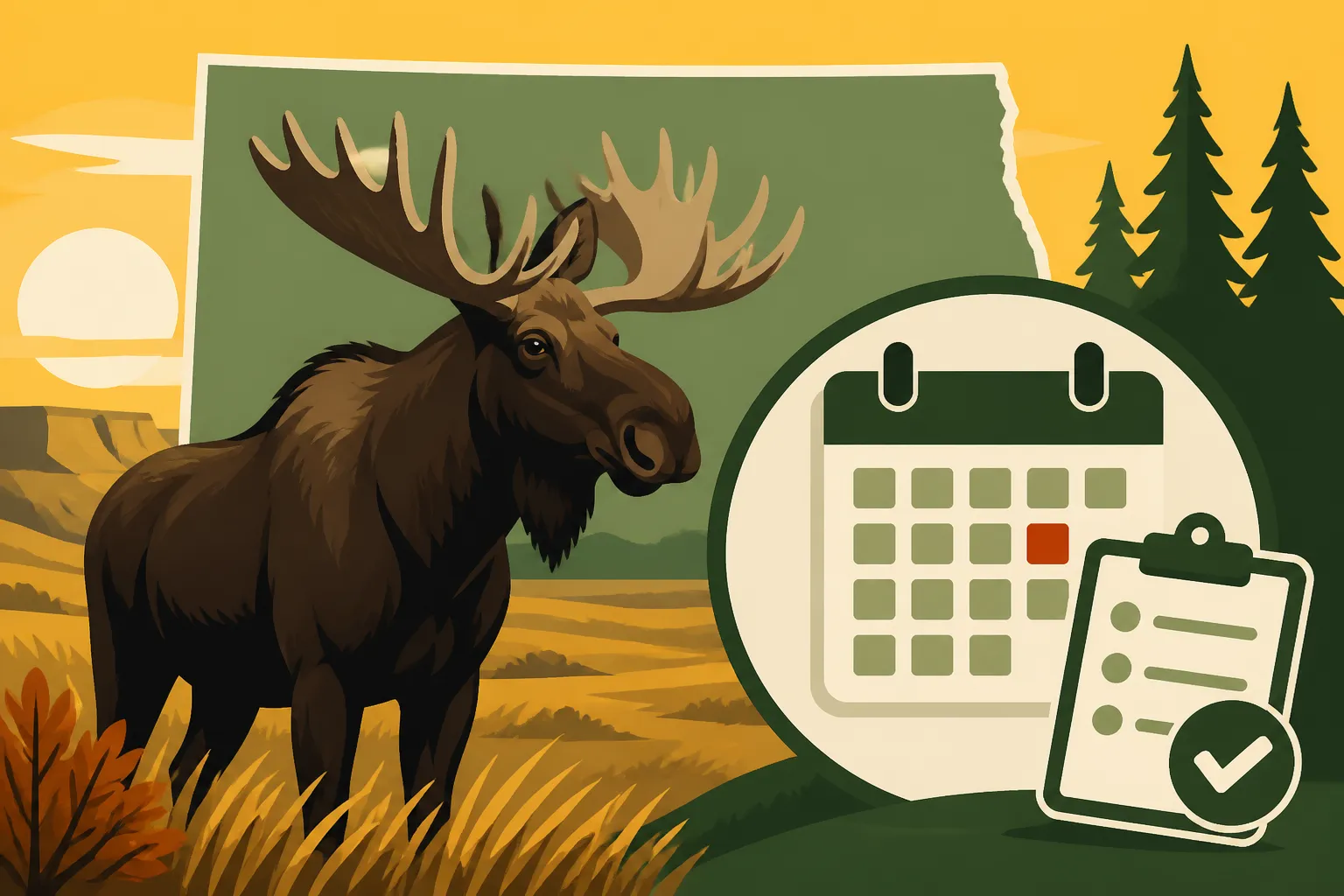
For those hoping to draw one of North Dakota's highly sought-after moose tags, the absolute most important date to circle on your calendar, highlight, and set multiple reminders for is June 5th. This is the hard deadline for submitting your application to the North Dakota Game and Fish Department (NDGFD). It's not a suggestion; it's a hard cut-off. If your application isn't submitted by the close of business or by midnight for online submissions on June 5th, you are simply out of luck for the entire year. There are no extensions, no exceptions for technical glitches on your end, and no sympathetic ears if you forgot.
It’s a tough pill to swallow if you've done all your research, scouted potential areas, and dreamed about Hunting North Dakota's Once-in-a-Lifetime Moose Herd, only to miss the application window. Many hunters use tools like GoHunt's tracking features or similar platforms to keep these critical dates straight, as it's not just moose; elk and bighorn sheep share this same deadline. Imagine the frustration of realizing on June 6th that your chance for the year has vanished. This strict adherence to deadlines ensures fairness in a system where demand far outstrips supply, especially for a special tag like moose.
Why the Deadline is So Strict
The strictness of the June 5th deadline isn't arbitrary; it's a reflection of the intensive management required for North Dakota's unique moose population. Unlike species with thousands of available tags, moose tags are incredibly limited. The NDGFD carefully allocates a very small number of licenses each year, based on extensive aerial surveys, habitat assessments, and population health data. This conservative approach helps sustain the herd and ensures high-quality hunting opportunities for those lucky enough to draw.
Because of this scarcity, the lottery system is the only equitable way to distribute these tags. A firm deadline ensures that all applications are received within the same window, allowing the department to process them fairly and conduct the drawing without continuous submissions. It streamlines their administrative process, enabling them to focus on the biological management of the species rather than chasing late applications. It also sets clear expectations for hunters, knowing that everyone is playing by the same rules, with no last-minute entries allowed.
Navigating the North Dakota Moose Lottery Application Process
Securing a North Dakota moose tag isn't about luck alone; it's also about understanding the system and making sure you dot every 'i' and cross every 't' on your application. This resident-only lottery is highly competitive, and knowing the ins and outs can help you maximize your chances, or at least avoid common pitfalls.
Eligibility and Residency Requirements
First and foremost, you need to understand that moose, along with elk and bighorn sheep, are considered North Dakota's Once-in-a-Lifetime Big Game Licenses, and they are strictly resident-only opportunities. This means if you're not a legal resident of North Dakota, you cannot apply for a moose tag. Period. This policy is in place to prioritize hunting opportunities for the state's residents, who contribute directly to the management and conservation efforts through their license fees and taxes. This is a common practice across many states for their most coveted big game species, often referred to as Why Elk, Moose and Pronghorn Stay Resident-Only.
To be considered a resident, you typically must have lived in North Dakota for a specific period (usually six consecutive months) immediately preceding your application, and maintain a dwelling in the state. You can't claim residency in another state for hunting or fishing licenses, or for other privileges that require residency elsewhere. It’s crucial to meet these requirements fully, as providing false information can lead to severe penalties, including fines and revocation of hunting privileges. The NDGFD conducts checks, and it's simply not worth the risk.
The Online Application Steps
The application for a North Dakota moose tag is typically handled through the NDGFD's online licensing portal. The process, while straightforward, requires attention to detail. You'll start by creating an account or logging into your existing one. From there, you'll navigate to the big game lottery applications, specifically selecting the moose application. This is where you'll make your unit choices. North Dakota is divided into various hunting units, and for moose, these units often reflect specific geographic areas where moose populations are managed. You’ll need to research these units carefully, understanding their boundaries, habitat, and recent moose sightings to make an informed choice. GoHunt's data, for instance, can sometimes provide insights into these units, though specific drawing odds for individual units are often very low.
A critical component of the application is the preference point system. North Dakota uses a preference point system for its big game drawings, including moose. Essentially, for every year you apply for a moose tag and are unsuccessful, you accrue a preference point. The more points you have, the better your chances are in subsequent drawings, as applicants with more points typically get priority. This system is designed to reward long-term applicants, meaning that newer applicants will almost always face astronomically low odds. It’s a long game, and understanding North Dakota Preference Point System Explained is vital for anyone serious about drawing a tag. You also generally have the option to simply purchase a preference point without applying for a tag, which many do to build points while waiting for optimal conditions or the time in their life when they can commit to such a significant hunt.
| Application Type | Deadline Date | Drawing Announcement (Approx.) | License Type | Residency | Once-in-a-Lifetime |
|---|---|---|---|---|---|
| Moose Lottery | June 5th | Late June / Early July | Single Moose Tag | Resident | Yes |
| Elk Lottery | June 5th | Late June / Early July | Single Elk Tag | Resident | Yes |
| Bighorn Sheep Lottery | June 5th | Late June / Early July | Single Bighorn Tag | Resident | Yes |
| Preference Point Only | June 5th | N/A | Preference Point | Resident | N/A |
The Rarity and Allure of a North Dakota Moose Tag
Drawing a moose tag in North Dakota is often seen as the holy grail for resident big game hunters. It’s not just about the animal itself, but the challenge, the unique experience, and the sheer improbability of it all.
A Once-in-a-Lifetime Opportunity
The term "once-in-a-lifetime" isn't an exaggeration when it comes to North Dakota moose tags. This designation means that if you are fortunate enough to draw and harvest a moose in North Dakota, you will generally not be eligible to apply for another moose license in the state again. This policy, detailed further in What a Once-in-a-Lifetime Moose Tag Means, is in place to spread the opportunity among as many residents as possible, given the extremely limited number of tags issued. It underscores the preciousness of each tag and the department's commitment to offering a unique experience to a wide array of hunters over time.
This rarity makes the planning and execution of such a hunt incredibly significant. For many, it's not just a hunt; it's an expedition, a chance to connect with a truly wild and majestic animal in North Dakota's diverse landscapes. Whether you're trying your hand at Picking Out a Bedded Moose in Willow Cover in the river bottoms or tracking one through more open country, the "once-in-a-lifetime" status adds an immense weight and excitement to the endeavor.
Moose Management and Population
North Dakota's moose population, while not as vast as in some northern states or Canadian provinces, is a testament to successful wildlife management and habitat protection. Unlike other states where moose populations are declining, North Dakota's herd has seen fluctuations but remains a viable, albeit small, opportunity for hunters. Historically, moose were not a common sight in much of North Dakota, but they've expanded their range, particularly along river corridors and forested areas in the northern and eastern parts of the state. Understanding How Many Moose Live in North Dakota and Where North Dakota Moose Concentrate is key for any hopeful applicant.
The NDGFD meticulously manages these limited populations to ensure sustainability. This involves careful monitoring of population health, including disease factors like North Dakota Moose Winter Tick Impact, and regulating harvest levels through the lottery system. The extremely low number of tags issued each year, typically in the double digits statewide, reflects this cautious approach. This is why drawing odds are so challenging, and why many hunters will apply for decades before ever seeing their name on the draw list. It's a testament to the NDGFD's commitment to conservation over commercialization, ensuring that this unique resource remains for future generations to cherish, even if the opportunity to hunt them is rare.
What Happens After You Apply for a Moose Tag
Once you've submitted your North Dakota moose application, the hardest part for many hunters is the wait. The anticipation can be excruciating, especially for a tag as rare as a moose. But understanding the post-application timeline and what to do if you draw can help manage expectations and prepare you for the next steps.
The Waiting Game and Drawing Results
After the June 5th application deadline passes, the North Dakota Game and Fish Department gets to work processing thousands of applications for moose, elk, and bighorn sheep. The drawing itself usually takes place in late June or early July, though the exact date can vary slightly year to year. You won't typically get a phone call or an email right away telling you if you drew; rather, the results are usually posted online through the NDGFD website or your personal licensing portal. Many hunters anxiously check these portals multiple times a day once the expected announcement window arrives.
The feeling of logging in, seeing your name on that list, and realizing you've drawn a North Dakota moose tag after years, or even decades, of applying is indescribable. For some, it truly is the culmination of a lifelong dream. The odds are notoriously low, making the success even sweeter. According to general North Dakota Moose Hunt Success Rates, a significant number of hunters who draw a tag are successful in harvesting a moose, a testament to the quality of the hunting opportunity and the dedication of these lucky individuals. However, the initial hurdle is simply getting that precious piece of paper. You can also monitor other states' draw results on platforms like GoHunt if you apply elsewhere, but for North Dakota, it's usually directly through the NDGFD portal.
If You're Fortunate Enough to Draw
If you are one of the incredibly fortunate few to draw a North Dakota moose tag, congratulations! This is where the real work—and excitement—begins. Your first step will be to verify your tag details, unit, and season dates. The NDGFD will typically send out a physical license, but all the information will be accessible online. This is also the time to decide if you want to consider additional resources. While many choose to embark on a self-guided adventure, some might consider booking a guide, especially if they are new to moose hunting or the specific terrain of their unit. However, be aware that you cannot book a guide until you have already drawn your tag. This differs from some other big game hunts and is explicitly stated in information like Booking a Guide for a Moose Tag You Drew.
Next, it's time to hit the books and maps. Dive deep into scouting your specific unit. Use aerial imagery, topographical maps, and perhaps even GoHunt's mapping layers to identify potential moose habitat, access points, and dense cover. Moose are often found in thick willow bottoms, marshy areas, and along river corridors. Physical scouting, if possible, can provide invaluable insights into current conditions, food sources, and travel patterns. Remember, this is a "once-in-a-lifetime" opportunity, so every effort you put in beforehand will increase your chances of a successful and memorable hunt. Planning for the hunt itself – gear, logistics, and physical preparation – will become your primary focus, transforming that application dream into a tangible reality. Also, remember to consider if you can apply for multiple "once-in-a-lifetime" species in the same year, detailed in Can You Apply for Elk and Moose the Same Year, if that applies to your future plans.
Disclaimer
The information provided in this guide is for general informational purposes only and is subject to change. Hunting regulations, application deadlines, and license requirements are set by the North Dakota Game and Fish Department and can be updated annually. Always consult the official North Dakota Game and Fish Department website or their current hunting proclamation for the most accurate and up-to-date rules and information before applying or hunting.