North Dakota Deer Gun Lottery Application Process
The North Dakota deer gun lottery can feel like navigating a maze, especially with all the dates, unit codes, and preference point systems to keep straight. It’s incredibly frustrating when you just want to get out in the field, and instead, you’re tangled in a web of applications. This comprehensive guide is here to demystify the entire process, walking you through every step to ensure your best shot at drawing a coveted deer tag in North Dakota.
Understanding the North Dakota Deer Gun Lottery System
Before diving into the nitty-gritty of applying, it's crucial to understand why North Dakota operates on a lottery system for its deer gun season. It's not just to make things complicated, I promise! The state's wildlife management goals are centered on maintaining healthy deer populations and providing quality hunting opportunities, which means carefully controlling harvest numbers.
Why a Lottery System for Deer
North Dakota is renowned for its excellent deer hunting, particularly for white-tailed deer and, in the Badlands, mule deer. However, these populations fluctuate due to a variety of factors like harsh winters, disease outbreaks (like EHD), and habitat changes. To manage these fluctuations and ensure sustainable hunting pressure, the North Dakota Game and Fish Department (NDGFD) allocates a specific number of tags for each hunting unit across the state. When demand for these tags exceeds the supply, a lottery becomes the fairest way to distribute them. This ensures that everyone has an equal chance, based on their preference points, rather than a first-come, first-served system that might favor those with faster internet or more free time right at opening. It's a system designed to balance hunter opportunity with wildlife conservation.
Who Must Apply for a Deer Gun Tag
Essentially, almost anyone who wants to hunt deer with a firearm in North Dakota needs to go through the lottery. This includes both residents and nonresidents. There are some specific exceptions, such as those eligible for gratis landowner licenses or youth hunters participating in special seasons, but for the vast majority of deer hunters, the lottery is the gateway to a gun tag. Even if you've been hunting North Dakota for decades, you still have to put in for the draw each year. Nonresidents face additional restrictions, often having specific quotas or needing to hunt on private land during certain periods. Understanding the distinction between North Dakota Resident License Options and North Dakota Nonresident License Options is vital before you even consider applying.
Understanding License Types: Any-Deer Versus Antlerless
One of the most critical decisions you'll make in the application process is selecting your license type preference. North Dakota offers "Any-Deer" licenses, which allow you to harvest either an antlered buck or an antlerless deer, and "Antlerless-Only" licenses, which, as the name suggests, are only for does or fawns. The "Any-Deer" tags are typically far more competitive and harder to draw, especially in premier units known for producing big bucks. If your primary goal is simply to put venison in the freezer or participate in the gun season, applying for an "Antlerless-Only" tag dramatically increases your odds of success. Many seasoned hunters will strategically apply for an antlerless tag if they're focused on filling the freezer or hunting a specific unit where antlerless opportunities are plentiful but buck tags are scarce. It’s a trade-off that requires careful consideration of your hunting goals and the specific units you’re interested in.
Key Dates and Deadlines You Cannot Miss
Missing a deadline in the North Dakota deer gun lottery is like missing the opener of deer season itself – it means you’re out of luck for the year. The NDGFD adheres strictly to its timelines, and there are no do-overs for late applications. Keeping these dates front and center in your hunting planner is non-negotiable.
The Critical Application Window
The application period for the North Dakota deer gun lottery typically opens in early May and closes in early June. Specifically, the deadline is often around The June 3 Deer Lottery Application Deadline, though it’s always wise to check the official NDGFD website for the exact date each year. This window is fairly consistent, but don't just mark your calendar for the deadline. I highly recommend applying well before the final days. The online system can get bogged down with last-minute applications, and technical glitches, while rare, can happen. Imagine spending hours researching units, only to have your application fail on the final night because of high traffic. Avoid that stress entirely by submitting your application in the first couple of weeks it's open. This early bird approach also gives you time to correct any errors the system might flag.
When to Expect Lottery Results
The waiting game after applying can feel like an eternity, but the NDGFD typically releases the lottery results in early to mid-July. You'll usually receive an email notification if you applied online, or you can check your application status directly through the NDGFD online portal. It's a moment of truth, akin to opening a Christmas present. Did you draw your first choice? Did you get an antlerless tag in a great unit? Or are you staring at the dreaded "unsuccessful" message? Knowing when to check helps manage expectations and allows you to plan your fall accordingly, whether that means prepping for a deer hunt or shifting focus to other hunting opportunities like North Dakota Pheasant and Upland Season Rules or Duck and Goose Hunting North Dakota's Potholes.
Important Post-Drawing Deadlines
Drawing a tag isn't the final step. There are often important deadlines after the initial drawing, especially concerning second-chance opportunities or purchasing your license. If you're successful in the main lottery, you'll need to formally purchase your license within a specified timeframe, usually by late July or early August. Failing to do so can result in forfeiting your tag. Furthermore, if you don't draw in the main lottery, there are sometimes opportunities to apply for remaining antlerless tags in units that didn't fill their quotas. These "second drawing" periods usually occur in late summer, and while they might not be for that dream buck tag, they're a fantastic way to still secure an opportunity to hunt. Keep an eye on the NDGFD announcements, as these often have very short application windows.
Navigating the Application Process Step-by-Step
The actual application itself is largely digital, conducted through the North Dakota Game and Fish Department's online licensing portal. While it's designed to be user-friendly, there are specific pieces of information you'll need to have handy and particular fields to understand. Rushing through it is a recipe for error.
Gathering Your Essential Information
Before you even log into the NDGFD portal, make sure you have all your personal details readily available. This includes your social security number, date of birth, physical address, phone number, and email. You'll also need your North Dakota hunting license number if you're a returning applicant. For nonresidents, ensure you have your state-specific identification ready. It's also incredibly helpful to have a clear idea of your preferred hunting units and the type of license (Any-Deer or Antlerless-Only) you're applying for in each choice. I usually jot down my top three unit choices and their corresponding license types on a piece of paper before I start the online application. This pre-planning minimizes frantic searching and reduces the chance of inputting the wrong code under pressure.
Using the Game and Fish Online Portal
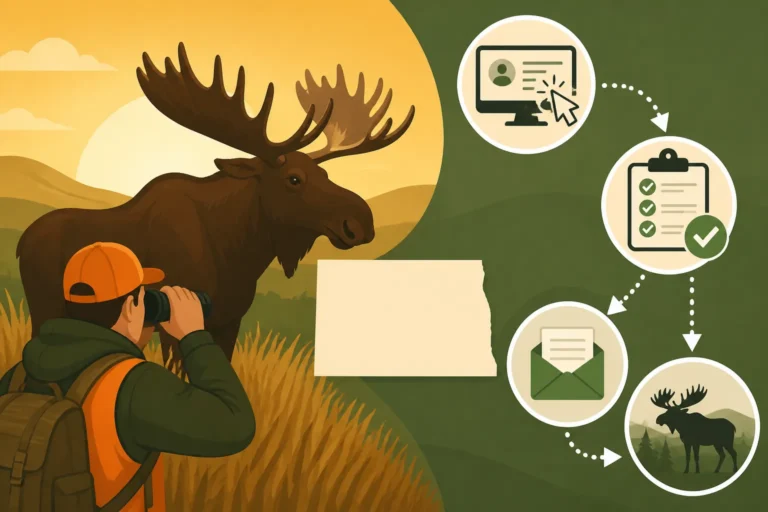
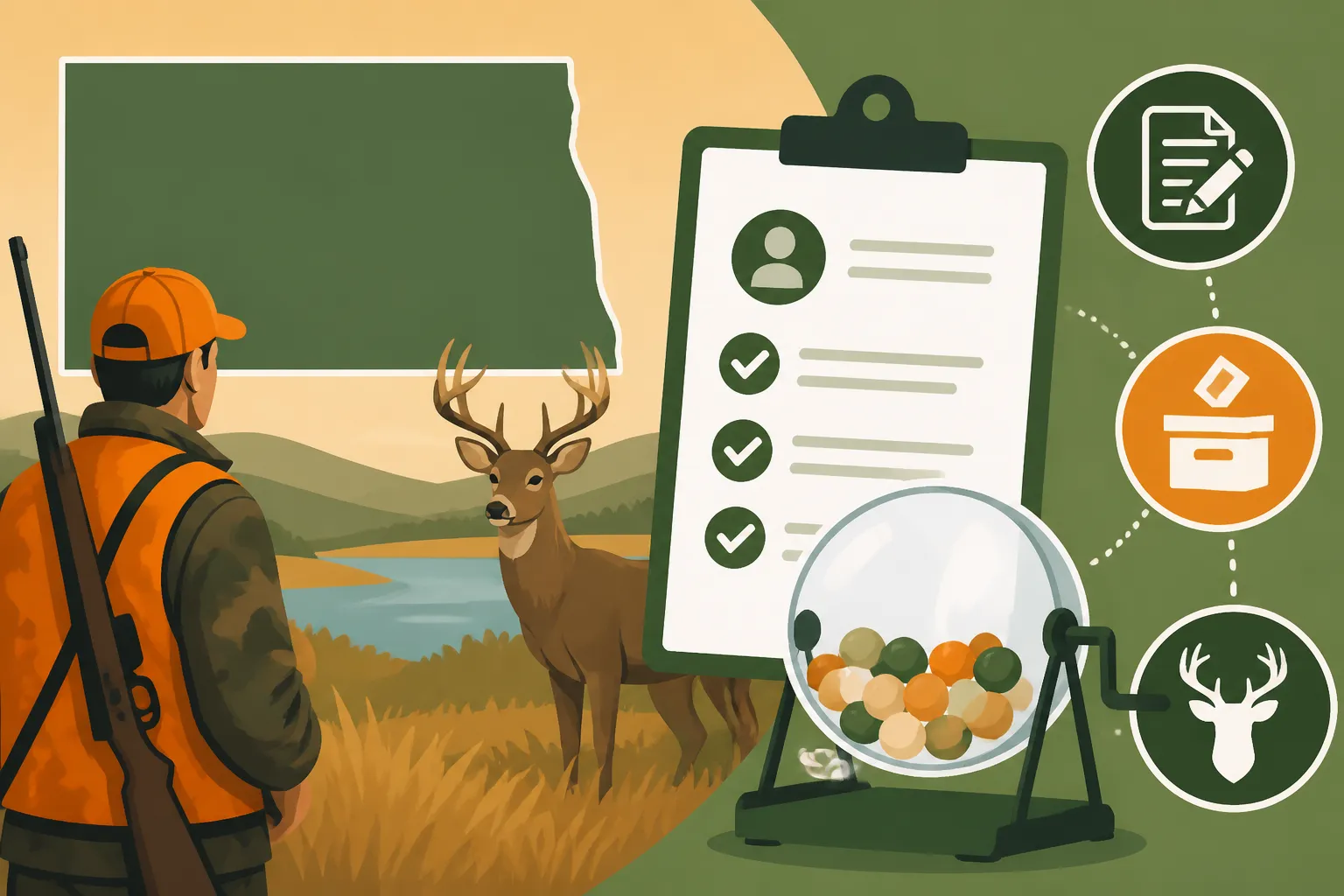
The NDGFD's online portal is your primary gateway for applying. You'll need to create an account if you haven't already. Once logged in, navigate to the "Apply for Lottery" section. The system will guide you through a series of prompts. You'll enter your personal information, choose your first, second, and third unit/license type preferences, and then verify your choices. This is where attention to detail is paramount. Double-check your unit codes, ensuring they match the specific areas you've scouted or researched. The NDGFD website provides detailed maps and descriptions of each hunting unit. A quick cross-reference with tools like onX or your Scouting PLOTS Land With the ND Hunt App can save you a lot of heartache. After inputting your choices, you'll proceed to the payment screen to cover the application fee. It's a straightforward process, but taking your time is key.
Understanding Preference Points and Bonus Points
North Dakota's lottery system incorporates a preference point system that can significantly impact your drawing odds, especially for highly sought-after tags. For every year you apply for a deer gun license and are unsuccessful, you accrue one preference point. These points essentially give you a higher chance in subsequent draws, but they don't guarantee a tag. They are primarily used as a tie-breaker. The state also has a separate "bonus point" system for certain once-in-a-lifetime species like elk, moose, and bighorn sheep, but for deer, we're talking about preference points. Understanding North Dakota Preference Point System Explained is crucial. If you skip applying for a year, you lose any accumulated preference points. This system rewards consistent application, so even if you don't need a deer tag one year, it might be strategic to apply for an antlerless tag in an easy-to-draw unit just to keep building those points for a future "Any-Deer" tag in a trophy unit. Companies like GoHunt offer detailed insights into how these points translate to drawing odds for specific units, helping you make informed decisions.
Decoding Your Lottery Results and Next Steps
The moment of truth arrives when lottery results are released. Whether you've drawn your dream tag or find yourself unsuccessful, knowing what to do next is crucial for maximizing your season.
What a Successful Drawing Means
Congratulations! If you've successfully drawn a deer gun tag, it means your hard work researching units and consistently applying has paid off. Your next immediate step is to ensure you purchase your license through the NDGFD online portal by the specified deadline. This isn't automatic after drawing; it's a separate transaction. Once purchased, you'll receive a physical license in the mail, but it's often permissible to carry proof of your license on your phone through the official app. With your tag secured, it's time to shift your focus to scouting and preparation for the season. This might involve Scouting PLOTS Land Before Season, reviewing aerial photos of your unit, or physically walking the ground to locate potential deer sign and bedding areas. A successful draw is just the beginning of your hunting adventure.
Strategies if You Don't Draw Your First Choice
It's a familiar feeling for many North Dakota hunters: that pang of disappointment when your first or even second choice doesn't come through. But don't despair! Not drawing your top choice doesn't mean your season is over. First, check if you drew any of your choices. Sometimes a lower-preference antlerless tag in a less popular unit can still provide a fantastic hunting opportunity. If you didn't draw any of your choices, keep an eye out for the "second lottery" or "remaining licenses" period. These often occur in late summer, offering unsold antlerless tags in various units. While these might not be the prime units, they provide a valuable chance to hunt. Furthermore, remember that your unsuccessful application typically earns you another preference point, increasing your odds for next year's draw.
Late-Season Antlerless Opportunities
Even if the main lottery and subsequent drawings don't pan out, North Dakota often offers late-season antlerless opportunities. These can include additional tag sales for specific units with high deer populations, or even special extended seasons in certain areas, particularly those designated as North Dakota's Expanding CWD Hunting Units where increased harvest helps with disease management. These opportunities are usually for antlerless deer only and often have very high drawing odds or are even available over-the-counter. While they might be in colder, late-season conditions, they're an excellent way to fill the freezer and extend your hunting season. Always consult the most recent NDGFD proclamations for these late-season chances.
Common Pitfalls and How to Avoid Them
The application process, though seemingly straightforward, is rife with potential missteps that can cost you a tag. Being aware of these common errors and taking proactive steps to avoid them will save you a lot of frustration and ensure your application is valid.
Incorrect Unit Choices and Their Impact
One of the most frequent mistakes hunters make is inputting incorrect unit codes or selecting units without understanding their specific characteristics. For example, some units might be primarily private land, making public access difficult unless you have specific permission. Others might have very low deer densities, making success challenging. Submitting your application with the wrong unit code is akin to sending your mail to the wrong address – it simply won't get where it needs to go, and your application will be invalid for your intended area. Before applying, spend significant time researching each unit. Look at Deer Density by North Dakota Region, public land access, harvest statistics, and even topographical maps. Tools from GoHunt can be incredibly helpful here, offering data-driven insights into success rates and draw odds for each unit. Don't just pick a unit because you drove through it once; truly understand what you're signing up for.
Missing Critical Deadlines
I can't stress this enough: missing a deadline is the number one killer of deer hunting dreams. Whether it's the initial application deadline, the deadline to purchase a drawn license, or the window for second-chance tags, the NDGFD operates on a strict schedule. Technology can be a hunter's best friend here. Set multiple reminders on your phone, calendar, or even ask a hunting buddy to remind you. I've heard too many stories of hunters who spent weeks scouting and planning, only to realize too late that they forgot to hit "submit" on their application or failed to purchase their license in time. Make it a habit to check the NDGFD website regularly for any updates or changes to dates, especially if you apply early in the season, as minor adjustments can sometimes occur.
Understanding License Restrictions
Each deer gun license comes with specific restrictions that hunters must understand and abide by. For instance, an "Antlerless-Only" tag means you absolutely cannot harvest an antlered buck. Violating this rule can lead to significant fines, loss of hunting privileges, and a black mark on your hunting record. Similarly, some units might have antler point restrictions, particularly for mule deer in the Badlands, or specific regulations regarding legal weapons, such as Legal Weapons During North Dakota Gun Season. There are also rules regarding how many deer licenses North Dakota allows one person to hold, usually limiting hunters to one deer gun license per season. Always read the current year's hunting proclamation thoroughly. It's the law, and ignorance is not an excuse. This document clarifies everything from North Dakota Deer Reporting Requirements to legal hunting hours.
Maximizing Your Chances in the Lottery
While the lottery is ultimately a game of chance, there are definitely strategies you can employ to tilt the odds in your favor. It's not about cheating the system, but rather about playing it smart and making informed decisions.
Researching Unit Success Rates and Pressure
Before you even think about applying, deep-dive into the data. The NDGFD publishes annual harvest reports that provide invaluable information on success rates, hunter numbers, and harvest numbers for each hunting unit. This data is gold. Units with high success rates and lower hunter pressure are often more desirable, but also harder to draw. Conversely, units with lower success rates might be easier to draw, but require more effort to find deer. Look for trends over several years, not just one. Are populations declining in certain areas? Are there specific units where North Dakota Deer Population Estimate is consistently high? Consider factors like the amount of public land within a unit, potential road access, and proximity to larger population centers, which often correlates with higher hunter pressure. A little homework here can greatly improve your application strategy.
Strategizing With GoHunt Data and Tools
For serious lottery applicants, resources like GoHunt can be a game-changer. While the NDGFD provides raw data, GoHunt (and similar platforms) take that information and turn it into actionable insights. They often offer detailed drawing odds, unit breakdowns, and preference point analyses that are difficult to calculate on your own. You can filter units by specific criteria, see historical draw success for various point levels, and even get recommendations based on your hunting goals (e.g., trophy buck vs. meat hunt). I've personally seen how using such data-driven platforms can help refine choices, especially when trying to decide between two seemingly similar units. They help cut through the noise and provide a clearer picture of where your application stands the best chance, particularly for those looking to build points strategically for Best North Dakota Units for Big Bucks.
Considering Antlerless-Only Tags for Higher Odds
As mentioned earlier, applying for an Antlerless-Only tag is often the most direct path to drawing a deer gun license in North Dakota. The demand for "Any-Deer" tags, especially buck tags, is incredibly high, making them much harder to secure, particularly for nonresidents or those with fewer preference points. If your goal is simply to hunt deer with a firearm during the general season, an antlerless tag is an excellent option. The odds of drawing one are significantly higher in most units, and in some areas, they might even be available during secondary drawings or late-season sales. This strategy allows you to gain valuable hunting experience, enjoy time afield, and fill your freezer, all while continuing to accrue preference points for that elusive buck tag in future years. Don't overlook the humble antlerless tag; it’s a valid and often more accessible hunting opportunity.
Table: North Dakota Deer Gun Lottery Key Information
| Category | Detail | Typical Timeline | Notes |
|---|---|---|---|
| Application Window | Online portal opens for submissions. | Early May to Early June | Check NDGFD for exact annual dates. Apply early to avoid stress. |
| Application Deadline | Last day to submit your initial deer gun lottery application. | June 3 (approximate) | Missing this means no deer gun hunt for the year. |
| Results Released | Notifications sent, status available online. | Early to Mid-July | Prepare for excitement or planning alternatives. |
| License Purchase Deadline | Last day to purchase your drawn lottery license. | Late July / Early August | Forfeit tag if not purchased. |
| Second Drawing/Remaining Tags | Application period for unsold antlerless tags. | Late Summer (August/September) | Higher odds for antlerless, short application windows. |
| Season Opening Day | North Dakota Gun Season Opening Day | Mid-November | Verify specific dates for your unit. |
| Preference Points | Accrued for unsuccessful applications; lost if you skip a year. | Ongoing | Rewards consistent application. |
| License Types | Any-Deer (buck or doe), Antlerless-Only (doe or fawn). | Chosen during application | Antlerless-Only tags generally have higher draw odds. |
| Cost | Application Fee + License Fee (if drawn). | Varies by resident/nonresident | Check NDGFD for current fee schedule. |
Disclaimer
The information provided in this guide is for general informational purposes only and is subject to change. Hunting regulations, application dates, and license availability are determined by the North Dakota Game and Fish Department (NDGFD) and can be updated annually. It is the responsibility of each hunter to consult the official NDGFD website and the current year's hunting proclamation for the most accurate and up-to-date regulations before applying for any license or heading afield. Always hunt safely and ethically, and respect all wildlife laws.