Why the 2026 Crowing Count Jumped Nine Percent
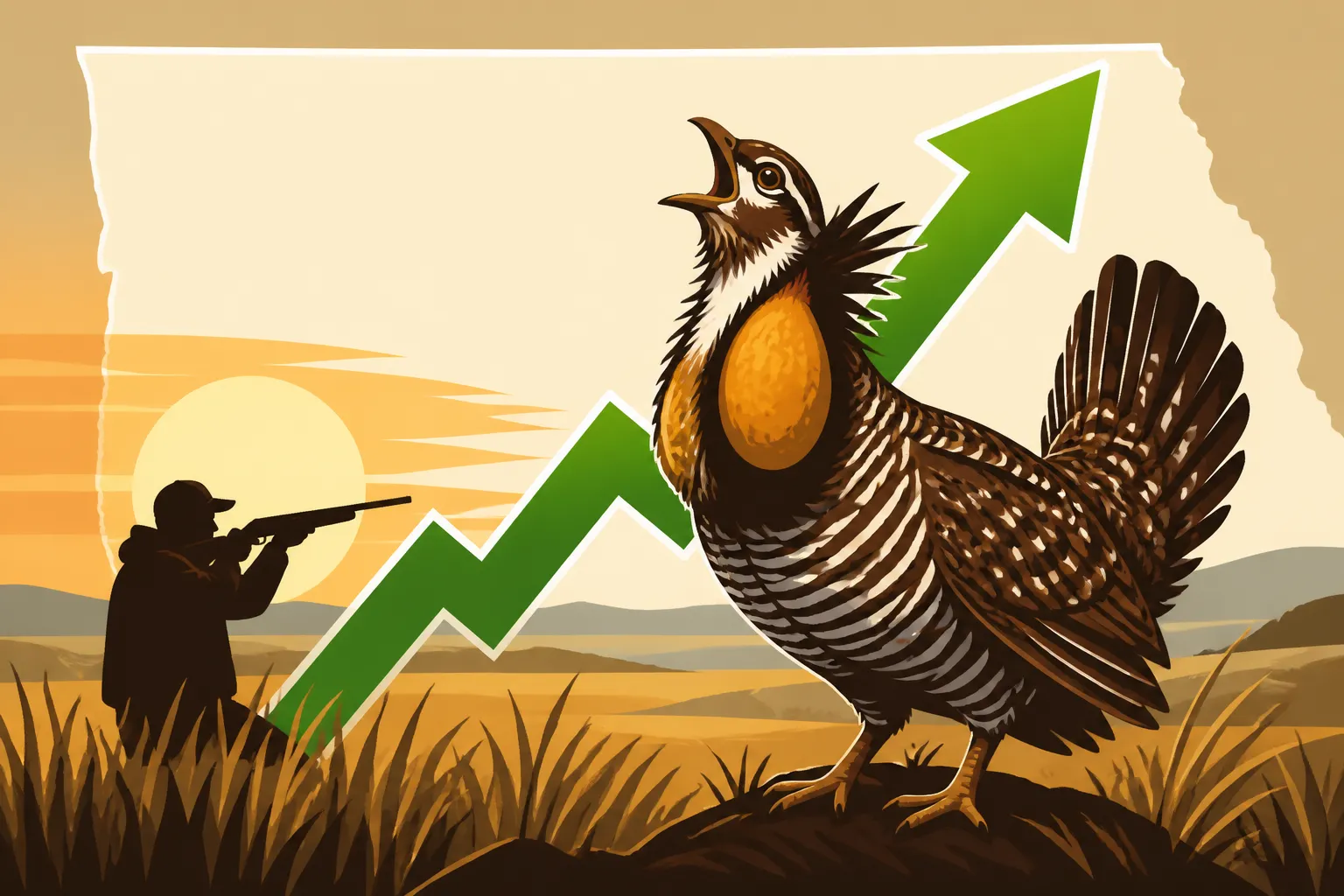
There's nothing quite like the sound of a rooster pheasant crowing across the prairie on a crisp spring morning, especially when you know it's a sign of good things to come. For years, many of us have watched pheasant numbers ebb and flow, sometimes feeling that disheartening dip after a rough winter. So, when the news came that a recent crowing count showed a significant nine percent jump, it felt like a breath of fresh air, a real cause for excitement for the upcoming season. But what exactly goes into a surge like that? It's not just luck; it's a complex dance between Mother Nature, crucial habitat, and the resilience of these incredible birds. This guide will break down the key factors that contribute to such a promising increase, helping you understand the underlying health of North Dakota's pheasant population.
The Foundation of a Strong Pheasant Season: Winter Survival
Let's be honest, North Dakota winters are no joke. They can be absolutely brutal, and for pheasants, surviving those long, cold months is the first and most critical hurdle. When we see a substantial increase in breeding birds, it almost always points back to favorable winter conditions.
Milder Winters Mean More Hens
Picture this: a typical North Dakota winter with endless blizzards, sub-zero temperatures, and snowdrifts taller than your truck. These are the conditions that decimate pheasant populations. Hens, especially, struggle to find adequate food and shelter, and their energy reserves are constantly depleted just trying to stay warm. A significant number simply don't make it to spring.
Now, imagine a winter where the snow totals are down, the mercury doesn't plummet quite as often or stay there as long, and those bone-chilling winds are less frequent. That's the kind of winter that allows a higher percentage of the hen population to survive. They emerge from winter in much better physical condition, which is absolutely vital for successful nesting. A hen that's well-nourished and strong is far more likely to lay a healthy clutch of eggs, incubate them successfully, and raise her brood. When more hens survive, and those hens are healthy, it directly translates to more potential nests and, consequently, a higher number of crowing roosters come spring, as the breeding population has a strong base. It's a direct link, and one that often dictates the trajectory of our pheasant season. The Winter Survival and North Dakota Pheasant Numbers are intricately linked.
Adequate Winter Cover is Critical
Even in a milder winter, adequate cover isn't just a luxury; it's a lifeline. While a mild winter certainly helps, without dense, protective habitat, pheasants are still vulnerable. Think about it: a seemingly mild day can still bring a sharp wind, and without something to block it, a pheasant can lose precious body heat quickly.
This is where cattail sloughs, thick shelterbelts, and blocks of undisturbed, dense grassland truly shine. These areas provide vital thermal cover, shielding birds from wind, snow, and especially predators. A pheasant tucked deep into a cattail marsh is much harder for a fox or coyote to spot and catch than one exposed in sparse stubble. Furthermore, good winter cover often contains residual food sources that can be accessed even under light snow. Programs that encourage landowners to maintain or enhance these types of habitats are incredibly important. When we have a strong base of these cover types, pheasants have a fighting chance regardless of what winter throws at them, even if it's less severe. This resilience builds population health, and that's exactly what contributes to a healthy jump in those spring crowing counts.
Prime Spring and Summer Breeding Conditions
Surviving winter is just the first act. For a truly booming pheasant population, we need nature to cooperate during the critical nesting and brooding periods of spring and summer. This is when the next generation is literally made or broken.
Just the Right Amount of Moisture
This is a delicate balance, and it's something every farmer and hunter in North Dakota can relate to. When it comes to pheasant production, too much or too little moisture can spell disaster.
- Too Wet: Imagine a spring with relentless, torrential rains. Nests built on the ground in low-lying areas or even in slightly damp depressions can be easily flooded out. Even if the eggs survive, chicks are highly susceptible to hypothermia and disease in cold, wet conditions. Young pheasants are fragile, and prolonged dampness is their enemy. Heavy rains can also flatten crucial nesting cover, making nests more visible to predators.
- Too Dry: On the flip side, extreme drought is equally problematic. While it might seem less direct, dry conditions often mean fewer insects. And those insects? They are the absolute primary food source for pheasant chicks in their first few weeks of life, providing essential protein for rapid growth. Without a robust insect population, chicks struggle to thrive, grow slowly, and their survival rates plummet. Drought also stunts the growth of herbaceous cover, reducing both nesting concealment and thermal protection.
The sweet spot is a spring and early summer characterized by gentle, soaking rains spaced out by warm, sunny periods. This allows nesting cover to flourish, keeps insect populations thriving, and prevents nests from being washed out. These ideal conditions create the perfect nursery for pheasant broods, leading to more chicks surviving to adulthood, which of course translates into more birds overall come fall.
Habitat Quality During Nesting and Brooding
Beyond just moisture, the quality of the habitat available during nesting and brooding is paramount. A hen needs a safe, secluded spot to lay her eggs, and once those chicks hatch, they need dense cover to hide from predators and an abundance of food to grow.
Consider the vast expanses of tall, undisturbed grasslands that often characterize good pheasant country. These areas provide critical concealment for nesting hens, shielding them from the sharp eyes of hawks, owls, and mammalian predators like foxes and badgers. If hayfields are cut too early or grasslands are grazed too heavily, it can expose nests or force hens to re-nest, which often results in smaller, less viable clutches.
Once chicks hatch, they're tiny and vulnerable. They rely heavily on insects for protein, as we discussed. Therefore, brooding cover needs to be diverse, offering not just protection but also easy access to these insect buffets. Fields with a mix of grasses and broadleaf plants, undisturbed field edges, and areas with plenty of dew on the leaves (which attracts insects) are ideal. When chicks have ample food and can dart into thick cover at the first sign of danger, their chances of survival skyrocket. This translates directly to larger broods and a higher overall population, which is precisely what contributes to a healthy increase in the North Dakota Pheasant Population Estimate.
The Interplay of Habitat Programs and Management
While winter weather and spring moisture are largely out of our control, human-driven initiatives and land management play a huge, often underestimated, role in sustaining and boosting pheasant populations. These programs provide the consistent, high-quality habitat these birds desperately need.
The Long-Term Impact of CRP and PLOTS
You can't talk about North Dakota pheasants without talking about CRP and PLOTS. These aren't just acronyms; they represent critical investments in wildlife habitat that yield significant returns for pheasant populations.
- Conservation Reserve Program (CRP): This federal program incentivizes landowners to convert highly erodible cropland or environmentally sensitive land to vegetative cover, like native grasses and legumes. For pheasants, CRP fields are gold. They provide large, contiguous blocks of dense cover perfect for nesting, brooding, and crucially, winter thermal cover. The sheer scale of CRP in North Dakota has been a game-changer, offering stability to pheasant numbers even when other factors fluctuate. It creates vast safety nets where birds can find refuge year-round. You can read more about how North Dakota CRP Acres and Pheasant Numbers are related.
- Private Land Open To Sportsmen (PLOTS): This state-run program works hand-in-hand with CRP and other private land initiatives. It provides payments to landowners who allow public hunting access on their land, much of which is enrolled in habitat-friendly programs. The brilliance of PLOTS is that it not only encourages habitat creation and maintenance but also opens up these vital areas for public use. It means that the habitat benefits the birds, and the hunter gets access to those birds. This consistent emphasis on maintaining diverse, dense cover through these programs helps ensure that pheasants have the resources they need to thrive, year after year. To learn more about this crucial program, explore The PLOTS Program Explained.
Sustained Predator Management Efforts
Now, let's be clear: predators are a natural part of any ecosystem. Foxes, coyotes, skunks, raccoons, and raptors all play their role. However, when pheasant populations are struggling or when conditions are otherwise challenging, localized or targeted predator management can provide an important edge, particularly during nesting season.
This isn't about eradicating predators, which is neither feasible nor desirable. Instead, it's often about strategic efforts, sometimes undertaken by private landowners or local groups, to reduce predation pressure in specific areas during critical times. For instance, trapping furbearers in the immediate vicinity of known pheasant nesting areas before the spring hatch can significantly boost nesting success. Skunks and raccoons, in particular, are notorious nest predators, and even a slight reduction in their numbers can mean more pheasant eggs hatching.
While these efforts are often localized and supplementary to the larger habitat picture, they can make a difference. Coupled with robust habitat from programs like CRP, where pheasants have ample places to hide their nests, the overall pressure from predators can be mitigated, allowing more chicks to hatch and survive. This balance, where pheasants have good habitat and some relief from intense predation, contributes to a stronger breeding population and, ultimately, a noticeable jump in those critical crowing counts.
Analyzing the Crowing Count: More Than Just a Number
When the North Dakota Game and Fish Department releases its annual crowing count results, it's more than just a statistic; it's a vital sign for the upcoming hunting season and a key indicator of the health of our pheasant populations. Understanding what these numbers represent helps us interpret the good news of a significant jump.
What Crowing Counts Really Tell Us
The crowing count is a standardized survey method that's been used for decades, providing a consistent way to monitor pheasant population trends. Here's how it generally works and what it signifies:
- The Methodology: Biologists and volunteers drive specific routes, stopping at designated points just after sunrise during the spring breeding season. They listen for the distinctive "crow" of male pheasants. By recording the number of crows heard at each stop and on each route, they can calculate an average number of calls per stop or per mile.
- An Indicator of Breeding Males: What the crowing count primarily measures is the density of breeding male pheasants. Each crowing rooster is essentially announcing his presence and territory to other roosters and hens. A higher count indicates more roosters actively participating in the breeding ritual, which, in turn, suggests a larger and healthier overall breeding population.
- Not a Census, But a Reliable Trend: It's crucial to remember that crowing counts are not an exact census of every pheasant in the state. They are an index, a snapshot designed to show trends over time. A consistent methodology allows for direct comparison year to year, revealing increases, decreases, or stable populations. So, when a count shows a nine percent increase, it's a very strong indicator that the underlying breeding population has grown substantially from the previous year. It gives us a reliable glimpse into the vigor of the pheasant herd as it enters the nesting phase.
Implications for the Upcoming Season
A significant jump in the crowing count, like the recent nine percent increase, is almost universally met with optimism for the upcoming pheasant hunting season. It’s like getting a really good midterm report card – it suggests you’re on track for a great final outcome.
- More Roosters in the Field: The most direct implication is simply more birds. A higher density of crowing roosters in the spring means there are more hens nesting, and if all goes well with summer weather and chick survival, this will translate into more adult pheasants come fall. For hunters, this typically means better success rates, more flushes, and a generally more enjoyable experience out in the field.
- Improved Hunter Success and Distribution: With more birds, hunting pressure might feel less concentrated on specific pockets of public land, though popular Public Hunting Land in North Dakota will always see attention. It could mean hunters might find good numbers of birds in areas that were sparse in previous years. It certainly bodes well for the overall North Dakota Pheasant Harvest Numbers by Year.
- Tempering Expectations with Summer Conditions: However, it's important to temper that excitement with a dose of realism. The crowing count is taken in the spring. While it's an excellent indicator of the breeding potential, the ultimate success of the hatch and the survival of those chicks into adulthood still depend heavily on summer weather. A severe hailstorm, a prolonged cold and wet period, or a late-summer drought can still impact chick survival significantly. But a strong crowing count gives us a fantastic starting point, an excellent foundation for what could be a truly memorable hunting season. Biologists will continue to monitor North Dakota Pheasant Brood Survey Results later in the summer to get an even clearer picture of the actual number of young birds that made it. For now, a nine percent jump is a very positive sign that the prairie is alive with the promise of pheasants.
Disclaimer
This article is for general informational purposes only and does not constitute professional advice. Laws, prices and regulations vary by location and change over time. Consult a qualified professional for guidance on your specific situation.