The PLOTS Program Explained
One of the biggest headaches for any hunter in North Dakota, whether you're a long-time resident or visiting from out of state, is simply finding a place to hunt. With a significant portion of the land being privately owned, securing access can feel like an impossible puzzle. This comprehensive guide will walk you through everything you need to know about North Dakota's Private Land Open To Sportsmen, or PLOTS, program, a vital initiative that unlocks hundreds of thousands of acres for your hunting adventures.
Understanding North Dakota's PLOTS Program: Your Key to Public Access
For generations, access to hunting land has been a constant struggle, especially in states like North Dakota where private ownership dominates the landscape. The dream of freely roaming fields and coulees for deer or flushing pheasants often bumps up against "No Trespassing" signs. That's where the PLOTS program steps in, offering a unique solution that benefits both hunters and landowners, transforming what might otherwise be inaccessible private property into a hunting opportunity.
What is PLOTS and Why Does it Matter?
The PLOTS program is a cornerstone of public hunting access in North Dakota. It's a voluntary program run by the North Dakota Game and Fish Department (NDGFD) where private landowners enter into agreements to allow public hunting on their property. Think of it as a bridge connecting hunters to prime habitat they might never otherwise experience. These lands are identified by distinctive yellow PLOTS signs, making them easily recognizable from the road or on digital maps. Without PLOTS, the amount of publicly accessible hunting ground would be drastically reduced, especially for popular species like pheasants and deer, which often thrive on agricultural and mixed-use private lands. It's truly a game-changer for many who don't have personal connections to landowners or the means to lease private ground.
The program exists because the NDGFD recognizes the critical need to provide hunting opportunities beyond traditional public lands like Wildlife Management Areas (WMAs) or National Grasslands. North Dakota's diverse ecosystems and abundant game species are often found on private farms and ranches. By offering incentives to landowners, the program ensures that hunting remains a vibrant part of North Dakota's heritage and economy, giving everyone a fair shot at experiencing the state's incredible outdoor resources. It’s not just about opening up land; it’s about sustaining hunting culture and wildlife populations by working cooperatively with those who manage the land daily.
The Philosophy Behind Voluntary Access
At its heart, the PLOTS program is built on a philosophy of voluntary cooperation. Landowners choose to enroll their property, often for a period of several years, in exchange for various incentives. These incentives can range from financial compensation to assistance with habitat improvements on their land, which can benefit their farm operations or simply enhance their property's ecological value. This voluntary nature is crucial because it fosters a sense of partnership rather than imposition. Landowners are not forced to open their land; they choose to, understanding the benefits for themselves and the broader hunting community. This goodwill is something hunters must respect and uphold to ensure the program's continued success.
The voluntary aspect means that landowners maintain a level of control and agency over their property. While they open it for hunting, they are still active participants in its management. This program understands that land stewardship is complex, and many landowners are deeply invested in the health of their land. By working with them, rather than simply regulating, the NDGFD builds trust and ensures that PLOTS lands are managed in a way that respects both agricultural practices and wildlife habitat. This is a model that many other states look to, recognizing that successful public access often hinges on strong relationships with private landholders. It's truly a win-win scenario that creates more opportunities for hunters while supporting responsible land management practices across the state.
Hunter Benefits and Landowner Incentives
For hunters, the benefits of the PLOTS program are immediate and tangible: more places to hunt! This means access to diverse habitats, from prime pheasant cover in cattail sloughs and CRP fields to deer-rich river bottoms and shelterbelts. It levels the playing field, allowing hunters who don't own land or have private leases to pursue game. For non-residents, especially, PLOTS land can be a lifeline, providing crucial access during their hunt trips. It greatly expands the possibilities beyond designated state and federal lands, giving you more options and reducing pressure on other public areas. Imagine exploring hundreds of thousands of acres that might otherwise be locked up – that’s the power of PLOTS.
| Benefit Category | Hunter Benefits | Landowner Incentives |
|---|---|---|
| Access/Opportunity | Vastly expanded hunting grounds across ND | Financial compensation for public access |
| Habitat | Diverse habitat for various game species | Habitat improvement assistance (e.g., tree planting, food plots, wetland restoration) |
| Flexibility | Multiple hunting seasons, varied terrain | Option to designate specific hunting types (e.g., walk-in only) |
| Information | Clearly marked boundaries, maps available | Reduced crop depredation by deer/elk (through increased harvest) |
| Community | Fosters hunting tradition, reduces crowding | Builds goodwill with local hunting community |
| Stewardship | Encourages ethical behavior | Supports conservation efforts and wildlife management goals |
Landowners, in turn, receive a range of incentives that make participating worthwhile. The most common incentive is financial, providing a payment for allowing public access. However, many landowners also value the habitat improvement components of the program. This can include assistance with planting food plots for wildlife, establishing tree plantings for shelter and erosion control, or restoring wetlands. These improvements benefit wildlife, but they can also enhance the overall health and value of the landowner's property. Furthermore, allowing hunting on their land can help landowners manage wildlife populations, reducing potential crop damage from deer or other species. The NDGFD truly works to make this a mutually beneficial arrangement, understanding that conservation and access are best achieved through partnership.
Navigating PLOTS: Finding and Using These Special Lands
Once you understand what PLOTS is, the next step is figuring out how to find these precious parcels and, just as importantly, how to use them correctly. You might think it's as simple as seeing a sign, but there's a little more to it. Getting familiar with the available tools and knowing how to interpret the signage on the ground will save you a lot of frustration and keep you on the right side of the law.
The Annual PLOTS Guide and Online Tools
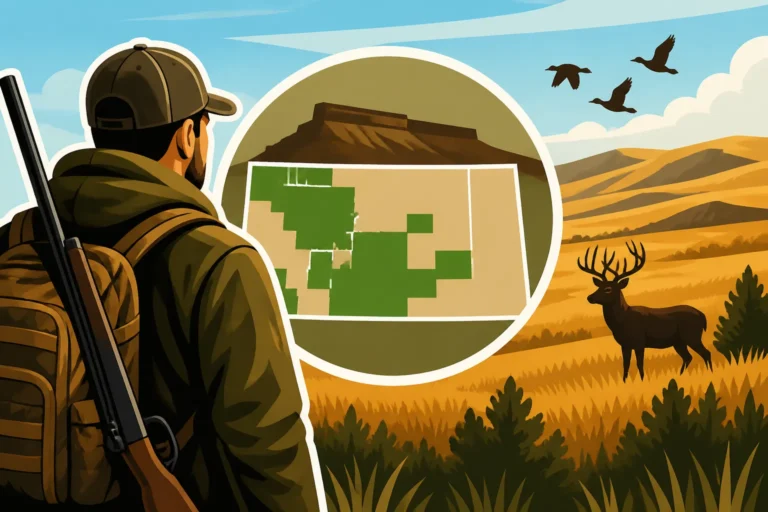
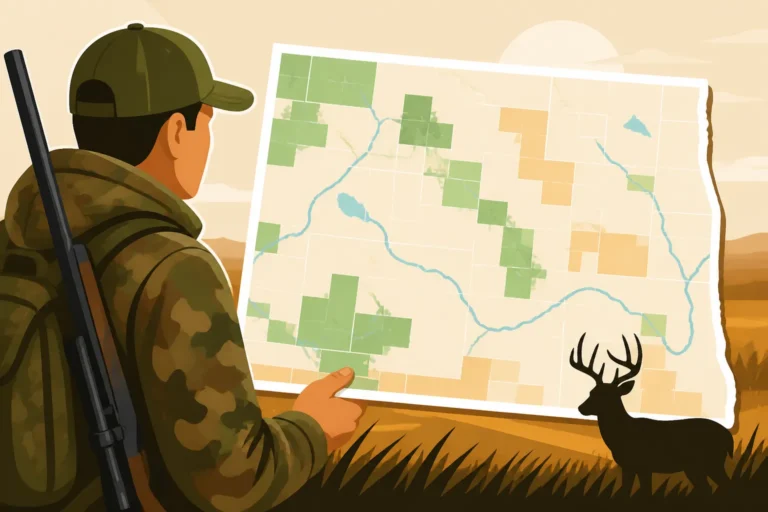
The North Dakota Game and Fish Department publishes an updated PLOTS Guide annually, typically released in late summer or early fall before the main hunting seasons kick off. This guide is an absolute treasure trove, providing maps of all enrolled PLOTS tracts across the state, broken down by county. It's usually available for free at NDGFD offices, sporting goods stores, and various license vendors. Flipping through the guide, you’ll see color-coded maps, usually with PLOTS areas highlighted in yellow, along with details like the type of habitat (e.g., grassland, wetland, woodland) and the species that might be found there. Many hunters swear by having a physical copy in their truck, even if they use digital tools.
However, in this digital age, the most dynamic and often most practical way to find PLOTS land is through online resources and mobile apps. The NDGFD website features an interactive PLOTS map that you can zoom in on, filter by county or type of land, and even print specific sections. Beyond the official NDGFD resources, many hunters heavily rely on third-party mapping applications like onX Hunt or GoHunt. These apps are fantastic because they overlay PLOTS boundaries onto satellite imagery and topographical maps, often showing property lines and landowner information. This allows you to identify access points, scout terrain features from your couch, and verify your location in the field with GPS, all crucial for staying on public ground and respecting private property. Using these tools effectively can mean the difference between a successful hunt and a frustrating day of driving around. Scouting PLOTS Land With the ND Hunt App covers more on these modern methods.
Reading PLOTS Signs: More Than Just a Poster
When you’re out in the field, spotting those yellow PLOTS signs is your first indicator that you’ve found an open hunting area. But don't just glance at them and assume you know the drill. These signs are more than just a general permission slip; they often contain critical details you need to understand. Each sign typically features the familiar yellow background with black lettering, clearly stating "PLOTS – Private Land Open To Sportsmen." Below this, however, you'll often find additional information that dictates how you can hunt that specific tract. This might include "Walk-In Only," "Hunting Permitted," or specific dates or species restrictions. Ignoring these additional details can lead to unintentional trespassing or violating specific rules for that parcel.
It's absolutely essential to read the entire sign, every single time. A common mistake hunters make is seeing the "PLOTS" header and thinking all rules are uniform. This isn't the case. Some PLOTS tracts might allow vehicle access on designated trails, while others are strictly walk-in only, meaning no ATVs, UTVs, or even driving your truck past a certain point. Some might be open for all legal hunting seasons, while others might be limited to certain periods or even specific species, especially if the landowner has concerns about livestock or other agricultural operations. Always assume walk-in only unless the sign clearly states otherwise. Being diligent in Reading a PLOTS Sign Correctly will prevent headaches and ensure you're always hunting ethically and legally.
Respecting Boundaries and Posted Land
Perhaps the most critical aspect of hunting PLOTS land is respecting the boundaries. While the PLOTS program opens up private land for public hunting, it does not mean all land surrounding a PLOTS tract is open. Private property bordering PLOTS land is still private property, and it may be posted with "No Trespassing" signs or simply be unposted but still off-limits without explicit permission. This is where your mapping tools, like onX Hunt, become indispensable. They allow you to clearly see property lines, so you know exactly where the PLOTS land ends and private property begins. A tiny deviation can land you in trouble, and that's a situation no hunter wants to be in.
The integrity of the entire PLOTS program relies heavily on hunters demonstrating a high level of respect for these boundaries and for the landowners who generously enroll their property. If you accidentally cross onto private land, immediately back out. Do not continue to hunt, retrieve game, or even scout. If you shoot an animal that travels onto private land, you must seek permission from the landowner before attempting retrieval. Showing this respect, even in difficult situations, reinforces the positive relationship between hunters and landowners, helping to ensure the program's longevity. Failure to do so not only jeopardizes your own hunting privileges but could also lead landowners to withdraw their land from the program, harming access for everyone. Remember, "posted land" doesn't always mean a specific sign; it can also be implied by fences or distinct changes in land use, so always err on the side of caution. Learn more about North Dakota Trespass and Permission Law to fully understand your responsibilities.
Rules of Engagement: What You Can and Cannot Do on PLOTS Land
Hunting on PLOTS land isn't entirely like hunting on traditional public land, nor is it exactly like hunting on private land you own. There's a specific set of nuances and regulations that hunters need to be aware of to ensure they're compliant with the program's rules, respecting both the spirit of the agreement and the landowner's wishes. Understanding these details is paramount to a successful and ethical hunt.
General Regulations for Hunting PLOTS
When you're hunting on a PLOTS tract, you're primarily governed by North Dakota's statewide hunting regulations for the species you're pursuing. This includes all licensing requirements, season dates, bag limits, shooting hours, and legal weapon types. For example, if you're chasing pheasants on PLOTS ground, you still need a valid North Dakota Nonresident Small Game License Cost (if applicable), a general game and habitat license, and your Harvest Information Program (HIP) certification. All hunters must adhere to blaze orange requirements during applicable seasons, typically during gun deer season. North Dakota Blaze Orange Requirements outlines these specifics. The PLOTS program simply designates where you can hunt, not how you hunt in terms of statewide rules.
Beyond general statewide regulations, PLOTS lands often have their own layer of program-specific rules. These are usually designed to minimize impact on the landowner's property and ensure a fair experience for all hunters. For instance, many PLOTS tracts are "Walk-In Only," meaning you cannot drive any motorized vehicle beyond the designated parking area or main road. This rule is put in place to prevent damage to fields, preserve quiet hunting experiences, and minimize disturbance to wildlife. Always check the PLOTS sign for these specific restrictions. Ignoring them can result in fines and, more importantly, can sour a landowner on future participation in the program.
Specific Restrictions and Local Variations
It’s important to understand that not all PLOTS tracts are created equal in terms of restrictions. Some might be open for all legal hunting and trapping activities, while others might have very specific limitations. These variations often reflect the landowner’s particular concerns or the primary purpose of the PLOTS agreement. For example, a tract that's primarily agricultural with standing crops might have specific restrictions on hunting during certain times of year to avoid interfering with harvest operations. A PLOTS area near a residential development might have stricter rules regarding firearm discharge distances.
A critical restriction to look out for, as mentioned earlier, is the "Walk-In Only" designation. If a sign clearly indicates this, it means precisely that: no ATVs, UTVs, or even driving your truck into the interior of the property. This is a common frustration for some, but it's a non-negotiable rule designed to protect the land. Additionally, some PLOTS areas might be designated for specific types of hunting, such as archery only or youth hunts. Always check the map in the annual PLOTS Guide or the interactive online map for notes pertaining to individual tracts. These often have small symbols or text indicating any deviations from the standard rules. Local Game and Fish offices are also excellent resources for clarifying any ambiguous restrictions you might encounter.
Vehicle Use and Access Etiquette
Vehicle use on PLOTS land is one of the most common sources of confusion and potential conflict. As a general rule, assume that any PLOTS land you encounter is "Walk-In Only" unless the signs explicitly state otherwise, or unless there are clearly marked and maintained access roads within the PLOTS boundaries. "Walk-In Only" means you must park your vehicle in a designated parking area, often along a road, and proceed on foot. This applies to all motorized vehicles, including ATVs, UTVs, and even dirt bikes. The intention is to prevent damage to fields, respect the peace and quiet of the countryside, and prevent deep ruts during wet conditions.
When vehicle use is permitted on a PLOTS tract, it will typically be limited to existing trails or designated access roads. Always stay on these established paths. Do not create new tracks, drive through fields, or cross sensitive areas. Remember, you are a guest on private land. Beyond the rules, there's an element of etiquette. Park your vehicle considerately, not blocking gates, roads, or other access points. Avoid driving or parking in a way that would disturb livestock or farming operations. Leave no trash behind – pack out everything you pack in, including spent shell casings. Ultimately, treating PLOTS land with the utmost respect for the land and the landowner is crucial for the program's continued success and the availability of these hunting opportunities for everyone. This includes leaving gates as you found them, whether open or closed, and being mindful of other hunters.
Maximizing Your PLOTS Success: Strategies for Better Hunting
Just knowing where PLOTS land is isn't enough; you also need to know how to hunt it effectively. These parcels can offer incredible opportunities, but they also come with unique challenges, especially regarding hunting pressure. Developing smart strategies for scouting, understanding hunter dynamics, and adapting your tactics to the specific habitat found on PLOTS ground will significantly increase your chances of success.
Scouting PLOTS Land Before Season
Pre-season scouting is absolutely essential for any hunting endeavor, and PLOTS land is no exception. While you might not be able to knock on a landowner's door for permission to walk their property months in advance (as it's often not needed), you can still do a tremendous amount of effective scouting. Start with the annual PLOTS Guide and the online interactive maps. Identify tracts that look promising based on habitat, proximity to known game areas, and size. Look for key features like water sources, timber blocks, shelterbelts, cattail sloughs, CRP fields, or areas adjacent to standing crops. Using digital mapping tools like onX Hunt or GoHunt allows you to virtually "walk" the property, identifying potential travel corridors, bedding areas, and food sources.
Once you’ve narrowed down some promising areas, a physical drive-by can be incredibly valuable. Even if the land is "Walk-In Only," you can often observe the boundaries from the road, get a feel for the lay of the land, and spot potential entry points. Look for signs of game activity, like tracks on dirt roads, rub lines along fencelines, or fresh droppings. Note any areas that appear to hold heavy cover, as these will be prime spots for pheasants, deer, or other game. If permitted, walking the perimeter or making a brief, non-intrusive scout of the edges can also yield valuable insights into habitat quality and game presence. Remember, the more you know about a piece of ground before opening day, the better equipped you'll be to hunt it effectively. Scouting PLOTS Land Before Season provides an even deeper dive into these techniques.
Hunting Pressure and Finding Untouched Areas
One of the undeniable realities of PLOTS land, especially the more accessible or well-known tracts, is hunting pressure. Because these lands are open to everyone, popular spots can see a significant number of hunters, particularly on opening weekends or during peak season. This pressure can alter game behavior, making animals more wary and nocturnal, and pushing them into thicker cover or off to private land. The key to success on pressured PLOTS land is often to go where others aren't willing to go.
This means being willing to walk farther, push into the densest cover, or hunt during off-peak times. While many hunters will stick to the easily accessible edges or well-worn paths, deer, pheasants, and other game will quickly learn to retreat into the deepest, nastiest parts of the property. Look for those overlooked corners, the thickest cattail sloughs, the most tangled shelterbelts, or areas requiring a longer, tougher walk. Often, PLOTS tracts that are large or oddly shaped, or those with difficult access, will hold less pressure and more game. Hunting later in the day, after the initial rush, or on weekdays can also greatly reduce encounters with other hunters. Utilizing tools to identify areas that might be harder to reach, or that are not directly adjacent to roads, can give you a significant advantage in finding game that hasn't been disturbed. Hunting Pressure on North Dakota Public Land further explores managing expectations and tactics in these scenarios.
Species-Specific Tactics on PLOTS Ground
The beauty of the PLOTS program is the diversity of habitat it offers, which means you can apply a wide range of species-specific hunting tactics. For pheasant hunters, PLOTS lands often include prime habitat like CRP (Conservation Reserve Program) fields, dense grass, cattail sloughs, and shelterbelts. Walking these areas systematically, either alone or with a group, is highly effective. Remember to work the edges of cover and the transitions between different habitat types, as pheasants often use these as travel lanes. If you have a good bird dog, these areas can provide incredible action. Working a Shelterbelt for Roosters can offer specific techniques.
For deer hunters, PLOTS tracts along river bottoms, near agricultural fields, or adjacent to larger blocks of private timber can be phenomenal. Look for pinch points, natural funnels, and areas with heavy cover that offer security. Stand hunting from a ground blind, especially in areas with good visibility and cover, can be very productive. For rifle hunters, understanding the terrain and knowing your shooting lanes is crucial. For bowhunters, identifying natural funnels and bedding areas is key. If you're targeting deer, be mindful of wind and thermals, particularly in areas with varied topography, such as those near the Missouri River corridor. Using tactics like still-hunting, especially in river bottom timber, can also pay off. Remember that PLOTS land might be smaller than large public forests, so understanding how deer use these smaller pockets is vital.
Beyond the Basics: Important Considerations for PLOTS Hunters
While the core principles of the PLOTS program are straightforward, there are a few additional considerations that every hunter should keep in mind. These nuances can impact your hunting plans, particularly for non-residents, and reinforce the importance of ethical behavior. Being aware of these finer points ensures a smoother and more responsible hunting experience for everyone.
The Dynamic Nature of PLOTS Acreage
It’s crucial to understand that the total acreage and specific locations of PLOTS land are not static; they change annually. The program relies on voluntary agreements with landowners, and these agreements have set durations. When an agreement expires, a landowner may choose to renew it, modify it, or withdraw their land from the program entirely. Conversely, new landowners may enroll their property, adding fresh acreage to the program. This dynamic nature means that a tract you hunted last year might no longer be PLOTS land this year, and new opportunities might have popped up elsewhere.
This is why obtaining the most current PLOTS Guide or checking the NDGFD's online map every single season is non-negotiable. Don't rely on old maps or memory. The changes can be significant, and hunting on land that was formerly PLOTS but is no longer enrolled is a clear case of trespassing. Always verify the status of any PLOTS tract you plan to hunt before heading out. This variability highlights the importance of the program's relationship with landowners; their continued participation is what keeps this valuable resource available to hunters. Without their willingness to enroll, those hundreds of thousands of acres could quickly shrink, impacting hunting access across the state. Why PLOTS Acreage Changes Year to Year delves deeper into the reasons behind these shifts.
Nonresident Access and Specifics
For nonresident hunters, the PLOTS program is an absolute game-changer, providing crucial access to hunting land that might otherwise be unavailable. North Dakota has specific rules for nonresident hunters, especially concerning deer and waterfowl, and PLOTS land helps navigate some of these complexities. While nonresidents cannot typically apply for lottery-based deer tags (which are resident-only), they can purchase archery deer tags and hunt them on PLOTS land, subject to the standard statewide archery season dates. The availability of PLOTS land greatly expands their options beyond trying to secure private land permission, which can be challenging for out-of-state hunters.
However, nonresidents should pay close attention to the specific rules surrounding certain species. For waterfowl, North Dakota recently implemented a zone-restricted nonresident waterfowl license, impacting where nonresidents can hunt ducks and geese for the first nine days of the season. During those first nine days, nonresident waterfowl hunting is restricted to Zone 1, generally the western half of the state. After the nine-day period, nonresidents can hunt waterfowl statewide, including on PLOTS lands. It's critical for nonresidents to understand these rules, including any North Dakota's New Nonresident Waterfowl Rule and the Cost of the Zone-Restricted Waterfowl License, to avoid legal issues. The PLOTS program is a wonderful tool for nonresidents, but it doesn't override other specific regulations designed for nonresident participation in North Dakota's hunting seasons.
Safety, Ethics, and Being a Responsible Hunter
Hunting on PLOTS land, particularly with potentially higher hunter densities, underscores the importance of safety and ethical behavior. Always be acutely aware of your surroundings, especially when discharging a firearm. Know exactly what's beyond your target and be certain of your shot. Wear blaze orange or blaze pink during applicable seasons, not just because it's required, but because it's a vital safety measure. Be considerate of other hunters you might encounter; PLOTS land is for everyone, and a shared respectful experience enhances the outing for all. This means giving other hunters a wide berth, avoiding "sky-busting" (shooting at birds outside of ethical range), and minimizing interference with their hunt.
Beyond safety, uphold the highest ethical standards. This includes retrieving all downed game, even if it requires significant effort or tracking onto adjacent land (with permission). Pack out all trash, including spent shells and discarded packaging. Respect the landowner's property by leaving gates as you found them, not damaging fences, and avoiding driving on fields. The continued success of the PLOTS program is directly tied to the behavior of hunters. Every hunter who respects the land and the rules acts as an ambassador for the program. Conversely, careless or disrespectful behavior can lead landowners to withdraw their land, reducing opportunities for everyone. Be a good steward, be safe, and be ethical – these principles are the bedrock of responsible hunting on PLOTS land and across North Dakota.
PLOTS in Context: How it Fits into North Dakota's Public Land Landscape
North Dakota boasts a diverse array of public hunting lands, from expansive National Grasslands to smaller, managed Wildlife Management Areas. The PLOTS program doesn't replace these traditional public lands; rather, it complements them, creating a richer and more varied tapestry of access for hunters. Understanding where PLOTS fits into this broader landscape helps hunters strategize and make the most of their time in the field.
Comparing PLOTS to Other Public Lands
North Dakota offers several types of public land beyond PLOTS, each with its own characteristics and rules. Wildlife Management Areas (WMAs) are tracts of land owned and managed by the NDGFD, specifically for wildlife habitat and public recreation, including hunting. These are typically managed intensively for specific game species and often have established infrastructure like parking areas and trails. North Dakota Wildlife Management Areas offers more details. National Grasslands, such as the Little Missouri National Grassland or Sheyenne National Grassland, are federal lands managed by the U.S. Forest Service. They are vast and often less developed, offering a more backcountry hunting experience. Hunting North Dakota's Little Missouri National Grassland provides an in-depth look at hunting in that unique environment. Waterfowl Production Areas (WPAs), managed by the U.S. Fish and Wildlife Service, are often smaller parcels focused on wetland and grassland habitat for waterfowl and upland birds. North Dakota Waterfowl Production Areas explains their importance.
The key difference with PLOTS is its private ownership. While WMAs, National Grasslands, and WPAs are publicly owned, PLOTS land is still privately owned, with the public access granted through a voluntary agreement. This means that rules can be more localized and subject to the landowner's specific terms. For instance, while you might be able to drive certain trails on a WMA, PLOTS lands are often "Walk-In Only." Habitat on PLOTS land can also be more diverse, including active agricultural fields, shelterbelts, and mixed-use land that might not be found on designated wildlife areas. PLOTS truly fills a crucial gap, providing access to land that might otherwise never be available to the public, diversifying hunting opportunities beyond what traditional public lands alone can offer.
The Future of Voluntary Access Programs
The PLOTS program, like many voluntary access initiatives across the country, faces ongoing challenges and opportunities. Its success hinges on continued landowner participation, which in turn depends on adequate funding for incentive programs and the responsible behavior of hunters. As land use changes, agricultural practices evolve, and wildlife populations fluctuate, the program must adapt to remain relevant and effective. There's constant evaluation and adjustment by the NDGFD to ensure that the incentives are attractive enough for landowners and that the program continues to meet the needs of the hunting public.
The future of programs like PLOTS is vital for maintaining robust hunting opportunities in North Dakota. With growing populations and increasing demand for outdoor recreation, the pressure on public lands is only likely to increase. Voluntary access programs provide a critical release valve, distributing hunters across a broader landscape and reducing localized pressure. Their longevity requires active support from the hunting community through adherence to rules, respectful conduct, and advocating for continued funding. Without programs like PLOTS, many hunters, particularly those without private connections, would find themselves with significantly fewer options for pursuing their passion.
Advocating for PLOTS and Public Access
If you value the opportunities provided by the PLOTS program, it's important to become an advocate for its continued success. This advocacy takes many forms. First and foremost, uphold the highest standards of ethical hunting and land stewardship whenever you're on PLOTS land. Leave no trace, respect all boundaries and rules, and be courteous to other users and landowners. Your actions directly reflect on the hunting community and influence landowners' decisions to remain in or join the program.
Beyond personal conduct, consider supporting organizations that advocate for public access and conservation in North Dakota. These groups often work closely with the NDGFD to secure funding for programs like PLOTS and to promote responsible land management. You can also contact your state legislators or the NDGFD directly to express your support for the program. Sharing positive experiences you've had on PLOTS land can also be a powerful form of advocacy, demonstrating the value and success of these initiatives. Ultimately, every hunter has a role to play in ensuring that future generations continue to enjoy the incredible hunting opportunities that North Dakota, thanks in large part to programs like PLOTS, has to offer.
Disclaimer
This article is for general informational purposes only and does not constitute professional advice. Laws, prices and regulations vary by location and change over time. Consult a qualified professional for guidance on your specific situation.