North Dakota Rabbit Habitat Restoration Efforts
It’s a common frustration, isn't it? You head out into the North Dakota landscape, expecting to see those familiar cottontails darting for cover, or maybe a snowshoe hare bounding through the timber, only to find their numbers seem a little thinner than they used to be. Many of us have noticed the change, and it’s a valid concern for both the health of our ecosystems and the opportunities for small game hunting. This guide is here to shed light on why that might be happening and, more importantly, what dedicated efforts are underway—and what you can do—to restore vital rabbit habitat across our beautiful state.
The Unseen Struggles: Why North Dakota's Rabbits Need Our Help
Rabbits, particularly the cottontail and snowshoe hare, are often seen as abundant, almost taken for granted in many parts of the country. However, even in North Dakota, these resilient creatures face significant challenges that can impact their populations. It’s not always obvious to the casual observer, but a combination of factors, often tied directly to habitat, can lead to noticeable declines.
Habitat Loss and Fragmentation
Think about how North Dakota has changed over the decades. Vast stretches of prairie have been converted to agriculture, small woodlots have been cleared, and even those scraggly fence lines and brushy draws sometimes get "cleaned up." Rabbits, especially cottontails, are masters of adaptation, but they absolutely rely on dense, shrubby cover for survival. When these critical pockets of habitat are removed or broken up into isolated patches, it becomes incredibly difficult for them to thrive. They need continuous cover not just for hiding from predators but for breeding, raising young, and finding food safely. Without these interconnected lifelines, a healthy rabbit population can quickly become a scattered, vulnerable few. Imagine a rabbit trying to cross a wide-open field with no brushy edges to make it to the next cover; it’s a death trap. This fragmentation also means they can't easily move to find mates or new food sources, leading to reduced genetic diversity and local population crashes.
The Impact of Predation and Weather Extremes
North Dakota is a land of extremes, and our wildlife endures some truly harsh conditions. While rabbits are naturally prolific breeders, a stable population needs consistent survival rates. When you combine severe winter conditions—deep snow, prolonged cold, ice storms—with increased predation pressure, their numbers can take a hit. Predators like coyotes, foxes, bobcats, and even birds of prey are always on the hunt, and if rabbits lack sufficient escape cover, they become easy targets. A cold, snowy winter can make food scarce and render thin cover useless against the elements and aerial predators.
The lack of quality habitat exacerbates these issues. If a rabbit spends all its energy simply trying to stay warm or find a morsel of food in sparse cover, it's less likely to evade a swift fox or a swooping hawk. And when a blizzard hits, without those dense, snow-holding thickets and brush piles, they’re exposed to the full brunt of the storm. It’s a delicate balance, and when one side—habitat—is weakened, the whole system suffers. We understand the need to manage predator populations, as discussed in North Dakota Coyote Hunting Season Rules, but healthy habitat is the ultimate defense for small game.
Pillars of Rabbit Paradise: Essential Habitat Components in North Dakota
To understand rabbit habitat restoration, we first need to understand what makes a perfect home for a North Dakota rabbit. It’s not just about having any old patch of grass; it’s about a specific blend of elements that provide safety, sustenance, and shelter year-round.
Dense Cover and Escape Routes
This is arguably the most critical component for rabbit survival. They need places where they can disappear in an instant from predators. For cottontails, this often means thickets of shrubs like hawthorn, wild rose, or chokecherry, dense plum thickets, brush piles, old farm machinery, or even rocky outcrops and culverts. For snowshoe hares, particularly in the Turtle Mountains or river bottoms, it's dense stands of young conifers, willows, or heavy undergrowth that stay thick even in winter.
This cover isn't just for hiding; it's also their refuge from severe weather. A good brush pile, for example, can hold insulating snow in the winter and provide cool shade in the summer. When hunting small game, you'll often find them tucked into the thickest stuff imaginable, exactly where they feel safest. Small Game and Predator Hunting in North Dakota often emphasizes the importance of pushing these thick cover patches.
Diverse Food Sources
Rabbits are herbivores, and their diet changes seasonally. They need a variety of grasses, forbs, and tender shoots in spring and summer. In fall and winter, their diet shifts to woody browse, bark, and buds from shrubs and young trees. A healthy rabbit habitat provides a consistent buffet. This means a mix of native grasses, wildflowers, and woody vegetation, ensuring there’s always something to eat, even when snow blankets the ground. Monocultures, like a single crop field or a perfectly manicured lawn, offer very little sustained food value. They need diversity, just like we appreciate variety in our own diets.
Think about a diverse shelterbelt. It might offer not only cover but also the bark of young saplings, dried leaves, and even leftover seeds for a desperate rabbit during a deep freeze.
Water Access
While rabbits can get much of their hydration from the plants they eat, especially fresh green growth, readily available water sources are still important, particularly during dry periods or for nursing females. This could be dew on grasses, a nearby creek, a natural spring, or even a dug-out pond. While not as immediately crucial as dense cover or food, its presence contributes to overall habitat quality and reduces stress on the animals. It's another piece of the puzzle that makes an area truly viable.
Bringing Back the Bounces: Active Habitat Restoration Strategies
So, what does it actually look like to restore rabbit habitat in North Dakota? It's a combination of proactive management and thoughtful land use, often involving both public and private lands.
Tree and Shrub Planting Initiatives
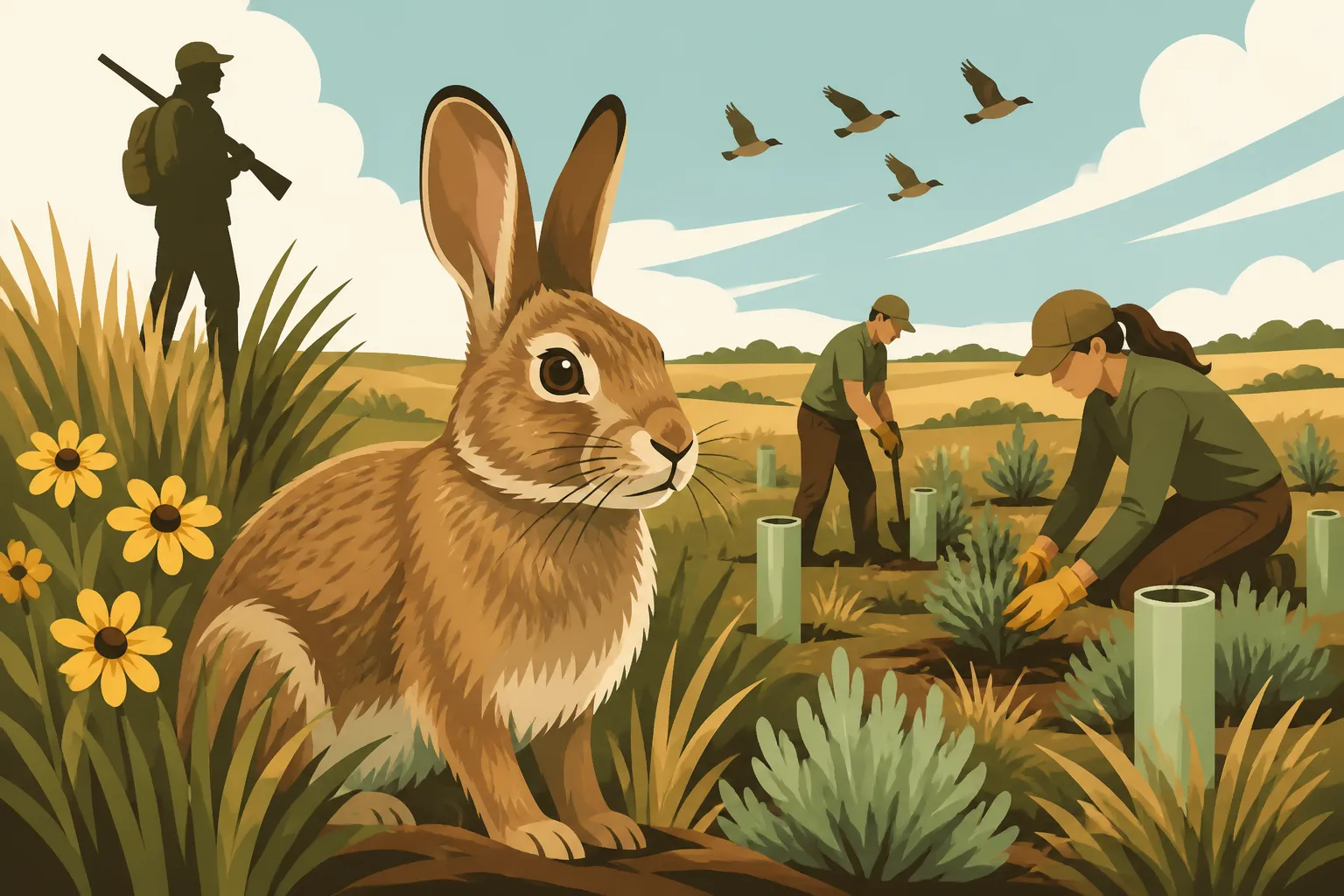
One of the most direct ways to improve rabbit habitat is by planting the very shrubs and trees they rely on for cover and food. This isn't just throwing a few saplings in the ground; it's about strategic planting of native species that provide dense, low-growing cover.
- Shelterbelts and Field Borders: Creating or enhancing existing shelterbelts with a diverse mix of native shrubs (such as common chokecherry, buffaloberry, caragana, and even plum) provides crucial travel corridors, escape cover, and winter food. Think of a farmer planting a multi-row shelterbelt along a field edge; it’s not just for wind protection, it’s a rabbit superhighway.
- Brush Piles: Sometimes, the simplest solutions are the best. Creating large, sturdy brush piles from downed trees, old Christmas trees, or pruned branches offers instant, effective cover. These piles should be substantial enough to prevent collapse and offer multiple entry and exit points. They’re essentially rabbit condominiums. Many North Dakota Wildlife Management Areas will often leave brush piles after timber stand improvements for this very reason.
- Dense Thicket Establishment: Actively planting clumps of thick, thorny shrubs in areas where cover is sparse can quickly create new core habitat areas. These "living brush piles" grow and become more effective over time.
Native Grass and Forb Seeding
While dense woody cover is paramount, a healthy understory of native grasses and forbs provides food, nesting sites, and additional concealment. This is particularly relevant for upland species like pheasants, but it benefits rabbits immensely.
- Converting Cropland or Monoculture Pastures: Replacing less diverse vegetation with a mix of native warm-season grasses (like switchgrass, big bluestem, indiangrass) and a variety of native wildflowers offers a buffet of food and excellent nesting cover. These dense stands are tough for predators to navigate and offer great protection.
- Strategic Grazing or Haying: In some areas, carefully managed grazing or haying can prevent grasses from becoming too rank and stimulate new, tender growth that rabbits prefer. However, this needs to be done with caution to avoid removing too much cover at critical times of the year.
Controlled Burns and Selective Clearing
It might seem counterintuitive to burn or clear land for animals that need cover, but in specific, carefully managed scenarios, these techniques can be incredibly beneficial.
- Rejuvenating Overgrown Areas: Older, dense stands of woody vegetation can become "senescent," meaning they're past their prime and less productive for wildlife. A controlled burn or selective clearing can stimulate new, vigorous growth of shrubs and grasses, creating more palatable forage and thicker cover at a lower level, which is exactly what rabbits need.
- Preventing Dominance by Invasive Species: Controlled burns can also help manage invasive plant species that offer little value to native wildlife, allowing native, beneficial plants to thrive. This practice is often employed in areas managed under The PLOTS Program Explained to enhance habitat for multiple species.
Working with Private Landowners and Public Programs
A significant portion of North Dakota is private land, making landowner participation crucial for widespread habitat restoration.
- PLOTS (Private Land Open To Sportsmen) Program: This program, run by the North Dakota Game and Fish Department, pays landowners to allow public hunting access while often requiring or incentivizing habitat improvements. Many PLOTS tracts include restored grasslands, planted shelterbelts, or managed wetlands that directly benefit rabbits. Using tools like GoHunt, hunters can scout these areas, looking for parcels that offer excellent cover for small game. Scouting PLOTS Land With the ND Hunt App can help identify prime rabbit habitat.
- Conservation Easements and Cost-Share Programs: Various federal and state programs offer financial incentives and technical assistance to landowners willing to implement conservation practices that enhance wildlife habitat. These can include planting trees, creating wetlands, or restoring native prairie. By engaging with these programs, landowners become key partners in the broader effort.
Your Role in the Rabbit Comeback: How Hunters and Landowners Can Contribute
It’s easy to feel helpless when you see wildlife populations decline, but the truth is, everyone can play a part in supporting North Dakota's rabbit restoration efforts. Whether you're a seasoned hunter, a passionate conservationist, or a rural landowner, your actions can make a difference.
Personal Habitat Projects
If you own land, even a small acreage, you have a direct opportunity to create or enhance rabbit habitat.
- Plant Native Shrubs and Trees: Even a small patch of native plum, chokecherry, or wild rose can become a critical refuge. Focus on species that provide dense, low-growing cover. Consider creating small, scattered thickets rather than just one long row.
- Build Brush Piles: This is perhaps the easiest and most immediate way to provide cover. Gather downed branches, old tree trimmings, or even discarded Christmas trees and stack them into sturdy, interconnected piles. Place them near existing cover or along field edges for maximum benefit.
- Leave "Messy" Areas: Sometimes, the best thing you can do is less. Resist the urge to clean up every fenceline, brushy corner, or clump of weeds. These "untidy" areas are often exactly what rabbits (and many other wildlife species) need for survival. A brushy draw might look unproductive, but to a rabbit, it's a sanctuary.
- Consider a Small Food Plot: While not always necessary, a small plot of clover, alfalfa, or even standing corn can provide valuable winter food for rabbits, especially when strategically placed near dense cover.
Advocating for Conservation and Supporting Programs
Even if you don't own land, your voice and your dollars can have a significant impact.
- Join Conservation Organizations: Groups dedicated to wildlife habitat and hunting advocacy often work tirelessly on the ground, securing funding for restoration projects and influencing policy. Organizations like Pheasants Forever or Delta Waterfowl, while focused on specific birds, implement habitat work that broadly benefits rabbits and other small game.
- Support the PLOTS Program: By hunting on PLOTS land and respecting the landowners and rules, you demonstrate the value of the program, encouraging continued participation and funding. When you purchase your North Dakota General Game and Habitat License Cost, a portion of that goes towards these vital habitat initiatives.
- Educate Others: Share what you learn about rabbit habitat needs with friends, family, and other landowners. The more people who understand the importance of diverse, dense cover, the more likely they are to implement beneficial practices.
- Be a Responsible Hunter: Ethical hunting practices, including adhering to bag limits and seasons, are fundamental to healthy wildlife populations. When Hunting After a Hard Prairie Winter, consider the impact on rabbit numbers.
Utilizing Modern Scouting Tools
In today's age, technology can be a powerful ally in identifying potential rabbit habitat or areas ripe for restoration. Tools like GoHunt or other mapping apps can help you understand the landscape on a deeper level.
- Aerial Imagery Analysis: Use the aerial photo layers in GoHunt to scout for dense shelterbelts, brushy coulees, ungrazed pastures, or old abandoned farmsteads that often hold good rabbit numbers. Look for transitions between different cover types.
- Identifying Edge Habitat: Rabbits thrive in edge habitats—where two different cover types meet, like a field bordering a timber stand or a brushy fenceline next to CRP grass. GoHunt can highlight these areas, helping you pinpoint where rabbits are likely to concentrate.
- Tracking Habitat Changes: Over time, these apps can help you observe how habitat changes due to land use, weather events, or previous restoration efforts. This knowledge is invaluable for selecting areas to focus your personal conservation efforts or scouting for your next hunt.
By understanding the needs of North Dakota's rabbits and actively engaging in restoration efforts, we can ensure these delightful and important animals continue to thrive across our landscapes for generations to come.
Disclaimer
This article is for general informational purposes only and does not constitute professional advice. Laws, prices and regulations vary by location and change over time. Consult a qualified professional for guidance on your specific situation.