Entry Routes Through Standing Sunflowers
Deer hunting in North Dakota sunflower fields requires strategies for managing noise, visibility, and unpredictable wind.
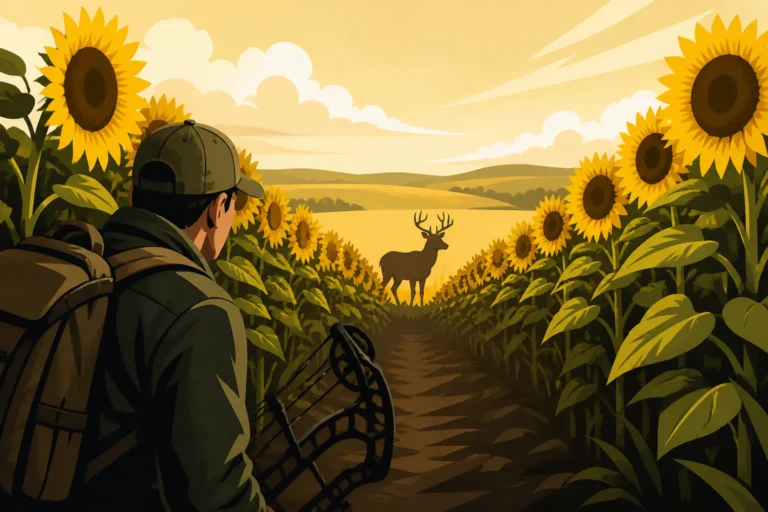
Deer hunting in North Dakota sunflower fields requires strategies for managing noise, visibility, and unpredictable wind.
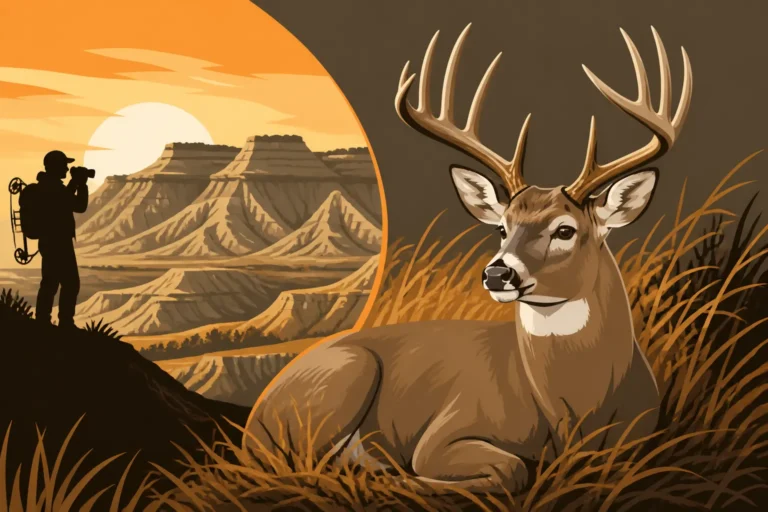
North Dakota Badlands mule deer bedding habits, seasonal shifts, and steep coulee terrain features help hunters find mature bucks.
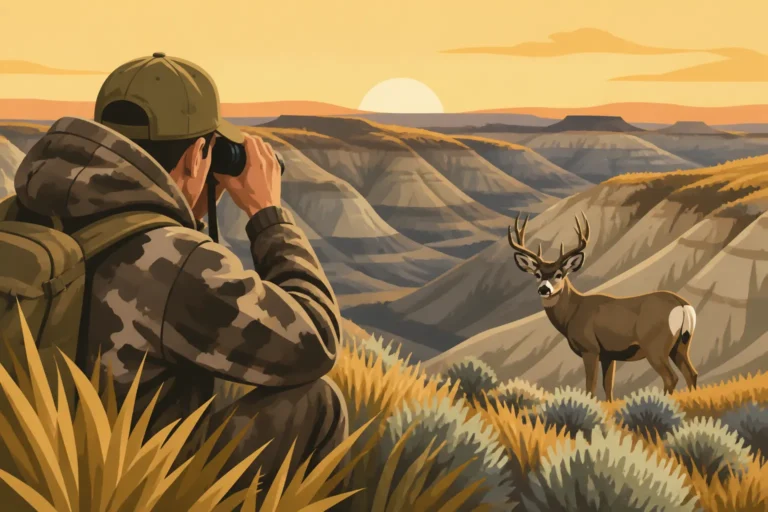
North Dakota Badlands mule deer hunting strategies explain how topography, water sources, and vegetation dictate animal movement patterns.
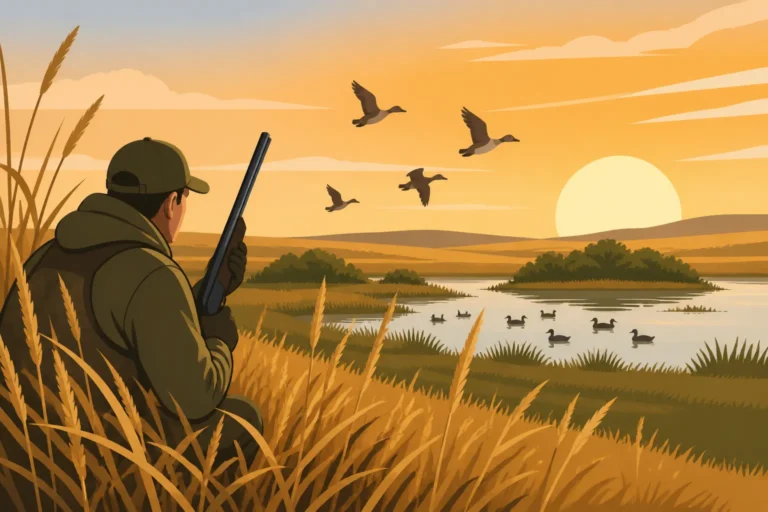
North Dakota prairie pothole field edges provide game species transition zones, offering food, water, and cover for successful hunting.
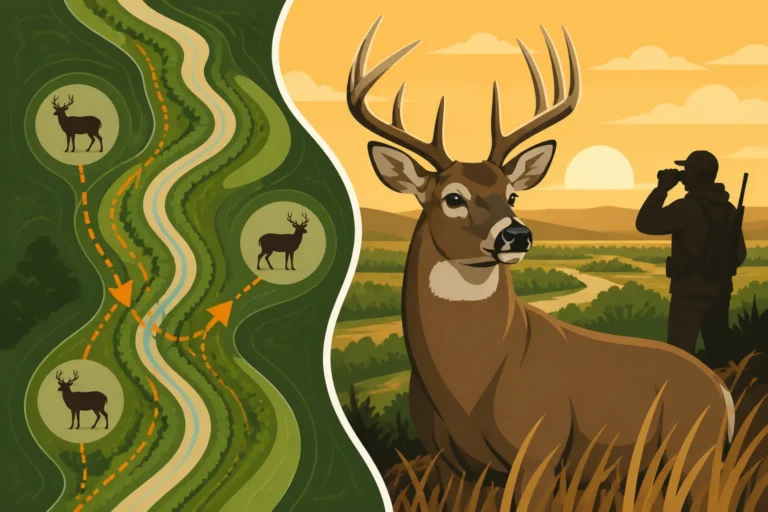
Missouri River bottom deer hunting techniques explain how deer navigate timber, sloughs, and agricultural fields for survival.
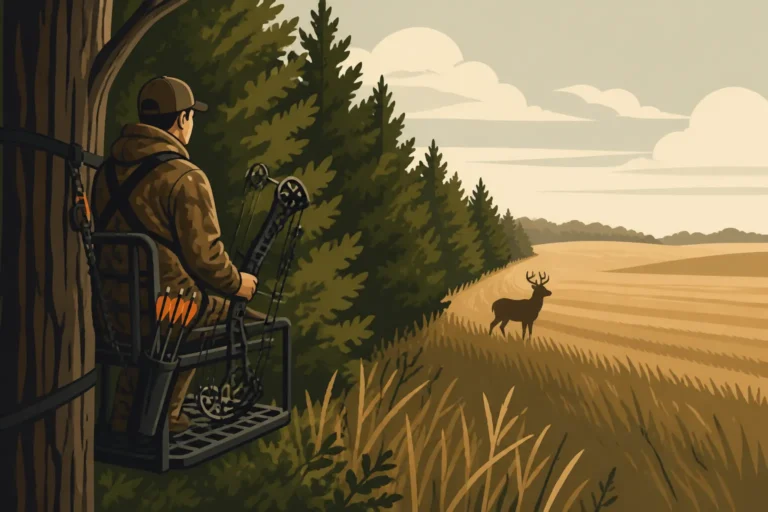
North Dakota shelterbelts serve as winter thermal sanctuaries, travel corridors, and bedding areas for prairie deer movement.
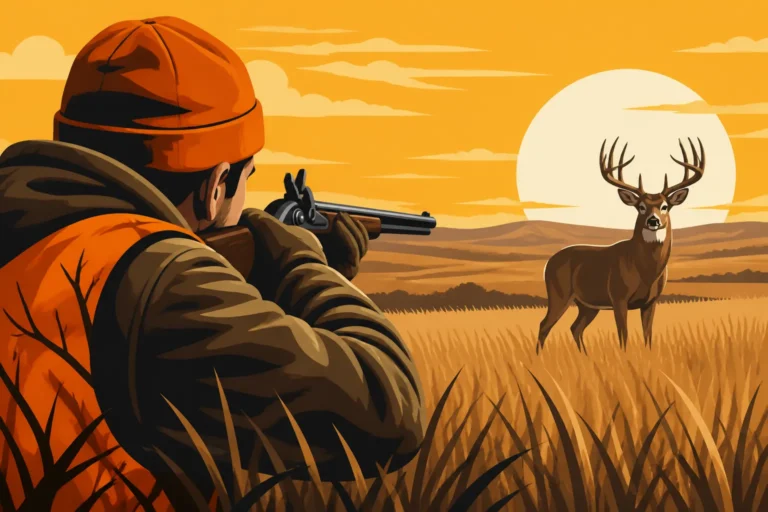
North Dakota deer hunters learn December behavior, food sources, and thermal cover tactics for late-season muzzleloader success.
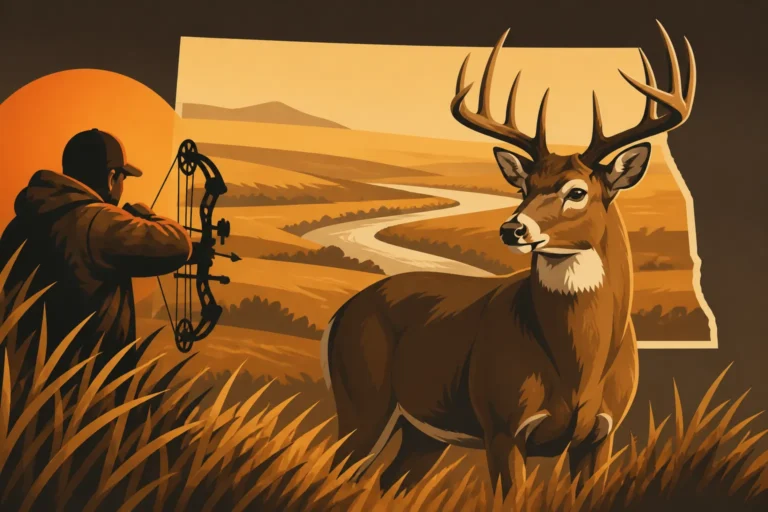
North Dakota deer hunting during early-to-mid November offers tactical insights into peak buck movement and breeding phases.

Nonresident deer bowhunters in North Dakota must wait until September fifteenth before hunting on public land and federal refuges.
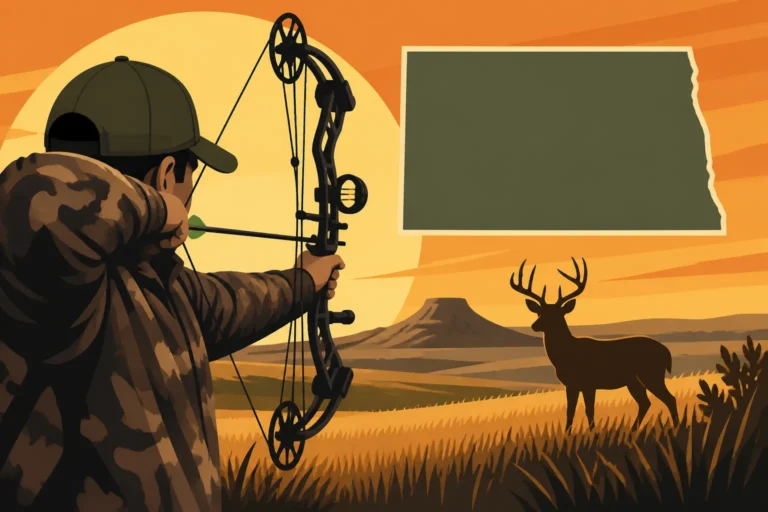
North Dakota archery season for deer, elk, and moose opens on the first Friday in September, lasting through the end of the year.