Hunting Standing Corn for Late-Season Geese
Late-season goose hunting in North Dakota standing corn fields requires understanding wary birds, feeding behavior, and heavy hunting pressure.
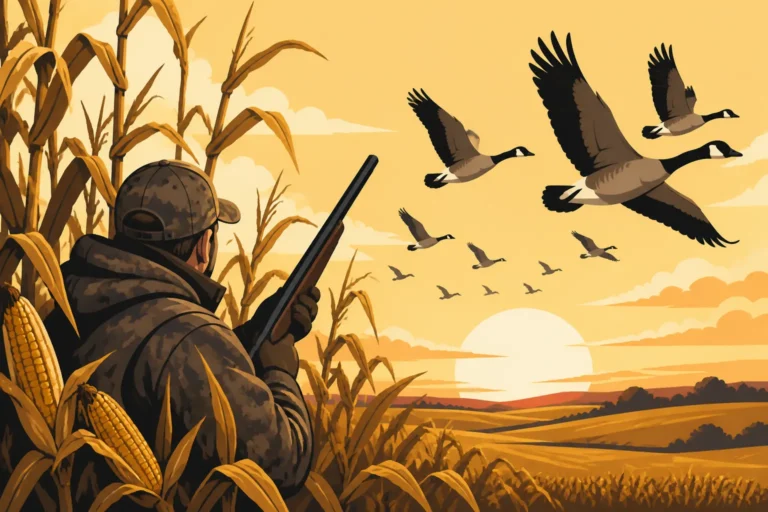
Late-season goose hunting in North Dakota standing corn fields requires understanding wary birds, feeding behavior, and heavy hunting pressure.
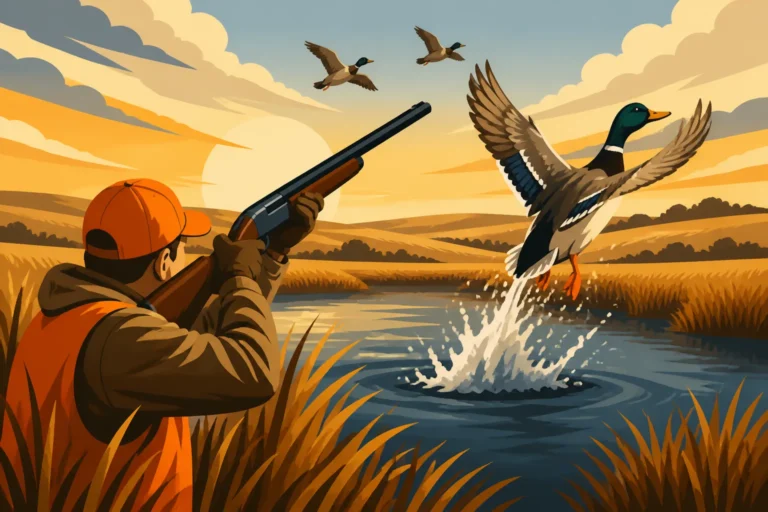
Jump-shooting North Dakota prairie potholes explains how hunters stalk and flush ducks from wetlands without heavy gear.
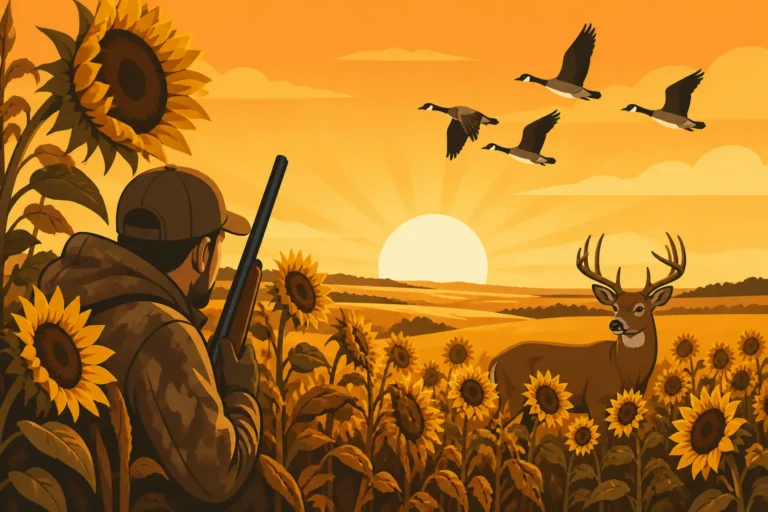
North Dakota standing sunflower fields provide whitetail deer and migratory geese with crucial food sources and heavy thermal cover.
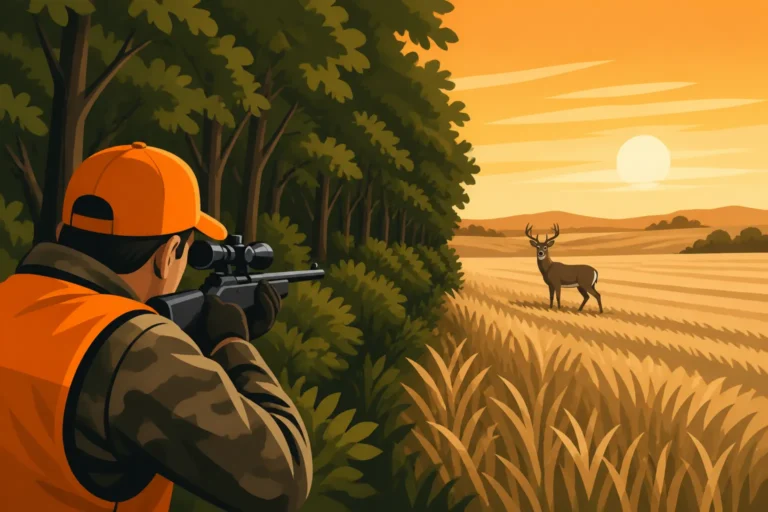
North Dakota shelterbelt edges provide deer with thermal cover and travel routes, creating predictable hunting locations during winter.
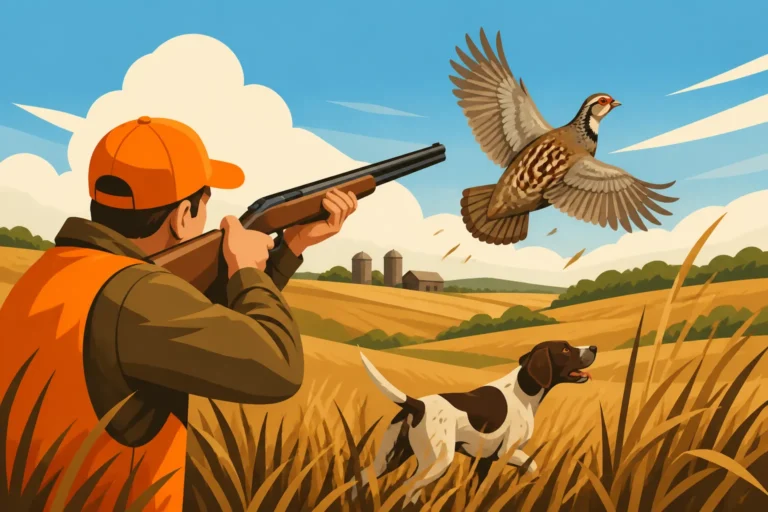
Hungarian partridge hunting strategies on North Dakota farmland help upland hunters locate and pursue elusive coveys successfully.
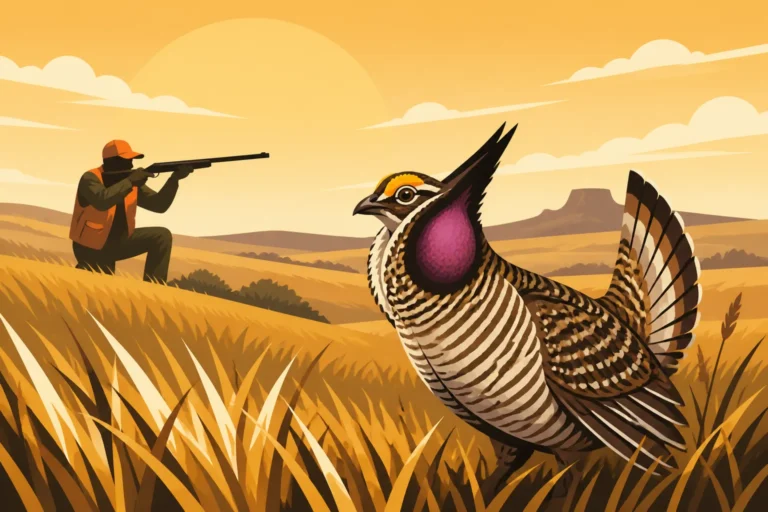
Sharptail grouse hunting in North Dakota requires knowing mixed-grass prairie habitats, seasonal food sources, and bird sign.
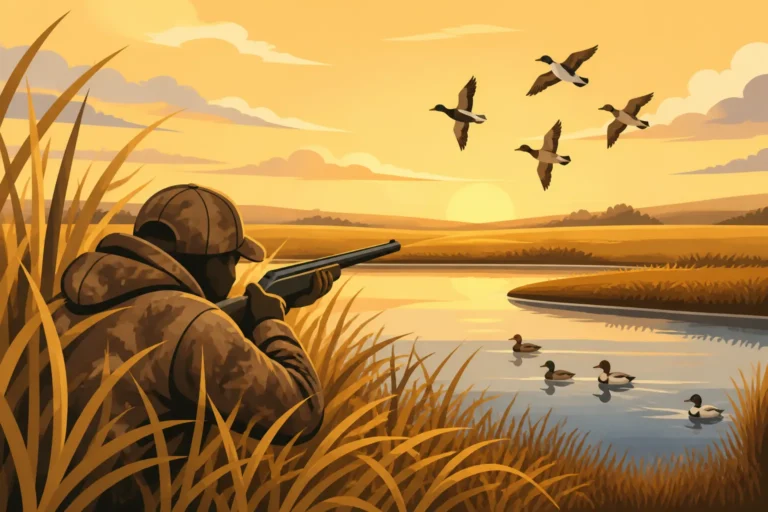
North Dakota prairie pothole slough edges provide crucial cover and food, concentrating waterfowl, pheasants, and deer for hunters.
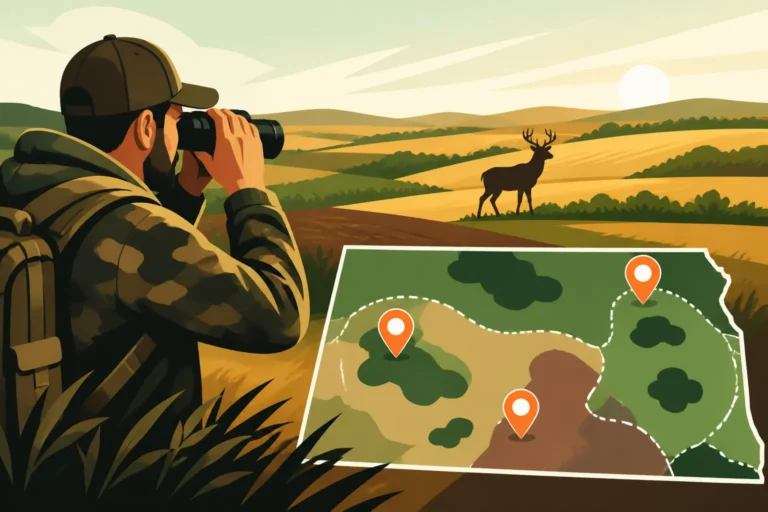
North Dakota PLOTS land scouting methods help hunters evaluate private acreage leased by the North Dakota Game and Fish Department for public access.
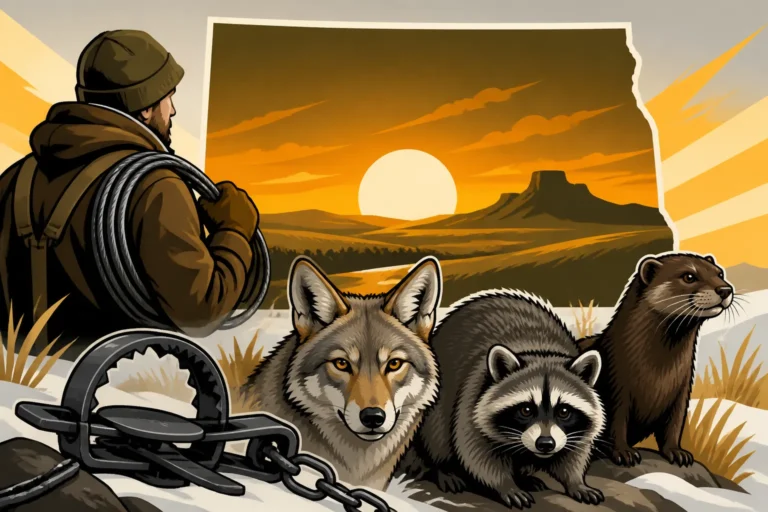
North Dakota furbearer trapping regulations, license requirements, and harvest reporting obligations for local wildlife species.
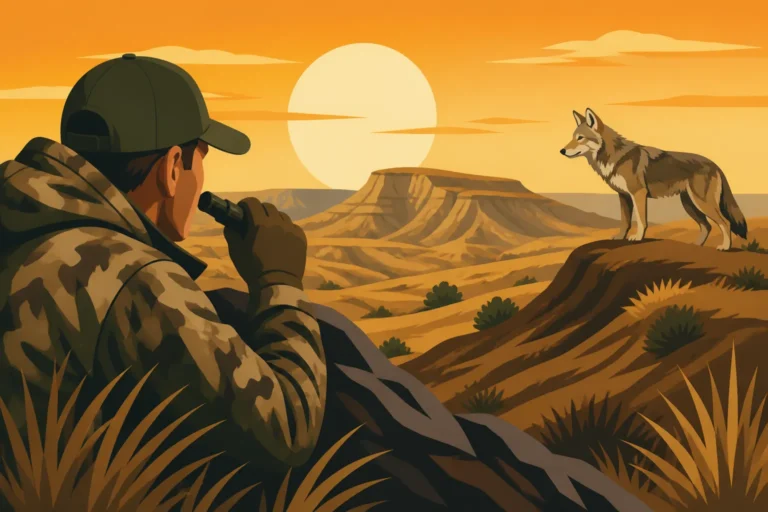
Predator calling in North Dakota Badlands draws requires mastering swirling winds, rugged terrain, and coyote or fox habits.