Average Cost of a Guided Badlands Mule Deer Hunt
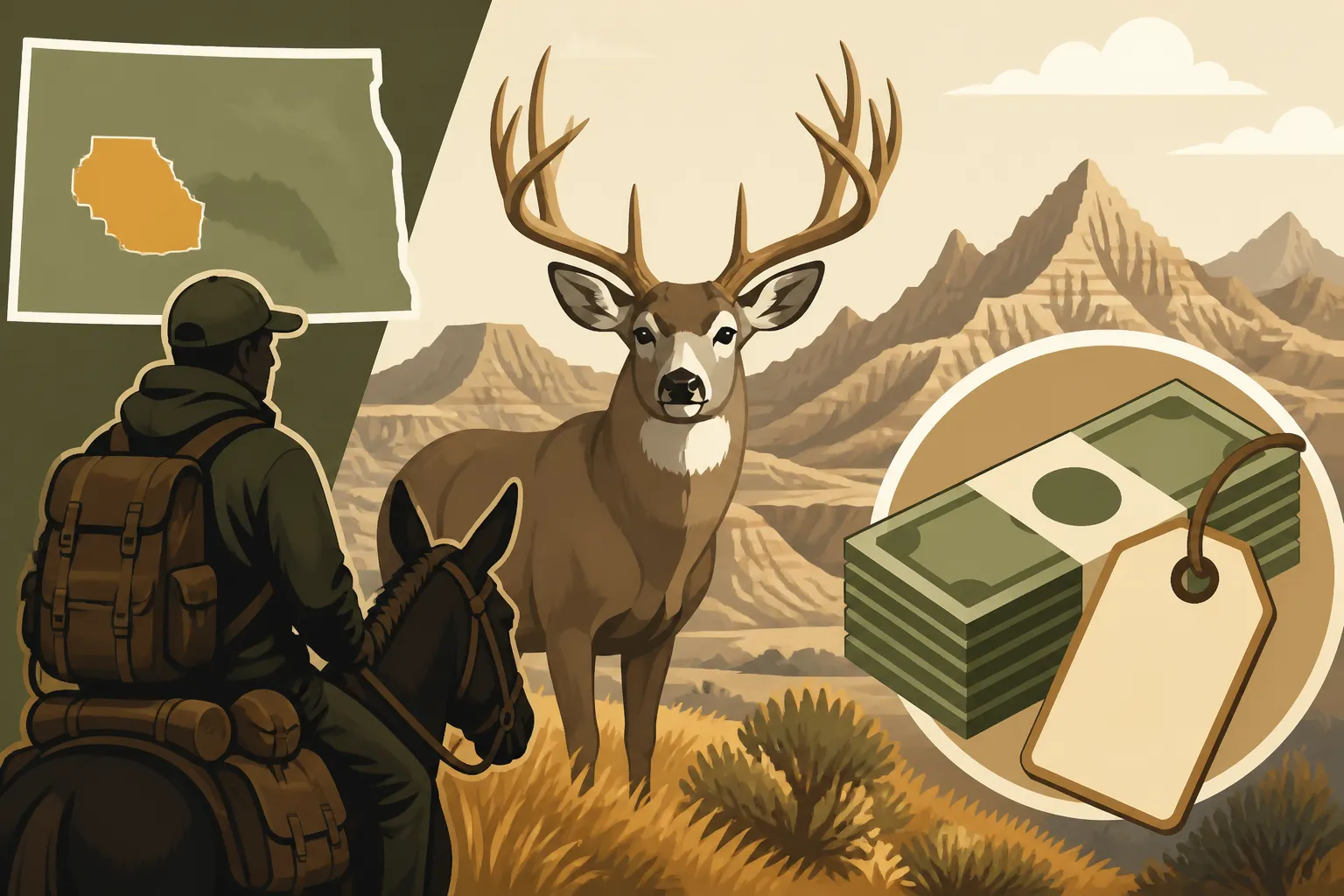
Planning a hunt for mule deer in North Dakota's rugged Badlands is often a dream for many, but the practicalities of making it happen, especially understanding the financial commitment of a guided trip, can feel like navigating a maze. It’s easy to get lost in the numbers and wonder if a truly memorable experience is even within reach. This guide aims to pull back the curtain on the average costs associated with booking a guided Badlands mule deer hunt, helping you budget wisely and embark on the adventure of a lifetime.
Understanding What Influences the Cost of a Guided Badlands Mule Deer Hunt
The price tag on a guided hunt isn't just a random number; it's a reflection of many moving parts. Just like buying a vehicle, you have your base model, your mid-range sedan, and your luxury SUV, each with different features and price points. Understanding these influencing factors is the first step in decoding what you can expect to pay for your North Dakota mule deer adventure.
Duration of the Hunt and Trip Length
One of the most significant factors in determining the overall cost is how long you plan to be in the field. Guided hunts typically range from three to seven days, and sometimes even longer. A shorter, three-day hunt might seem appealing from a cost perspective, but it often means a more fast-paced, intense experience with less buffer time for bad weather, slow hunting, or simply adjusting to the terrain. You're paying for the guide's time, the lodging, the food, and the overall logistics, and cutting days directly impacts these expenses.
On the other hand, a five- or seven-day hunt offers more flexibility. It allows for rest days if needed, gives you more opportunities to scout new areas, and increases your chances of encountering the specific class of buck you're after. These longer hunts are naturally more expensive because the outfitter is dedicating more resources and time to your experience. When you're dreaming of Hunting North Dakota's Badlands Mule Deer Country, remember that more days in this vast landscape often translates to a better chance at success and a richer overall experience.
Inclusions and Exclusions in the Package
What's actually in the package you're considering? This is crucial to understand, as "all-inclusive" can mean different things to different outfitters. Most guided hunts will include the services of a professional guide, lodging (which could range from a rustic bunkhouse to a comfortable lodge), and meals during your stay. Field dressing of your animal and initial transportation back to camp are also common inclusions.
However, many things are almost always excluded from the base price. Your hunting license and tag fees are a prime example – you'll need to purchase these separately. Meat processing, taxidermy, transportation to and from North Dakota, personal hunting gear, and gratuities for your guide and lodge staff are also typically not covered. Some outfitters might offer these as add-ons, but it’s vital to confirm exactly what you're getting for the quoted price to avoid any unpleasant surprises down the line. A clear understanding helps you budget for the complete experience.
Reputation and Experience of the Outfitter
Just like any service industry, experience and reputation play a huge role in pricing. An outfitter who has been successfully guiding hunters in the North Dakota Badlands for decades, consistently putting clients on quality mule deer, will naturally command a higher price than a newer, less established operation. This isn't just about "brand name" – it's about proven success rates, deep knowledge of the specific hunting units, access to prime private land, and a polished, professional operation.
These highly reputable outfitters often invest more in scouting, equipment, and staff training, all of which contribute to a higher-quality experience for the hunter. They might also have exclusive leases on private land that offers exceptional hunting opportunities, which is a premium asset in a state with significant public land access but also intense pressure. Paying for an experienced outfitter often means paying for peace of mind, a higher likelihood of success, and a more comfortable, well-organized trip.
Breaking Down the Average Cost Range for a Guided Badlands Mule Deer Hunt
When you start digging into prices for a guided Badlands mule deer hunt, you'll quickly notice a pretty wide range. It’s not a one-size-fits-all situation, and what you get for your money can vary dramatically. Thinking about these hunts in tiers—entry-level, mid-range, and premium—can help you manage your expectations and align with your budget and desired experience.
Entry-Level Guided Hunts
For hunters looking to experience the Badlands without breaking the bank, entry-level guided hunts often provide a more budget-friendly option. These typically run for a shorter duration, perhaps three to five days, and might involve a higher hunter-to-guide ratio, like 3:1 or 4:1. Lodging could be more basic, such as a comfortable but no-frills bunkhouse or even a wall tent camp, with meals that are hearty but not gourmet. The focus here is primarily on the hunt itself, getting you into mule deer country with professional guidance.
Expect to see prices in the lower to mid-four figures for these types of trips. They are fantastic for hunters who are physically capable and enjoy a more rugged, hands-on experience, or for groups looking to split costs. While you might not have all the luxurious amenities, you're still getting the invaluable experience of a guide who knows the terrain and the habits of Mule Deer in North Dakota's Badlands, which is often the biggest hurdle for new hunters to the area.
Mid-Range and Standard Guided Hunts
Stepping up to the mid-range or standard guided hunts, you'll generally find a sweet spot of comfort, quality, and opportunity. These hunts usually span five to seven days and often feature a lower hunter-to-guide ratio, commonly 2:1 or even 1:1 for a more personalized experience. The lodging is typically more comfortable, perhaps a dedicated hunting lodge or a cabin with modern amenities, and the meals might be a step up, with more variety and home-cooked goodness.
Outfitters in this range often have well-scouted areas, whether on private leases or extensive public land, and are focused on providing a high-quality hunting experience with a good chance at a mature mule deer. Prices for these standard packages typically fall into the mid to upper four-figure range. This is where many hunters find the best balance between investment and a memorable, well-supported hunt. If you're looking for a solid experience without the ultimate luxury price tag, this tier is often where you'll find it.
Premium and All-Inclusive Experiences
At the top end of the spectrum are the premium or all-inclusive guided hunts, designed for hunters seeking the ultimate Badlands mule deer experience. These hunts usually offer a 1:1 guide ratio, ensuring undivided attention and maximum flexibility in the field. Lodging is often luxurious, featuring private rooms, gourmet meals prepared by a dedicated chef, and amenities like hot tubs or dedicated game rooms. Access to vast tracts of highly managed private land, often with proven trophy potential, is a common feature here.
These packages might include additional services like pre-scouting, trophy care beyond basic field dressing, airport pick-up and drop-off, and even professional photography or videography. Such an experience comes with a premium price tag, typically starting in the upper four figures and easily climbing into the five-figure range. While certainly a significant investment, these hunts aim to provide a seamless, high-success, and incredibly comfortable adventure, allowing the hunter to focus solely on the hunt and the stunning Badlands scenery. Services like GoHunt can sometimes point you towards these types of high-end experiences by showcasing outfitters with exceptional track records.
Here's a quick overview of typical guided mule deer hunt tiers in North Dakota:
| Hunt Tier | Duration | Hunter:Guide Ratio | Lodging Style | Price Range (Estimate) | Key Inclusions |
|---|---|---|---|---|---|
| Entry-Level | 3-5 Days | 3:1 to 4:1 | Basic bunkhouse/wall tent | $3,000 – $5,000 | Guide, basic meals, rustic lodging, field dressing |
| Mid-Range | 5-7 Days | 2:1 to 1:1 | Comfortable lodge/cabin | $5,000 – $8,000 | Guide, quality meals, comfortable lodging, field dressing |
| Premium | 7+ Days | 1:1 | Luxury lodge/private rooms | $8,000 – $15,000+ | Elite guide, gourmet meals, luxury lodging, extensive services |
Note: These are estimated ranges and can fluctuate based on outfitter, season, and specific inclusions. Always confirm exact pricing and inclusions directly with the outfitter.
Beyond the Base Price: Hidden Costs and What to Budget For
It's tempting to look at an outfitter's quoted package price and think that's the total amount you'll spend. But seasoned hunters know better. There are almost always additional costs that aren't included in the base price of a guided hunt, and overlooking them can lead to a significant budget crunch down the road. Being prepared for these "hidden" expenses is key to a stress-free trip.
License and Tag Fees
This is perhaps the most common oversight for first-time guided hunters. The cost of your hunting license and mule deer tag is almost never included in the outfitter's package. For non-residents, these fees can be substantial. You'll need to research the North Dakota Nonresident Base License Cost and specific mule deer tag costs, which typically involve a lottery application process for rifle tags. Securing your tag is a separate and often competitive endeavor, requiring timely application.
Even for archery seasons, where tags might be over-the-counter or easier to acquire, the fees are still your responsibility. Always factor these into your overall budget before you even start looking at outfitters, as getting a tag is a prerequisite for any hunt.
Travel, Gear, and Pre-Trip Expenses
Getting to North Dakota, especially the Badlands region, involves its own set of costs. Whether you're flying into Bismarck or Dickinson and renting a vehicle, or driving your own truck from a neighboring state, fuel, airfare, and vehicle rental expenses add up. Don't forget any overnight hotel stays you might need before or after your hunt.
Beyond travel, consider your gear. Do you have appropriate cold-weather hunting clothing, high-quality optics suitable for Glassing Badlands Coulees for Elk (which applies equally to mule deer), a reliable rifle or bow, and sufficient ammunition? While a guide might lend you a binocular in a pinch, you'll want your own trusted equipment. Any last-minute gear purchases, rifle sighting, or archery tuning costs should also be accounted for in your pre-trip budget.
Tipping Your Guide and Lodge Staff
Tipping is a customary practice in the hunting industry, and it's an important part of showing appreciation for the hard work your guide and any lodge staff put in. This isn't just a nicety; for many guides, tips form a significant portion of their income. The amount can vary, but a general guideline is to budget 15-20% of the hunt's base cost for your guide. If there's additional lodge staff (cooks, housekeepers), they should also be tipped appropriately.
Calculating this tip can be tricky, so it's always a good idea to factor in a substantial amount. For example, if your hunt package is $6,000, a 15% tip would be $900. Having cash on hand for tips is usually preferred. For more detailed guidance, check out articles on Standard Tip for a Deer or Elk Guide. It ensures your hunt ends on a positive note for everyone involved.
Meat Processing, Taxidermy, and Shipping
Successfully harvesting a mule deer is the goal, but then what? If you tag a deer, you'll have the costs associated with getting the meat processed and, if you desire, your trophy mounted. Meat processing can range from a few hundred dollars to more, depending on the services you choose (e.g., ground meat, steaks, sausages). Many outfitters will have a recommended local processor.
If you plan to take your antlers or cape to a taxidermist, that's another significant expense. A quality shoulder mount can cost well over a thousand dollars. Then there's the logistics and cost of getting your processed meat and/or trophy back home, especially if you're traveling a long distance. Shipping venison or a taxidermy piece can be complicated and pricey, so ask your outfitter about local options and approximate costs for Processing Birds Near a Pheasant Lodge – the principles apply to deer meat too.
Making Your Guided Hunt More Affordable or Maximizing Value
The idea of a guided Badlands mule deer hunt might seem like a distant dream if the full price tag feels out of reach. However, there are smart strategies you can employ to either reduce the overall cost or ensure you're getting the absolute most value for your investment. It's all about being savvy and knowing where to look for opportunities.
Hunting with a Group vs. Solo
One of the most effective ways to make a guided hunt more affordable is to go with a group. Many outfitters offer reduced per-person rates for groups of two, three, or even four hunters. This is because it’s more efficient for them to guide multiple clients at once, especially with a 2:1 or 3:1 guide ratio. You still get the benefit of a professional guide, but the cost is spread among more people.
The trade-off, of course, is that you might receive less individualized attention than on a 1:1 hunt. However, for many, the camaraderie of hunting with friends or family, combined with the cost savings, makes it an excellent option. Discuss this with potential outfitters when you inquire, as group rates are common and can significantly lower your personal outlay for the same duration and quality of hunt.
Booking During Off-Peak Times or Last Minute
Just like travel or accommodations, hunting seasons have peak and off-peak periods. The "rut" in early to mid-November, for example, is often the most desired (and expensive) time to hunt mule deer due to increased buck activity. If your schedule is flexible, consider booking a hunt during the early or late season. While the hunting dynamics might be different, opportunities still exist, and prices can be more favorable.
Alternatively, keep an eye out for last-minute cancellation hunts. Outfitters sometimes have a spot open up due to unforeseen circumstances, and they might offer a discount to fill that opening quickly. This requires flexibility and the ability to drop everything and go, but it can be a way to snag a quality hunt for less. Keep in mind that securing your North Dakota Archery Season Opening Day or rifle tag might still be a challenge depending on the timing of such an opportunity.
Leveraging Semi-Guided or Drop Camp Options
If a fully guided hunt is simply beyond your budget, or if you prefer a bit more independence while still appreciating local expertise, consider a semi-guided hunt or a drop camp. A semi-guided hunt, as explored in What a Semi-Guided North Dakota Hunt Means, typically involves the outfitter providing pre-scouted areas, maps, advice on tactics, and perhaps transportation to and from your hunting spots each day. You do the actual hunting and tracking yourself. This significantly reduces the guide's time in the field with you, lowering the cost.
Drop camps take this a step further, with the outfitter transporting you to a remote, pre-set camp (often a wall tent) in good mule deer country, providing basic supplies, and then leaving you to hunt on your own for several days before picking you up. This is for the truly self-sufficient hunter who is comfortable with wilderness navigation and game recovery but wants a leg up on location. Both options offer a significant cost reduction compared to a full-service guided experience.
Doing Your Homework: Vetting and Comparing Outfitters
Perhaps the most important step in maximizing your value, regardless of your budget, is thorough research. Don't just pick the first outfitter you find. Take the time to Vetting a North Dakota Hunting Outfitter by checking references, reading reviews on independent forums, and asking detailed questions about everything from guide experience to success rates, and what happens if weather cancels a day. Platforms like BookYourHunt can be a great starting point for comparing multiple outfitters side-by-side, but always follow up with direct communication.
Don't be afraid to ask for specific references from past clients, particularly those who hunted mule deer in the Badlands during the season you're considering. Inquire about the outfitter's access – do they hunt public land, private land, or a combination? Understand how their North Dakota Landowner Deer Permit Rules affect their access if they're on private ground. The more information you gather, the better equipped you'll be to choose an outfitter that aligns with your expectations and budget, ensuring your investment truly pays off in experience and opportunity. Sometimes, a dedicated consultant, similar to those mentioned in Booking an Outfitter Through a Badlands Elk Consultant, can help navigate these choices for deer as well.
Disclaimer
This article is for general informational purposes only and does not constitute professional advice. Laws, prices and regulations vary by location and change over time. Consult a qualified professional for guidance on your specific situation.