Booking a North Dakota Deer Hunt
Planning a deer hunt in North Dakota can feel like staring at a complex jigsaw puzzle with half the pieces missing, especially if you're not a local or it's your first time navigating the unique system. From understanding license draw odds to deciphering public land access and even just figuring out if a guided hunt is right for you, the sheer volume of information can be overwhelming. This comprehensive guide is here to untangle that knot, walking you through everything you need to know about booking a North Dakota deer hunt, whether you envision a rugged self-guided adventure or the convenience of a fully outfitted experience.
Understanding North Dakota Deer Hunting Opportunities
North Dakota offers a truly unique deer hunting experience, a blend of expansive prairie, challenging Badlands terrain, and fertile river bottoms. But before you can even think about pulling a trigger or releasing an arrow, you need to grasp the foundational aspects of how deer hunting works in the state, particularly regarding licenses and seasons. It's not as simple as walking into a store and buying a tag, and that's often the first hurdle for many aspiring hunters.
Resident vs. Nonresident Deer Tags
The very first thing you'll encounter is the distinction between resident and nonresident licenses. This isn't just a minor difference in price; it fundamentally changes your access and opportunities. For North Dakota residents, the path to a deer tag, especially for gun season, involves a lottery, but it's generally more accessible. You have a deeper pool of options for units and antler configurations, and the overall process is designed to ensure local hunters have priority for their home state's resources.
Nonresidents, on the other hand, face a much more restrictive system. While there are options, particularly for archery, the coveted gun deer tags are highly sought after and limited. There are specific quotas, and your chances in the lottery can be significantly lower depending on the unit and the type of tag you're after. This often leads nonresidents to consider private land options or focus on archery season, where opportunities are a bit more open. It’s crucial to understand these distinctions right from the start, as they dictate the entire trajectory of your planning. You can delve deeper into the general costs by reading North Dakota Hunting Licenses and What They Cost.
Lottery System and Draw Odds
North Dakota primarily utilizes a lottery system for its deer gun tags, and it’s a system that can be both exciting and frustrating. For residents and nonresidents alike, drawing a coveted tag often comes down to a bit of luck and, increasingly, building up preference points over several years. Each year, hunters submit their applications for specific units and tag types (e.g., any-deer, antlered whitetail, antlerless whitetail, antlered mule deer, antlerless mule deer). The demand for certain units, especially those known for trophy bucks or high success rates, far outstrips the supply of tags, making the draw odds incredibly challenging.
This means you can’t just decide in September that you want to hunt North Dakota in November. The application period usually closes in early June, requiring significant foresight and planning. Many hunters will apply year after year, patiently accumulating preference points to improve their chances in future draws. It's a long game for many, and understanding the nuances of the preference point system is vital. Resources like the state's Game and Fish Department website publish previous year's draw statistics, giving you a realistic picture of what you're up against. For more on this, check out North Dakota's Lottery-Based Deer Gun Season.
Archery, Gun, and Muzzleloader Seasons
North Dakota offers distinct seasons for different weapon types, each with its own character and opportunities. The archery season is notably long, typically stretching from late summer well into early winter. This extended season provides significant flexibility, allowing bowhunters to target deer during the pre-rut, peak rut, and late-season periods. Many nonresidents find this season more accessible, especially considering the challenges of drawing a gun tag. Bowhunters often enjoy more solitude and the thrill of an up-close encounter.
The gun season, while shorter, is incredibly popular and draws the most attention. It typically opens in early November, often coinciding with the whitetail rut in many areas. This short, intense period means that hunters must make the most of every day, and competition for prime spots can be high. Finally, the muzzleloader season typically follows the gun season, extending opportunities into the colder late-season months. Muzzleloader hunting adds another layer of challenge and tradition, appealing to those who appreciate the historical aspect and the unique skills required. Each season demands different strategies, gear, and mental preparation, making North Dakota a versatile deer hunting destination if you understand how to navigate its calendar. Further insights can be found in North Dakota Archery Season Dates and North Dakota Gun Season Dates.
Whitetail vs. Mule Deer Considerations
When planning your North Dakota deer hunt, a crucial decision will be whether you're targeting whitetails or mule deer. These two iconic species, while both present in the state, occupy different habitats and often require distinct hunting approaches. White-tailed deer are far more widespread, found throughout most of North Dakota, from the river bottoms of the east to the scattered draws and shelterbelts of the western prairies. They are adaptable, often found in agricultural areas, timbered riparian zones, and even small pockets of dense cover. Their behavior, particularly their reliance on thick cover and their 'flagging' escape, is familiar to many hunters.
Mule deer, on the other hand, are primarily concentrated in the rugged, broken terrain of the Little Missouri Badlands in the western part of the state. These "big-eared" deer are creatures of the open, rolling hills, cedar breaks, and deep coulees. Hunting mule deer often involves extensive glassing, spot-and-stalk tactics, and a good deal of physical endurance to navigate the steep terrain. While there can be some overlap in their ranges, especially along the fringes of the Badlands, generally, you'll be deciding between a more classic whitetail hunt or a physically demanding mule deer expedition. Your chosen species will heavily influence the unit you apply for, the type of outfitter you seek, and the gear you'll need. To learn more about their distribution, you can read White-Tailed Deer Across North Dakota and Mule Deer in North Dakota's Badlands.
Deciding on Your Hunting Style: Guided vs. Self-Guided
Once you've wrapped your head around licenses and species, the next big question is how you want to hunt. North Dakota offers options for every style, from the independent adventurer who loves to scout and strategize on their own, to the hunter who prefers the full-service experience an outfitter provides. There's no single "right" way, but understanding the pros and cons of each will help you choose the path that best suits your skills, budget, and desired level of challenge.
The Allure of a Fully Guided Hunt
For many hunters, especially nonresidents or those new to North Dakota's unique landscapes, a fully guided hunt offers an immense appeal. Imagine arriving in Bismarck or Dickinson, being picked up by your outfitter, and having all the logistics — lodging, meals, transportation to hunting grounds, and expert guidance — taken care of. This is the essence of a fully guided experience. The outfitter brings invaluable local knowledge, years of experience tracking deer in specific areas, and access to prime private lands or intimately known public parcels. They've likely scouted extensively, know the deer patterns, and can put you in the best position for success.
A guided hunt drastically reduces the stress and uncertainty that can plague a self-guided trip. You won't be scrambling to find public access, deciphering maps, or wondering if you're in the right spot. Instead, you'll be focused on the hunt itself, learning from seasoned professionals who know the local deer herd intimately. This can be especially beneficial if you've drawn a once-in-a-lifetime tag or are simply short on time and want to maximize your chances. While the investment is higher, the return in terms of experience, knowledge gained, and potential success can be well worth it.
The Appeal of a Self-Guided Adventure
On the other end of the spectrum is the self-guided adventure, a popular choice for those who relish the challenge of doing it all themselves. This path demands significantly more planning, research, and self-reliance, but it offers unparalleled freedom and a profound sense of accomplishment. A self-guided hunter is responsible for everything: securing licenses, planning travel and lodging, scouting public lands, understanding regulations, and executing the hunt from start to finish. This often involves poring over maps, using digital tools like onX Hunt, and sometimes even knocking on doors to gain private land permission.
The appeal lies in the complete immersion in the process. You get to choose your own schedule, adapt your tactics on the fly, and truly earn every step of the hunt. It's often a more budget-friendly option, as you're not paying for the outfitter's services. North Dakota offers extensive public land opportunities, including federal lands like the Little Missouri National Grassland and state-managed PLOTS (Private Land Open To Sportsmen) areas, which are perfect for self-guided hunters. However, it requires a higher level of preparedness, navigation skills, and a willingness to put in the hard work of scouting and hunting unfamiliar territory. Learning more about Public Hunting Land in North Dakota and The PLOTS Program Explained can really help with this.
Semi-Guided Options and Their Benefits
For those who want a blend of support and independence, semi-guided hunts present a fantastic middle ground. This option can vary significantly from one outfitter to another, but generally, it involves the outfitter providing some level of assistance without holding your hand through every minute of the hunt. This might mean the outfitter provides pre-scouted areas, maps with marked hotspots, or even transportation to a drop-off point, but you are then responsible for the actual hunting, tracking, and recovery.
Semi-guided hunts are ideal if you're comfortable with your hunting skills but need help with local knowledge, access, or specific logistical challenges. Perhaps you're new to the Badlands terrain and want someone to show you the ropes without being shadowed for the entire week. It offers a more economical alternative to a fully guided trip while still reducing some of the guesswork involved in a purely self-guided venture. You benefit from the outfitter's expertise in specific areas and deer behavior, yet retain the thrill and satisfaction of making your own hunting decisions. It's a sweet spot for many who want to grow their skills and experience without plunging entirely into the unknown.
| Feature | Fully Guided Hunt | Semi-Guided Hunt | Self-Guided Hunt |
|---|---|---|---|
| Outfitter Involvement | High: Full logistics, guiding, scouting, recovery. | Moderate: Access, scouting info, basic support. | Minimal: None, or consultation for a fee. |
| Logistics Handled | All: Lodging, meals, transport, game care. | Some: May include camp, maps, drop-offs. | None: Hunter handles everything. |
| Local Knowledge | Extensive: Outfitter knows specific areas intimately. | Moderate: Provided through maps/briefings. | Acquired by hunter through research/scouting. |
| Difficulty | Lower: Guidance reduces complexity. | Medium: Still requires hunter skill and decision-making. | High: Requires maximum self-reliance and planning. |
| Cost | Higher: Comprehensive service. | Moderate: Fewer services, reduced cost. | Lower: Primarily license, travel, gear, lodging. |
| Ideal For | First-timers, nonresidents, time-constrained hunters. | Experienced hunters needing local edge/some support. | Experienced, self-reliant, budget-conscious hunters. |
Vetting and Selecting a North Dakota Deer Outfitter
If you've decided that a guided or semi-guided hunt is for you, the next critical step is finding the right outfitter. This isn't a decision to take lightly. A good outfitter can make your hunt, while a poor one can lead to disappointment, wasted time, and money. It's an investment, and like any significant investment, it requires due diligence. Navigating the world of hunting outfitters can be confusing, especially with so many options, so knowing what to look for and what questions to ask is paramount.
What to Look for in a Reputable Outfitter
A reputable North Dakota deer outfitter will possess a combination of experience, transparency, and a solid track record. First and foremost, verify their licensing. North Dakota requires outfitters to be licensed, and a legitimate operation will be happy to provide proof. This ensures they operate legally and adhere to state regulations. Beyond legalities, look for an outfitter with extensive experience specifically in the unit or region you plan to hunt. Deer behavior and habitat vary greatly, even within North Dakota, and local expertise is invaluable.
Communication is another key indicator. A good outfitter will be responsive, clear in their descriptions of services, and willing to answer all your questions thoroughly. They should be transparent about their success rates, what's included in their packages, and any potential hidden costs. Don't just look at high harvest numbers; consider if they align with your definition of a quality hunt. For instance, do they prioritize ethical hunting and fair chase, or just getting a kill? Online platforms like BookYourHunt can provide a starting point for finding licensed outfitters and reading reviews, but always follow up with direct communication and reference checks.
Essential Questions to Ask Before Booking
Once you've identified a few potential outfitters, it's time to get specific. Don't be shy about asking detailed questions – this is your hunt, and you deserve clarity. Start with logistics: "What are the exact dates of the hunt?" and "What is the typical itinerary for a hunting day?" Then move into specifics about the actual hunting: "What kind of terrain will we be hunting, and what level of physical fitness is required?" "What is the guide-to-hunter ratio?" "What are the typical shot distances I should expect for both bow and gun?"
Dig into their success rates. Ask for specific details, like "What was your success rate for drawing tags in this unit last year?" or "What percentage of your hunters had shot opportunities on mature deer?" Most importantly, ask for references – at least three from hunters who have recently hunted with them, ideally within the last year or two. A reputable outfitter will gladly provide these, and speaking with past clients is arguably the most valuable part of your vetting process. Their firsthand accounts will give you an unvarnished perspective on the outfitter's operation, the quality of the hunt, and the overall experience.
Understanding Outfitter Packages and Services
Outfitters typically offer various packages, and understanding what's included in each is vital to avoid surprises. A "standard" package usually covers guiding services, meals, and lodging. But clarify the specifics: Are meals served in a lodge setting, or are they field lunches? What kind of lodging is it – a comfortable lodge, a rustic cabin, or a motel? Transportation during the hunt is often included, but confirm if this means pickup from a local airport, travel to and from hunting areas, and game retrieval.
Beyond the basics, inquire about additional services. Does the outfitter provide field dressing and caping? Is there a local meat processor or taxidermist they recommend, and are their services included or an extra cost? Some premium packages might even include things like airport transfers, initial processing of game meat, or arrangements for shipping trophies. It's also critical to understand what is not included. Often, licenses and tags, ammunition, personal gear, and gratuities are separate expenses. Having a clear itemized list of what your payment covers will prevent misunderstandings down the road. You can usually find a breakdown of services and costs on sites like GoHunt, which can help compare different operations. Further details on costs can be found in What a Guided North Dakota Deer Hunt Costs.
Red Flags and How to Avoid Them
While most outfitters are legitimate, it's wise to be aware of potential red flags that could indicate a less-than-reputable operation. One of the biggest warning signs is an outfitter who makes unrealistic guarantees about success or trophy size. Hunting is inherently unpredictable, and any outfitter promising a "guaranteed kill" or a "Boone and Crockett buck every time" is likely exaggerating, if not outright misleading. Similarly, be wary of outfitters who are vague about their licensing, provide evasive answers to specific questions, or are reluctant to offer references.
Another red flag can be unusually low prices compared to other outfitters in the same region, as this might signal cut corners or a lack of essential services. A lack of online presence, unprofessional communication, or a demand for full payment upfront without a clear contract or cancellation policy are also concerning. Trust your gut feeling. If something feels off, it probably is. Take the time to research, verify, and question anything that gives you pause. A little skepticism and thorough vetting before you send a deposit can save you a lot of heartache and money later on.
Navigating the Booking Process and Financials
Once you've chosen your North Dakota deer outfitter, the actual booking and financial arrangements become the focus. This stage involves contracts, deposits, and understanding the fine print that protects both you and the outfitter. It's essential to be clear on all monetary aspects, as well as what happens in unforeseen circumstances, to ensure a smooth and enjoyable experience.
Deposit Structures and Payment Schedules
Booking a guided hunt almost universally requires a deposit, which serves to secure your spot and compensate the outfitter for their time and resources in planning your trip. Deposits typically range from a third to half of the total hunt cost, but this can vary. It's crucial to understand the exact amount required and when it's due. Many outfitters operate on a tiered payment schedule, with the initial deposit securing your dates, a second payment due several months before the hunt, and the final balance due upon arrival or completion of the hunt.
Always ensure you receive a written contract or agreement detailing these payment terms, what the deposit covers, and its refundability. Never send money without a clear understanding of these details. Prompt payment of deposits and subsequent installments is important, as outfitters often have tight schedules and limited availability, especially for prime hunting dates. Failing to adhere to the payment schedule could result in losing your booking.
Cancellation Policies and Trip Insurance
Life happens, and sometimes, even the best-laid hunting plans can fall through. This is where understanding the outfitter's cancellation policy becomes paramount. Most outfitters have strict cancellation policies, especially once a deposit has been paid, due to the nature of their business and the difficulty of rebooking last-minute spots. Common policies might state that deposits are non-refundable, or only partially refundable if the spot can be rebooked. Some may offer to roll your deposit over to a future hunt, but this is at their discretion.
Given the substantial investment in a guided hunt, especially for nonresidents traveling long distances, considering trip insurance is highly recommended. This type of insurance can protect your financial investment in case you need to cancel due to unforeseen circumstances like medical emergencies, travel disruptions, or even certain hunting-related events. While an added cost, it provides peace of mind, knowing that you won't lose your entire investment if circumstances beyond your control force you to cancel. Discuss these options with your chosen outfitter and explore different insurance providers well in advance.
Understanding What's Included and Excluded
As mentioned previously, a clear understanding of what your hunt package includes and excludes is vital. Go beyond the verbal assurances and review the written contract meticulously. Confirm details about meals (breakfast, lunch, dinner, snacks, beverages), lodging (private room, shared room, type of facility), and transportation during the hunt. Does the transportation cover travel to and from the nearest major airport, or just to and from the hunting grounds once you arrive?
Regarding the hunt itself, confirm if the guide-to-hunter ratio is what you expect. Is field dressing and caping included? What about initial game retrieval from the field? Are there any hidden fees for excessive trophy care or difficult recoveries? Essential items usually not included are your hunting licenses and tags (which you’ll purchase directly from the state), personal hunting gear (firearms, ammunition, clothing, optics), alcoholic beverages, and gratuities for guides and staff. Being aware of these additional costs beforehand allows you to budget accurately and avoids any unwelcome surprises when the final bill comes due.
Tipping Your Guide and Lodge Staff
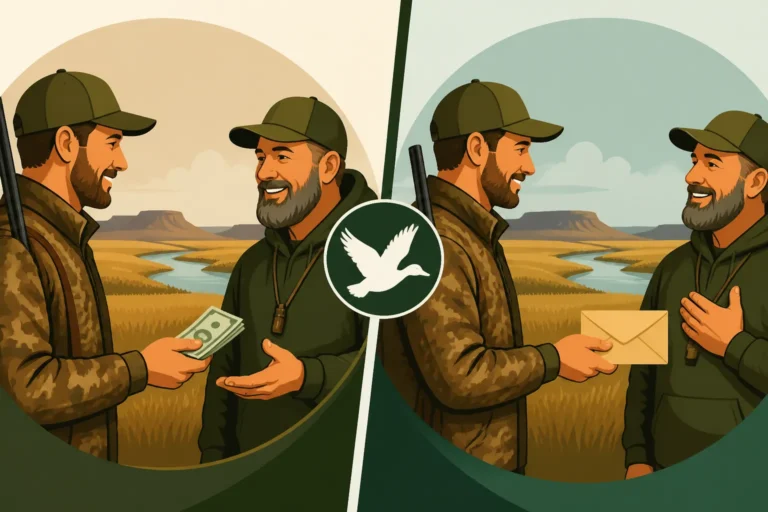
Tipping is a customary practice in the hunting industry and a crucial aspect of showing appreciation for the hard work, long hours, and dedicated service provided by your guide and any lodge staff. While not mandatory, it's a strongly recommended gesture and part of the overall hunting culture. Guides often work tirelessly, scouting for weeks before your arrival, putting in early mornings and late nights, and doing everything they can to ensure you have a successful and enjoyable experience.
The amount to tip can vary, but a common guideline for guides is usually 10-20% of the total hunt cost. For lodge staff (cooks, housekeepers), a smaller amount, perhaps a daily rate or a lump sum, is appropriate, often placed in a communal tip jar. The exact amount should reflect the quality of service you received. If your guide went above and beyond, putting in extra effort, providing exceptional knowledge, or making your trip truly memorable, consider tipping on the higher end. It's generally best to bring cash for tips, as many outfitters cannot process gratuities via credit card. This is a topic worth clarifying with your outfitter beforehand so you can budget appropriately. For general tipping guidance, see Tipping a North Dakota Hunting Guide.
Preparing for Your North Dakota Deer Hunt
With the booking secured and finances sorted, it's time to shift your focus to preparing yourself for the hunt. North Dakota's diverse terrain and often unpredictable weather demand a certain level of readiness, both physically and in terms of gear. A well-prepared hunter is not only more comfortable but also significantly increases their chances of success and safety.
Physical and Mental Conditioning
North Dakota might not be known for towering mountains, but don't underestimate the physical demands of deer hunting here. The Badlands terrain, with its steep coulees, rugged draws, and expansive rolling hills, can be incredibly taxing, especially when spot-and-stalk hunting mule deer. Even hunting whitetails in the prairie potholes or river bottoms can involve long walks through heavy cover, across uneven ground, and potentially in deep snow. Carrying your gear, a firearm, and possibly dragging a deer out of a tricky spot requires stamina, strength, and endurance.
Start a fitness regimen well in advance. Focus on cardiovascular health, leg strength, and core stability. Incorporate exercises that mimic hunting movements, like climbing hills or walking with a pack. Just as important as physical conditioning is mental preparation. Hunting can be a game of patience, persistence, and handling disappointment. Being mentally tough, staying positive, and maintaining focus throughout long hours in the field are crucial. North Dakota weather can turn quickly, from mild fall days to bitter cold, snow, and strong winds. Being mentally prepared for these challenges will make a significant difference. You might find some helpful tips in Physical Prep for Badlands Elk Terrain, though it applies to deer too.
Essential Gear for Prairie and Badlands Hunting
Your gear list will be largely dictated by whether you're hunting whitetails in the prairie or mule deer in the Badlands, and of course, the season (archery, gun, or muzzleloader). Regardless, certain essentials are universal. Layered clothing is non-negotiable due to fluctuating temperatures. Think moisture-wicking base layers, insulating mid-layers, and a windproof, waterproof outer shell. Blaze orange is a legal requirement during gun season, so ensure you have enough to meet the state's visibility standards. Read North Dakota Blaze Orange Requirements for specific guidelines.
Footwear must be comfortable, waterproof, and provide good ankle support for varied terrain. Optics are paramount: high-quality binoculars (10×42 or 10×50 are common) for glassing, especially in open country, and a reliable rangefinder. Navigation tools, whether a GPS unit, a smartphone with mapping apps like onX Hunt, or good old-fashioned topo maps and a compass, are vital. Don't forget a sharp knife, game bags, a sturdy pack for carrying essentials and potentially packing out meat, and a first-aid kit. For rifle hunters, confirm legal calibers and bullet types for North Dakota deer. Bowhunters need to ensure their equipment is tuned and they are proficient with broadheads.
Legal Requirements and License Acquisition
Before you even step foot in North Dakota, you must have your licenses and tags in order. For nonresidents, this typically starts with applying for the deer gun lottery by the early June deadline. If you're planning an archery hunt, nonresidents usually have more straightforward access to licenses, often available over-the-counter or online. Every hunter needs a general game and habitat license, and then the specific deer tag (bow, gun, or muzzleloader) if drawn or purchased.
Make sure you understand any additional certifications needed, such as Hunter Education requirements, especially if you're a younger hunter or haven't taken a certified course. For nonresidents, there are often specific rules regarding how long you must wait to hunt public land with an archery tag after the season opens – be aware of these restrictions. Always carry proof of your licenses and photo identification while hunting. The North Dakota Game and Fish Department website is the definitive source for all current regulations, seasons, and application procedures. Bookmark it and refer to it frequently. Information like North Dakota Hunter Education Requirements is vital for all new hunters.
Logistics: Travel, Lodging, and Game Care
Even with a guided hunt, you'll be responsible for your travel to North Dakota. Consider flying into major hubs like Bismarck or Fargo, then renting a vehicle if your outfitter doesn't offer pickup. If self-guided, a reliable 4×4 vehicle is often a wise choice, especially if you plan to explore remote public lands. For lodging, if not provided by an outfitter, research hotels, motels, or Airbnb rentals near your hunting unit. Consider the proximity to your hunting grounds and any amenities that might be useful, like freezers for game meat.
Game care is a critical post-harvest consideration. North Dakota's climate can be cold, which aids in cooling down a harvested animal, but proper field dressing is still essential. Understand how you will get your deer from the field to a processor or to your camp for butchering. Many communities have local meat processors, but book ahead, especially during peak gun season. If you plan to take meat and trophies home, research transportation requirements for venison and antlers, particularly if crossing state lines or flying. Having a cooler with plenty of ice or dry ice on hand is crucial. Field Dressing a Deer in Cold Weather offers great practical advice.
Maximizing Your Hunt Experience
A successful hunt isn't just about harvesting an animal; it's about the entire experience, from the anticipation and preparation to the lessons learned and memories made. To truly maximize your North Dakota deer hunt, consider these final steps, whether you're guided or going it alone.
Scouting and Pre-Hunt Preparation
For the self-guided hunter, scouting is foundational. This means hours spent poring over topographic maps, aerial imagery, and property ownership maps (like those offered by onX Hunt). Identifying potential bedding areas, food sources, travel corridors, and water sources within your chosen unit is crucial. Use the North Dakota Game and Fish Department's PLOTS map resources to identify public access points and walk-in areas. Physical scouting, if possible, weeks or months before the season, will give you an invaluable advantage. Look for tracks, rubs, scrapes, and feeding sign. Understand how deer move with prevailing winds and thermals in different terrains.
Even if you're with an outfitter, a certain level of pre-hunt preparation is beneficial. Review maps of the general area, research deer behavior for that time of year, and familiarize yourself with the type of terrain you'll be hunting. Communicate with your guide in the weeks leading up to the hunt. Ask about recent deer movement, local conditions, and what they've been seeing. This engagement shows your commitment and allows you to hit the ground running when you arrive, making the most of your hunting days. A good resource for understanding deer movement is Hunting the Rut in Early-to-Mid November.
Adapting to North Dakota's Diverse Terrain
North Dakota's deer habitat is surprisingly diverse, ranging from the dense timber and river bottomlands of the Missouri and other major rivers, to the rolling sagebrush and cedar breaks of the Badlands, and the vast expanses of mixed-grass prairie dotted with shelterbelts and sloughs. Each terrain type demands different hunting strategies and approaches. In river bottoms, still-hunting through timber or setting up on pinch points and funnels can be effective. In the Badlands, long-range glassing from high points, followed by careful spot-and-stalk maneuvers, is often key for mule deer.
On the open prairie, whitetails often stick to shelterbelts, deep coulees, and heavy cattail sloughs. Hunting these areas might involve walking out pushes, stand hunting near edges, or using ground blinds. Be prepared to adapt your tactics based on the specific location, current weather conditions, and deer behavior you observe. Flexibility and a willingness to learn are crucial. Your guide, if you have one, will be an invaluable resource in understanding and adapting to these varied landscapes. If you're self-guided, spend time studying maps to identify these micro-habitats within your larger hunting unit.
Post-Hunt Game Processing and Transport
The hunt doesn't end when you pull the trigger or release the arrow; proper game processing and transport are vital to honoring the animal and ensuring quality meat for your table. Immediately after a successful harvest, focus on field dressing the deer quickly and efficiently to begin the cooling process. This is especially important if temperatures are mild. If you're in a cold snap, you might need to take extra care to protect the carcass from freezing solid before you can process it further.
For those with an outfitter, they will usually assist with field dressing and potentially quartering the animal for transport back to camp or a processing facility. If self-guided, you'll be responsible for all of this, so ensure you have the necessary tools and knowledge. As mentioned, plan for a local meat processor or be prepared to butcher the animal yourself. For transporting meat across state lines, ensure it meets all regulations, particularly concerning Chronic Wasting Disease (CWD) if harvested from a CWD-positive unit. Most states have specific rules about transporting only deboned meat, skull caps, or clean taxidermy mounts. Check these regulations for your home state well in advance. Understanding Handling Venison From a CWD Hunting Unit is critical.
Disclaimer
This article is for general informational purposes only and does not constitute professional advice. Laws, prices and regulations vary by location and change over time. Consult a qualified professional for guidance on your specific situation.