Average Cost of a Guided Fall Turkey Hunt
Trying to figure out the actual financial commitment for a guided fall turkey hunt in North Dakota can feel like staring at a complex math problem when all you want to do is chase some gobblers. It’s easy to get overwhelmed by varying price points, what’s included, and those inevitable hidden costs that always seem to pop up. This comprehensive guide will walk you through the average costs, what influences them, and how to budget for an unforgettable North Dakota fall turkey hunting experience.
Understanding the Factors That Influence Guided Fall Turkey Hunt Costs
Booking a guided hunt, especially for fall turkeys, isn't just about showing up with your shotgun. There's a whole ecosystem of variables that contribute to the final price tag. It’s critical to understand these foundational elements to set realistic expectations and make an informed decision that aligns with your budget and hunting goals.
The Basics: What's Typically Included in a Guided Hunt?
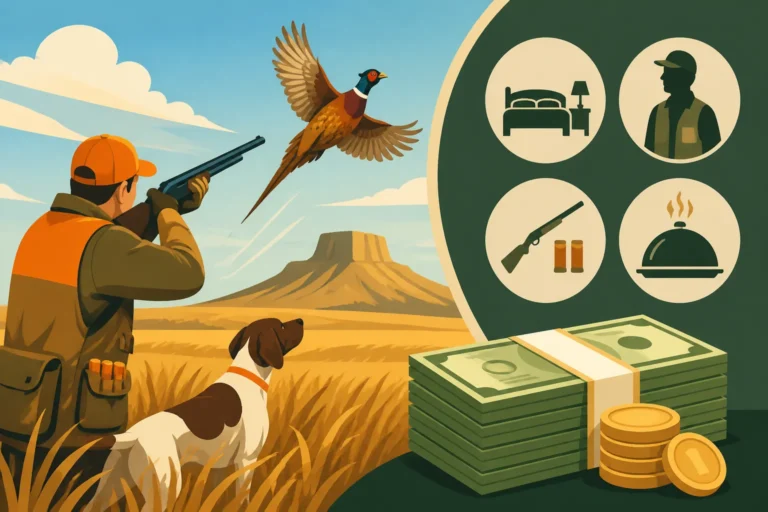
When you’re looking at guided fall turkey hunts, the first thing you'll notice is that "average cost" can be a pretty broad spectrum. This is largely because what’s included in a basic day rate versus a multi-day package can differ wildly. Typically, a guided fall turkey hunt will cover the services of an experienced guide who knows the local turkey population, prime roosting areas, and effective calling techniques. They often provide transportation to and from the hunting grounds, and sometimes even within the hunting area, which is a huge plus if you're unfamiliar with the sprawling North Dakota landscape.
Beyond the guide's expertise and transportation, some outfitters might include meals and lodging, especially for multi-day trips. Imagine coming back from a successful morning hunt to a warm, home-cooked meal and a comfortable bed – that's a luxury many hunters appreciate. Others might offer just the guiding service, leaving you responsible for your own accommodations and food. Gear can also be a factor; while most hunters bring their own firearms or bows, some guides might provide decoys, blinds, or even calls, particularly if they have a specific setup that has proven successful. Always clarify these details upfront to avoid any surprises down the road. Understanding what an outfitter includes can significantly influence your overall hunting experience and the total investment.
Location, Location, Location: How Geography Affects Price
Just like real estate, location plays a massive role in the cost of a guided fall turkey hunt in North Dakota. The state offers diverse turkey habitats, from the rugged Badlands to the timbered river bottoms and agricultural fringes. Hunting in more remote or less accessible areas might command a higher price due to the increased logistical challenges for the outfitter. For instance, an outfitter operating deep within the Little Missouri National Grassland might have higher fuel and travel costs, which naturally get factored into their rates.
Certain regions also have distinct turkey populations or unique hunting opportunities that can influence pricing. Areas known for consistent success rates or larger flocks might have a premium. Additionally, if you're looking to hunt specific private land, the outfitter might have lease fees that impact your cost. The Standing Rock Nation, for example, offers separate turkey tags and hunting opportunities, and guides operating on or near tribal lands may have different fee structures due to unique agreements or access rules. The Standing Rock Nation's Separate Turkey Tags are a good example of how specific geographic or administrative areas can create distinct pricing tiers for guided hunts.
The Outfitter's Reputation and Experience
It's no secret that experience often comes at a price, and hunting guides are no exception. An outfitter with decades of experience, a long list of satisfied clients, and a reputation for consistently putting hunters on birds is likely to charge more than a newer guide just starting out. This isn't just about prestige; it's about proven knowledge, extensive scouting, and often, access to prime hunting properties. An established outfitter usually has spent years building relationships with landowners and understanding the subtle nuances of fall turkey behavior in their specific area.
Think about it: a seasoned guide knows exactly where the birds roost Roosting a Fall Gobbler the Night Before, how to call them in effectively Calling a Fall Gobbler Flock after a flock scatters, and can read the terrain like the back of their hand. They understand how weather patterns, agricultural practices, and hunting pressure affect turkey movement. This invaluable expertise can make the difference between a frustrating trip and a memorable, successful hunt. Newer guides might offer more competitive rates to build their clientele and reputation, which can be a great option for hunters on a tighter budget, but it might come with a slightly higher degree of uncertainty regarding consistency. Always balance cost with the assurance of a guide's track record.
Breaking Down the Average Costs and Potential Extras
Beyond the broad strokes, let's drill down into the nitty-gritty of what you can expect to pay for a guided fall turkey hunt and the additional expenses that often pop up. Being prepared for these costs is key to avoiding sticker shock and truly enjoying your North Dakota adventure.
Day Rates Versus Multi-Day Packages
The most common pricing structures you'll encounter are day rates and multi-day packages. A single-day guided fall turkey hunt in North Dakota might run significantly less per day than if you book a two or three-day package. However, a multi-day package often provides a better overall value, consolidating lodging, meals, and multiple hunting opportunities. For example, a single day hunt might involve an early morning start, a few hours of hunting, and then you're on your own for the rest of the day.
A multi-day package, on the other hand, gives you more time in the field, increasing your chances of success, especially if the weather changes or birds aren't cooperating on day one. It also allows for more strategic hunting, perhaps focusing on different properties or tactics depending on how the hunt unfolds. You might try Hunting the Standing Rock Fall Turkey Option one day, and then move to a different timber pocket the next. Most outfitters structure their pricing to incentivize longer bookings, recognizing that it takes time and effort to deliver a quality experience. When comparing options, look at the "per day" cost within a package versus a standalone day rate to truly understand where the value lies. This insight can really help you decide if you want to commit to a longer experience or just a quick outing.
Hidden Costs and Unexpected Expenses
Even with a comprehensive package, there are almost always "hidden" costs that aren't factored into the advertised price. These can significantly inflate your total expenditure if you're not aware of them. The biggest one for many guided hunts is tipping your guide. While not mandatory, it's customary to tip your guide for their hard work, effort, and successful outing. This can range from 15-20% of the hunt's cost, so factor that into your budget. Tipping a North Dakota Hunting Guide is a common practice, and understanding the etiquette helps.
Then there are license fees. You’ll need a North Dakota hunting license and specific turkey tags, which are additional costs that outfitters do not cover. North Dakota Fall Turkey License Availability varies, so check current regulations. Travel expenses, including gas for your vehicle, flights, or other transportation to get to North Dakota and the outfitter’s base camp, can add up quickly. Don't forget food and lodging if your package doesn't include them, or if you plan to arrive early or stay late. Processing your turkey after the hunt, whether you do it yourself or pay a local processor, is another expense. Finally, don't overlook incidental gear purchases, like extra ammunition, calls, or even new blaze orange if yours is worn out.
Comparing DIY to Guided: When Does a Guide Make Sense?
The decision between a do-it-yourself (DIY) fall turkey hunt and a guided experience often comes down to budget, experience, and available time. A DIY hunt will almost always be cheaper on paper, as you're cutting out the outfitter's fees and simply paying for licenses, travel, and personal gear. This option is fantastic for experienced turkey hunters who are familiar with North Dakota's terrain, have spent time scouting, or know landowners who grant access. If you enjoy the challenge of figuring it out on your own, a DIY hunt can be incredibly rewarding.
However, a guided hunt offers distinct advantages that can justify the cost, especially for out-of-state hunters or those new to North Dakota. The primary benefit is access to prime hunting ground and the invaluable knowledge of a local expert. A guide can save you countless hours of scouting and frustration, putting you directly into areas where birds are known to be. They navigate complex public land rules and private land permissions, which can be a huge hurdle. For example, while North Dakota has a lot of public land, finding specific, productive fall turkey spots can be challenging without local insight. If your time is limited, your experience with fall turkeys is minimal, or you're traveling a long distance, a guided hunt dramatically increases your chances of success and provides a far more streamlined, enjoyable experience.
How to Find and Vet a North Dakota Fall Turkey Outfitter
Once you’ve got a handle on the costs, the next step is finding the right outfitter. This isn't a decision to rush. A little due diligence here can save you a lot of headache and ensure you get the experience you're paying for.
Researching and Contacting Outfitters
The digital age has made researching outfitters much easier, but it still requires a keen eye. Start by looking for outfitters specifically advertising North Dakota fall turkey hunts. Websites are a good starting point, but don't stop there. Look for testimonials, photo galleries of successful hunts, and details about their services. Pay close attention to how transparent they are about what’s included in their packages. If an outfitter’s website is vague on pricing or inclusions, that's a red flag that requires further investigation.
Once you've identified a few potential candidates, reach out to them. Email is good for initial contact, but a phone call is essential. Speaking directly with the outfitter allows you to gauge their personality, ask specific questions, and get a better feel for their operation. Don't be shy about asking for references from past clients. A reputable outfitter will be happy to provide them, and talking to previous hunters is one of the best ways to get an unbiased perspective on their experience. You might even find reviews on hunting forums or social media groups dedicated to North Dakota hunting.
What Questions to Ask Before Booking
When you're on the phone with a potential outfitter, have a list of detailed questions ready. This is where you clarify all those "included" and "excluded" items. Start with the basics: What exactly is included in the "Average Cost of a Guided Fall Turkey Hunt"? Does that cover lodging, meals, and transportation during the hunt? What about field dressing your bird? Ask about their success rates for fall turkey, and what they consider a "successful" hunt. Is it just seeing birds, or is it getting a shot opportunity?
Probe into the specific hunting methods they use for fall turkeys. Do they primarily use calling and decoys, or do they also focus on still-hunting or patterning flocks? Calling a Fall Gobbler Flock is a common fall tactic, but how do they employ it? Inquire about the typical size of hunting groups, the guide-to-hunter ratio, and how many guides will be working with you. Ask about their cancellation policy, especially regarding weather or unforeseen circumstances. Finally, make sure you understand the total cost, including any deposits, payment schedules, and what forms of payment they accept. You can find more comprehensive questions in our guide on Questions to Ask a North Dakota Outfitter.
Leveraging Platforms Like BookYourHunt and GoHunt
In today's hunting world, platforms like BookYourHunt and GoHunt have emerged as incredibly useful resources for finding and vetting outfitters. These sites act as directories and sometimes booking agents, allowing you to browse numerous outfitters in one place, filter by species, location, and even price range. BookYourHunt, for instance, often features detailed descriptions of hunts, including what's included, typical costs, and client reviews. This can be a huge time-saver compared to searching individual outfitter websites.
GoHunt offers similar resources, often with detailed information about hunting units, drawing odds, and a robust network of community and outfitter listings. While these platforms streamline the initial search, remember that they are still a starting point. Always follow up with direct communication with the outfitter. Use the information gleaned from BookYourHunt or GoHunt to formulate your specific questions, and cross-reference reviews from various sources. These platforms can connect you with reputable operations and provide valuable insights before you commit to a specific guide.
Maximizing Your Value and Preparing for Your Hunt
Booking a guided hunt is an investment, and like any investment, you want to get the most out of it. There are strategies to potentially reduce costs or enhance your experience, as well as crucial preparations you need to make before you even step foot in North Dakota.
Off-Season Booking and Group Discounts
One of the easiest ways to potentially save money on a guided fall turkey hunt is to book during the off-season. Many outfitters offer early bird discounts or better rates for bookings made months in advance. This gives them a clearer picture of their schedule and allows them to plan more efficiently, a benefit they sometimes pass on to you. Don't wait until August to book for an October hunt if you can help it!
Another excellent strategy is to organize a group hunt. Many outfitters provide discounts for multiple hunters, as it allows them to maximize their time and resources. If you have a few hunting buddies, combining forces can lead to significant savings per person. This not only makes the hunt more affordable but also often enhances the experience, as sharing the adventure with friends creates lasting memories. Always inquire about group rates when contacting outfitters.
Physical Preparation and Gear for a North Dakota Fall Turkey Hunt
North Dakota's fall turkey hunting can be physically demanding, especially if you're Hunting the Standing Rock Fall Turkey Option which can involve covering considerable ground in varying terrain. Even in timbered river bottoms, walking through thick brush or across fields can be tiring. Don't underestimate the physical aspect; being in reasonable shape will allow you to enjoy the hunt more and keep up with your guide. Stamina can be crucial for extended stalks or navigating hilly areas.
Beyond physical fitness, having the right gear is non-negotiable. This includes appropriate clothing layers for fluctuating fall temperatures, comfortable and broken-in hunting boots, and good quality rain gear. You'll need your firearm or bow, ammunition or arrows, calls, decoys (unless provided by the guide), a comfortable seat or pad for sitting, and a reliable backpack. Don’t forget essentials like a first-aid kit, compass or GPS, headlamp, and plenty of water and snacks. Make sure your shotgun is patterned and your bow is sighted in well before you arrive; you don't want to waste valuable hunting time at the range.
Understanding North Dakota's Fall Turkey Regulations
Before you even book a hunt, it's absolutely crucial to familiarize yourself with North Dakota's fall turkey hunting regulations. These laws are in place for a reason – to ensure sustainable turkey populations and safe hunting practices. Regulations cover everything from season dates and bag limits to legal shooting hours and permissible hunting methods. North Dakota Fall Turkey Season Rules can change, so always consult the latest guide from the North Dakota Game and Fish Department.
Pay particular attention to license requirements, especially if you're a nonresident. You'll need the appropriate base license and turkey tags. There are also specific rules about blaze orange requirements, even for turkey hunting, so make sure you have the correct amount displayed. North Dakota Hunter Education Requirements might apply to you or members of your group, so confirm this well in advance. Ignorance of the law is never an excuse, and a violation can quickly turn an exciting hunt into a costly and frustrating experience. Being well-versed in the rules shows respect for the game, the land, and your guide.
| Factor | Typical Impact on Cost (per hunter, per day) | Notes |
|---|---|---|
| Guide Service (Basic) | Moderate to High | Covers guide's time, expertise, and knowledge of turkey patterns and locations. |
| Lodging (Included) | Adds to Base Rate | Often included in multi-day packages; can be basic camp or full lodge. |
| Meals (Included) | Adds to Base Rate | Provided with full-service packages; can significantly add to convenience. |
| Transportation (During Hunt) | Often Included in Guide Service | Travel to/from hunting spots; off-road vehicle use. |
| Gear/Decoys Provided | Small or No Extra Cost | Some guides provide specialty gear like calls or blinds. |
| Private Land Access | Adds to Base Rate (Outfitter's Lease Fees) | Higher quality land often means higher costs. |
| Tips for Guide/Staff | 15-20% of Hunt Cost (Approximate) | Customary and expected; budget accordingly. |
| Licenses/Permits | Varies (State-specific fees) | Always an extra cost; check NDGFD for current prices. |
| Travel to North Dakota | Highly Variable | Flights, gas, hotels en route – dependent on origin. |
| Meat Processing/Taxidermy | Extra Cost (Variable by Service) | Field dressing often included; further processing is usually extra. |
| Alcohol/Personal Snacks | Extra Cost (Personal) | Not typically included in packages. |
| Off-Season Booking Discounts | Potential Savings (5-15%) | Book several months in advance to inquire. |
| Group Discounts | Potential Savings (10-20% per person) | Booking with 2+ hunters can reduce individual costs. |
Disclaimer
This article is for general informational purposes only and does not constitute professional advice. Laws, prices and regulations vary by location and change over time. Consult a qualified professional for guidance on your specific situation.