Average Cost of a Guided Goose Hunt
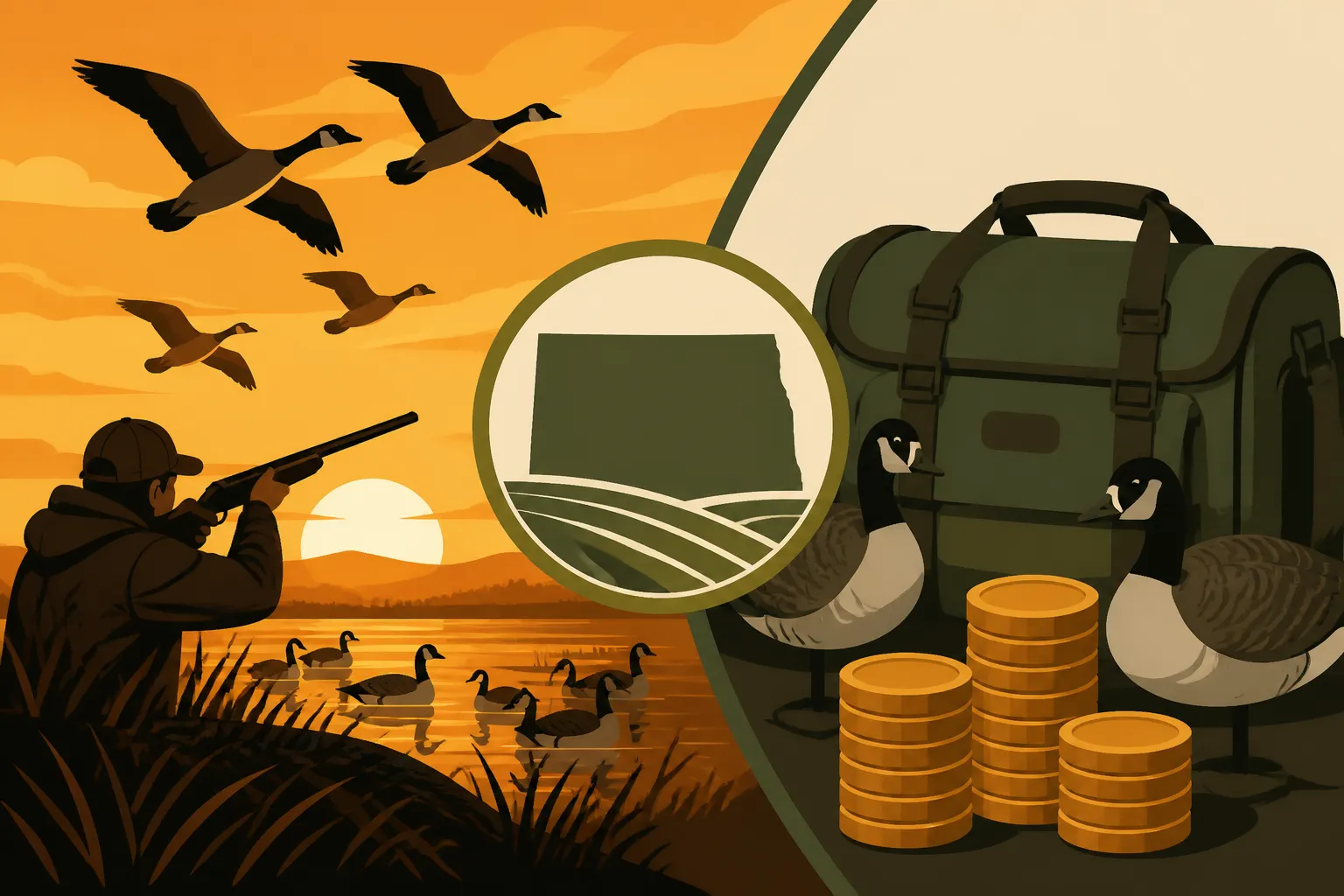
The dream of a North Dakota goose hunt often comes with a bit of a financial question mark attached: what's this going to set me back? It’s a completely valid concern, as hunters want to ensure they're budgeting appropriately for an experience that, done right, can be truly unforgettable. This guide is here to break down the average costs associated with booking a guided goose hunt in North Dakota, exploring the many factors that influence the price tag and helping you understand what you’re paying for.
Understanding the Factors That Influence Guided Goose Hunt Costs
When you start looking into guided goose hunts in North Dakota, you'll quickly notice that prices aren't a flat rate. There's a wide range, and it can feel a bit overwhelming trying to figure out why some hunts cost more than others. Think of it like booking a vacation – a quick weekend getaway to a small town is going to differ wildly in price from a week-long luxury cruise. The same principles apply here, and understanding these influencing factors is key to setting your expectations and finding the right hunt for your budget.
Duration of the Hunt
One of the most obvious factors impacting the price is simply how long you plan to be out there. Are you looking for a single morning or afternoon hunt, or do you want to immerse yourself in the experience for several days?
A single-day hunt is often the most economical option. This typically involves meeting your guide before sunrise, heading out to a pre-scouted field or pothole, setting up decoys, and hunting through the morning flight. Once the birds quit flying or you hit your limits, you're usually done. This can be perfect for those who are local or just passing through, or for hunters who want to sample a guided experience without a huge commitment. However, it only gives you one shot at the action, and if the weather turns or the birds aren't cooperating on that specific day, you might leave feeling a little short-changed. It's a gamble, but a more affordable one.
Multi-day packages, on the other hand, spread the risk and often provide a more comprehensive experience. These hunts usually range from two to five days, sometimes even longer, and often include lodging, meals, and multiple hunts per day (morning and sometimes an afternoon duck or snow goose hunt if regulations allow). Guides often offer a slight discount on a per-day basis for these longer bookings, as it guarantees them a block of your time. This consistency allows for better adaptation to changing weather patterns or bird movements, increasing your chances of success. It also means you get to experience the camaraderie of a hunting camp, the thrill of multiple setups, and the satisfaction of really settling into the rhythm of the prairie.
Inclusions in the Package
What exactly comes with your guided hunt is a huge differentiator in cost. Some guides offer a bare-bones service, providing just the guide, decoys, and calling, expecting you to handle everything else. Others roll out the red carpet with all-inclusive packages.
A basic guided hunt often covers the guide's expertise, the use of their extensive decoy spread (which can be a massive investment for a good outfitter), layout blinds or pit blinds, and their calling prowess. You'll typically be responsible for your own transportation to the meeting spot, your shotgun, ammunition, warm clothes, waders if needed, and all your food and drink. This option appeals to independent hunters who enjoy handling their own logistics and prefer to keep costs down. It’s also often chosen by those who might be staying with friends or family in the area.
All-inclusive packages, conversely, remove much of the logistical headache. These often include comfortable lodging at a dedicated hunting lodge, hearty meals (sometimes even packed lunches for the field), transportation from the lodge to the hunting grounds, and sometimes even bird cleaning and freezing services. Some premium packages might even offer airport pickup, gun rentals, or guided tours of local attractions for non-hunting companions. While these packages come at a higher price point, they offer unparalleled convenience, allowing you to focus solely on the hunt and the experience. For non-residents flying in from out of state, the ease of not worrying about cooking, finding accommodation, or navigating unfamiliar roads can be well worth the extra investment. You might find listings for these types of packages on platforms like BookYourHunt.
Guide Experience and Reputation
Just like any other service, experience and reputation play a significant role in pricing. A guide who has been operating in North Dakota for decades, consistently puts hunters on birds, and has a roster of satisfied repeat clients can command a higher fee.
Veteran guides have an intimate knowledge of the local landscape, understanding subtle changes in bird migration patterns, preferred feeding areas, and how weather affects movement. They often have a vast network of landowner relationships, granting them access to prime private land that newer guides might not have. Their equipment is usually top-notch, from state-of-the-art decoys to comfortable blinds, and they know how to adapt quickly when conditions change. This level of expertise isn't just about finding birds; it's about maximizing the safety and enjoyment of the entire hunting party.
Newer guides, or those still building their reputation, might offer slightly lower rates to attract clients. This isn't necessarily a bad thing; many up-and-coming guides are incredibly passionate and work extra hard to prove themselves. However, it's essential to do your due diligence, check references, and ask specific questions about their experience in the area you plan to hunt. Websites like GoHunt can sometimes provide reviews or outfitter directories that help you gauge reputation. Ultimately, you're paying for expertise and the increased probability of a successful, enjoyable hunt.
Average Cost Ranges for Guided Goose Hunts
While specific prices are constantly fluctuating, we can certainly talk about general ranges you can expect when budgeting for a guided goose hunt in North Dakota. Keep in mind that these are averages, and you'll find outliers on both the high and low ends. The key is to understand what those varying price points typically deliver.
Day Hunts: What to Expect
For a single day of guided goose hunting, you can generally expect to pay in the range of a few hundred dollars per person. This is often the starting point for many outfitters.
- Lower End: Some guides might offer rates at the lower end of this spectrum, especially if they are newer, operating in an area with less pressure, or if the hunt is very basic (just guide and decoys). These might be perfect for hunters who want to bring their own lunch, have their own lodging arranged, and simply need the expertise and equipment to get on the birds. Always clarify what's included to avoid surprises.
- Mid-Range: Most established outfitters will fall into the mid-range for their day rates. This typically includes the guide, a full spread of decoys, layout blinds, and excellent calling. You'll likely be responsible for your own license, federal duck stamp, meals, and any bird processing beyond field dressing. These are solid options for hunters looking for a quality experience without the commitment of a multi-day package.
- Higher End: Some premium day hunts might push towards the upper end. These often involve smaller group sizes, exclusive access to specific high-traffic fields, or the guide might provide lunch or beverages in the field. They generally promise a more tailored and intensive experience, focusing on maximizing your opportunities during that single day.
It's crucial to confirm the maximum number of hunters in your party for a day hunt. Some guides prefer smaller, more intimate groups, which can sometimes influence the per-person cost. Additionally, consider the time of year; early season hunts might be priced slightly differently than late-season, deep-freeze goose hunts that require more specialized gear and scouting.
Multi-Day Packages: Value for Your Investment
Multi-day packages are where you often see significant variations, as they bundle together more services. These packages commonly run from two to five days and provide a more immersive experience.
| Package Duration | Typical Inclusions (May Vary) | Estimated Price Range (Per Person) |
|---|---|---|
| 2-Day Hunt | 2 guided hunts, 1 night lodging, some meals | Moderate to High |
| 3-Day Hunt | 3 guided hunts, 2 nights lodging, most meals | Mid-range to Premium |
| 4-5 Day Hunt | 4-5 guided hunts, 3-4 nights lodging, all meals, extras | Higher end, more comprehensive |
- What you're paying for: With multi-day packages, you’re not just paying for more time in the field; you’re paying for the convenience of lodging, the sustenance of meals, and often a more relaxed, less rushed overall trip. The guide has more time to adapt to bird movements, moving fields as needed, and ensuring you get quality shooting opportunities across different days. You might even find options for combo hunts, where you spend one day chasing geese and another pursuing pheasants or ducks. Combining a Pheasant and Waterfowl Package Hunt can be an attractive option for many.
- Lodging Quality: The type of lodging can greatly influence the price. A basic bunkhouse will be less expensive than a modern lodge with private rooms, ensuites, and amenities like a recreation room or hot tub. Some guides even offer hunting cabins that provide a more rustic, self-sufficient experience.
- Meal Service: Full meal service, including breakfast, lunch in the field, and dinner, will add to the cost, but it saves you the hassle and expense of grocery shopping and cooking. Some outfitters pride themselves on hearty, home-cooked meals, making the dining experience part of the overall adventure.
- Group Discounts: If you're booking with a larger group, say four or more hunters, some outfitters might offer a slight per-person discount on multi-day packages. It's always worth asking if you have a full party.
When comparing multi-day packages, read the "what's included" section very carefully. Some might include bird processing, while others might charge extra. Some might include shells, but most expect you to bring your own. Don't be shy about asking for a detailed breakdown from the outfitter.
Additional Costs to Consider
Booking a guided goose hunt isn't just about the outfitter's fee. There are several other expenses that can quickly add up, and it's essential to factor these into your overall budget to avoid any unwelcome surprises. Think of it as a comprehensive travel plan rather than just a single purchase.
Licenses and Stamps
This is a non-negotiable expense for any hunter. Before you even step foot in a blind, you'll need the proper North Dakota hunting licenses and federal stamps. For goose hunting, this typically includes:
- North Dakota Nonresident Small Game License: This is your base license that allows you to hunt small game, which includes geese. North Dakota Nonresident Small Game License Cost can vary, so check current regulations.
- North Dakota Migratory Bird Certification (HIP): This is a free registration that helps wildlife agencies track harvest data. You absolutely need it for migratory birds.
- Federal Duck Stamp: This is a physical stamp that you purchase separately. It's required for all waterfowl hunters 16 years of age and older. A significant portion of the revenue from federal duck stamps goes directly to conserving wetland habitats, so it's an investment in the future of waterfowl hunting.
- North Dakota General Game and Habitat License: This might be a prerequisite for other licenses or permits depending on specific regulations. North Dakota General Game and Habitat License Cost is another item to factor in.
Remember that North Dakota has a North Dakota's New Nonresident Waterfowl Rule and specific North Dakota's Zone-Restricted Waterfowl License requirements. It’s crucial to understand these if you’re a nonresident, as they impact when and where you can hunt public lands. Most guided hunts operate on private land, but being informed is always best. Always purchase your licenses well in advance and keep them accessible (physically or digitally) while hunting.
Ammunition and Gear
You can't hunt geese without a shotgun and plenty of shells! While some high-end outfitters might offer shells as part of an exclusive package, it's generally expected that you'll bring your own.
- Ammunition: Geese are tough birds, and you'll want quality non-toxic shot (steel, bismuth, tungsten alloy) in larger sizes (like BB, 1, 2) for effective kills. Ammunition can be expensive, especially specialty non-toxic loads. Factor in several boxes per hunter, particularly if you're on a multi-day trip. Running out of shells in the middle of a hot shoot is a frustrating experience you want to avoid.
- Clothing: North Dakota weather is famously unpredictable. You'll need layers – plenty of them. Good quality, warm, waterproof, and windproof outer layers are essential. Insulated boots, warm gloves, a hat, and face mask are also critical. Being miserable due to the cold will quickly dampen the best hunting experience.
- Other Gear: Don't forget waders if you might be hunting water, a blind bag for your essentials, and eye and ear protection. If you're staying in self-catering lodging, you might need to bring your own towels, toiletries, and cooking supplies.
Travel Expenses
Unless you're a local, you'll have to consider how you're getting to North Dakota and getting around once you're there.
- Transportation to North Dakota: This includes airfare if you're flying, or fuel costs if you're driving. Factor in potential baggage fees for firearms if flying.
- Local Transportation: If your guided package doesn't include transportation from a local airport or between your lodging and the hunt site, you'll need a rental car or personal vehicle. North Dakota is a big state, and covering ground can be part of the experience.
- Food and Drink (if not included): Even with some meals provided, you'll likely want snacks, drinks for the field, or additional meals if you arrive early or stay late.
- Tips for Your Guide: It's customary to tip your guide for a job well done. This is a significant part of their income and a way to show appreciation for their hard work, scouting, calling, and effort. A common range for tipping is 15-20% of the hunt's cost, often given in cash at the end of the trip. Standard Tip for a Waterfowl Guide can help you determine an appropriate amount.
Bird Processing and Shipping
After a successful hunt, you'll have birds to process and transport.
- Bird Cleaning: Some outfitters offer bird cleaning as part of their package or for an additional fee. If not, you'll be responsible for cleaning your own birds, which can be time-consuming after a long day in the field.
- Cooling and Freezing: You'll need a way to keep your birds cool. Large coolers with plenty of ice are essential. If you're on a multi-day hunt, having access to a freezer at your lodge is a huge plus.
- Shipping: If you're flying home with a large number of birds, you'll need to understand airline regulations for transporting game meat and potential shipping costs. It often involves sturdy coolers, dry ice, and specific labeling. This can be an unexpected cost, so research it thoroughly before your trip.
By carefully considering all these potential expenses, you can create a realistic budget for your North Dakota guided goose hunt and truly enjoy the experience without financial stress.
Finding and Vetting a North Dakota Goose Hunting Outfitter
Once you've got a handle on the potential costs, the next crucial step is finding and vetting a reputable outfitter. North Dakota has many excellent guides, but doing your homework can save you a lot of headache and ensure you get the experience you're paying for.
Where to Look for Outfitters
The first step is knowing where to begin your search. There are several avenues to explore when looking for guided goose hunts in North Dakota.
- Online Directories and Booking Sites: Websites like
BookYourHuntare fantastic resources, acting as central hubs where you can browse numerous outfitters, compare packages, read reviews, and often book directly. These platforms allow you to filter by species, location, and even price range, making the initial search much more efficient.GoHuntis another great resource for finding reputable guides and understanding different hunt opportunities. - Outfitter Websites: Many established North Dakota outfitters have their own dedicated websites. These sites often provide detailed information about their specific hunts, available dates, pricing, inclusions, and photo galleries of past successful hunts. Be sure to explore their testimonials section.
- Hunting Forums and Social Media Groups: Online hunting communities, particularly those focused on North Dakota or waterfowl hunting, can be a goldmine of information. You can ask for recommendations, read firsthand accounts, and even connect directly with guides or past clients. Just be mindful that information here can be subjective, so always cross-reference.
- Word-of-Mouth Referrals: Perhaps the oldest and most trusted method! If you know other hunters who have had positive experiences with a North Dakota goose guide, their recommendation is incredibly valuable. They can often provide insights that you won't find in an online brochure.
Questions to Ask Before Booking
Once you've narrowed down a few potential outfitters, it's time to start asking detailed questions. Don't be afraid to be thorough; a good outfitter will appreciate your diligence.
- What is the total price per person, and what exactly is included? Be specific about lodging, meals, bird cleaning, transportation, and any potential hidden fees.
- What is the typical group size for your hunts? Knowing how many other hunters you'll be sharing the blind with can impact your experience.
- How much land do you have access to, and is it primarily private or public? Access to diverse, well-managed land is key to consistent success.
- What is your experience level and how long have you been guiding in this specific area? As mentioned, experience matters.
- What is your cancellation and refund policy? Understand what happens if you need to cancel, or if the guide has to cancel due to unforeseen circumstances (like extreme weather).
- Do you use a dog, and are hunters allowed to bring their own? If you have a retriever, this might be an important consideration.
- Can you provide references from past clients? Speaking with former clients can give you an honest perspective on the outfitter's operation. Asking an Outfitter for Hunter References is a crucial step.
- What is the best time of year to hunt geese with you? Depending on the species (Canadas, snows) and your preferences, different times of the season offer different opportunities. North Dakota Goose Season Dates can help you align your trip.
- What kind of shotgun and ammunition do you recommend? A good guide will have valuable input here.
- What licenses and stamps do I need, and where can I purchase them? While you should already know this, it's a good way to gauge an outfitter's helpfulness.
Red Flags and Warning Signs
While most North Dakota outfitters are professional and ethical, it's wise to be aware of potential red flags that could indicate a less-than-ideal experience.
- Vague answers or unwillingness to provide details: If an outfitter is evasive about pricing, inclusions, or their operation, that's a warning sign.
- Unrealistic guarantees: No ethical guide can guarantee limits every day. Hunting is hunting; there are too many variables. Be wary of promises that sound too good to be true.
- Lack of licensing or insurance: Ensure your outfitter is properly licensed and insured. North Dakota Outfitter License Requirements are in place for a reason.
- Poor communication: If it's difficult to get a response or clear answers before booking, imagine how communication will be once you've paid a deposit.
- Demanding full payment upfront with no clear cancellation policy: While a deposit is standard, be cautious of demands for full payment far in advance without a reasonable refund policy.
- Negative or consistently mediocre reviews: While everyone has an off day, a pattern of negative feedback online should give you pause. Comparing North Dakota Outfitter Reviews can illuminate these patterns.
- Overcrowded hunts: While some outfitters take larger groups, be wary if they seem to be packing too many hunters into a single spread, which can diminish the quality of the experience.
By being thorough in your research and asking the right questions, you can significantly increase your chances of booking a fantastic guided goose hunt in North Dakota, leading to memories that will last a lifetime.
Disclaimer
This article is for general informational purposes only and does not constitute professional advice. Laws, prices and regulations vary by location and change over time. Consult a qualified professional for guidance on your specific situation.