What Success Rates Actually Mean for Pheasant
There's a special kind of magic that draws hunters to North Dakota for pheasants, a vision of roosters bursting from cover, dogs working hard, and limits quickly filled. But when you start looking at outfitters and their "success rates," it can feel like you're trying to decode a secret language, leading to confusion about what you can truly expect. It's easy to get caught up in the numbers and forget that hunting is about so much more than just a tally. This guide is here to pull back the curtain, helping you understand what those pheasant hunting success rates really mean so you can set realistic expectations and plan an incredible hunt.
The Illusion of "Guaranteed" Birds: Understanding Pheasant Hunting Variables
It's natural to want to know what your chances are when you're investing time and money into a hunting trip. Outfitters know this, and they'll often highlight impressive "success rates." However, the term "success" can be pretty subjective in hunting, and what an outfitter means by it might not perfectly align with your own picture of a full cooler. North Dakota, with its vast wild pheasant populations, offers an authentic experience, but that also comes with the inherent unpredictability of nature.
Beyond the Bag Limit: Defining "Success" in Pheasant Hunting
For many hunters, especially those new to the sport or coming from areas with limited pheasant hunting, "success" often equates directly to filling the daily bag limit. The thought of bringing home a cooler full of pheasants is incredibly enticing, and it's a perfectly valid goal. However, if that's your only measure of success, you might find yourself feeling let down, even after a truly fantastic day in the field.
Think about it: you spend a crisp autumn morning walking through prime cover, watching a well-trained pointer lock up on a rooster, the dog's tail quivering with anticipation. The bird explodes from the grass with a cackle, your shot connects, and the dog makes a perfect retrieve. You might only get a couple of those opportunities in a day, but the memory of that single interaction, the camaraderie with your hunting partners, the challenging walk through thick cattails, or simply being immersed in the stunning prairie landscape—those moments are often the most cherished. An outfitter might consider a hunt "successful" if they put you on birds and presented multiple shooting opportunities, even if not every shot resulted in a bird in the vest. They're often measuring the quality of the experience and the opportunity provided, not just the final tally.
The Unpredictable Factors: Weather, Habitat, and Wild Birds
Unlike some hunting experiences that involve put-and-take birds on small preserves, North Dakota pheasant hunting is overwhelmingly focused on wild birds across expansive landscapes. This means the hunt is deeply intertwined with natural variables that no outfitter can fully control.
Consider the weather: a sudden blizzard can push birds into incredibly dense thermal cover, making them nearly impossible to flush. High winds can make birds skittish and prone to running far ahead of dogs, or make shooting accurately a real challenge. Conversely, a perfect overcast day with a light breeze can be ideal, but those days aren't guaranteed. Then there's the habitat. North Dakota's agricultural landscape changes constantly. Fields that were standing corn in September might be cut to stubble by November, completely altering bird patterns. Changes in federal programs like CRP (Conservation Reserve Program) can also shift where birds concentrate year to year. For example, knowing the North Dakota Pheasant Population Estimate helps set a baseline, but local conditions, influenced by factors like Winter Survival and North Dakota Pheasant Numbers, are equally critical. A hard winter can drastically reduce local populations, impacting hunting even in prime areas. An outfitter might have access to fantastic habitat, but if Mother Nature has thrown a curveball, even the best ground can be tough.
How Outfitters Calculate and Present "Success Rates"
When an outfitter posts a "success rate" on their website or tells you about it over the phone, it's crucial to understand what metrics they're actually using. It's rarely a straightforward calculation of "X number of birds per hunter." Often, these numbers are nuanced and reflect different aspects of the hunting experience.
Interpreting "Opportunity Rates" vs. "Harvest Rates"
Many North Dakota pheasant outfitters, especially those that pride themselves on fair-chase hunting, will often talk about "opportunity rates" rather than strictly "harvest rates." An opportunity rate refers to the number of legitimate shooting chances presented to a hunter or group throughout the day. This means the guide and dogs successfully located birds, flushed them within shooting range, and the hunter had a chance to shoulder their shotgun and take a shot.
A "harvest rate," on the other hand, is the actual number of birds brought to hand. This distinction is absolutely critical. An outfitter might boast a "90% opportunity rate," meaning on nine out of ten flushes, hunters had a shot. However, if those hunters were having an off-day with their shooting, the actual harvest rate could be significantly lower. Conversely, an experienced, sharp-shooting group might convert almost every opportunity into a bird in the bag. The guide's job is to put you in front of the birds, but ultimately, the trigger pull and the skill of the hunter determine the harvest. This approach aligns with the ethos of Pheasant Hunting North Dakota's Prairie, where the experience of the hunt itself is paramount.
The Role of Hunter Skill and Effort in Actual Outcomes
Let's be honest, we all like to think we're crack shots and marathon walkers. But the reality on a North Dakota pheasant hunt can be a bit more humbling! Your personal skill and effort play an enormous role in converting opportunities into birds in the bag.
First, there's your physical fitness. Chasing pheasants across wide-open fields, pushing through dense cattails, or walking miles of CRP grass, especially during Walking a Pheasant Field at Midday, is physically demanding. If you're huffing and puffing, your shooting accuracy will suffer. Then there's shooting proficiency. You might be a great shot at the clay range, but wild pheasants bursting from cover are a different challenge entirely. Missed shots are part of the game for everyone, but they directly impact your personal harvest rate. If you bring your own dogs, their training and ability to work a field are also huge factors. A well-behaved, tenacious retriever, as detailed in Running a Pointer Through CRP Grass, can mean the difference between finding a downed bird and losing it in thick cover. If you're relying on the outfitter's dogs, listening to the guide's instructions is paramount to maximizing those dog's efforts. The collective effort of your hunting party, how effectively you block escape routes and work together to push cover, also greatly influences how many birds you flush and shoot.
The Impact of Pressure and Timing on Hunt Quality
Just like any wild game, pheasants respond to hunting pressure. Birds that have been hunted heavily become warier, run more, and flush farther out of range. The timing of your hunt within the season can therefore have a significant impact on your experience and the outfitter's "success rate."
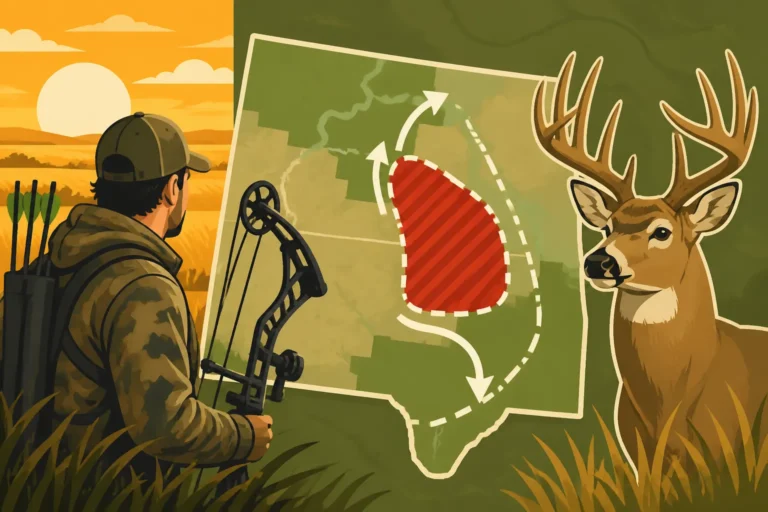
Early in the season, particularly right after the opener, birds might be a bit more naive and hold tighter. As the season progresses, especially after the initial rush of hunters, those birds become "educated." They learn to run, to use heavy cover effectively, and to flush when you're least expecting it. Outfitters typically adapt their tactics for the late season, often focusing on denser thermal cover, standing corn, or large sloughs, but it's a different hunt. Similarly, hunting on a busy weekend versus a quiet weekday can mean the difference between encountering undisturbed birds and those that have already been pushed around. Areas with easy public access, like some PLOTS tracts (Private Land Open To Sportsmen), can also see more Hunting Pressure on North Dakota Public Land and thus more wary birds. Reputable outfitters often have access to private ground that sees less pressure, but even then, wild birds are still wild birds.
| Factor | Impact on Success Rate (Opportunity/Harvest) | Hunter Control |
|---|---|---|
| Weather | Heavy snow/wind reduces opportunities; mild days increase them. | None |
| Habitat Quality | Good cover/food sources increase bird numbers and holding. | None (Outfitter) |
| Wild Bird Density | High populations mean more opportunities. | None |
| Hunter Shooting Skill | Directly impacts harvest rate from opportunities. | High |
| Hunter Physical Fitness | Impacts ability to cover ground and maintain shooting accuracy. | High |
| Dog Work (Guide's) | Excellent dogs find more birds and make better retrieves. | None (Outfitter) |
| Dog Work (Hunter's) | Your dog's training directly impacts finding, flushing, and retrieving. | High |
| Hunting Pressure | High pressure makes birds wary, run more, flush wild. | None (Timing) |
| Timing in Season | Early season often easier; late season requires more effort/skill. | Medium |
Asking the Right Questions to Vet a North Dakota Pheasant Outfitter
Given the nuances of "success rates," it's clear that simply asking an outfitter "What's your success rate?" isn't going to give you the full picture. You need to dig a little deeper and ask more insightful questions to truly understand what you're booking.
Beyond the Numbers: Getting Real Expectations
Instead of a generic question, reframe your inquiry to get to the heart of what you can realistically expect. It's about having an honest conversation. When reviewing potential outfitters on platforms like BookYourHunt, pay attention to the detailed descriptions and not just bold claims.
Consider asking:
- "On an average day, what's the typical number of birds a hunter in your groups actually puts in the vest?" This helps differentiate between opportunities and actual harvest.
- "How many shooting opportunities do your clients typically get in a half-day or full-day hunt?" This gives you a sense of how many flushes to expect.
- "What are the biggest factors that influence hunting success on your ground? Is it weather, bird numbers, or hunter skill?" Their answer will tell you a lot about their honesty and understanding of the wild bird hunt.
- "How do you define a 'successful' hunt for your clients?" This opens the door to understanding their philosophy and whether it aligns with yours.
- You might also want to look at resources like GoHunt, which, while perhaps not focused solely on pheasant outfitters, can offer broader insights into North Dakota hunting trends, regulations, and even general strategies that might inform your questions. Think about reviewing Questions to Ask a North Dakota Outfitter before making your calls.
Understanding the Logistics: Habitat, Dogs, and Group Size
The specifics of an outfitter's operation will tell you far more than any single "success rate" number. Their methods, access, and resources directly impact your hunt.
Inquire about the kind of habitat they primarily hunt. Do they focus on vast tracts of CRP, thick cattail sloughs, standing food plots, or maybe shelterbelts? Different habitats require different hunting styles and offer varying challenges. For example, a hunt focusing on Hunting a Shelterbelt Edge for Deer can be easily adapted for pheasants, but it's a different experience than walking open prairie. Ask about their dogs – how many do they run per group? What breeds? What's their experience level? Are you expected to bring your own dogs, and if so, what are the rules and expectations for them? Knowing What's Included in a Pheasant Package often covers dog provisions.
Also, clarify group size. How many hunters are typically in a group with one guide and dogs? Smaller groups often mean more personalized attention, better dog work, and potentially more opportunities per hunter. Finally, don't shy away from asking about contingency plans. What happens if the weather turns truly awful and the hunt is essentially a washout? Understanding their policy, such as outlined in What Happens If Weather Cancels Your Hunt, is crucial for managing expectations and protecting your investment.
Leveraging Reviews and References for a Realistic View
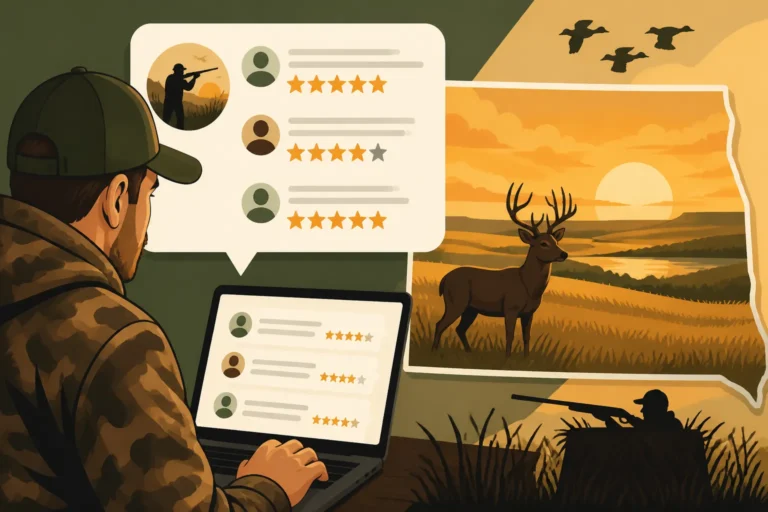
In today's connected world, one of the best ways to get a realistic picture of an outfitter's operation is through the experiences of past clients. Don't just rely on testimonials cherry-picked for an outfitter's own website.
Actively seek out independent reviews on platforms like BookYourHunt. Look for patterns in the feedback. Do multiple people mention the guides' enthusiasm, the quality of the dog work, or the abundance of flushes? Or do several reviews consistently complain about feeling rushed, lack of birds, or unfulfilled promises? Read beyond just the star ratings; the detailed comments often provide invaluable context. For example, a client might give a 4-star review but mention they only shot two birds, yet had an amazing time. That tells you "success" wasn't just about the limit for them.
Beyond online reviews, always ask the outfitter for a list of recent hunter references. And here's the kicker: actually call those references. When you do, don't just ask, "Did you have a good hunt?" Ask specific questions like, "What was the average number of birds your group harvested per day?" or "How many actual shooting chances did you get?" Inquire about the weather, the guide's demeanor, and how well the dogs performed. This proactive approach, as detailed in Asking an Outfitter for Hunter References, paired with broader research from sources like GoHunt for understanding hunting conditions, will give you a much clearer and more realistic understanding of what to expect than any single "success rate" number ever could. Reading Comparing North Dakota Outfitter Reviews can help you discern genuine feedback from exaggerated claims.
In the end, hunting North Dakota pheasants is an incredible experience that goes far beyond a simple tally. While understanding success rates is part of planning, remember that the true measure of a great hunt lies in the memories made, the hard work put in, and the beauty of the prairie itself. Go into your hunt with realistic expectations, and you'll come home with a full heart, whether your vest is completely full or not.
Disclaimer
This article is for general informational purposes only and does not constitute professional advice. Laws, prices and regulations vary by location and change over time. Consult a qualified professional for guidance on your specific situation.