North Dakota Buck Age Structure
North Dakota buck age structure distribution reveals deer herd health and helps hunters predict behavior and improve strategies.
Know what you’re after.
Big game, small game, upland birds, and waterfowl — identification, behavior, rut and migration timing, and how each species moves through the season.

North Dakota buck age structure distribution reveals deer herd health and helps hunters predict behavior and improve strategies.

The North Dakota whitetail deer rut peaks during the second and third weeks of November with intense chasing and breeding.
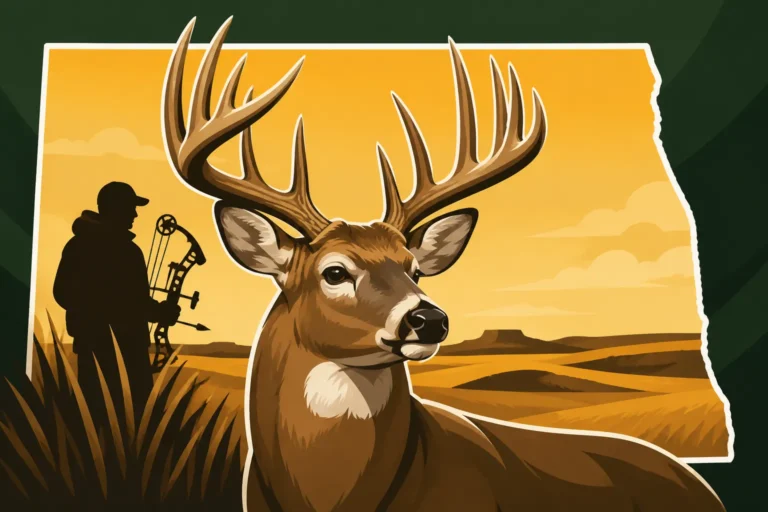
The North Dakota Deer Record Book tracks typical and non-typical whitetail and mule deer harvests using Boone and Crockett scoring methods.

North Dakota Boone and Crockett whitetails require a typical score of 170 net points or a non-typical score of 195 net points for record book entry.
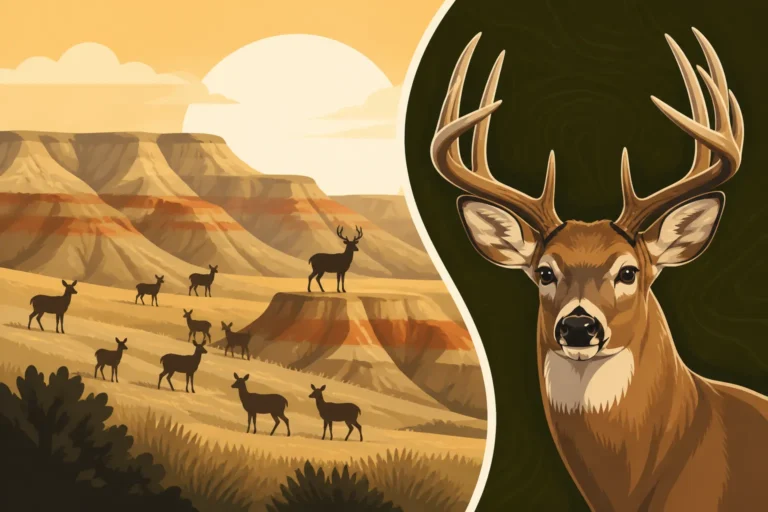
North Dakota Badlands deer density explains localized populations and survival factors influencing hunting success in rugged terrain.

North Dakota Badlands units produce large trophy deer through rugged terrain, limited human access, and protective habitat.
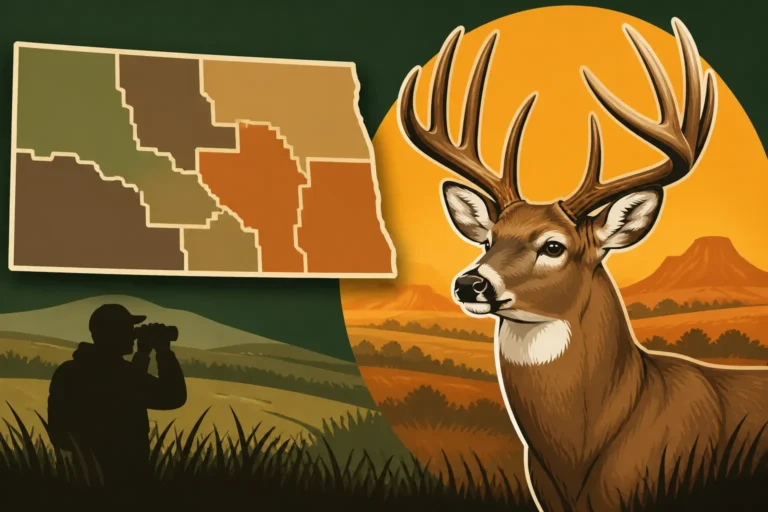
Specific North Dakota hunting units along the Missouri River corridor offering high trophy potential for big whitetails and mule deer.
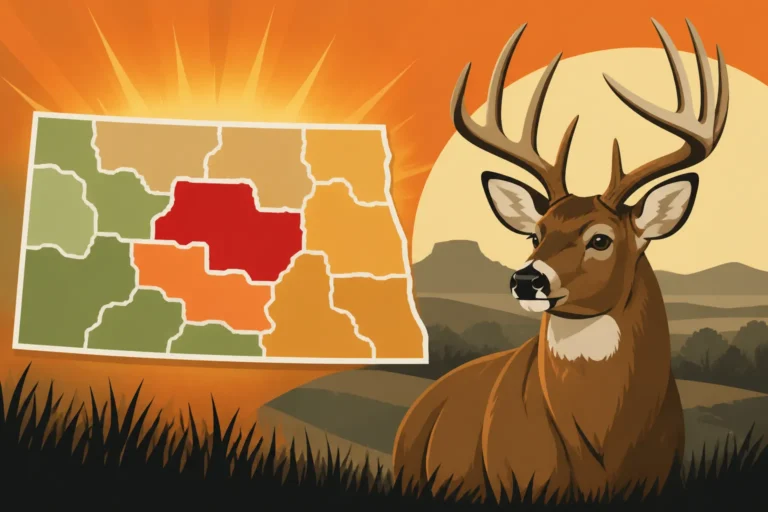
North Dakota deer harvest data analysis explains unit success rates, hunter density, and public land access for hunters.

North Dakota annual deer harvest reports provide data on population health, management decisions, and digital hunter reporting systems.
North Dakota deer herd size estimates and population management influence annual tag allocations and hunting opportunities.