North Dakota Boone and Crockett Whitetails
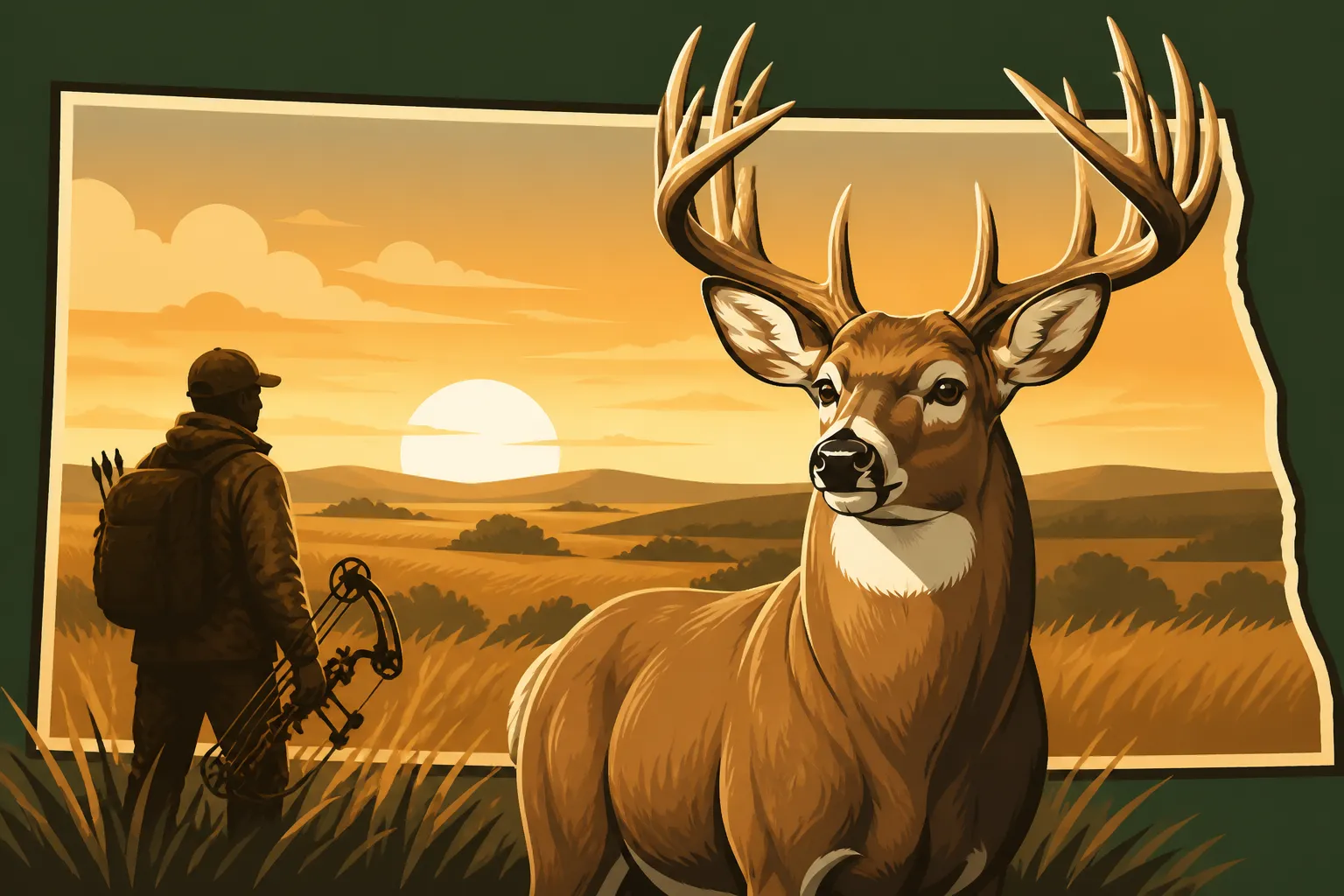
For many deer hunters, the ultimate dream isn't just to harvest a whitetail, but to take one that truly stands out – a magnificent animal that meets the rigorous standards of the Boone and Crockett Club. While North Dakota might be widely known for its phenomenal pheasant and waterfowl hunting, don't let that fool you into thinking it's not a serious contender for giant whitetails. This guide is dedicated to exploring the real potential for North Dakota Boone and Crockett whitetails, the factors that contribute to their growth, and how dedicated hunters can increase their odds of encountering one of these prairie giants.
Understanding the Boone and Crockett Standard for Whitetails
Before we dive into the specifics of North Dakota, it's essential to understand what exactly makes a whitetail deer qualify for the prestigious Boone and Crockett Club record book. This isn't just about a big rack; it's about a very specific set of measurements that reflect exceptional antler growth.
What Makes a Buck a B&C Whitetail?
The Boone and Crockett Club maintains two primary categories for whitetail deer: Typical and Non-Typical. The scoring system is meticulous, focusing on antler length, circumference at various points, spread, and the symmetry (or lack thereof) of the antlers. For a typical whitetail, symmetry is key; deductions are made for differences between corresponding points on each antler. A truly exceptional typical whitetail will have long, symmetrical main beams and tines, with impressive mass. The minimum entry score for a typical whitetail into the all-time Boone and Crockett record book is 170 net points. This isn't a score you stumble into; it represents years of careful management, optimal nutrition, and a buck reaching its genetic potential and full maturity. Many hunters spend a lifetime chasing such a deer, and coming close is often considered a huge accomplishment in itself.
Typical Versus Non-Typical Scores
The distinction between typical and non-typical is critical. While typical racks are scored based on their symmetry, non-typical racks embrace the irregularities and unique antler growth. Non-typical points are essentially abnormal points that don't match on both sides or grow in unusual directions. Instead of being deducted from the score, these abnormal points are added to the overall score, making them highly sought after by hunters who appreciate unique and massive antlers. The minimum entry score for a non-typical whitetail into the all-time Boone and Crockett record book is 195 net points. This category often produces some truly monstrous deer that defy conventional antler patterns. When you see a whitetail with drop tines, kickers, or multiple points sprouting from the main beam, you're looking at a potential non-typical giant. North Dakota has produced some incredible bucks in both categories, showcasing the state's capacity for growing world-class whitetails.
The Allure of the Record Book
Why does the record book hold such allure for hunters? It's more than just bragging rights. Earning a spot in the Boone and Crockett record book represents the pinnacle of ethical hunting and wildlife conservation. The club's mission is rooted in fair chase and sound wildlife management principles. A record-book animal is a testament to the health of the herd and the habitat it lives in. It signifies that a particular animal has lived long enough, found sufficient nutrition, and evaded predators and hunters long enough to reach its peak. For the hunter, it's the culmination of countless hours of scouting, preparation, perseverance, and often, a touch of luck. It’s about experiencing the wild, understanding the animal, and ultimately, a connection to something truly special.
Where North Dakota's Big Whitetails Come From
North Dakota might not have the same national reputation as some other big-buck states, but it quietly produces some truly incredible whitetails. The secret lies in a combination of factors unique to the Northern Plains.
Genetics and Nutrition
Like any region that produces trophy animals, North Dakota benefits from strong whitetail genetics. Over generations, the deer here have adapted to the climate and available forage, developing the genetic potential for impressive antler growth. However, genetics alone aren't enough. Nutrition is paramount. The fertile soils of North Dakota, coupled with extensive agricultural lands, provide an abundance of high-protein, energy-rich food sources. Fields of corn, soybeans, sunflowers, and alfalfa offer a veritable buffet for deer, especially during crucial antler-growing months in spring and summer, and as they pack on weight for winter. This consistent access to quality forage allows bucks to express their full genetic potential, leading to larger body sizes and, consequently, bigger antlers. A harsh winter can sometimes set back antler growth, but the inherent resilience and feed resources often help them bounce back.
Age Structure and Habitat
Another critical component for Boone and Crockett whitetails is age. Bucks need time to mature, often reaching their peak antler growth between 4.5 and 7.5 years old. North Dakota's hunting pressure, while sometimes locally intense, often allows a good number of bucks to reach these older age classes, especially in areas with larger tracts of private land or hard-to-access public areas. The diverse habitat across the state plays a huge role as well. From the river bottom timber along the Missouri River to the shelterbelts and slough edges of the prairie pothole region, and even the scattered pockets of timber in the Turtle Mountains, there's ample cover for deer to live and grow undisturbed. This provides crucial thermal cover in winter and escape cover from both predators and human disturbance. Understanding the North Dakota Deer Population Estimate and Deer Density by North Dakota Region can offer insights into where these mature deer might be concentrated.
Prime North Dakota Regions for Trophy Whitetails
While a record-book buck can theoretically come from anywhere in the state, certain regions tend to be more consistent producers. The river bottoms, particularly along the Missouri River corridor, are renowned for their mix of dense timber, agricultural fields, and limited access in some areas, which helps bucks reach maturity. Here, deer have excellent cover and abundant food. The eastern portion of the state, especially units with a good mix of farmland and wetland complexes, also produces substantial bucks due to the rich agricultural bounty. Don't overlook the more isolated areas with plenty of CRP (Conservation Reserve Program) ground and heavy cover, as these can be sanctuaries for older deer. Hunters often consult tools like GoHunt to analyze harvest data, tag availability, and public land access maps, which can highlight units with a history of larger bucks. For nonresidents, it's worth exploring the North Dakota's Lottery-Based Deer Gun Season and North Dakota Hunting Licenses and What They Cost to understand the process for securing a tag in these prime areas.
Key Strategies for Hunting North Dakota B&C Whitetails
Successfully hunting a record-book whitetail in North Dakota demands a deliberate approach, combining extensive scouting, understanding deer behavior, and adapting to the specific terrain.
Scouting for Giants
The old adage "you can't shoot a big buck where there isn't one" rings true. Extensive, year-round scouting is paramount. This goes beyond just a few trail cameras in October. It means boots-on-the-ground exploration in the off-season, identifying key bedding areas, travel corridors, and late-season food sources. Pay close attention to subtle sign: large tracks, big rubs, and well-used scrape lines. Aerial photos and topographical maps, especially with layers from services like GoHunt, can reveal hidden cover, pinch points, and unpressured areas, particularly on public land. Learning Reading a Missouri River Bottom for Deer or Hunting a Shelterbelt Edge for Deer can give you an edge in interpreting the landscape. During the summer, glassing from a distance can help identify specific bucks and their routines before season opener. Early morning and late evening observations during this period are invaluable for understanding where giants are living.
Hunting the Rut Effectively
The rut is often considered the best window of opportunity for encountering a trophy whitetail, as mature bucks become more active and less cautious in their pursuit of does. In North Dakota, When the North Dakota Rut Peaks typically falls in early to mid-November, coinciding perfectly with the state's North Dakota's November Gun Deer Season. This is when big bucks are most vulnerable, moving during daylight hours, checking doe groups, and responding to calling and rattling. Positioning yourself between bedding areas and traditional doe feeding or congregating zones can be highly effective. Understanding their travel patterns during this intense period is key. This might mean extended sits, enduring the cold prairie winds, and having the patience to wait for that one critical moment. Utilizing decoys, rattling antlers, and grunt calls can also be incredibly effective during this time, drawing in bucks that might otherwise remain unseen.
Leveraging Public and Private Land
North Dakota offers a mix of private land and various public access programs, including PLOTS (Private Land Open To Sportsmen) and federal lands like Waterfowl Production Areas. Access to quality land is often the biggest hurdle for nonresident and even some resident hunters.
Private Land: Gaining access to private land often provides the best opportunity for unpressured deer. Building relationships with landowners, offering to help with chores, or simply asking respectfully well in advance of the season can open doors. Some landowners might have properties that rarely see hunting pressure, acting as sanctuaries for older bucks.
Public Land: Don't dismiss public land. While it can be more challenging due to increased pressure, many hunters find success by working harder and smarter. Look for public parcels that are difficult to access, require a long walk, or are simply overlooked by others. Scouting PLOTS Land Before Season is crucial here. Use mapping apps from providers like GoHunt to identify remote corners, thick cover, or areas adjacent to private sanctuaries where deer might filter onto public ground. The less obvious the access, the higher your chances of finding an unpressured mature buck.
| Whitetail Category | Minimum Net Score (All-Time Book) | Key Scoring Principle | Typical Antler Characteristics | Non-Typical Antler Characteristics |
|---|---|---|---|---|
| Typical | 170 inches | Symmetry is paramount | Main beam, symmetrical tines (brow, G1, G2, etc.), good mass. | Abnormal points are deductions. |
| Non-Typical | 195 inches | Abnormal points are added | Main beam, typical tines, but with additional abnormal points. | Drop tines, kickers, irregular points added to overall score. |
Note: These are simplified descriptions. The actual Boone and Crockett scoring system involves many detailed measurements and calculations.
The Role of Persistence and Scouting in Success
Hunting a record-book whitetail is rarely a casual endeavor. It's a commitment that requires dedication, continuous learning, and an unwavering belief that the next big track could lead to the buck of a lifetime.
Year-Round Dedication
Achieving success with a Boone and Crockett whitetail, especially in a state like North Dakota, demands year-round dedication. This means more than just hunting during the season. It involves off-season scouting trips, analyzing past harvest data, understanding population trends, and constantly learning about deer behavior in your specific hunting areas. Shed hunting in late winter and early spring is an excellent way to gauge the presence and size of mature bucks in an area. This allows you to confirm if a specific buck made it through winter and gives you an idea of his antler growth potential. This dedicated effort throughout the year builds a comprehensive picture of the deer herd and increases your understanding of how and where to hunt them most effectively. Many hunters also spend time perfecting their woodsmanship, honing their shooting skills, and staying physically fit for the demands of the hunt.
Utilizing Technology for an Edge
Modern technology has revolutionized how hunters approach scouting and strategy, and it can be a massive advantage for targeting trophy whitetails. GPS mapping apps, like those provided by GoHunt or other popular platforms, offer invaluable tools for marking stand locations, identifying bedding areas, scouting new public lands, and understanding property boundaries. Using satellite imagery to identify subtle terrain features, forgotten trails, or dense cover that might hold a mature buck can save countless hours of walking. Trail cameras, especially cellular models, provide real-time intelligence on deer movement, allowing you to monitor activity patterns, identify specific bucks, and understand their routines without constant physical presence. Weather apps that provide wind direction and thermals are also critical, particularly when Hunting a Coulee Rim at Last Light or setting up on a field edge. Combining traditional scouting with these technological aids creates a powerful strategy.
Mental Fortitude and Patience
Hunting record-book whitetails, regardless of location, is as much a mental game as it is a physical one. You will experience setbacks: missed opportunities, deer that vanish, and long hours without seeing anything. North Dakota's weather can be notoriously unpredictable, with sudden cold snaps, blizzards, or high winds impacting deer movement and hunter comfort. The key is mental fortitude and an unwavering commitment to the process. You need to be prepared for the grind. Often, the hunter who sits one more hour, who makes one more check of a distant cover patch, or who quietly stalks Hunting the Standing Sunflowers for Deer and Geese just a little longer, is the one who eventually finds success. It’s about being present, observing, learning from every outing, and maintaining the belief that your hard work will pay off. When that truly magnificent buck finally steps into view, all the hours, effort, and cold mornings will be instantly validated.
Disclaimer
This article is for general informational purposes only and does not constitute professional advice. Laws, prices and regulations vary by location and change over time. Consult a qualified professional for guidance on your specific situation.