Which North Dakota Unit Kills the Most Deer
One of the most common questions I hear from fellow hunters, especially those new to North Dakota or looking to try a different area, is "Where's the best place to go?" It's a natural query, driven by the desire to maximize your chances of success and bring home some venison. It can be incredibly frustrating to spend countless hours scouting and hunting only to come up short, feeling like you picked the wrong unit. This guide will dive deep into understanding North Dakota's deer harvest data, helping you identify units that historically produce high deer harvests and understand the factors that contribute to that success, moving beyond just raw numbers to make a more informed decision for your next hunting adventure.
Understanding North Dakota Deer Harvest Data
When you're looking at where to hunt, it's easy to just jump to the harvest reports and pick the unit with the biggest number. But that's like judging a book solely by its cover – you're missing a whole lot of the story! North Dakota's deer harvest data is incredibly valuable, but it requires a careful eye and an understanding of the nuances behind those figures. Simply seeing a high number doesn't automatically guarantee your success; it's about interpreting what those numbers actually mean in the context of hunter pressure, habitat, and overall deer management.
The Nuances of Harvest Reports: What the Numbers Really Mean
The North Dakota Game and Fish Department provides detailed harvest reports each year, breaking down success rates, buck-to-doe ratios, and total deer harvested by unit. These reports are goldmines of information, but they need to be read with a critical eye. A unit might show a high total deer harvest, but is that because it has an incredibly dense deer population, or because it's a huge unit with many licenses allocated? Perhaps it's a popular unit with a lot of hunter participation, even if the individual success rate is moderate. For instance, a unit with a reported harvest of 800 deer might sound great, but if 2,000 hunters had tags there, the individual success rate is only 40%. Compare that to a unit with a 300-deer harvest from 500 hunters, which boasts a 60% success rate. The second scenario might offer a better chance for you as an individual hunter. It’s all about looking at the percentages, not just the raw counts. You'll often find a comprehensive breakdown in the annual North Dakota Deer Harvest Records.
You also have to consider the type of deer being harvested. Is the high number largely antlerless deer, indicating good population management and opportunity, or is it heavily skewed towards bucks, suggesting different hunting pressure or habitat types? Understanding these details helps you align your expectations with the unit's reality. If you're after an antlerless tag for meat, a unit with high overall harvest and a decent antlerless take rate is perfect. If a trophy buck is your goal, you'll want to dig into the buck-specific harvest data and success rates within those units.
Beyond Raw Numbers: Considering Hunter Density and Access
Another critical factor that often gets overlooked when simply scanning harvest data is hunter density. A unit might consistently top the charts for total deer harvested, but if it's also saturated with hunters, your personal hunting experience might be less than ideal. Imagine trying to still-hunt a quiet river bottom only to constantly bump into other orange-clad figures every hour. That's frustrating and impacts deer movement. High hunter density can push deer into less accessible areas, make them more nocturnal, and generally increase the challenge.
This is where understanding public land access comes into play. Units with a good mix of public land, such as PLOTS (Private Land Open To Sportsmen) acres, Waterfowl Production Areas, or National Grasslands, might distribute hunters more effectively, even if the total number of hunters is high. Conversely, a unit with very little public access, where most hunting occurs on limited private land, could mean that the harvest numbers come from a relatively small number of hunters with exclusive access, making it harder for the average hunter to replicate. Tools like GoHunt can be invaluable here, offering detailed maps that show public land boundaries and helping you visualize where you might encounter less pressure within a high-harvest unit. This helps you identify areas where you can Scouting PLOTS Land Before Season effectively.
The Impact of Habitat and Management Decisions
Deer harvest numbers are a direct reflection of deer populations, and populations are inextricably linked to habitat and management. A unit that consistently shows high harvest numbers likely has prime deer habitat – a good mix of food, water, and cover – to support a healthy and robust deer herd. This could be agricultural fields interspersed with heavy timber, vast tracts of mixed-grass prairie with adequate draws, or river bottoms offering sanctuary. For a deeper understanding of regional populations, look into Deer Density by North Dakota Region.
Furthermore, the North Dakota Game and Fish Department makes annual management decisions, like adjusting license allocations, which directly influence harvest potential. If a unit experiences a few mild winters and habitat conditions are excellent, they might issue more antlerless tags to manage the population, leading to a bump in overall harvest numbers. Conversely, a severe winter or a disease outbreak, such as in North Dakota's Expanding CWD Hunting Units, might lead to reduced tag allocations and, consequently, lower harvest numbers. Understanding these trends and the reasons behind them is crucial for long-term planning and choosing a unit that aligns with both your hunting style and the current health of the deer herd.
Identifying High-Harvest Deer Units
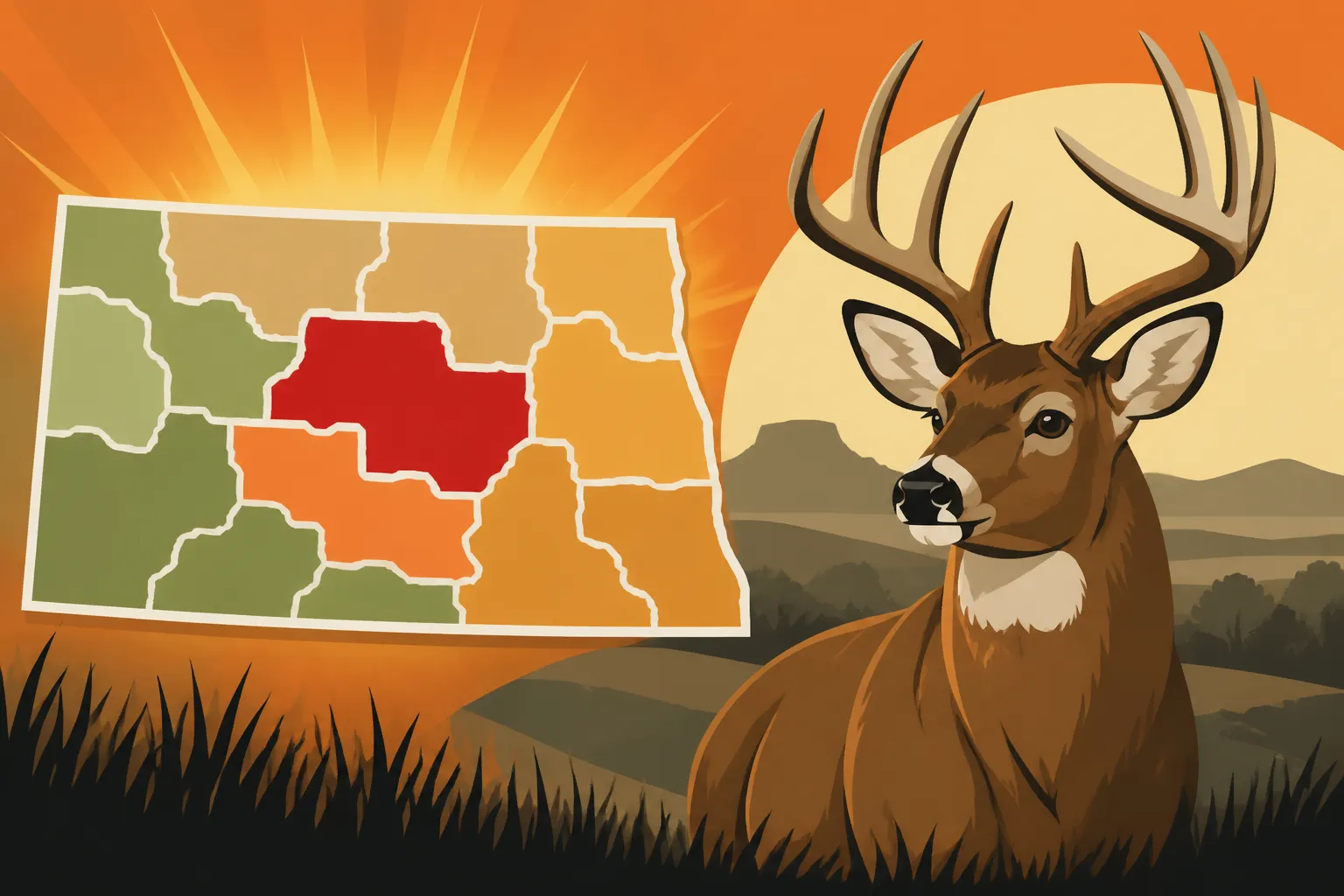
North Dakota offers a diverse landscape, and with that comes varying deer populations and harvest opportunities. While the exact "highest-killing" unit can fluctuate year to year due to weather, habitat changes, and license allocations, certain regions consistently rank high for overall deer harvest. These areas often share common characteristics: rich habitat, abundant food sources, and effective management strategies. Let's break down some of these prime locations and what makes them stand out.
Eastern River Bottoms and Agricultural Lands
When you look at the raw harvest numbers, some of the units along the major river systems in eastern North Dakota frequently appear at the top. The Missouri River corridor, in particular, is a perennial hotspot. This region offers an incredible mosaic of diverse habitat – vast agricultural fields providing abundant food, thick river bottom timber for cover and bedding, and a complex network of creeks and drainages. This combination creates an ideal environment for white-tailed deer, allowing populations to thrive. The North Dakota Deer Population Estimate often highlights the strength of these whitetail herds.
Units within the Missouri River drainage, and other major river systems like the James River, benefit from excellent winter cover, which is critical for deer survival during harsh North Dakota winters. The wooded river banks and associated wetlands provide crucial thermal cover and forage when the prairie is buried under snow. Hunters here often find success by focusing on transition areas between timbered river bottoms and agricultural fields, or by learning how to Reading a Missouri River Bottom for Deer for deer sign and movement patterns. Access can be a mix of private land and various public access points, including some state wildlife management areas. These areas also tend to have a higher density of hunters, so understanding how to navigate pressure is key.
Prairie Pothole Region's Hidden Gems
The Prairie Pothole Region, sprawling across central and eastern North Dakota, is famous for its waterfowl, but it's also a fantastic deer hunting area. While you might not find the same sheer volume of massive timber as along the Missouri River, this region's high density of small wetlands (potholes), interspersed with grasslands, CRP (Conservation Reserve Program) acres, and agricultural fields, creates exceptional "edge" habitat. Deer thrive in these diverse landscapes, using the dense cover around potholes, cattail sloughs, and shelterbelts for bedding and moving into adjacent fields to feed. For hunters looking to understand this habitat better, the guide to Hunting North Dakota's Prairie Pothole Region is a great resource.
Many units in the Prairie Pothole Region consistently show high harvest numbers for white-tailed deer, especially antlerless deer, due to strong populations and a focus on herd management through liberal tag offerings. These areas can be less obvious than the major river systems, requiring more detailed scouting to find those hidden pockets of cover. However, the reward can be substantial, with many opportunities on smaller, less pressured public tracts like Waterfowl Production Areas or PLOTS land. Success here often comes down to diligently working these smaller pieces of cover, using techniques like walking out shelterbelts or carefully glassing slough edges.
Western Badlands and Mule Deer Harvest
While the overall deer harvest numbers in the Badlands units might not always outpace the eastern river systems in sheer volume, these units are renowned for quality mule deer and a unique hunting experience. The Badlands habitat – rugged, broken terrain, deep coulees, and juniper thickets – supports a more dispersed but often trophy-caliber mule deer population, alongside a healthy contingent of whitetails in the river bottoms and draws. The Mule Deer in North Dakota's Badlands content piece dives deeper into this specific species. When considering overall deer harvest, it's important to remember that these units often have fewer tags allocated due to the nature of the terrain and species, but the success rates for those who draw can be quite high.
Units in southwestern North Dakota within the Badlands often rank highly for mule deer buck harvest. These are not units where you typically see incredibly high total deer numbers, but rather units that produce consistent success for hunters specifically targeting mule deer. The hunting here is physically demanding, often involving extensive glassing and spot-and-stalk tactics. Mule deer thrive in this rugged environment, utilizing the elevation changes and dense cover for escape and bedding. While total deer harvest might be lower than some eastern units, the quality of the hunting experience and the potential for a mature mule deer buck makes these units highly sought after.
Here's a quick comparison of general unit types and what they often offer:
| Unit Type | Primary Deer Species | Habitat Characteristics | Typical Harvest Volume | Hunter Density | Primary Hunting Style |
|---|---|---|---|---|---|
| Eastern River Bottoms | Whitetail | Heavy timber, agricultural fields, dense cover | High | High | Stand hunting, still-hunting, drives |
| Prairie Pothole Region | Whitetail | Wetlands, grasslands, CRP, shelterbelts, agriculture | High (especially antlerless) | Moderate-High | Spot-and-stalk, still-hunting, walking cover |
| Western Badlands (Mule Deer) | Mule Deer (also Whitetail) | Rugged terrain, coulees, juniper, open grasslands | Moderate | Moderate | Glassing, spot-and-stalk, physically demanding |
| Western Badlands (Whitetail) | Whitetail | River breaks, agricultural pockets, draws | Moderate-High | Moderate | Stand hunting, still-hunting in draws, glassing |
Factors Influencing Your Personal Success
So, you’ve done your homework, poured over the harvest reports, and identified some promising units. That’s a fantastic start! But here’s the thing: deer hunting is never a guarantee. The harvest numbers are a historical snapshot, a guide, but they don't hunt for you. Your personal success in any North Dakota unit, even those with high deer harvests, boils down to a combination of strategy, preparation, and adaptability. It's about bringing your "A" game and understanding that the statistics are just one piece of the puzzle.
Hunting Pressure and Timing
Even in units known for high deer numbers, hunting pressure can significantly impact deer behavior and your chances of success. North Dakota's gun season, in particular, concentrates a lot of hunters into a relatively short period, often starting with the North Dakota Gun Season Opening Day and lasting just over two weeks. Deer that were visible and predictable during archery season can become incredibly wary, often moving mostly at night or holding tight in the thickest cover they can find. The first few days of any major season often see the highest pressure, as everyone rushes out.
If you’re hunting a popular unit, consider timing your hunt strategically. Often, the mid-week days or later in the season, after the initial rush has subsided, can offer a more relaxed hunting experience and more predictable deer movement. Deer might start to settle back into a routine as pressure lessons, making them more susceptible to traditional hunting methods. Pay attention to specific regulations as well; nonresidents might have different access windows to public lands, such as during How Many Days Nonresidents Wait for Public Land Bow Access, which further influences pressure. If you can hunt after a significant weather event, like a fresh snow, deer might be more active feeding, and tracks become a powerful tool for Tracking a Deer in Fresh Prairie Snow.
Scouting and Adaptability
You can look at all the maps and harvest data in the world, but there's no substitute for boots-on-the-ground scouting. Pre-season scouting allows you to identify fresh sign, pinpoint bedding areas, locate travel corridors, and find those often-overlooked pockets where deer feel safe, even in heavily hunted units. This is especially true for public access areas, like PLOTS lands, where understanding the terrain and recent deer activity is paramount. Tools like GoHunt's mapping features can help you remotely scout by identifying potential pinch points, food sources, and bedding areas using satellite imagery and topographic maps, giving you a head start before you even step foot in the field.
However, scouting shouldn't end when the season begins. Deer are constantly adapting to food availability, weather patterns, and hunter pressure. A productive stand location early in the season might be dead silent later on. Being adaptable means having multiple spots scouted, being willing to move, and reading the current conditions. If deer are suddenly disappearing from open fields, they might be shifting to Late-Season Food Sources for North Dakota Whitetails or seeking cover due to increased pressure. Don't be afraid to change your tactics, whether that's shifting from a morning sit to an evening hunt, or abandoning a blind for a still-hunt. North Dakota weather is famously unpredictable, and deer movement can change drastically with a cold front or a snowstorm.
License Type and Opportunity
Finally, your personal success is heavily influenced by the type of license you hold and the specific opportunities it provides. North Dakota's deer lottery system means that not everyone gets the tag they initially hoped for. You might end up with an antlerless tag in a unit where you wanted a buck tag, or vice versa. Understanding the implications of your specific license is key. For instance, an antlerless tag in a high-harvest unit means you have an excellent chance of filling your freezer, even if it's not the trophy hunt you envisioned.
Additionally, some units might have "any deer" tags, offering the flexibility to harvest either a buck or a doe, while others are strictly antlered or antlerless. This directly impacts your options in the field. If you're hunting an "any deer" unit, you might prioritize a buck if the opportunity arises, but still have the option to take a doe if a buck proves elusive. Be sure to review your specific license details and the North Dakota Deer License Refund Policy if your plans change. Always remember to check all regulations regarding blaze orange requirements, legal weapons during North Dakota gun season, and any reporting requirements for your specific tag to ensure a smooth and successful hunt.
Disclaimer
This article is for general informational purposes only and does not constitute professional advice. Laws, prices and regulations vary by location and change over time. Consult a qualified professional for guidance on your specific situation.