North Dakota Deer Camp Traditions
North Dakota deer camp traditions include generational connections, morning rituals, and shared outdoor skills across the prairie.
Close the distance.
Archery, muzzleloader, and firearm techniques — calling, stand placement, still-hunting, spot-and-stalk, and the weapon rules that change at the state line.
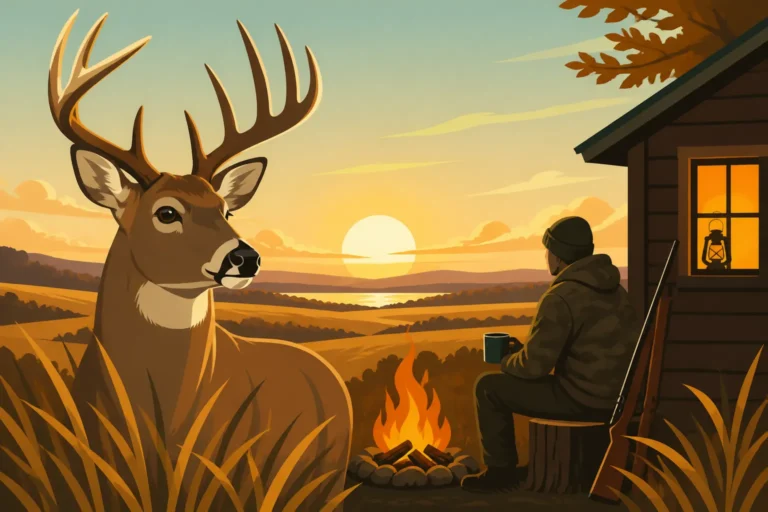
North Dakota deer camp traditions include generational connections, morning rituals, and shared outdoor skills across the prairie.
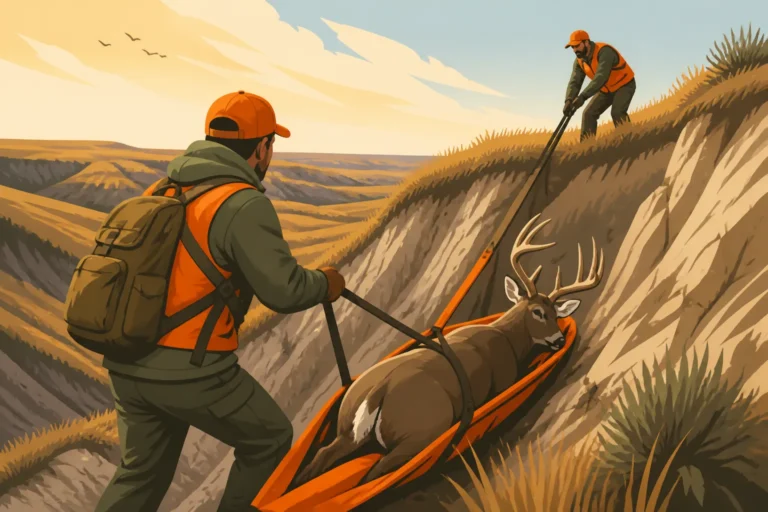
North Dakota deer recovery in steep coulees requires pre-shot terrain mapping, strategic shot placement, and tracking wounded animals.
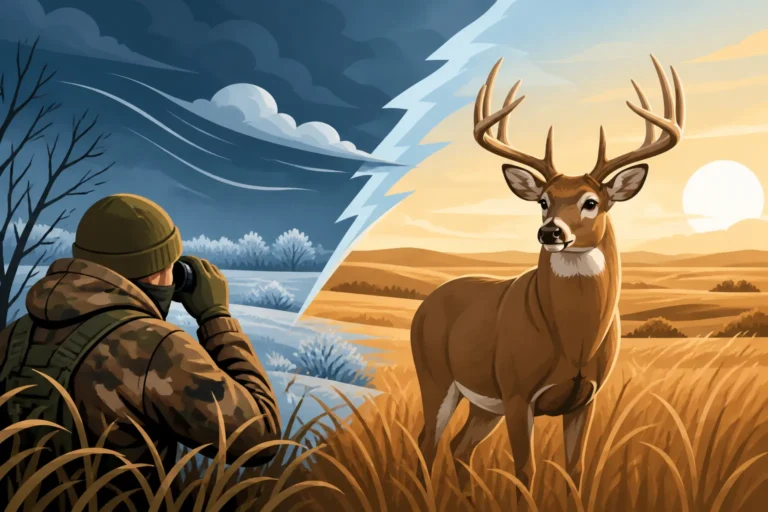
Cold front hunting strategies in North Dakota explain deer behavior changes and survival instincts during sudden temperature drops.
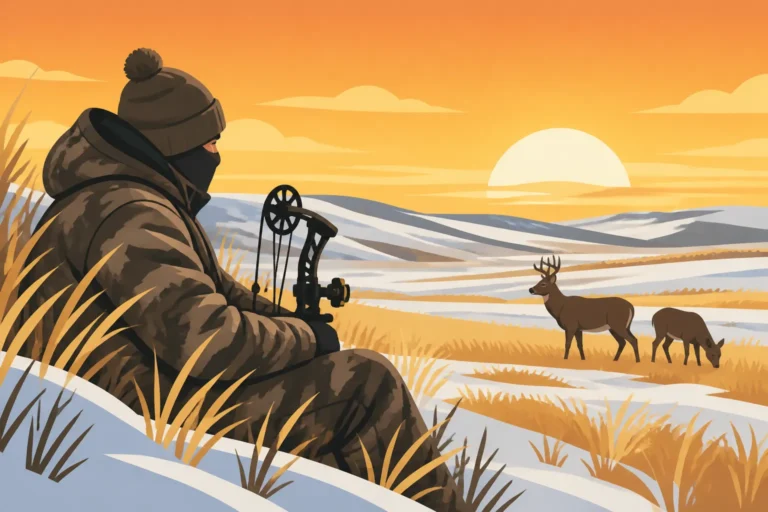
Cold-weather hunting strategies on the North Dakota prairie help hunters endure late-season wind, low temperatures, and winter conditions.
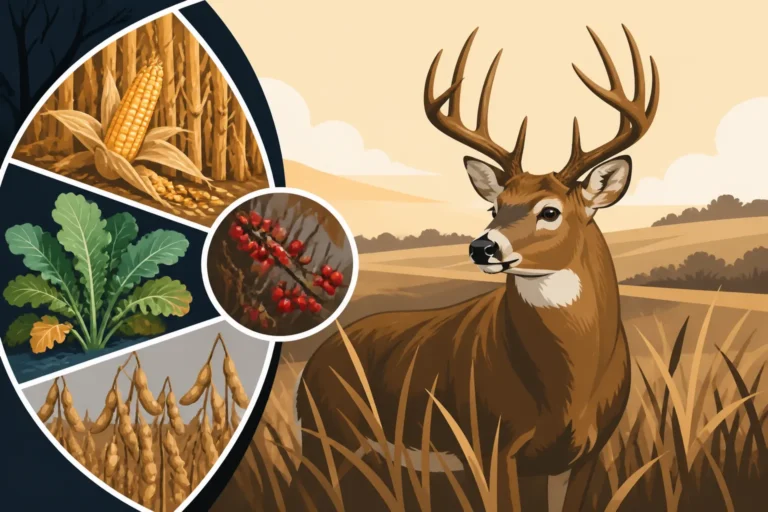
Late-season North Dakota whitetails require agricultural fields and thermal cover to survive severe December cold and deep snow.
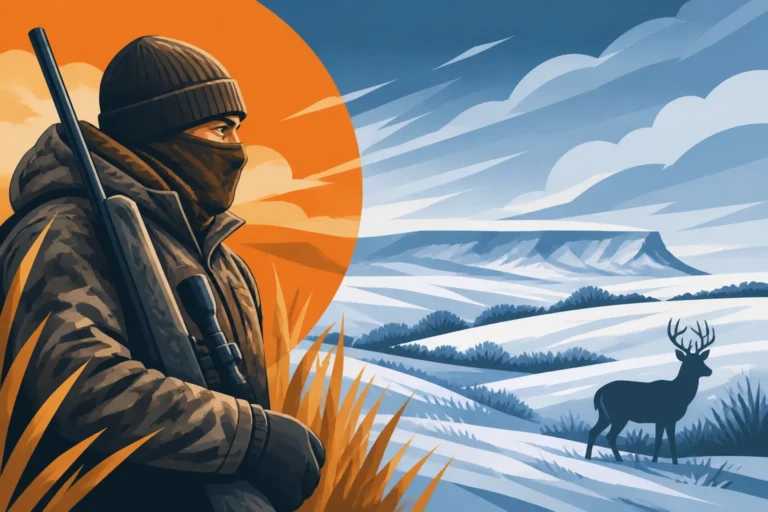
North Dakota deer movement patterns during December cold snaps, focusing on food sources, thermal cover, and sheltered travel corridors.
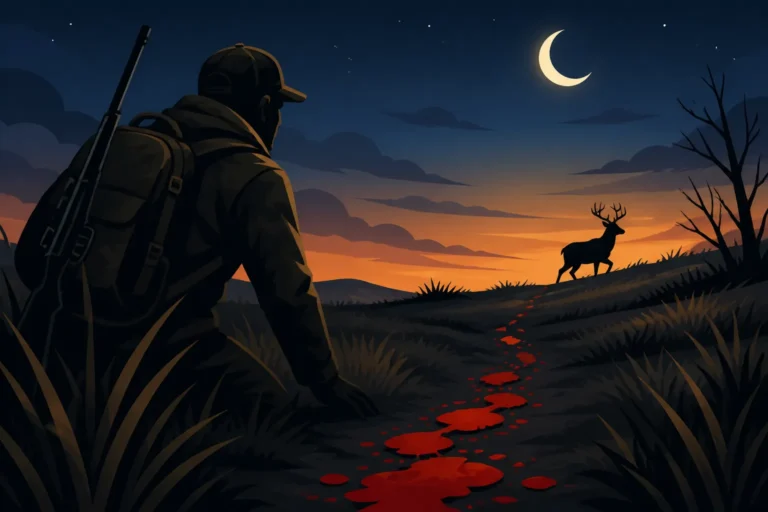
Blood trailing after dark in North Dakota requires specific tools, ethical considerations, and methods to recover wounded game.
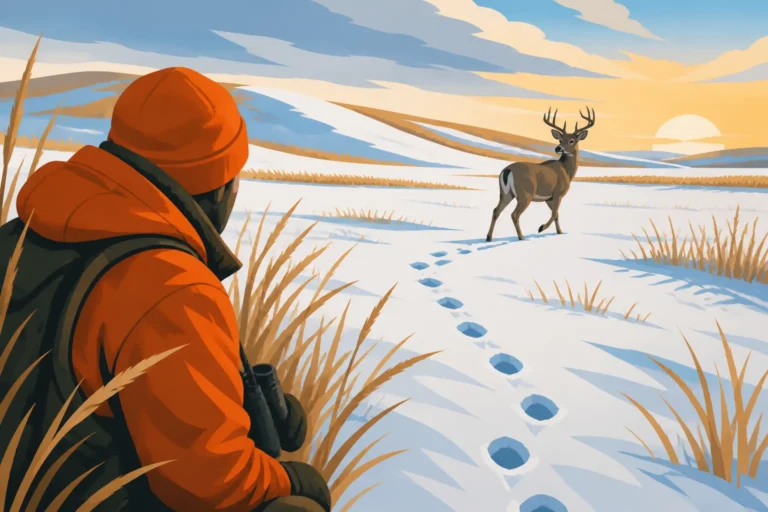
Tracking a wounded deer across North Dakota prairie snow requires following faint tracks, thin blood trails, and wind-swept powder.
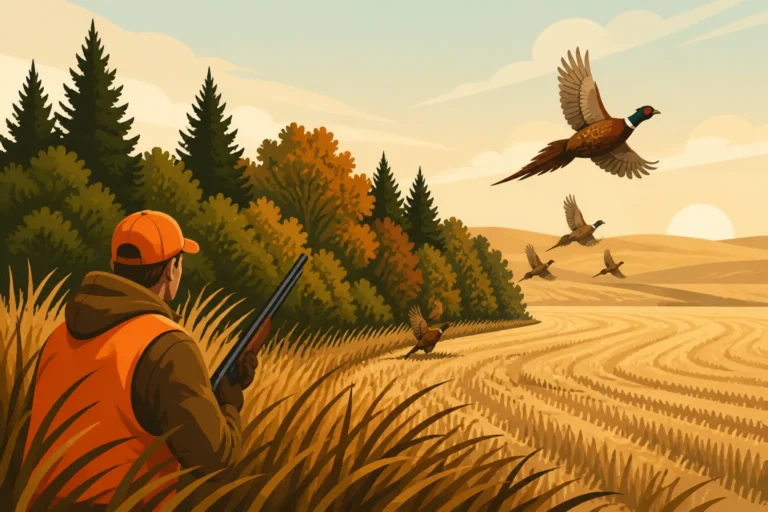
Proper deer drive posting strategies in North Dakota shelterbelts prevent whitetails from escaping through side routes and gaps.
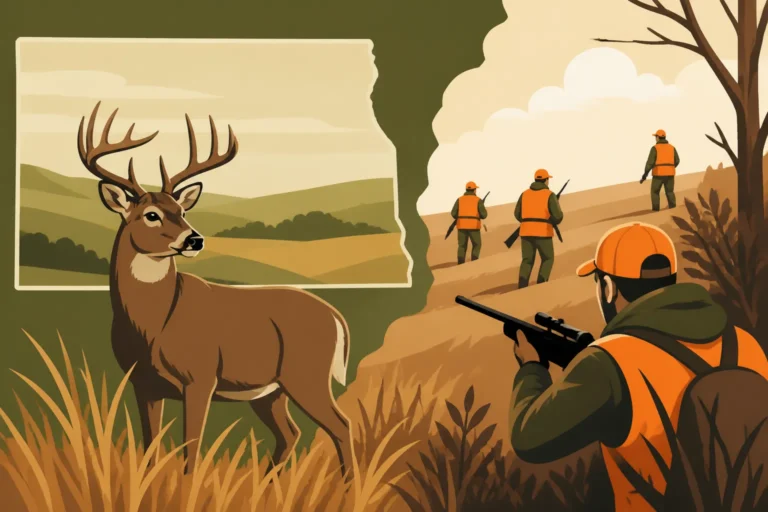
Small deer drives in North Dakota using three or four hunters require strategic planning, pinch points, maps, and scouting.