North Dakota Deer Camp Traditions
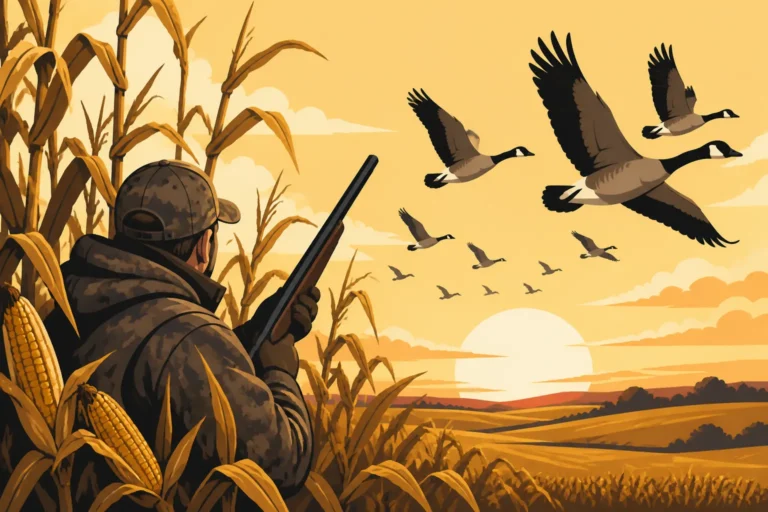
The quiet hum of anticipation, the chill morning air biting at your nose, and the scent of strong coffee brewing are experiences etched into the memory of any North Dakota deer hunter. While the pursuit of a whitetail or mule deer often feels like a solitary endeavor out in the prairie, the heart of the hunting season for many lies not just in the stand, but in the communal spirit of deer camp. It’s where friendships are forged, stories are born, and the true essence of the hunt transcends the kill. This guide will dive deep into the cherished traditions that make North Dakota deer camp an unforgettable experience, year after year.
The Heart of North Dakota Deer Camp
There’s something uniquely American, and especially North Dakotan, about deer camp. It’s a place that exists outside the confines of daily life, a temporary sanctuary where the pursuit of game, good company, and hearty meals take precedence over everything else. It’s where generations come together, where new hunters learn the ropes, and where the seasoned veterans relive past glories and strategize for new ones.
More Than Just a Place to Sleep
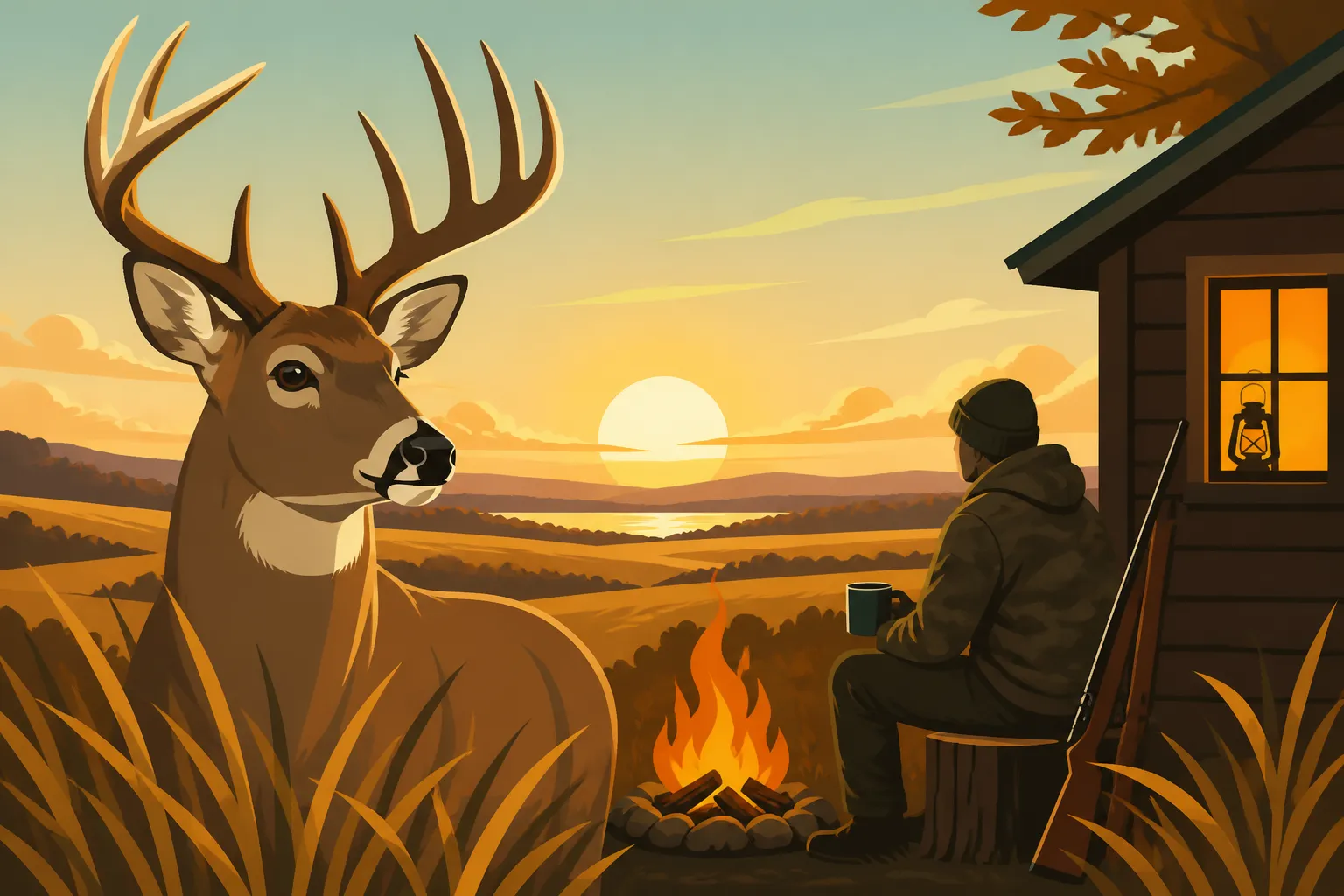
When we talk about "deer camp" in North Dakota, we're not necessarily talking about a fancy lodge. It could be an old, drafty farmhouse that's been in the family for generations, smelling faintly of woodsmoke and damp wool. It might be a convoy of travel trailers parked in a secluded section of private land, or a cluster of robust canvas tents set up on the edge of a WMA, braced against the inevitable November winds. For some, it's as simple as a wall tent with a wood stove, providing just enough warmth to thaw frozen fingers and dry damp socks after a long day.
The beauty of these diverse setups is that they all serve the same purpose: a central hub for connection. It’s not just a place to sleep; it’s where the collective wisdom of the group is shared, where maps are unfolded and debated, and where the day's hunting plans are meticulously laid out over steaming cups of coffee. The frustrations of a missed shot or the excitement of fresh tracks found are all brought back to camp, becoming part of its living history. This communal aspect is what truly sets deer camp apart, turning what could be a solitary pursuit into a shared adventure.
The Rituals of Opening Morning
There’s an almost sacred hush that falls over deer camp on opening morning, a palpable sense of anticipation that electrifies the air long before the first hint of dawn. The ritual begins long before first light, often in the pitch black of 4:00 AM or earlier. The clatter of pots and pans might signal the designated camp cook firing up the stove, or perhaps everyone contributes to a massive breakfast spread. Picture sizzling bacon, stacks of fluffy pancakes, and scrambled eggs, all washed down with industrial-strength coffee that could wake the dead.
Gear checks are meticulous and almost silent, each hunter running through their mental checklist: rifle loaded, scope caps off, extra gloves in the pack, thermos filled. There’s a quiet exchange of good luck wishes, maybe a firm handshake or a pat on the shoulder, before everyone disperses into the pre-dawn darkness. The crunch of boots on frosted ground, the distant rumble of trucks heading out to various stands, and then, a profound silence as each hunter slips into their chosen spot, waiting for the world to wake up and the woods to come alive. It's a testament to the dedication and shared purpose that binds these hunters together, even as they spread out across the vast North Dakota landscape.
Shared Experiences and Skill Building
Deer camp isn't just about the hunt itself; it's a living classroom, a laboratory for outdoor skills, and a theater for the most outlandish stories you'll ever hear. It's where the traditions of hunting are not just preserved but actively practiced and passed down.
Passing Down Knowledge and Skills
One of the most invaluable aspects of deer camp is the intergenerational transfer of knowledge. For new hunters, or even younger family members just starting their journey, camp becomes an immersive training ground. Veterans don't just tell stories; they show you how it's done. Picture an uncle patiently demonstrating how to Read a Missouri River Bottom for Deer, explaining how the subtle currents of the wind dictate deer movement along the draws, or how to identify prime bedding areas from distant bluffs.
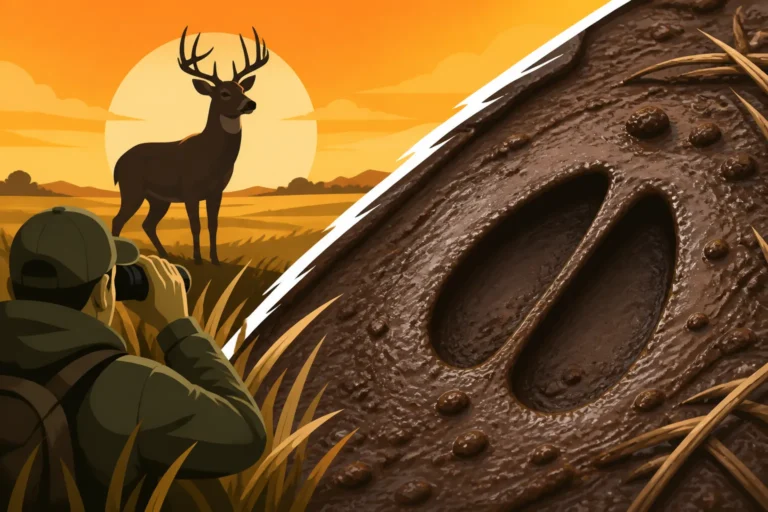
Discussions around the evening fire might cover critical skills like interpreting faint tracks in frozen mud, understanding the difference between a fresh scrape line and an old one, or the nuances of using calls. Safety, of course, is paramount and consistently reinforced, from proper firearm handling to understanding shot placement. Experienced hunters also teach the subtle art of patience, the importance of quiet movement, and the ethical considerations that go beyond legal requirements. Tools like the GoHunt app are often used in these sessions, not just for scouting new areas but for reviewing aerial photos and topo maps of familiar haunts, dissecting past hunts, and identifying new strategies. It’s a holistic education, steeped in real-world experience, that simply can't be replicated in a classroom.
The Evening Debrief and Storytelling
After a long day of enduring the elements, whether it’s the biting wind off the prairie or a surprise late-season snow, the return to camp is a welcome comfort. This is when the day’s events are unfurled during the evening debrief. Hunters gather, shedding layers, warming up by the stove or fire, and sharing their tales. There’s no judgment here, just genuine interest and camaraderie.
You'll hear everything: the quiet success of a hunter who bagged a beautiful buck, the exasperated account of a missed shot on a trophy, or the simple observations of a day spent in the solitude of nature. These stories are often embellished over the years, growing grander and more legendary with each retelling, forming the very bedrock of North Dakota Deer Camp Traditions. The laughter is hearty, the commiseration genuine, and the advice freely given. It’s a powerful bonding experience, strengthening the ties between friends and family, and solidifying the memories that will be recalled fondly for decades to come.
Food, Fellowship, and Memories
Beyond the hunt itself, deer camp is a celebration of human connection, centered around shared meals and the creation of indelible memories. It’s a place where the simple act of breaking bread together becomes a profound experience.
The Culinary Delights of Camp
Let’s be honest: after hours spent sitting motionless in a frigid stand, or walking miles through heavy cover, a hungry hunter needs sustenance. And North Dakota deer camps deliver on this front with gusto. The food isn't usually gourmet, but it's always hearty, plentiful, and exactly what the body craves. Think massive pots of chili simmering on the stove, thick stews that warm you from the inside out, or perhaps grilled venison backstrap if a successful harvest has already occurred. Sandwiches are piled high, and sometimes, a dutch oven is dug out for a classic camp dessert.
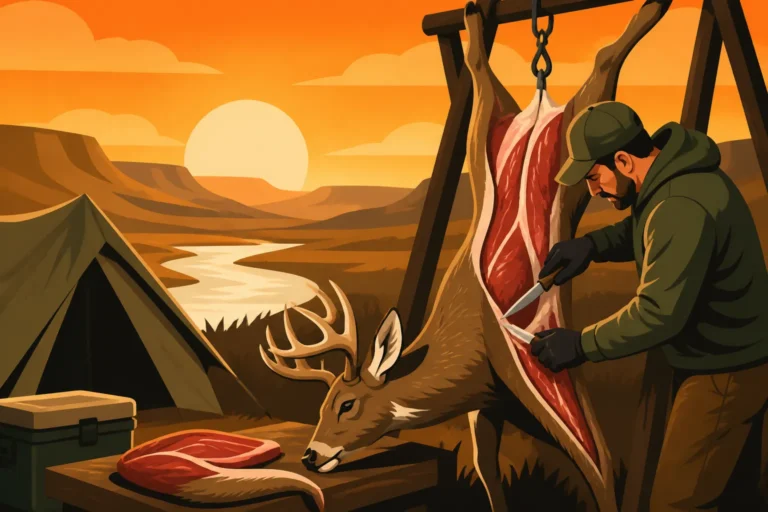
There’s often a rotation of designated camp cooks, or it might be a free-for-all where everyone pitches in. Regardless of the system, the act of preparing and sharing these meals is a central part of the camp experience. Imagine the satisfaction of pulling up a chair, surrounded by your hunting companions, wolfing down a plate of hot food as you recount the day. And if someone was lucky enough to fill their tag, the process of Butchering a Deer at Camp becomes another shared activity, with everyone lending a hand, turning the harvest into delicious, freezer-ready meat. It's a cycle of effort and reward, celebrated together.
Beyond the Harvest: Creating Lasting Bonds
The true treasure of North Dakota deer camp isn't just a freezer full of venison; it's the rich tapestry of camaraderie, friendship, and family connections woven over years of shared experiences. These camps are often multi-generational affairs, where grandfathers hunt alongside sons and grandsons, passing on not just skills but a legacy. The sense of belonging is profound, a shared purpose that transcends age and background.
Beyond the hunting, there are traditions unique to each camp: specific card games played late into the night, the crackling fire pit where stories and plans intertwine, or hushed conversations that deepen understanding and connection. These moments, often unscripted and simple, are the building blocks of lasting bonds. They're the reason hunters eagerly anticipate the next season, not just for the thrill of the chase, but for the invaluable time spent with their chosen family, making memories that will outlive any trophy.
Practicalities and Planning for Your Camp
A successful deer camp, like a successful hunt, requires thoughtful planning and respect for both the environment and the game you pursue. From logistical considerations to ethical practices, a well-run camp ensures a rewarding experience for all.
Setting Up a Functional Deer Camp
North Dakota weather can be notoriously unpredictable, swinging from mild autumn days to brutal blizzards in a matter of hours. Therefore, a functional deer camp prioritizes comfort, safety, and preparedness. Essential gear includes robust tents or trailers, reliable cooking equipment, ample lighting, and crucially, an efficient heating source. A good wood stove or propane heater can make all the difference in maintaining morale when temperatures plummet.
Communication is key, especially if your hunting party splits up for Deer Drives With Three or Four Hunters. Walkie-talkies or satellite communicators might be necessary in areas with spotty cell service. When planning your hunt, consider the season’s conditions. A Cold-Weather Sitting Strategy on the Prairie might involve a portable heater in a ground blind, while Late-Season Food Sources for North Dakota Whitetails will dictate where you focus your efforts. Many hunters leverage resources like the GoHunt platform, which offers detailed maps and scouting tools. These digital aids complement traditional map-and-compass skills, helping identify potential blind locations, travel corridors, and escape routes. Always have a contingency plan for severe weather, ensuring you have enough supplies and a safe place to retreat.
Respecting the Land and the Wildlife
The privilege of hunting comes with a profound responsibility to respect the land and the wildlife that calls it home. Ethical hunting practices are non-negotiable in North Dakota deer camp. This means strictly adhering to all game laws and regulations, practicing fair chase, and leaving no trace behind. Pack out everything you pack in, and if you’re using temporary shelters, ensure they’re removed entirely at the end of the season.
Proper game care is also critical, especially in the variable temperatures of North Dakota. Understanding how to quickly and efficiently field dress an animal is crucial, as is making arrangements for processing. For those hunting in the state's expanding CWD hunting units, understanding the rules for Handling Venison From a CWD Hunting Unit and mandatory testing protocols is vital. Furthermore, if the winter has been particularly harsh, as in Hunting After a Hard Prairie Winter, it’s especially important to consider the health of the herd and practice restraint. A responsible hunter ensures that their actions not only contribute to their personal success but also to the long-term health and sustainability of North Dakota’s deer populations.
| Deer Camp Essential Categories | Key Items & Considerations | Purpose & Importance |
|---|---|---|
| Shelter & Comfort | Large, sturdy tent or travel trailer; cot/sleeping pad; sub-zero sleeping bag; reliable heater (wood stove/propane); extra blankets | Protection from harsh North Dakota weather; ensuring restful sleep; maintaining warmth and morale. |
| Cooking & Food | Camp stove/grill; cookware (pots, pans, Dutch oven); cooler with ice/dry ice; non-perishable food; coffee maker/pot; water jugs/filter | Sustaining energy for long hunting days; promoting fellowship through shared meals; hydration. |
| Tools & Gear | First-aid kit; headlamps/lanterns; multi-tool; knife sharpener; GPS/maps (e.g., GoHunt app); binocular/spotting scope; axe/saw | Safety and emergency preparedness; navigation and scouting; general utility for camp tasks. |
| Hunting & Game Care | Appropriate firearms/bows; ammunition/arrows; game bags; processing knives; cleaning supplies; scent control; blaze orange gear | Legal and ethical harvest; proper field dressing and meat preservation; safety in the field. |
| Personal Items | Multiple layers of warm clothing (base, mid, outer); waterproof outerwear; extra socks; insulated boots; toiletries; power bank/chargers | Adapting to changing weather; personal hygiene; staying connected (if desired). |
| Miscellaneous | Camp chairs; small table; trash bags; fire pit; entertainment (cards, books); camera; vehicle recovery gear (straps, shovel) | Enhancing social interaction; maintaining a clean camp; capturing memories; vehicle safety. |
Disclaimer
Please note that hunting regulations, license requirements, and season dates are subject to change by the North Dakota Game and Fish Department. Always consult the most current official North Dakota hunting guide and regulations before planning and embarking on any hunting trip. This guide is for informational purposes only and does not supersede state regulations.