North Dakota’s Lottery-Based Deer Gun Season
Trying to navigate the complexities of North Dakota's deer gun season can feel like deciphering an ancient scroll, especially for those new to the state or even seasoned hunters who just want to make sure they're doing everything by the book. With a lottery system in place for most deer gun licenses, it’s not as simple as walking into a store and buying a tag. This comprehensive guide is here to walk you through every step, from understanding why the lottery exists to successfully applying, increasing your draw odds, and what to do once you've secured that coveted deer tag.
Understanding North Dakota's Deer Gun Season Lottery
North Dakota's deer gun season is a highly anticipated event, but unlike some states where you can purchase a general over-the-counter tag, the vast majority of deer gun licenses here are allocated through a lottery system. This isn't just a bureaucratic hurdle; it's a critical tool the North Dakota Game and Fish Department (NDGFD) uses to manage the deer population, distribute hunting pressure fairly, and ensure a sustainable resource for future generations. For many, the annual application period is filled with a mix of hope and trepidation, a true rite of passage for those looking to harvest a North Dakota deer.
The Rationale Behind the Lottery System
The primary reason for a lottery system is game management. North Dakota experiences significant fluctuations in deer populations due to harsh winters, disease outbreaks, and habitat changes. Without a controlled system, unrestricted hunting could lead to overharvesting in certain areas, negatively impacting herd health and future hunting opportunities. The lottery allows the NDGFD to issue a specific number of tags for individual hunting units, tailored to local population estimates and management goals. For instance, in areas where deer numbers are robust, more licenses might be issued, including "any-deer" tags allowing for bucks or does. Conversely, in units with lower populations, fewer licenses, or even only antlerless tags, might be available to protect the breeding stock. This precise control helps maintain a healthy balance between deer numbers and the available habitat, reducing crop damage in agricultural areas while still providing ample hunting opportunities. It’s about being responsible stewards of the land and the wildlife that calls it home.
Beyond population control, the lottery also helps to manage hunter distribution and maintain a quality hunting experience. Imagine if every hunter could simply buy a tag for the most popular unit – those areas would quickly become overcrowded, leading to frustrated hunters and potentially stressed wildlife. By limiting the number of hunters in each unit, the lottery ensures a more spread-out hunting effort, giving everyone a better chance at success and a more enjoyable time afield. This also means that some of the best hunting experiences can be found when you understand how to navigate the system, rather than just heading to the most obvious spots. The system aims for fairness, giving every eligible applicant a shot at drawing a tag, regardless of their past hunting history, which leads us to understanding who needs to apply.
Who Needs to Apply and When
Pretty much everyone looking to participate in North Dakota's deer gun season needs to apply through the lottery, with very few exceptions. This includes both residents and nonresidents, though the application process and available tag numbers differ significantly. Residents generally have a much higher chance of drawing a tag, and more options, reflecting the state's commitment to providing opportunities for its own citizens. Nonresidents, on the other hand, face stiffer competition and a more limited allocation of licenses, often reserved for "any-deer" or specific unit types, especially for those looking for a trophy buck.
The application window is absolutely critical. Missing the deadline means missing out on the entire season, so mark your calendars! The application period typically opens in May and closes in early June, usually the first Wednesday in June. For instance, the deadline is often around The June 3 Deer Lottery Application Deadline each year. It's not a window you can afford to forget. While the exact dates might shift slightly from year to year, the general timeframe remains consistent. It's a good idea to check the North Dakota Game and Fish Department's official website as soon as spring arrives to confirm the precise opening and closing dates for the upcoming season. Additionally, certain special licenses, like those for youth hunters, may have slightly different rules or application processes, so it’s always best to read the regulations thoroughly. Understanding the distinctions between residents and nonresidents, and the different types of licenses available, is the first step in successfully navigating the lottery.
The Application Process: Step-by-Step
Once you've wrapped your head around why North Dakota employs a lottery system and when you need to apply, the next step is the actual application. This might seem daunting, but the North Dakota Game and Fish Department has streamlined much of the process through their online portal. It's crucial to approach this with attention to detail, as any errors could jeopardize your chances of drawing a tag. Think of it as your official entry into the game; you want to make sure your name is spelled correctly and your numbers are all in order.
Navigating the Online Portal
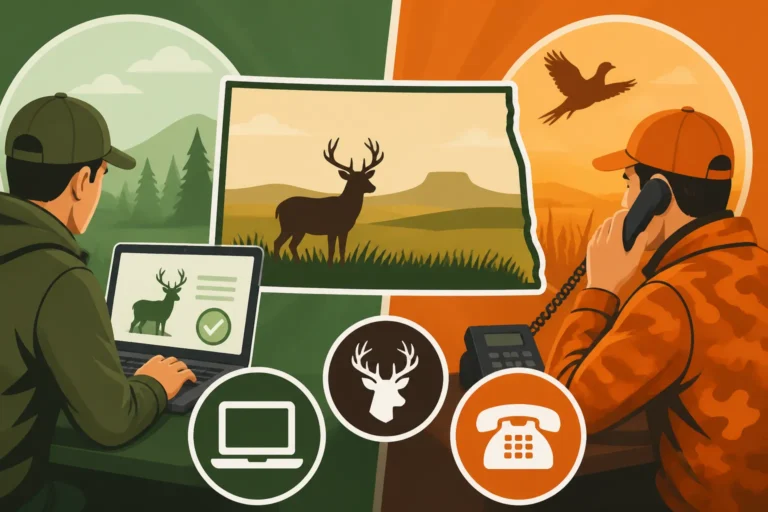
The vast majority of hunters apply for their North Dakota deer gun licenses through the NDGFD's official website. You'll need to create an account if you don't already have one, which typically involves providing personal information like your name, address, date of birth, and driver's license number. Once logged in, look for the "Licenses and Lottery" section, and then specifically for the deer gun application. The portal is generally user-friendly, guiding you through each step. You'll be asked to select your residency status, choose your desired hunting units (primary and alternate choices), and specify the type of license you're applying for (e.g., any-deer, antlerless). This is where your research into unit success rates and population data really comes into play. It's also where you'll indicate if you're applying with a party, which can be a strategic move for groups of hunters wanting to hunt together. The system will then calculate your application fee, which must be paid at the time of application using a credit or debit card. Double-check every entry before final submission; it's far easier to catch a mistake then than to deal with the consequences later. Many hunters find it useful to keep a screenshot or confirmation email of their submission for their records. The online portal for North Dakota Deer Gun Lottery Application Process is designed to be intuitive, but a methodical approach ensures you don't miss anything.
Common pitfalls can include incorrect unit selection, especially if you're unfamiliar with the unit boundaries, or choosing a license type that doesn't align with your hunting goals or the unit's offerings. For instance, applying for an "any-deer" tag in a unit that only offers antlerless licenses can lead to disappointment. Another common issue is payment processing; ensure your credit card information is accurate and that there are sufficient funds. Sometimes, technical glitches can occur, especially close to the deadline when system traffic is high. If you encounter any issues, don't wait until the last minute. The NDGFD customer service is generally helpful, but they can't fix a missed deadline. Always ensure you receive a confirmation number or email after submission, as this is your proof of application. Without it, your application might not have gone through, and you could be left out in the cold.
Understanding Your Application Options
When you're filling out that application, you'll be faced with choices for unit selection and license types. North Dakota's deer gun season breaks the state into various hunting units, each with its own specific quota of licenses. You'll typically be asked to select your first, second, and possibly third choice for both unit and license type. The main license types are "any-deer" (allowing you to harvest either a buck or a doe), "antlered deer" (buck only), and "antlerless deer" (doe or fawn only). The availability of these license types varies significantly by unit and is directly tied to the NDGFD's management plan for that specific area. For example, some units might only offer antlerless tags to help reduce the local deer population, while others might have a limited number of coveted "any-deer" tags.
Strategic selection here is paramount. Don't just pick a unit because you've heard good things about it; research its current deer population trends, harvest success rates, and the specific types of licenses typically offered. Resources like the NDGFD's annual hunting guide and online harvest reports are invaluable. If your primary goal is simply to put venison in the freezer, an antlerless tag in a high-population unit might offer better odds than trying for an any-deer tag in a heavily sought-after unit. Conversely, if you're after a trophy buck, you'll need to focus on units known for producing larger animals, understanding that the draw odds will be significantly lower. For nonresidents, these choices are even more constrained, as specific units may have nonresident quotas or restrictions. Taking the time to understand these options fully, and matching them with your personal hunting goals, is a critical step in a successful application for North Dakota's Lottery-Based Deer Gun Season.
Maximizing Your Chances in the Lottery
Drawing a North Dakota deer gun tag can feel like winning the actual lottery, especially for popular units or any-deer tags. While there's no guaranteed secret, understanding how the preference point system works and making informed choices about which units to apply for can significantly tip the odds in your favor. It’s not just about luck; it’s about strategy and persistence.
The Preference Point System Explained
North Dakota uses a preference point system to give loyal applicants a better chance over time. Here's how it generally works: for every year you apply for a deer gun license and are unsuccessful in drawing your first choice, you accrue a preference point. The more preference points you have, the higher your priority in subsequent drawings. For example, if you have two preference points, your application will be considered before someone with only one point, and significantly before a first-time applicant. This system rewards persistence and is designed to eventually get every hunter a tag in their desired unit, though it might take several years for highly competitive units.
It's important to understand that preference points are typically specific to the license type (e.g., gun deer). They don't carry over to other species like elk or moose. Also, if you draw your first choice for a deer gun license, your preference points for that specific license type are reset to zero. If you draw your second or third choice, you usually retain your accumulated preference points, which is a key detail many hunters miss. This nuanced aspect means that if you're truly aiming for a specific, difficult-to-draw unit, it might be strategic to apply for a slightly less competitive first choice, hoping to draw that and still gain a preference point for your dream unit next year. However, if your goal is just to hunt anywhere in the gun season, you might choose units with higher draw odds even as first choices. Keep in mind that applying as a party can sometimes complicate preference points, so research the specifics carefully if hunting with a group. This system can be tricky to navigate, but sites like GoHunt provide excellent resources and data analysis to help hunters understand their odds and make informed decisions, often breaking down draw success rates by preference point levels.
Strategic Unit Selection
Choosing the right hunting unit is arguably the most critical decision you'll make when applying for a North Dakota deer gun tag. It's not just about finding a unit with deer; it's about finding a unit where your odds of drawing a tag are reasonable for your accumulated preference points and where the hunting experience aligns with your expectations. Start by consulting the NDGFD's annual hunting proclamation and the previous year's draw results. These documents provide crucial data, including the number of licenses allocated per unit, the number of applicants, and the preference points required to draw in each unit. Look for trends. Has a unit seen a decrease in tags due to harsh winters affecting the deer population estimate? Or has hunter pressure increased dramatically?
Consider what kind of hunt you're after. Are you looking for a prime whitetail buck in the river bottom timber of the North Dakota's Missouri River Corridor, or are you hoping for an antlerless tag in the sprawling fields of the North Dakota's Prairie Pothole Region for meat? Mule deer hunters will be primarily focused on the western units within the Badlands. Don't be afraid to consider less popular units, especially if you have fewer preference points. Often, a bit of extra driving or a willingness to hunt less glamorous terrain can significantly increase your draw odds. Aerial maps, scouting reports, and even talking to local landowners or game wardens can provide invaluable insights. Remember, units with excellent deer populations and high success rates will always be more competitive, requiring more preference points to draw. It's a balance between your desired outcome and your realistic chances, and utilizing tools that provide historical draw data can be a real game-changer here.
Special Considerations for Nonresidents
Nonresidents face a unique set of challenges and rules when applying for North Dakota's lottery-based deer gun season. The state prioritizes its residents, meaning that a limited percentage of deer gun licenses are allocated to nonresidents, typically capped at around 1% of the total available licenses. This severely restricts the number of nonresident tags and makes the draw significantly more competitive. Nonresidents generally have much lower draw odds for any-deer tags, and in many units, only antlerless licenses might be available to them, if any at all.
Furthermore, nonresident archery deer hunters face specific restrictions, as they are not permitted to hunt deer on any land owned or managed by the North Dakota Game and Fish Department, including PLOTS (Private Land Open To Sportsmen) areas, for the first nine-and-a-half days of the season. This restriction primarily applies to archery, but it highlights the general principle of resident priority. For gun season, nonresidents must be extra diligent in their unit research and application strategy. Focusing on units that traditionally have some nonresident allocation, even if it's for antlerless tags, can be a more realistic approach than chasing a long-shot buck tag in a prime resident unit. It’s also crucial for nonresidents to secure private land access before applying, if possible, as public land options can be more limited or heavily pressured. Understanding the North Dakota Nonresident License Options is paramount to avoiding disappointment. If you’re a nonresident, carefully weigh your options and be realistic about your draw odds, perhaps even considering other hunting opportunities in the state if drawing a gun tag proves too difficult.
Key Dates, Deadlines, and What Comes Next
The North Dakota deer gun season lottery is a calendar-driven process. Missing a deadline can mean missing an entire season, so being acutely aware of the important dates is not just helpful, it's essential. From the moment the application opens to the day you potentially purchase your tag, precision is key.
Important Calendar Dates
Let's break down the typical timeline for North Dakota's deer gun lottery, keeping in mind that exact dates can shift slightly each year, so always confirm with the NDGFD. The application period usually kicks off in early May. This is when the online portal opens, allowing hunters to submit their applications, choose their units, and select their license types. This period typically runs for about a month, closing in early June, often the first Wednesday of the month. This June deadline is arguably the most critical date, as no applications are accepted after it, no matter the reason. After the application period closes, the NDGFD processes all applications and conducts the lottery drawing.
The anticipation builds until the draw results are generally announced in late June or early July. This is when you'll find out if you've been successful in drawing your first, second, or third choice, or if you were unsuccessful. If successful, there will be a deadline to purchase your license, usually a few weeks after the results are posted. Missing this purchase deadline means forfeiting your drawn tag! Then, the actual gun season itself typically opens in early November, running for approximately 17 days. For instance, you can find the specific North Dakota Gun Season Dates in the annual proclamation. Lastly, there's a deadline for reporting your harvest, usually within three days of taking a deer, or by a specific date after the season closes. This information is vital for the NDGFD's game management efforts, so always comply with North Dakota Deer Reporting Requirements.
Receiving Your Draw Results
The moment of truth arrives when the draw results are announced. The NDGFD typically notifies applicants via email. So, it's absolutely crucial to ensure the email address associated with your hunting license account is current and actively monitored. Don't forget to check your spam or junk folders, as these important notifications can sometimes end up there. The email will usually state whether you were successful and, if so, which unit and license type you drew. If you don't receive an email, or if you're just too anxious to wait, you can also check your draw status directly on the NDGFD's online licensing portal. Log in to your account, and there will usually be a section to check your application history or draw results.
It's common for many hunters to check the results multiple times a day once the announcement window approaches. The feeling of seeing that "successful" status in your email or on the portal is exhilarating, the culmination of patience and strategic planning. For those who are unsuccessful, it's a letdown, but not the end of the road. Understanding your unsuccessful status is also important because it means you've likely accrued a preference point, bringing you one step closer to drawing a tag in a future season. This outcome also prompts hunters to consider alternative options, such as leftover tags or other hunting seasons.
What to Do After a Successful Draw
Congratulations! You've drawn a North Dakota deer gun tag. Now what? The first and most critical step is to purchase your license by the specified deadline. The email notification or the online portal will provide instructions and a link to do so. This isn't just a formality; if you miss this deadline, your drawn license will be forfeited, and it will be made available as a leftover tag to other hunters. Ensure you pay the license fee promptly. Once purchased, you'll either receive a physical license in the mail (allow some time for this) or be able to print a temporary electronic copy, depending on the state's current system. Always carry your physical license and tag with you while hunting.
Before heading into the field, take the time to thoroughly review the current year's hunting proclamation for your specific unit. Regulations can change annually, and it's your responsibility to be aware of them. Pay close attention to unit boundaries, legal shooting hours, blaze orange requirements, and any specific rules for your license type (e.g., antlered vs. antlerless). You'll also want to familiarize yourself with the Legal Weapons During North Dakota Gun Season to ensure your firearm and ammunition comply with state law. If you've never hunted your drawn unit before, now is the time to start scouting, either in person or using online mapping tools to identify potential hunting spots, access points, and important landmarks. Plan your logistics: where will you stay, how will you process your deer, and who will you hunt with? A successful draw is just the beginning; diligent preparation ensures a safe, enjoyable, and successful hunt.
Legal Weapons, Blaze Orange, and General Regulations
Successfully drawing a tag is a huge step, but the responsibility doesn't end there. To ensure a safe, legal, and ethical hunt during North Dakota's November Gun Deer Season, you need to be intimately familiar with the state's specific regulations regarding legal weapons, blaze orange requirements, and what to do once you've harvested an animal. Ignorance of the law is never an excuse, and violating regulations can lead to fines, loss of hunting privileges, and damage to the reputation of hunters as a whole.
Permitted Firearms and Ammunition
North Dakota has clear rules about what firearms and ammunition are legal for deer hunting during the gun season. Generally, rifles are the weapon of choice for many hunters, and the state permits most common centerfire rifle calibers. However, there are specific requirements for bullet diameter and cartridge length. For instance, any rifle used for deer must be chambered for a cartridge that produces at least 1,000 foot-pounds of energy at 100 yards and uses a bullet of at least .22 caliber. Common choices like .243 Winchester, .270 Winchester, .30-06 Springfield, and .308 Winchester are popular and perfectly legal. Larger calibers are also permitted, provided they meet the minimum energy and bullet diameter requirements. For those curious about the specifics, the NDGFD outlines Which Rifle Calibers North Dakota Allows for Deer in its regulations.
Shotguns are also permitted, typically using slugs, not birdshot. Many hunters in more timbered or brushy areas, or those concerned with projectile range, opt for shotguns. Muzzleloaders are a distinct season, but during the general gun season, muzzleloading rifles are also permissible, provided they meet the same minimum bullet diameter and energy requirements as cartridge rifles. It's critical to avoid using any prohibited weapons, such as fully automatic firearms, or any ammunition not designed for deer hunting. Always check your local unit's specific regulations, as there might be very localized restrictions, though these are rare for general gun deer. Ensure your firearm is sighted in and you are proficient with it before heading afield.
Blaze Orange Requirements for Safety
Safety is paramount in any hunting endeavor, and North Dakota takes this seriously, especially during the deer gun season when many hunters are in the field simultaneously. The state mandates strict blaze orange (or blaze pink) requirements for all deer gun hunters. Specifically, you must wear at least 400 square inches of blaze orange (or blaze pink) material above the waist, which must be visible from all sides. This typically includes a blaze orange hat and a vest, jacket, or coat that covers a significant portion of your upper body. The intent is clear: to make hunters highly visible to one another, significantly reducing the risk of accidental shootings.
This requirement applies to everyone hunting during the deer gun season, regardless of whether they are actively carrying a firearm, driving deer, or simply walking to and from a stand. Even if you're on private land, these safety measures are non-negotiable. While blaze orange is essential for safety, it's a common misconception that deer see it as a bright color. Deer are generally considered to be dichromatic, meaning they see colors in shades of blue and yellow, but struggle with red-green distinctions. So, while blaze orange appears gray or brown to a deer, its brightness and contrasting shape against natural foliage still make it very effective for human detection. Always prioritize safety, not just by wearing enough blaze orange but by practicing safe firearm handling and being aware of your surroundings at all times.
Tagging, Transporting, and Reporting Your Deer
Once you've successfully harvested a deer in North Dakota, a specific set of procedures must be followed to remain compliant with state law. The first and most immediate step is tagging your deer. Your license will come with a physical tag that must be securely attached to the deer immediately after harvest, at the site of the kill, before the carcass is moved. This tag must remain with the carcass during transport and storage. The tag will have specific fields to fill out, such as the date and time of kill, and the hunting unit. Make sure this information is accurate and legible.
When transporting your deer, the head must remain naturally attached to the carcass, or at least one antler if it's an antlered deer, until it reaches its final destination for processing or storage. This allows game wardens to verify species, sex, and legal harvest. Be aware of North Dakota's expanding CWD hunting units; if you harvested your deer in one of these units, there might be specific carcass transport restrictions, especially if you plan to transport it out of state or even across certain unit lines within North Dakota. These rules are in place to prevent the spread of Chronic Wasting Disease.
Finally, reporting your harvest is mandatory and crucial for wildlife management. The NDGFD uses harvest data to assess deer populations, evaluate management strategies, and determine future tag allocations. You must report your deer within a specific timeframe, usually within three days of harvest or by a set date after the season closes, whichever comes first. This can often be done online through the NDGFD portal or their mobile app. For example, you can use the app for Reporting a Deer Through North Dakota's App. Failing to tag or report your deer accurately and on time can result in fines and other penalties. These regulations are designed to ensure fair chase, responsible harvesting, and robust data collection for the health of North Dakota's deer herd.
Dealing with Unsuccessful Draws and Alternative Options
The reality of a lottery system is that not everyone draws a tag every year. It’s a tough pill to swallow, especially when you’ve put in the time and effort to research and apply. However, an unsuccessful draw for North Dakota's lottery-based deer gun season doesn't mean your hunting season is over. There are still viable avenues to explore, and perhaps, lessons to learn for future applications.
Purchasing Leftover Tags
If you find yourself on the "unsuccessful" list, don't despair! North Dakota often has leftover deer gun tags available for purchase after the initial lottery drawing and the subsequent purchase period for drawn tags. These leftover tags become available on a first-come, first-served basis, typically a few weeks after the draw results are announced and initial licenses are purchased. The NDGFD will announce the date and time when these tags go on sale, often in mid to late July. These tags are usually for antlerless deer, and sometimes for specific units that are less popular or had higher allocations, but occasionally, an "any-deer" tag might pop up if someone forfeited theirs.
The key to securing a leftover tag is to be prepared and act quickly. These tags can sell out very fast, especially for more desirable units or license types. Have your NDGFD account ready, know which units you're interested in, and be online the moment sales open. It's a bit like a virtual race, and those who are ready often succeed. While a leftover tag might not be for your dream unit or the buck tag you wanted, it still provides an excellent opportunity to get out and hunt, put venison in the freezer, and contribute to local deer management goals. Keep a close eye on the NDGFD's announcements regarding leftover tag availability.
Exploring Other Hunting Opportunities
Even if the deer gun lottery doesn't go your way, North Dakota offers a wealth of other hunting opportunities that might still allow you to pursue deer or other game. Don't let one setback define your entire season!
One excellent alternative is Bowhunting North Dakota's Long Archery Season. The archery season is significantly longer, typically running from early September through the end of the year, with fewer restrictions on public land access for residents compared to the early gun season. While it requires different skills and equipment, bowhunting offers a unique and often more intimate challenge. You might even still be able to hunt the rut in early-to-mid November during the archery season.
Another option is the state's muzzleloader season. While also lottery-based, the draw odds for muzzleloader tags can sometimes be slightly better than for general gun tags in certain units, and it offers a late-season opportunity. You can find out more about Muzzleloader Deer Hunting in Select North Dakota Units. Hunters also have the option to pursue a variety of small game and predators throughout the fall and winter, which can be an incredibly fun and rewarding way to spend time outdoors, even if it's not deer. Species like pheasants, grouse, waterfowl, and coyotes offer exciting challenges and can provide delicious wild game for the table. Exploring these other opportunities not only keeps you active in the field but also deepens your understanding of North Dakota's diverse ecosystems and hunting traditions.
Planning for Future Applications
An unsuccessful draw shouldn't be seen as a failure, but rather as a learning experience and an investment in your future hunting success. Remember the preference point system? Your unsuccessful draw has likely earned you another point, increasing your chances next year. Use the time between seasons to analyze why you didn't draw. Was it an extremely competitive unit? Did you apply for a highly sought-after "any-deer" tag with few preference points? Look at the draw statistics for the current year to understand the minimum preference points required to draw in your chosen units. This valuable data, often provided by resources like GoHunt, can inform your strategy for the next application period.
Consider adjusting your unit choices. Perhaps opting for an antlerless tag as a first choice in a high-density unit to ensure a hunt, while still accumulating preference points, is a viable strategy. Or, if you're determined to hunt a specific trophy unit, commit to building preference points for several years, knowing it's a long-term game. Use the off-season to scout new areas, talk to other hunters, and refine your approach. Learning from the current season and proactively planning for future applications is a hallmark of a dedicated and strategic hunter in North Dakota.
Understanding North Dakota's Expanding CWD Units
Chronic Wasting Disease (CWD) is a serious, fatal neurological disease affecting deer, elk, and moose. It's a growing concern across North America, and North Dakota is actively working to monitor and manage its spread. For hunters, understanding CWD and its implications for the deer gun season is no longer optional; it's a critical part of responsible hunting. North Dakota has designated specific North Dakota's Fourteen-Unit CWD Zone where prevalence is higher or where monitoring is intensified, and these units often come with additional rules for hunters.
Mandatory Testing and Sampling Stations
In response to the expanding presence of CWD, the North Dakota Game and Fish Department has implemented mandatory CWD testing for deer harvested in certain designated units. These are typically the units where CWD has been detected or where surveillance is a priority. If you draw a tag for one of these units, it is mandatory to submit specific samples from your harvested deer for CWD testing. This usually involves submitting the head (or specific lymph nodes/brain stem) to a designated CWD sampling station. The NDGFD provides clear instructions on which parts to submit and how to properly prepare them.
Sampling stations are typically established in convenient locations within or near the CWD-positive units, often at game processing facilities, locker plants, or designated drop-off sites. These stations are usually staffed during the early parts of the deer gun season, or may be self-serve kiosks with clear instructions. It's essential to comply with these mandatory testing requirements, as the data collected is vital for tracking the disease's spread and informing future management decisions. Non-compliance can result in penalties. Always check the annual proclamation for updated information on Mandatory Testing Inside a CWD Hunting Unit and locations of testing stations before you head afield. This collective effort from hunters is crucial in helping the NDGFD mitigate the impact of CWD on North Dakota's deer populations.
Baiting Restrictions and Carcass Transport Rules
Beyond mandatory testing, CWD concerns have also led to specific baiting restrictions and strict carcass transport rules, especially within or around CWD-positive units. Baiting for deer is generally prohibited on all publicly owned or managed lands in North Dakota, including National Grasslands. This regulation is in place because baiting can concentrate deer in a small area, increasing the likelihood of disease transmission through direct contact or contaminated soil. Some private lands may also have baiting restrictions, particularly if they fall within a CWD zone, so always verify local regulations. Hunters need to be aware of Why Baiting Is Banned on National Grasslands and other areas, as violating these rules can carry significant penalties.
Carcass transport rules are designed to prevent the physical spread of the CWD prion, which can be found in the brain, spinal cord, lymph nodes, and spleen of infected animals. If you harvest a deer in a CWD-positive unit, there are usually restrictions on transporting the "high-risk" parts of the carcass out of that unit or out of state. Generally, only boned-out meat, quarters with no spinal column attached, hides, cleaned skull plates with antlers attached, and teeth are allowed to be transported. The goal is to leave the potentially infectious parts of the animal in the area where it was harvested, minimizing the risk of introducing CWD to new areas. Always refer to the most current NDGFD regulations for precise CWD Testing for North Dakota Hunters and transport requirements, especially if you plan to process your deer yourself or transport it across state lines. These measures, while sometimes inconvenient, are vital for the long-term health of North Dakota's wild deer.
North Dakota Deer Gun Season Overview
To help you keep track of the critical aspects discussed, here's a handy overview of the North Dakota Deer Gun Season:
| Aspect | Details |
|---|---|
| Application Period | Typically opens in early May, closes first Wednesday in June. Mandatory for residents and nonresidents. |
| License Types | Any-deer (buck/doe), Antlered (buck only), Antlerless (doe/fawn only). Availability varies by unit and population. |
| Preference Points | Earned for unsuccessful first-choice draws. Increases odds in subsequent years. Reset to zero if first choice is drawn. |
| Draw Results | Announced late June/early July via email and online portal. |
| License Purchase | Must purchase drawn tag by specified deadline (usually a few weeks after results) or forfeit. |
| Gun Season Dates | Generally opens early November, runs for approximately 17 days. |
| Legal Weapons | Centerfire rifles (min .22 caliber, 1000 ft-lbs at 100 yds), shotguns with slugs, muzzleloaders. Always check proclamation. |
| Blaze Orange/Pink | Mandatory 400 sq. inches above waist, visible from all sides, including a hat. |
| Tagging | Tag deer immediately at kill site, securely attach to carcass. |
| Transport | Head (or one antler) must remain attached until final processing. Be aware of CWD unit transport restrictions. |
| Harvest Reporting | Mandatory within 3 days of harvest or by season's end, online or via app. |
| Leftover Tags | Available first-come, first-served (usually mid-July) if not all licenses are drawn/purchased. Mostly antlerless. |
| CWD Zones | Specific units with mandatory testing for harvested deer. Check proclamation for current zones and sampling station locations. |
| Baiting Restrictions | Prohibited on all public lands; may be restricted on private lands within CWD zones. |
| Nonresident Specifics | Limited tag allocation, much lower draw odds. Restrictions on public land archery access early in the season. |
Disclaimer
Please remember that hunting regulations, dates, and license requirements can change frequently. While this guide provides a comprehensive overview, it is crucial for all hunters to consult the official North Dakota Game and Fish Department (NDGFD) website and the annual hunting proclamation for the most current and accurate information before planning and executing any hunt. This guide is for informational purposes only and should not be considered a substitute for official legal documents.