National Grassland Camping Near Your Stand
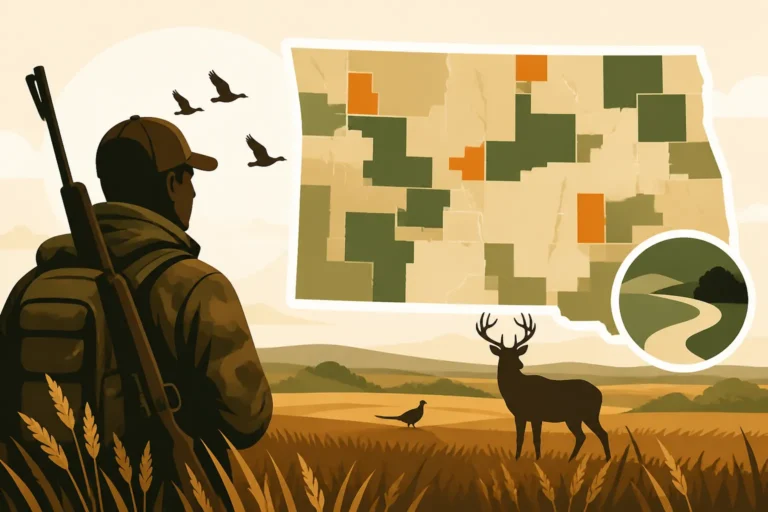
There's nothing quite like the dream of rolling out of your sleeping bag, taking a few steps, and being right at your hunting stand, ready for first light. The idea of camping right near where you plan to hunt on North Dakota's vast National Grasslands is incredibly appealing, cutting out those long, chilly drives in the pre-dawn darkness. This guide is all about helping you understand the regulations, logistics, and practical considerations for making that dream a reality, ensuring you're set up for success without breaking any rules or spooking your quarry.
Understanding North Dakota's National Grasslands and Camping Regulations
North Dakota is home to some incredible public lands, and the National Grasslands are truly special. These vast stretches of prairie, badlands, and rolling hills offer incredible hunting opportunities, especially for deer and upland birds. But with that freedom comes responsibility, and knowing the specific rules for camping, especially when you want to set up shop close to your hunting area, is paramount.
The Allure of Close-Proximity Camping
Let's be honest, those early morning alarms after a restless night in a motel or a long drive from town can really wear on a hunter. The appeal of camping just a stone's throw from your stand isn't just about convenience; it's about maximizing your time in the field, reducing disturbance, and immersing yourself fully in the hunting experience. Imagine being able to wake up, have a quick cup of coffee, and be in your stand as the sky just begins to lighten, without the rumble of a truck engine or the crunch of gravel roads. It allows for a quieter approach, minimizing scent trails and noise that could alert wary game.
Beyond the early morning advantage, having your camp nearby also means easy access for mid-day breaks. Perhaps you want to warm up, grab a hot meal, or even take a quick nap before heading back out for the evening hunt. It's a game-changer for staying comfortable and focused during those long days afield, especially when you're targeting elusive Mule Deer in North Dakota's Badlands or a mature whitetail buck. For those hunting multiple days, not having to pack up all your gear every night or drive miles back to a town is a huge benefit, letting you concentrate solely on the hunt itself.
Key Regulations for National Grassland Camping
While the idea of setting up camp anywhere you please on the National Grasslands might sound appealing, there are indeed regulations to follow. These rules are in place to protect the land, ensure public safety, and maintain the quality of the experience for everyone. First and foremost, National Grasslands generally allow for dispersed camping, which means you can camp outside of designated campgrounds. However, this isn't a free-for-all. You typically need to be a certain distance from developed recreation sites, water sources, and paved roads. Always check with the local National Grassland office (like the Little Missouri National Grassland office in Dickinson) for the most current and specific regulations before you head out. Websites like GoHunt or resources like the North Dakota PLOTS Guide Booklet Release Date can offer general planning insights, but direct communication with the land management agency is always best for specific rules.
One of the most critical aspects is vehicle use. While you might want to drive right to your stand, vehicle access on National Grasslands can be restricted to designated roads and trails, especially during certain times of the year or in specific areas to prevent resource damage. Understanding Vehicle Rules on North Dakota Public Land is vital. You might need to pack in your gear the last leg of the journey. Fire restrictions are also common, especially during dry periods. Campfires might be completely banned, or only allowed in designated fire rings. Always have a backup cooking method (like a small propane stove) and respect any fire bans. Lastly, adherence to Leave No Trace principles is non-negotiable. This means packing out everything you pack in, properly disposing of human waste, and leaving your campsite cleaner than you found it. The general rule for dispersed camping also often includes a stay limit, such as 14 days within a 30-day period in the same area, to prevent long-term impacts.
Practical Logistics for Setting Up Your Campsite
Once you've got a handle on the rules, the next step is the nitty-gritty of choosing and setting up your actual campsite. This isn't just about throwing down a tent; it's about strategic placement that enhances your hunting while minimizing your footprint and staying comfortable.
Choosing the Right Spot Near Your Stand
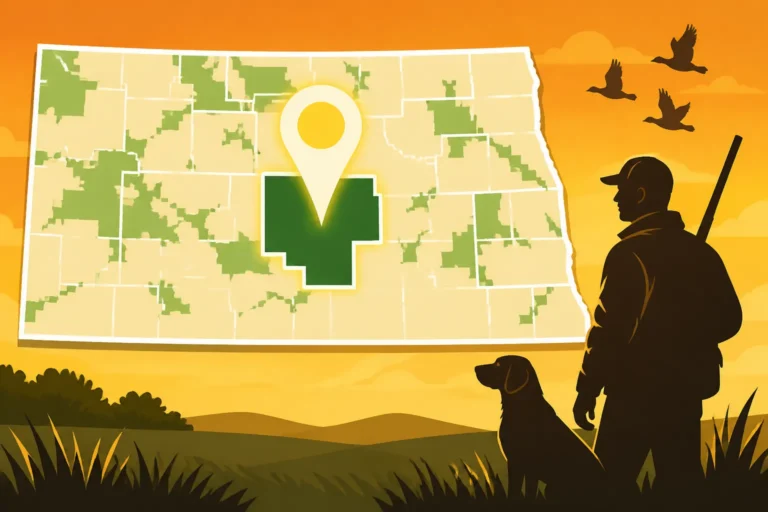
Selecting the perfect spot requires a bit of savvy, combining knowledge of the terrain, game movement, and regulations. You want to be close enough to your stand for convenience, but far enough not to spook any animals. A good rule of thumb is to be at least a few hundred yards from your intended hunting zone. Consider factors like prevailing wind direction; you don't want your camp's scent wafting directly into your hunting area. Using tools like onX Hunt can be incredibly helpful here. Their layers can show you land boundaries, topographic features, and even vegetation types, allowing you to identify natural barriers or secluded draws where you can set up discreetly. Reading Aerial Photos for Badlands Deer will also help you identify hidden pockets or remote coulees that offer both cover for your camp and proximity to deer travel corridors.
Look for natural cover—a cluster of junipers, a hidden draw, or a rise in the terrain that shields your camp from view, both from wildlife and other hunters. Avoid setting up in low-lying areas that might collect water or cold air, or directly on game trails. Proximity to a reliable water source (if you have filtration) can be a huge bonus, but remember the rule about camping away from water bodies to protect them. Think about how you'll access your stand from camp—can you do it quietly and out of sight of where you expect game to be? Maybe a small ridge or a thicket of brush can provide cover for your morning walk. Keep in mind that Camping Rules on North Dakota National Grasslands often specify distances from roads and water, so always confirm those specifics.
Minimizing Impact and Maintaining Stealth
Your campsite should be an extension of your hunting strategy, not a deterrent. Stealth starts with your setup. Use camouflaged or earth-toned gear that blends into the environment. When choosing a tent, a small, low-profile model is better than a bright, towering structure. Avoid unnecessary noise during setup and throughout your stay. This means no loud music, shouting, or banging around gear. If you arrive late, try to set up as quietly as possible, perhaps even foregoing a full setup until morning if absolutely necessary and safe.
Scent control extends beyond your hunting clothes to your camp itself. Store food in airtight containers, keep cooking smells to a minimum, and pack out all food waste. Consider a scent-proof bag for your garbage. Remember that many small game animals and predators, like coyotes or badgers, are opportunistic and will be attracted to food smells, which can then deter larger game. Proper waste disposal is critical, both for sanitation and to leave no trace. This includes burying human waste at least 6-8 inches deep and 200 feet from water sources, trails, and campsites. If you're using a ground blind near your stand, remember the general Ground Blind Rules on North Dakota WMAs might also offer good advice on minimizing visibility and scent, which translates well to a stealthy camp.
Essential Gear and Safety Considerations for Remote Camping
Camping near your stand on the National Grasslands means you'll likely be in a remote area, far from immediate assistance. Being well-equipped and prepared for any eventuality is non-negotiable.
What to Pack for a National Grassland Camp
Your gear list for a remote camp needs to be robust, anticipating North Dakota's famously unpredictable weather and rugged terrain. Start with your shelter: a reliable tent or bivy sack that can withstand strong winds, rain, or even an early season snow. A warm sleeping bag rated for temperatures well below what you expect, a comfortable sleeping pad, and a small pillow will make a world of difference for a good night's rest. For cooking, a compact, efficient camp stove is essential. Propane or white gas stoves are reliable and don't require a fire, which is crucial during fire bans. Bring plenty of fuel.
Water is life. Plan on carrying enough water for a day or two, and have a reliable water filter or purification tablets for replenishing from natural sources (if available and safe). Food should be non-perishable, calorie-dense, and easy to prepare. Think dehydrated meals, jerky, nuts, and energy bars. Don't forget a headlamp with extra batteries, a sharp knife, a small shovel or trowel, and rope or cordage. For navigation, a fully charged GPS device or smartphone with a reliable hunting app like onX Hunt is invaluable, especially when paired with a backup physical map and compass. Remember, cell service can be spotty to non-existent on large portions of the National Grasslands. A satellite messenger or personal locator beacon (PLB) is a wise investment for emergencies, allowing you to communicate even without cell signal. Lastly, Packing for an Eight-Day North Dakota Elk Hunt offers excellent insights into general remote hunt packing principles that apply here.
Safety and Emergency Preparedness
Safety in the field begins with telling someone where you're going and when you expect to return. A detailed float plan, even if you're not on water, is critical. Be acutely aware of fire danger. Carry a small fire extinguisher or a shovel and water to quickly douse any unintended flames, and never leave a fire unattended. Wildlife encounters are part of the National Grasslands experience. While large predators are rare, coyotes, badgers, and even deer can be curious. Store food properly, keep a clean camp, and know how to act if you encounter an animal.
North Dakota weather can change in an instant, from sunny and calm to fierce thunderstorms or blizzards. Pack layers of clothing, including waterproof outer shells, even if the forecast looks clear. Hypothermia and heatstroke are real threats depending on the season. A well-stocked first-aid kit, tailored for wilderness use, is non-negotiable. It should include items for cuts, scrapes, blisters, sprains, and any personal medications. Consider taking a basic wilderness first aid course before heading out. Knowing the closest town with medical services, and having a plan to get there if needed, is also smart. Being prepared isn't about expecting the worst, it's about being ready for anything.
Integrating Camping with Your Hunting Strategy
Your decision to camp near your stand should be a tactical one, designed to give you an edge, not create new problems. Thoughtful integration of your camp into your hunting routine is key to success.
Advantages for Different Hunting Methods
Camping close to your stand offers distinct advantages for various hunting styles. For those pursuing Bowhunting North Dakota's Long Archery Season, the ability to slip into your stand pre-dawn, without the noise and scent of a vehicle, is invaluable. Bowhunting often relies on intimate knowledge of deer patterns and subtle movements, and being on location early allows you to react to changing conditions or unexpected game activity. You can be settled and quiet long before legal shooting light, letting the woods slowly come alive around you. Similarly, for the North Dakota's November Gun Deer Season, especially during the peak rut, being able to quickly return to your stand for an evening sit after a warm mid-day break can keep you fresh and focused during prime movement hours. You might even find that simply being present in the area longer allows you to observe patterns you'd miss if you were driving in and out daily.
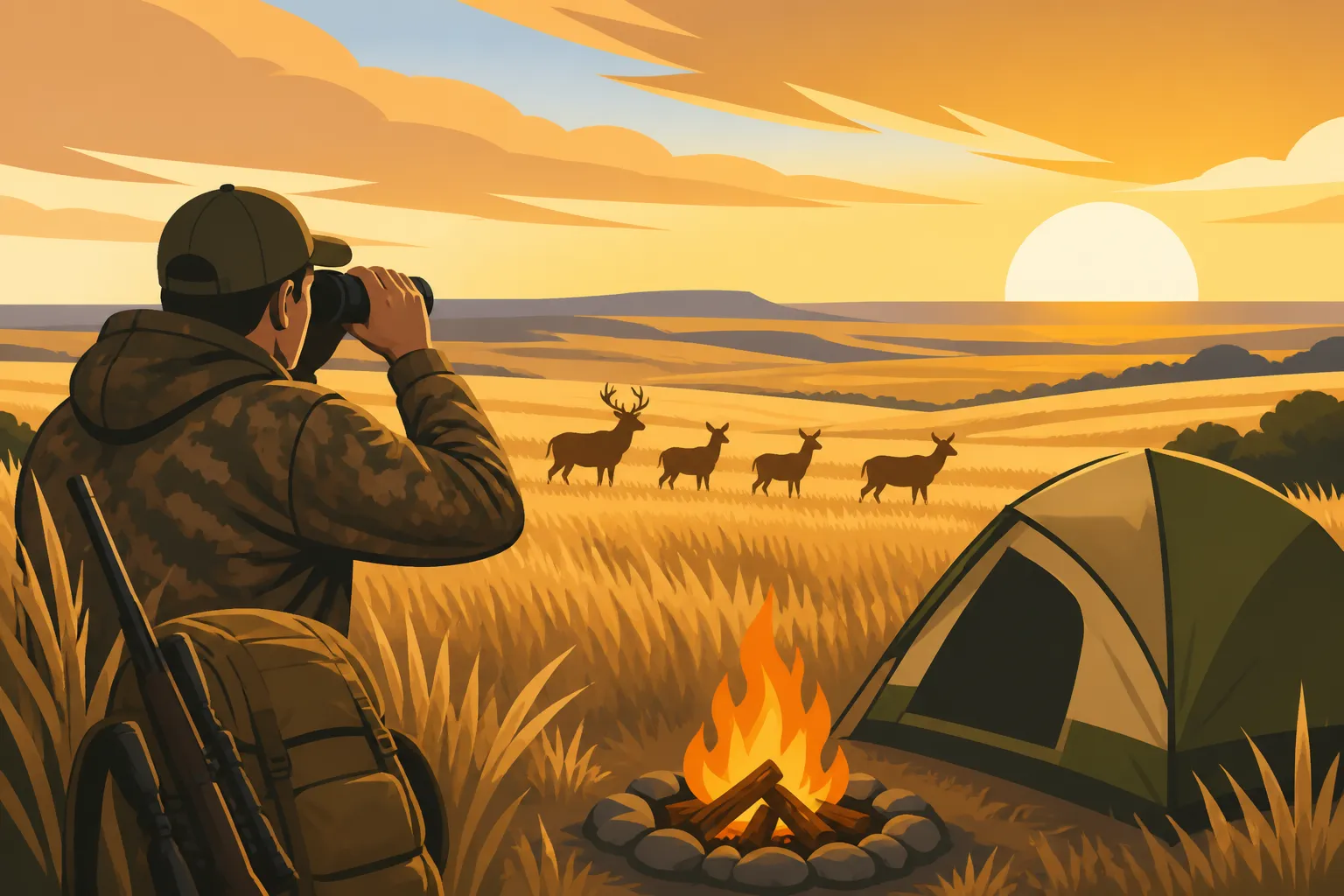
Imagine glassing a distant ridge just before dark, spotting a buck, and knowing you only have a short, stealthy walk back to camp instead of a long drive. This proximity allows for more flexible hunting hours, letting you stay out until the last legal minute without worrying about a long trek back. It also minimizes the impact of human presence during non-hunting hours, allowing deer to feel more secure in their natural environment.
Overcoming Challenges of Stand-Side Camping
While appealing, camping near your stand isn't without its challenges. The primary concern is your presence impacting game movement. Scent, noise, and visual disturbance from your camp can easily spook animals. To mitigate this, set your camp downwind and out of sight from primary travel corridors or bedding areas. If possible, use terrain features to your advantage, such as a ridge or a deep coulee, to physically separate your camp from your hunting zone. Avoid unnecessary movement or loud activities, especially during prime hunting hours. Think about the subtle sounds – the crackle of a fire (if permitted), the clatter of cooking gear, or even the rustle of your sleeping bag.
Another consideration is other hunters. On public land, you're rarely alone. A visible camp might draw unwanted attention or indicate your hunting area to others. Choosing a discreet, well-hidden location helps maintain your privacy and keeps your hunting spots less obvious. Always respect other hunters' space and be mindful of your proximity to them. While you might use an app like onX Hunt to see public land boundaries, remember it won't show you where other hunters are. Finally, dealing with waste (human, food, and trash) in a remote setting requires diligence. Proper disposal prevents attracting wildlife to your camp and preserves the pristine nature of the National Grasslands for everyone.
| Feature | Pros of Camping Near Your Stand | Cons of Camping Near Your Stand |
|---|---|---|
| Convenience | Minimal travel time; quick access for breaks/adjustments | Can be physically demanding to pack in gear |
| Stealth & Access | Quieter entry/exit; first light advantage; extend hunting hours | Risk of spooking game with scent/noise from camp |
| Comfort | Ability to warm up, cook hot meals, rest mid-day | Exposure to elements; limited amenities; less personal hygiene |
| Cost | Avoids lodging fees in town | Requires investment in quality camping/survival gear |
| Environmental | Immersive experience; deeper connection to the land | Higher potential for human impact if Leave No Trace isn't followed |
| Safety | Faster reaction to weather shifts from being onsite | Remote location means slower emergency response; self-reliance needed |
Disclaimer
This article is for general informational purposes only and does not constitute professional advice. Laws, prices and regulations vary by location and change over time. Consult a qualified professional for guidance on your specific situation.