Packing for an Eight-Day North Dakota Elk Hunt
The thought of packing for an eight-day elk hunt in the vast, rugged North Dakota Badlands can feel overwhelming, can't it? You’re staring at an empty backpack, picturing the unpredictable weather swings, the steep coulees, and the sheer effort of covering miles on foot, all while wondering if you’ve forgotten something critical. This comprehensive guide will walk you through every essential item, from your innermost layers to your most crucial safety gear, ensuring you’re prepared for the challenges and incredible rewards of pursuing elk in North Dakota.
Understanding the North Dakota Elk Hunt Environment
Before you even think about what goes into your pack, you've got to wrap your head around where you're going and what it's really like out there. The North Dakota Badlands aren't just pretty scenery; they're a dynamic, demanding environment that will test your gear and your resolve. Understanding these conditions is the absolute foundation for smart packing, because the wrong choices here can quickly turn an epic hunt into a miserable survival situation.
The Unpredictable Badlands Weather
If there's one thing veteran North Dakota hunters know, it's that the weather laughs in the face of forecasts. You can start your day with crisp, cool air that screams "perfect elk hunting weather," only to have a fierce wind whip up by midday, followed by an unexpected rain shower or even an early-season snow flurry by afternoon. Temperatures can swing wildly, often by 30-40 degrees Fahrenheit in a single day, especially during the fall elk seasons. This means your packing strategy must account for everything from mild conditions to bone-chilling cold, potentially all within a 24-hour period. You're not just preparing for a typical fall day; you're preparing for whatever Mother Nature decides to throw at you across those eight days, including those chilly mornings you'll experience if you’re Hunting the Early Antlerless Elk Period.
Imagine being miles deep in a coulee, glassing for elk, when a sudden cold front pushes through. If you packed only for "cool fall weather," you'd quickly be shivering, losing focus, and risking hypothermia. Conversely, packing too heavy with bulky, warm layers for a mild day means you'll be sweating profusely on an uphill climb, which can lead to dangerous chilling once you stop moving. This unpredictability is precisely why a versatile layering system, which we'll dive into shortly, isn't just a suggestion—it's a non-negotiable requirement. You need to be able to add and subtract insulation as conditions change minute by minute, not just day to day.
Terrain and Physical Demands
The Little Missouri Badlands are a breathtaking labyrinth of steep buttes, deep coulees, and rugged draws. This isn't flat prairie hunting; it's physically demanding, often requiring significant elevation changes and traversing uneven, broken ground. You’ll be hiking, climbing, and descending, sometimes with a heavy pack on your back, and potentially with even more weight if you're successful and packing out an elk. The terrain itself can be slick with mud after rain, loose with shale rock on steep slopes, or covered in dense sagebrush and juniper in the bottoms, all of which demand appropriate footwear and gear.
The sheer scale of the Badlands also means you'll be covering a lot of ground. Eight days means multiple days of walking 5-10+ miles, often off-trail, as you glass for animals and stalk into position. This level of sustained physical activity, combined with the rugged landscape, dictates that every item you carry should be considered for its weight, durability, and functional purpose. You need gear that can withstand abuse, provide comfort over long distances, and, most importantly, not fail when you're far from any trailhead or vehicle access point. Think about the strain on your ankles and knees as you navigate those steep, broken hills, or the importance of a comfortable pack when you’re Physical Prep for Badlands Elk Terrain.
Clothing System for Layering Success
Layering isn't just a buzzword in hunting; it's the absolute cornerstone of comfort and safety, especially when you're facing North Dakota's notorious weather variability. The goal is to create a versatile system that allows you to easily adjust your clothing to match your activity level and the ambient temperature, preventing both overheating and chilling. This isn't about buying the most expensive gear, but rather selecting pieces that work together to manage moisture, provide insulation, and protect you from the elements.
Base Layers and Moisture Management
Your base layer is your first line of defense, sitting directly against your skin. Its primary job is to wick moisture (sweat) away from your body, even during intense climbs or long stalks. If sweat stays on your skin, it will cool you down rapidly when you stop moving, leading to hypothermia, even in relatively mild temperatures. For North Dakota elk hunting, I highly recommend merino wool or high-quality synthetic base layers. Merino wool is fantastic because it's naturally odor-resistant, incredibly comfortable, and insulates even when damp. Synthetics are also great, often drying faster, and can be more budget-friendly.
You’ll want both a lightweight and a mid-weight set of base layers. For example, a lightweight merino top and bottoms for active days or warmer periods, and a mid-weight set for colder mornings, stationary glassing, or layering underneath on truly frigid days. Avoid cotton at all costs—it absorbs moisture and holds it, drawing heat away from your body. Trust me, you don't want to be miles from camp, damp and cold, wishing you'd left your favorite cotton t-shirt at home. This attention to detail applies whether you're climbing for elk or Hunting North Dakota's Badlands Mule Deer Country.
Mid-Layers for Insulation and Warmth
Mid-layers are your workhorses for insulation. These are the pieces you'll add or remove most frequently throughout the day to regulate your body temperature. Fleece jackets, puffy vests, and lightweight insulated jackets are all excellent choices. The key here is warmth-to-weight ratio and compressibility. You want something that provides significant warmth without being bulky, allowing you to pack it down easily into your backpack when not in use.
Consider a mid-weight fleece or grid-fleece jacket for active periods in cooler weather, as it breathes well while providing warmth. For colder situations, a synthetic puffy jacket or vest is invaluable. Unlike down, synthetic insulation maintains much of its insulating properties even if it gets wet, which is a big plus in unpredictable weather. Layering a puffy vest over a fleece can give you remarkable warmth without restricting movement, allowing you to sit comfortably while Glassing Badlands Coulees for Elk for hours without getting chilled.
Outerwear for Protection Against the Elements
Your outer shell is your fortress against wind, rain, and snow. For an eight-day elk hunt, you need a reliable, waterproof, and windproof jacket and pants. Look for options with Gore-Tex or similar high-performance waterproof/breathable membranes. The "breathable" part is crucial; it allows some body vapor to escape, preventing you from getting soaked from the inside out due to sweat. A good shell will also block the wind, which can be relentless in the exposed Badlands and will cut right through non-windproof layers, even warm ones.
Ensure your outerwear is durable enough to withstand brush, rocks, and general abuse. Features like pit zips for ventilation, adjustable cuffs and hoods, and reinforced high-wear areas are all worth considering. Pack a lightweight rain jacket and pants that can be quickly deployed when a sudden shower rolls in, but also a heavier, more insulated outer layer for colder, windier conditions. Remember, these layers are your last line of defense against the elements, and hypothermia is a very real threat in this environment.
Essential Gear for the Backcountry Hunter
Beyond your clothing, a host of specialized gear is absolutely critical for a successful and safe eight-day elk hunt. This isn't just about comfort; it's about survival, navigation, and ensuring you can effectively hunt and process your animal once it's on the ground. Every item in this category serves a vital purpose, making your hunt more efficient, safer, and ultimately more enjoyable.
Backpacks, Shelters, and Sleep Systems
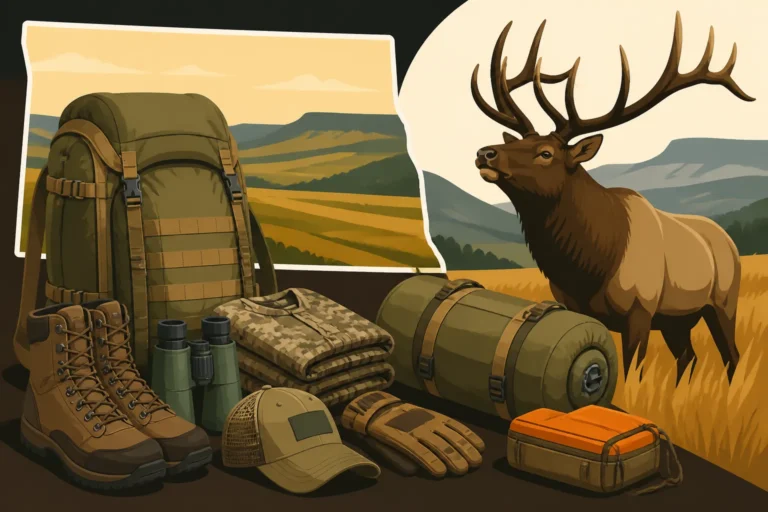
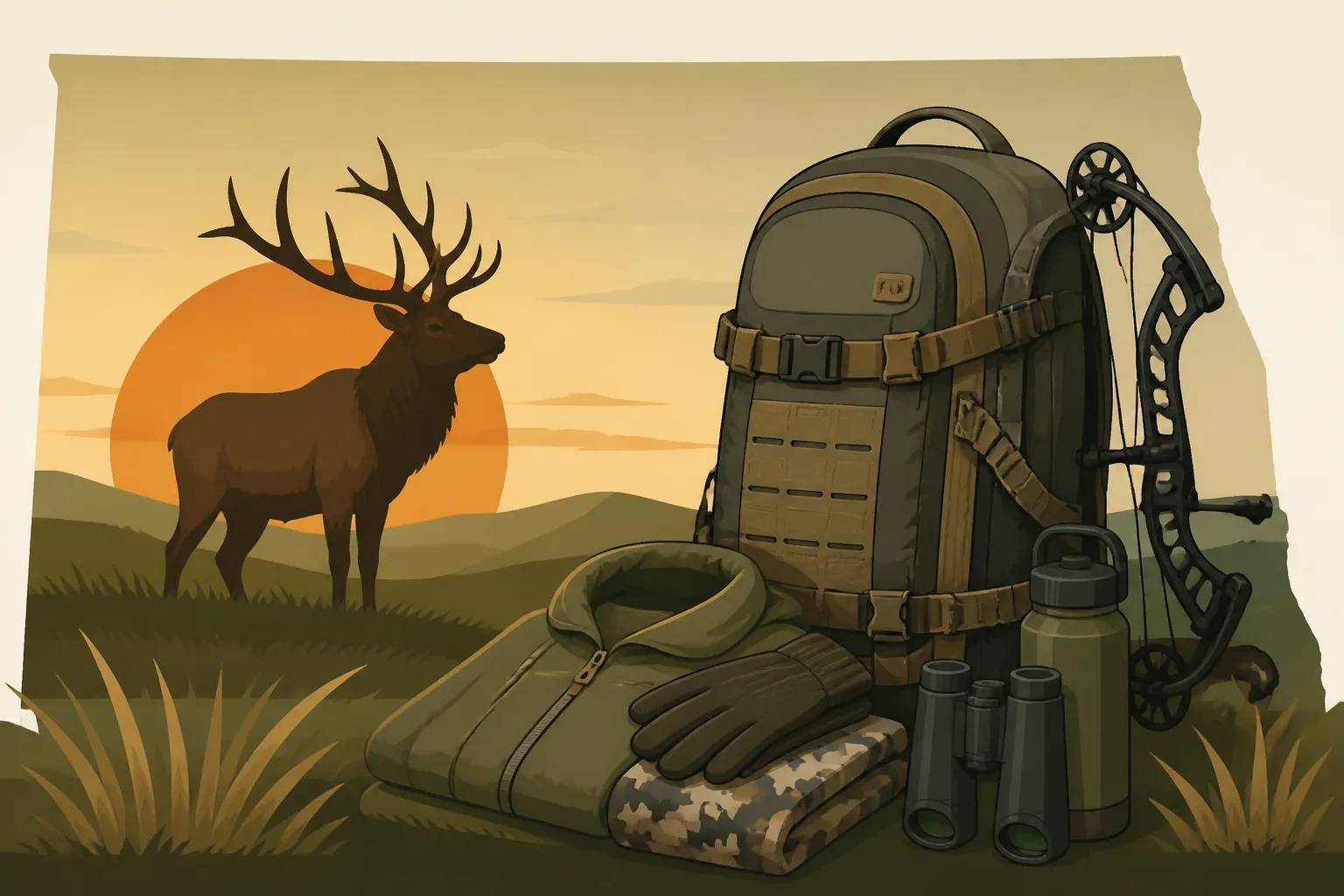
For an eight-day backcountry hunt, your backpack isn't just a bag; it's your mobile basecamp. You'll need a large, comfortable pack with an internal or external frame, capable of carrying 60-80 liters or more. Crucially, it must be able to comfortably handle not only your gear but also the heavy, awkward load of an elk quarter should you be successful. Look for packs with good weight distribution, adjustable harnesses, and plenty of external straps for securing bulky items. Brands like Mystery Ranch, Kifaru, and Stone Glacier are popular among serious elk hunters for their robust design and load-carrying capabilities.
Your shelter and sleep system are paramount for recovery and staying warm during long nights. A lightweight, durable backpacking tent or a robust bivy sack that can withstand Badlands winds and potential precipitation is essential. Pair this with a sleeping bag rated for at least 0 to 20 degrees Fahrenheit, depending on the time of year and your personal comfort level. Even if the days are mild, nights can drop significantly. Don't skimp on a good sleeping pad, either. An insulated air pad provides crucial warmth by keeping you off the cold ground, preventing conductive heat loss, and significantly improving your sleep quality after a hard day of Spot-and-Stalk Elk in the Little Missouri Badlands.
Navigation, Communication, and Safety Tools
Getting lost in the Badlands can be a serious situation. Reliable navigation is non-negotiable. This means a dedicated GPS unit (Garmin InReach or similar models are excellent, offering two-way satellite communication and SOS capabilities), a detailed paper map of your hunting unit, and a compass. Learn how to use them before you go. Your phone can be a backup with mapping apps like onX Hunt, but cell service is sparse to non-existent in many Badlands areas, so don't rely solely on it. Consider downloading offline maps for your chosen unit.
For communication, a satellite messenger is a lifeline. Even if you're hunting with a partner, unexpected events happen. These devices allow you to send and receive texts outside of cell service and trigger an SOS if needed. For safety, a comprehensive first-aid kit is mandatory, tailored for backcountry use with items for cuts, blisters, sprains, and potential animal encounters. Carry a headlamp with extra batteries, a fire starter, a knife, and a small signaling mirror. A whistle is also a simple, effective signaling device. Knowing the Wind and Thermals in Badlands Terrain can also aid in your navigation and safety.
Optics and Shooting Support
Elk hunting in the Badlands often involves extensive glassing, as the animals can be scattered across vast, broken terrain. High-quality binoculars (10×42 or 10×50 are common choices) are essential for spotting distant animals and evaluating their size. Consider a spotting scope (15-45x or 20-60x) if you plan on covering very large areas or need to make definitive judgment calls on antler points from a distance. A tripod for your optics is highly recommended; it dramatically reduces eye fatigue and allows for much steadier viewing, helping you pick out the subtle details that betray a bedded elk.
For shooting support, if you're rifle hunting, a sturdy bipod attached to your rifle or shooting sticks will provide a stable platform for accurate shots in varied terrain. Practice with your chosen support system extensively before your hunt to ensure you're comfortable and proficient. Regardless of your weapon, always carry a small cleaning kit for basic maintenance, especially if hunting in dusty or wet conditions. A rangefinder is also crucial for accurately judging distances in the wide-open and often deceiving Badlands landscape.
Food, Water, and Sustenance Strategy
Fueling your body properly is just as important as the right gear when you're exerting yourself daily for eight days. Dehydration and calorie deficits lead to fatigue, poor decision-making, and can seriously impact your hunt. Your food and water strategy needs to be carefully planned to ensure you have enough energy and hydration without carrying excessive weight.
Hydration Planning and Water Filtration
Water is heavy, but indispensable. For an eight-day hunt, you simply can't carry all the water you'll need, so a robust water filtration system is a must. Options include pump filters, squeeze filters (like Sawyer Squeeze or Katadyn BeFree), or gravity filters. Carry a backup method, such as purification tablets (Aquamira or Katadyn Micropur). Always know your water sources ahead of time using maps and scouting, but be prepared for them to be dry or contaminated. A water bladder (2-3 liters) for your pack is great for hands-free hydration on the move, supplemented by a Nalgene bottle or two.
On average, you'll need at least 2-3 liters of water per day, possibly more depending on your exertion and the temperature. This means planning to filter regularly, topping off your bladders and bottles whenever you find a reliable source. Don't wait until you're thirsty; sip frequently throughout the day. Electrolyte packets are also highly recommended to replenish salts lost through sweat, helping to prevent cramps and maintain energy levels.
High-Energy Food for Extended Stays
Your food choices need to prioritize high caloric density, nutrition, and ease of preparation while minimizing weight. Freeze-dried meals are excellent for dinner; they're lightweight, quick to prepare with hot water, and offer a variety of flavors. For breakfast, instant oatmeal, coffee, or hot chocolate are good options. During the day, you'll need continuous energy, so pack a mix of snacks:
- Protein Bars/Granola Bars: Easy to eat on the go.
- Nuts and Dried Fruit (Trail Mix): High in calories and good fats.
- Jerky/Summer Sausage: Excellent protein boost.
- Hard Cheeses: Calorie-dense and satisfying.
- Electrolyte Chews/Gels: Quick energy when you're bonking.
- Crackers/Tortillas: Good for variety and scooping.
Plan out each meal and snack for all eight days, plus an extra day or two's worth of emergency rations in case you're delayed or need extra fuel. Repackage everything to remove excess packaging and save weight. While variety is nice, focus on what provides the most energy for the least weight. This is where researching with tools like GoHunt for high-performance backpacking food lists can really pay off.
Field Processing and Meat Care
The ultimate goal of an elk hunt is a successful harvest, and being prepared to ethically and efficiently process your animal in the field is paramount. This isn't just about bagging your elk; it's about respecting the animal and ensuring the meat is cared for properly, especially when you're miles from a cooler or butcher.
Essential Tools for Ethical Harvest
Once an elk is down, the clock starts ticking, and having the right tools makes all the difference. A sturdy, sharp hunting knife (or two) is essential for field dressing and quartering. A fixed blade is generally preferred for durability and ease of cleaning. Consider a replaceable blade knife (like those from Havalon or Outdoor Edge) for precision work like caping, as they offer razor sharpness. You’ll also want a bone saw for splitting the sternum or pelvis, or for removing the lower legs.
Crucially, bring game bags – lots of them. Breathable, synthetic game bags (like those from TAG Bags or Alaskan Game Bags) are far superior to cotton pillowcases. They protect the meat from flies and dirt while allowing it to cool. Plan for at least 8-10 bags: one for each quarter, one for the backstraps/tenderloins, and a few extras for trim meat or the head. Don't forget a pair of surgical gloves for hygiene, and maybe some wet wipes for quick clean-up. Remember, the Badlands can be remote, so a headlamp is key if you're processing after dark.
Cooling and Transporting Meat in Remote Areas
Proper meat care begins immediately after the animal is down. The goal is to cool the meat as rapidly as possible to prevent spoilage. After field dressing, skin the animal and quarter it. If allowed, removing the bone from the quarters will significantly reduce weight for packing out. Hang the quarters in game bags in the shade, allowing air circulation. If the weather is warm, this cooling process is even more critical. In colder weather, you have a bit more leeway, but air circulation is still important.
Transporting the meat out of a remote Badlands coulee is arguably the most physically demanding part of the hunt. You'll be making multiple trips with heavy loads. A heavy-duty pack frame (often integrated into your primary pack) is designed for this. Remember that an average cow elk can yield 150-200 pounds of boned-out meat, and a bull even more. Breaking it down into manageable loads of 50-70 pounds per person per trip is wise. Planning your approach and exit strategy, including potential routes and the use of game carts if the terrain allows (though it rarely does in the true Badlands), should be part of your pre-hunt scouting. This logistical planning is vital, just as it would be if you were considering North Dakota's Lottery-Based Deer Gun Season or Elk Hunting North Dakota's Badlands.
Personal Items and Contingency Planning
While the big gear gets all the glory, the small, often overlooked personal items and contingency plans can make or break an eight-day hunt. Being comfortable, healthy, and prepared for minor setbacks ensures you can stay focused on the hunt rather than being distracted by preventable issues.
Hygiene, First Aid, and Repair Kits
Maintaining basic hygiene in the backcountry is important for comfort and health. Pack travel-sized toiletries: a toothbrush, toothpaste, biodegradable soap, and hand sanitizer. Wet wipes are invaluable for quick clean-ups when water is scarce. A small towel or quick-dry cloth can also be useful. For eight days, you’ll also want extra socks—at least one fresh pair per day is a good rule of thumb to prevent blisters and maintain foot health.
Your first-aid kit needs to be comprehensive for backcountry use. Beyond the basics (bandages, antiseptic wipes, pain relievers), include items for blisters (moleskin, blister tape), sprains (elastic bandage), and any personal medications you require. Consider adding electrolyte tablets and antacids. A small repair kit can be a lifesaver: duct tape (wrap a length around your water bottle), zip ties, needle and thread, a few safety pins, and a multi-tool can fix a surprising number of gear failures in the field. Don't forget a small tube of super glue for quick gear repairs or even minor cuts.
Documentation and Important Extras
Always carry your hunting license, tags, and any necessary permits (like your North Dakota General Game and Habitat License Cost) in a waterproof pouch. Having physical copies, in addition to digital ones on your phone, is a smart backup. Identification (driver's license) and proof of hunter education are also important. Make sure your phone is fully charged before heading out and consider a portable power bank or solar charger to keep it, and your GPS unit, juiced up.
Other crucial extras include:
- Headlamp with extra batteries: Essential for early mornings, late evenings, and processing game after dark.
- Lighter/Waterproof Matches/Fire Starter: Crucial for warmth, cooking, and emergencies.
- Whistle: For signaling.
- Sunscreen and Lip Balm: The Badlands sun can be intense, even in cooler weather.
- Insect Repellent: Depending on the season, mosquitoes and ticks can be a nuisance.
- Small Notebook and Pen: For recording observations, blood trails, or just journaling your experience.
- Binocular Harness: Keeps your optics secure and easily accessible.
- Cash: For unexpected needs or emergencies where cards aren't accepted.
This attention to detail ensures you’re not caught off guard by minor inconveniences, allowing you to focus on the truly important aspects of your hunt, like the pursuit of White-Tailed Deer Across North Dakota or Pronghorn Antelope in Western North Dakota in different seasons.
Eight-Day North Dakota Elk Hunt Packing Checklist
To help you organize your thoughts and ensure nothing critical is left behind, here's a comprehensive checklist. Remember to adapt it to your specific needs, the time of year, and anticipated weather conditions.
| Category | Item | Notes |
|---|---|---|
| Clothing (Layering) | Lightweight Base Layer (top & bottom) | Merino wool or synthetic, 2-3 sets |
| Mid-Weight Base Layer (top & bottom) | Merino wool or synthetic, 1-2 sets (for colder temps) | |
| Fleece Jacket/Pants | 1-2 sets, for insulation and active wear | |
| Insulated Puffy Jacket | Synthetic fill, packable, for static warmth | |
| Waterproof/Windproof Rain Gear (jacket/pants) | Lightweight, breathable shell | |
| Warm Outer Jacket | Insulated, for cold/windy conditions (can be combined with puffy for extreme cold) | |
| Warm Hunting Pants | Durable, breathable, 2 pairs | |
| Camp Pants/Lightweight Bottoms | For comfort in camp (optional, if space allows) | |
| Warm Hat/Beanie | Wool or fleece | |
| Wide-brimmed Hat/Cap | Sun protection | |
| Gloves (lightweight & insulated) | Light pair for dexterity, warm pair for cold | |
| Wool/Synthetic Socks | At least 8-10 pairs (1 per day + spares) | |
| Gaiters | Keeps debris out of boots, adds warmth | |
| Footwear | Durable Hunting Boots | Broken-in, waterproof, appropriate for rugged terrain |
| Camp Shoes/Crocs | For comfort around camp (optional) | |
| Sleep System | Backpacking Tent/Bivy | Lightweight, wind/weather resistant |
| Sleeping Bag | Rated 0-20°F, appropriate for season | |
| Insulated Sleeping Pad | Crucial for warmth and comfort | |
| Backpack & Carry | Primary Hunting Pack | 60-80L+, capable of hauling meat, with frame |
| Day Pack (optional) | Small pack for day hunts from a spike camp | |
| Navigation & Safety | GPS Unit w/ extra batteries/charger | Pre-loaded maps, two-way communication (e.g., Garmin inReach) |
| Paper Map (waterproof) | Specific to hunting unit | |
| Compass | Know how to use it! | |
| Headlamp w/ extra batteries | At least two sets of batteries | |
| First-Aid Kit | Comprehensive for backcountry, personal meds | |
| Fire Starter (Lighter/Matches/Ferro Rod) | Waterproof options | |
| Knife (Fixed Blade & Replaceable Blade) | Sharpened, with sheath | |
| Multi-Tool | Essential for various tasks | |
| Whistle | For signaling | |
| Signal Mirror | For emergencies | |
| Optics & Shooting | Binoculars (10×42/10×50) | High-quality, good light transmission |
| Binocular Harness | Keeps optics secure and accessible | |
| Spotting Scope w/ lightweight tripod | For long-range glassing (optional, but highly recommended) | |
| Rangefinder | Accurate distance measurement | |
| Rifle/Bow | Zeroed and practiced | |
| Ammunition/Arrows | Adequate supply | |
| Bipod/Shooting Sticks | For stable shooting platform | |
| Small Cleaning Kit | For firearm/bow maintenance | |
| Food & Hydration | Water Filter/Purifier | Reliable system with backup tablets |
| Water Bladder (2-3L) | For in-pack hydration | |
| Nalgene/Water Bottles | 1-2, for camp/backup | |
| High-Energy Freeze-Dried Meals | 8+ days' worth (plus 1-2 emergency meals) | |
| Snacks (bars, nuts, jerky, dried fruit) | High-calorie, varied for continuous energy | |
| Electrolyte Mix/Tablets | To replenish salts | |
| Instant Coffee/Tea/Hot Chocolate | For warm drinks | |
| Field Processing | Game Bags | Breathable, synthetic (at least 8-10) |
| Bone Saw (collapsible) | For breaking down quarters | |
| Surgical Gloves | For hygiene during processing | |
| Wet Wipes/Small Hand Towel | For clean-up | |
| Personal Items | Toiletries (travel-sized) | Toothbrush, paste, biodegradable soap, hand sanitizer |
| Sunscreen & Lip Balm | SPF 30+ | |
| Insect Repellent | Depending on season and area | |
| Small Repair Kit | Duct tape, zip ties, needle/thread, super glue | |
| Prescription Glasses/Contacts & Solution | Plus a spare set | |
| Camp Chair/Sit Pad | For comfort (optional, if space/weight allows) | |
| Sunglasses | Glare protection | |
| Documentation & Extras | Hunting License & Tags | Waterproof pouch, physical & digital copies |
| ID (Driver's License) | ||
| Proof of Hunter Education | ||
| Portable Power Bank/Solar Charger | For electronics | |
| Small Notebook & Pen | For notes/journaling | |
| Cash | For emergencies | |
| Camera (optional) | Capture memories! | |
| Extra Ziploc Bags | Various sizes, for trash, organizing |
Packing for an eight-day elk hunt in North Dakota's Badlands is no small feat, but with careful planning and the right gear, you'll be well-equipped to tackle the adventure. Focus on a versatile layering system, robust navigation tools, and a solid sustenance plan. Every item in your pack should earn its weight, ensuring you can stay safe, comfortable, and effective in pursuit of these incredible animals. Good luck, and happy hunting!
Disclaimer
The information provided in this guide is for informational purposes only and is not a substitute for professional advice. Hunting regulations, license requirements, and environmental conditions can change. Always consult the North Dakota Game and Fish Department's official regulations and check local weather forecasts before embarking on any hunting trip. Hunt safely and ethically.