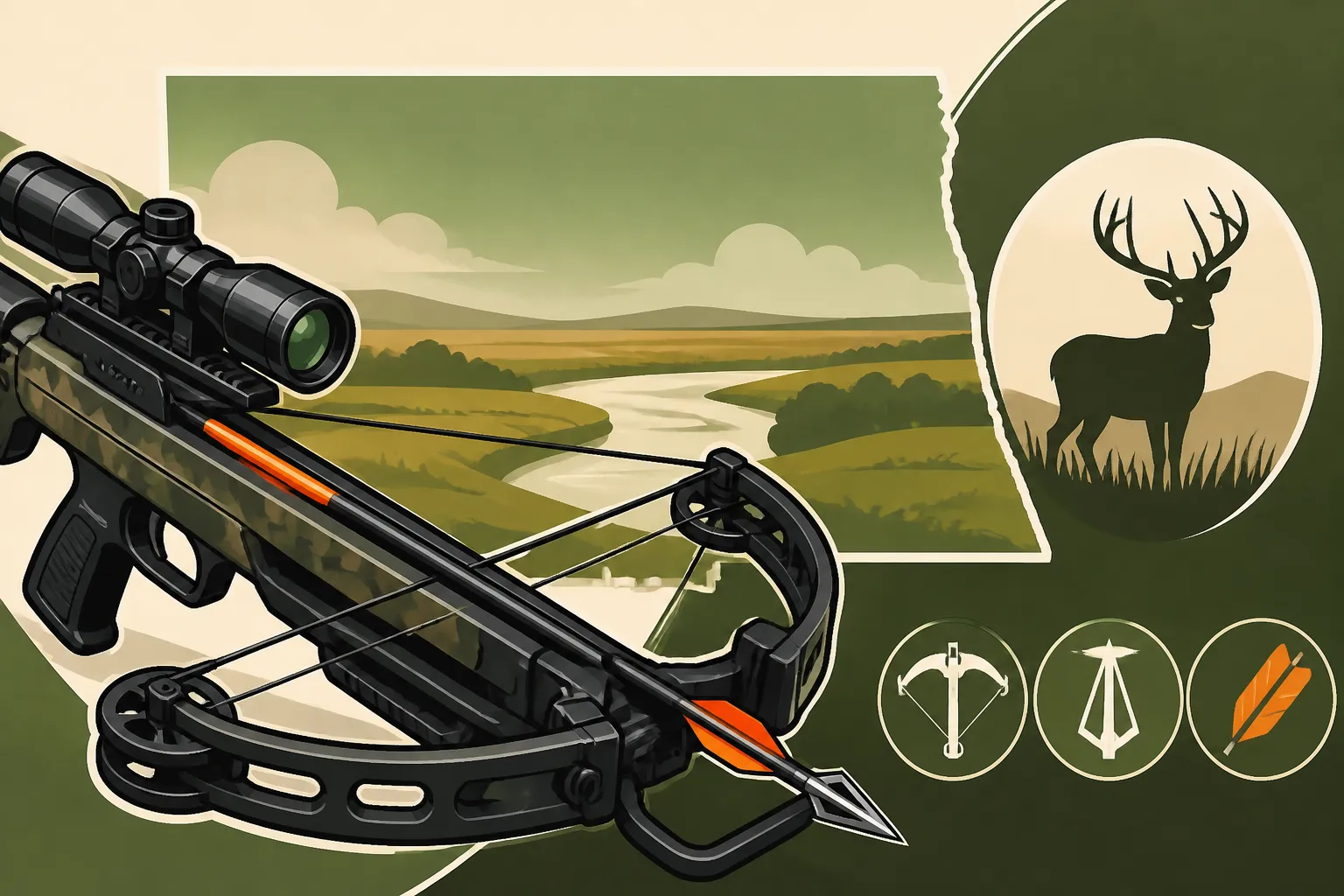
North Dakota Crossbow Equipment Rules
The world of hunting regulations can feel like a labyrinth, especially when you're trying to figure out the specifics for a piece of gear like a crossbow. Many hunters, new and seasoned alike, grapple with confusing state-by-state rules, wondering if their equipment is even legal or when they can actually use it. This guide is here to untangle the specifics of North Dakota's crossbow equipment rules, giving you a clear roadmap so you can hunt with confidence and stay within the bounds of the law.
Navigating North Dakota's Crossbow Regulations for Hunters
It's easy to assume that if it shoots an arrow, it's fair game during archery season. But with crossbows, states often have particular nuances. North Dakota has made efforts to standardize its rules, but understanding the precise language of the regulations is key. You don't want to find yourself in a sticky situation out in the field because of a simple misunderstanding.
The Legal Status of Crossbows in North Dakota
Let's get right to it: crossbows are indeed a legal method for hunting big game, small game, and even turkeys during their respective archery seasons in North Dakota. This wasn't always the case everywhere, and some states still treat crossbows differently than traditional archery equipment. But here in North Dakota, the Game and Fish Department recognizes crossbows as a legitimate tool for hunters. This means that if you're holding a valid archery license, you can generally use your crossbow during the open archery season without needing a separate, specific permit just for the crossbow itself, unlike some states where it might be restricted to specific populations or seasons. This acceptance has really opened up opportunities for many hunters, especially those who might find it challenging to draw and hold a traditional bow. For a deeper dive into the overall archery framework, check out our comprehensive guide on Bowhunting North Dakota's Long Archery Season.
Dispelling Common Misconceptions About Crossbow Use
One of the biggest misconceptions I hear circulating among hunters, especially those coming from other states, is that crossbows are only for disabled hunters or those with special permits. While North Dakota does have provisions for hunters with disabilities that allow them to use certain equipment during specific seasons, the general use of a crossbow during the regular archery season is not tied to a disability. Anyone with a valid archery license can pick up a crossbow and head afield, provided they adhere to all other regulations. Another myth is that crossbows are considered "firearms" by the state. This isn't true; they are classified under archery equipment, which is important because it dictates when and where you can use them. Understanding this distinction is vital, especially when you're looking at public land regulations where firearm and archery seasons might overlap or have different access rules.
Specific Equipment Requirements for Crossbows
Just because crossbows are legal doesn't mean anything goes. There are specific technical requirements your crossbow and its projectiles must meet to be considered legal for hunting in North Dakota. Ignoring these can lead to fines or worse, the loss of your hunting privileges. It's not just about the type of broadhead; it's about the entire setup.
Understanding Draw Weight and Bolt Specifications
North Dakota regulations specify minimum requirements for crossbows to ensure they can humanely harvest game. For big game, your crossbow must have a minimum draw weight of 75 pounds. This isn't just a suggestion; it's a legal threshold to ensure enough kinetic energy is generated for a clean kill. Most modern hunting crossbows easily exceed this, but it's something to double-check, especially if you're using an older model or one designed primarily for target shooting. When it comes to the bolts (which are essentially arrows for crossbows), they need to be at least 16 inches in length. This requirement also helps ensure stability and proper flight characteristics when paired with hunting broadheads. Furthermore, the bolt must weigh at least 300 grains total, including the broadhead. These specifications are put in place to ensure that the projectile has sufficient mass and momentum to penetrate deeply and effectively, leading to a quick and ethical harvest. If you're using a planning tool like GoHunt, you can often input your crossbow's specs to ensure they align with state regulations before you even leave your living room.
Approved Broadheads and Projectile Limitations
The broadhead is where the rubber meets the road, or more accurately, where the bolt meets the game. North Dakota has clear rules about what constitutes a legal broadhead for hunting big game. You must use a broadhead that is razor-sharp and has a minimum cutting diameter of 7/8ths of an inch. This applies to both fixed-blade and mechanical (expandable) broadheads. If you opt for a mechanical broadhead, it must achieve at least that 7/8-inch cutting diameter when open. This ensures that the broadhead creates a sufficiently large wound channel for effective blood trailing and a quick kill. What's absolutely forbidden are tranquilizer darts, explosive broadheads, or any broadhead that contains chemicals designed to stun or poison an animal. The intent is always to achieve a humane harvest through mechanical means. It’s also important to remember that lighted nocks are generally allowed, as are lighted reticles in your crossbow scope, which can be a huge advantage for shot placement in low light conditions during legal shooting hours.
Here's a quick summary table of key crossbow equipment rules:
| Equipment Component | Minimum Requirement (Big Game) | Prohibited Items |
|---|---|---|
| Draw Weight | 75 pounds | N/A |
| Bolt Length | 16 inches | N/A |
| Total Bolt Weight | 300 grains (including broadhead) | N/A |
| Broadhead Type | Razor sharp, 7/8" minimum cutting diameter | Tranquilizer darts, explosive broadheads, poison/chemical broadheads |
| Optics/Nocks | Lighted reticles, lighted nocks generally allowed | N/A |
When and Where You Can Hunt with a Crossbow
Knowing your equipment is legal is one thing, but knowing when and where you can actually use it is equally, if not more, important. North Dakota's seasons are structured, and sticking to those specific dates and locations is paramount.
Crossbow Use During North Dakota's Archery Season
The primary season for crossbow hunters in North Dakota is the archery deer season. This season typically runs for an extended period, starting in late August or early September and continuing into early January. During this long season, if you hold a valid archery tag, you can pursue deer with your crossbow. It's important to remember that the archery season has its own unique start date, often referred to as North Dakota Archery Season Opening Day. Unlike gun season, which is lottery-based and unit-specific for deer, archery licenses are generally over-the-counter and allow for more flexibility across much of the state, especially for residents. Non-residents, however, face some specific restrictions on public land during the initial days of the archery season. If you're a non-resident, be aware of How Many Days Nonresidents Wait for Public Land Bow Access before heading to a WMA or PLOTS tract with your crossbow. Always check the current year's proclamation for exact dates and any specific unit restrictions.
Special Considerations for Disabled Hunters and Other Seasons
North Dakota also has provisions for hunters with certain disabilities. For instance, if a hunter has a qualifying physical disability that prevents them from using traditional archery equipment or even conventional firearms, they may be eligible for a special permit. This permit can allow them to use a crossbow during the deer gun season, or other seasons where it wouldn't normally be permitted for the general public. These permits are granted on a case-by-case basis by the North Dakota Game and Fish Department, and require specific documentation from a medical professional. This is a crucial distinction: a general crossbow license is for the archery season, but a special permit can extend crossbow use into other seasons for those with documented needs. Additionally, crossbows are legal for hunting other game species like wild turkeys during their respective archery seasons. For instance, if you have a fall turkey archery tag, your crossbow is a perfectly legal tool.
Navigating Public vs. Private Land with a Crossbow
Whether you're hunting with a crossbow or a traditional bow, the rules for land access are consistent. Public lands, such as Wildlife Management Areas (WMAs), National Grasslands like the Hunting North Dakota's Little Missouri National Grassland, and PLOTS (Private Land Open To Sportsmen) areas, are generally open to archery hunting during the designated seasons. However, it's crucial to always check the specific regulations for each piece of public land you intend to hunt, as some areas may have unique restrictions or closures. Private land hunting with a crossbow requires landowner permission, just like any other hunting method. It's a good practice to obtain written permission to avoid any misunderstandings. Many hunters find using mapping tools, like those offered by GoHunt or similar services, incredibly helpful for identifying land ownership boundaries and understanding public access points. This tool can also show you Scouting PLOTS Land With the ND Hunt App, helping you locate potential areas for your crossbow hunt.
Maximizing Your Crossbow Hunting Success in North Dakota
Hunting with a crossbow offers a fantastic blend of challenge and opportunity. To truly make the most of your North Dakota experience, it’s about more than just legal compliance; it’s about preparation, ethical practices, and understanding the nuances of the game you pursue.
Essential Accessories and Maintenance
Just like any other hunting tool, a crossbow requires proper care and the right accessories to perform optimally. A good quality scope is paramount for accuracy, and many crossbow-specific scopes come with multiple reticle lines calibrated for different distances. A sturdy cocking device, whether rope-cocking or crank-cocking, is essential for consistent string tension and safety. Don't forget a wax stick for your string and cables to prolong their life, and a string dampener system to reduce noise and vibration. Quivers that attach securely to the crossbow are also key for quick follow-up shots. After each hunt, especially in the variable North Dakota weather, make sure to clean your crossbow, inspect the string and cables for fraying, and perform any necessary maintenance. Using a reliable case for transport will also protect your investment from bumps and scrapes on those rough prairie roads.
Ethical Considerations and Best Practices
Crossbow hunting, like all forms of hunting, comes with significant ethical responsibilities. The goal is always a quick, humane kill. This means ensuring your crossbow is sighted in perfectly before the season starts. Practice shooting at various distances you expect to encounter in the field. Understand your crossbow's effective range and stick to it; don't take a shot beyond what you and your equipment can consistently achieve. Shot placement is critical. Aim for the vital organs – the lungs and heart – to ensure a swift harvest. Take the time to identify your target properly and be absolutely sure of your background. Even with a crossbow, a bolt can travel further than you think. If you make a shot, give the animal ample time before tracking, especially if it's not a clear pass-through. Patience in tracking can be the difference between recovering your game and losing it. Finally, familiarize yourself with North Dakota Deer Reporting Requirements once you've successfully harvested an animal, as reporting is a legal obligation.
Disclaimer
Please be aware that hunting regulations can change frequently. While this guide aims to provide accurate and up-to-date information, it is your responsibility to consult the most current North Dakota Game and Fish Department (NDGFD) proclamations and regulations before heading afield. This content is for informational purposes only and does not constitute legal advice.