North Dakota Deer Reporting Requirements
That moment when you've finally connected with a North Dakota deer, the adrenaline is still pumping, and you're already thinking about the delicious venison, it's easy to overlook one critical step: reporting your harvest. Many hunters get so caught up in the excitement and the work of field dressing and hauling their deer out that the official reporting requirements can feel like an afterthought, or even a confusing bureaucratic hurdle. This guide is here to break down everything you need to know about reporting your deer in North Dakota, ensuring you fulfill your responsibilities as a hunter and contribute to the vital data that sustains our deer populations.
Why Deer Reporting Matters So Much in North Dakota
It's easy to view reporting a deer as just another piece of paperwork, a formality that stands between you and the freezer. But in North Dakota, every reported deer plays a crucial role in the health and future of our herds. It's not just about compliance; it's about active participation in wildlife conservation.
The Game and Fish Department's Need for Data
Imagine trying to manage a business without knowing how many products you're selling or what your inventory looks like. That's essentially what the North Dakota Game and Fish Department would be up against without accurate harvest data. Every deer reported—whether it's a majestic Badlands mule deer buck or a plump prairie whitetail doe—provides a data point that is meticulously collected and analyzed. This information isn't just filed away; it forms the backbone of the department's population management strategies.
Harvest data directly influences future season setting, tag allocations, and even specific unit-by-unit management decisions. If reporting numbers show a decline in harvest in a particular unit, it might signal a need to reduce tag numbers the following year to allow the population to rebound. Conversely, if harvest is consistently high, the department might be able to offer more opportunities without impacting the long-term health of the herd. Without this granular data, the Game and Fish would be flying blind, making it much harder to sustain healthy and huntable deer populations for generations to come. It's a continuous feedback loop, and your reported harvest is a vital part of that cycle.
Your Role in Wildlife Conservation
As hunters, we often talk about ethical hunting and our responsibility to the resource. Reporting your deer is a tangible way to live up to that responsibility. It’s more than just following a rule; it’s an active contribution to conservation. When you take the time to accurately report your harvest, you're directly aiding the Game and Fish in their efforts to manage deer populations sustainably. This contributes to a clearer understanding of the overall North Dakota Deer Population Estimate, allowing for more informed decisions.
Think of it this way: the more accurate the data, the better equipped wildlife managers are to ensure that North Dakota continues to offer incredible hunting opportunities. When fewer deer are reported than actually harvested, it skews the data, potentially leading to over-liberal tag allocations in the future, which could harm the deer herd. On the other hand, underreporting could cause the department to be overly conservative, limiting opportunities for hunters unnecessarily. Your honest and timely report helps paint a realistic picture, ensuring the long-term health of the deer herds and preserving the tradition of hunting in our state.
The Nuts and Bolts of North Dakota Deer Reporting
Once you've punched your tag, the next step is the actual reporting. It might seem daunting at first, especially if you're new to hunting in North Dakota or it's your first successful deer hunt, but the process is designed to be straightforward. Knowing the details beforehand can save you a lot of headache and ensure you comply with the law.
The Reporting Window and Deadlines
This is where many hunters can get tripped up, especially after a successful hunt that might end late in the day or far from cell service. In North Dakota, you are generally required to report your deer within 72 hours of harvest. This isn't just a suggestion; it's a legal obligation. Missing this window can lead to penalties, although often a good-faith effort and communication with the Game and Fish Department can resolve minor delays. The larger, overarching deadline for the season can vary slightly depending on the specific season (archery, gun, muzzleloader), but there is usually a final cutoff date for all deer tags, typically in January. For example, the official North Dakota Deer Reporting Deadline is usually January 10th of the following year for all deer harvested in the previous calendar year's seasons.
Why the 72-hour window? It helps ensure the data is collected promptly, while the details of the harvest are still fresh in the hunter's mind. Prompt reporting also allows the Game and Fish to compile preliminary harvest data more quickly, which can be critical for in-season adjustments or future season planning. It’s a tight window, but it’s manageable if you’re prepared.
Information You'll Need to Report Your Deer
Before you sit down to report, gather all your necessary information. Having it all at your fingertips will make the online process much smoother. You'll need:
- Your Hunting License Number: This is unique to you and links the harvest to your specific license.
- The Deer Tag Number: The physical tag you affixed to your deer will have a unique number.
- Harvest Date and Time: Be as accurate as possible.
- Hunting Unit (Unit #): The specific unit where you harvested the deer. This is crucial for localized data.
- Species of Deer: Whitetail or Mule Deer. Sometimes hunters misidentify, but accurate identification is important, especially in areas with overlapping habitats.
- Sex of the Deer: Buck or Doe.
- Antler Points (for bucks): Typically, you'll need to count the points on each side, including a brow tine as a point if it's at least one inch long. For example, a "4×4" would be reported as 8 total points.
- Method of Harvest: Archery, gun, or muzzleloader.
Each piece of this data is crucial. For instance, the hunting unit helps the Game and Fish track deer density by North Dakota Region and assess success rates in specific areas, which directly influences how many tags are issued in those units for future seasons. Antler points give insight into the age structure and quality of the buck herd. Without these specifics, the raw number of deer harvested loses much of its analytical value.
How to Actually Report Your Deer
Thankfully, North Dakota has made the reporting process quite accessible. The primary method, and certainly the most convenient for most hunters, is through the North Dakota Game and Fish Department's online portal. You'll visit their official website, navigate to the "Report a Harvest" section, and simply follow the prompts. It's a step-by-step process where you input the information gathered above. Many hunters find it easiest to do this from their home computer, ensuring a stable internet connection.
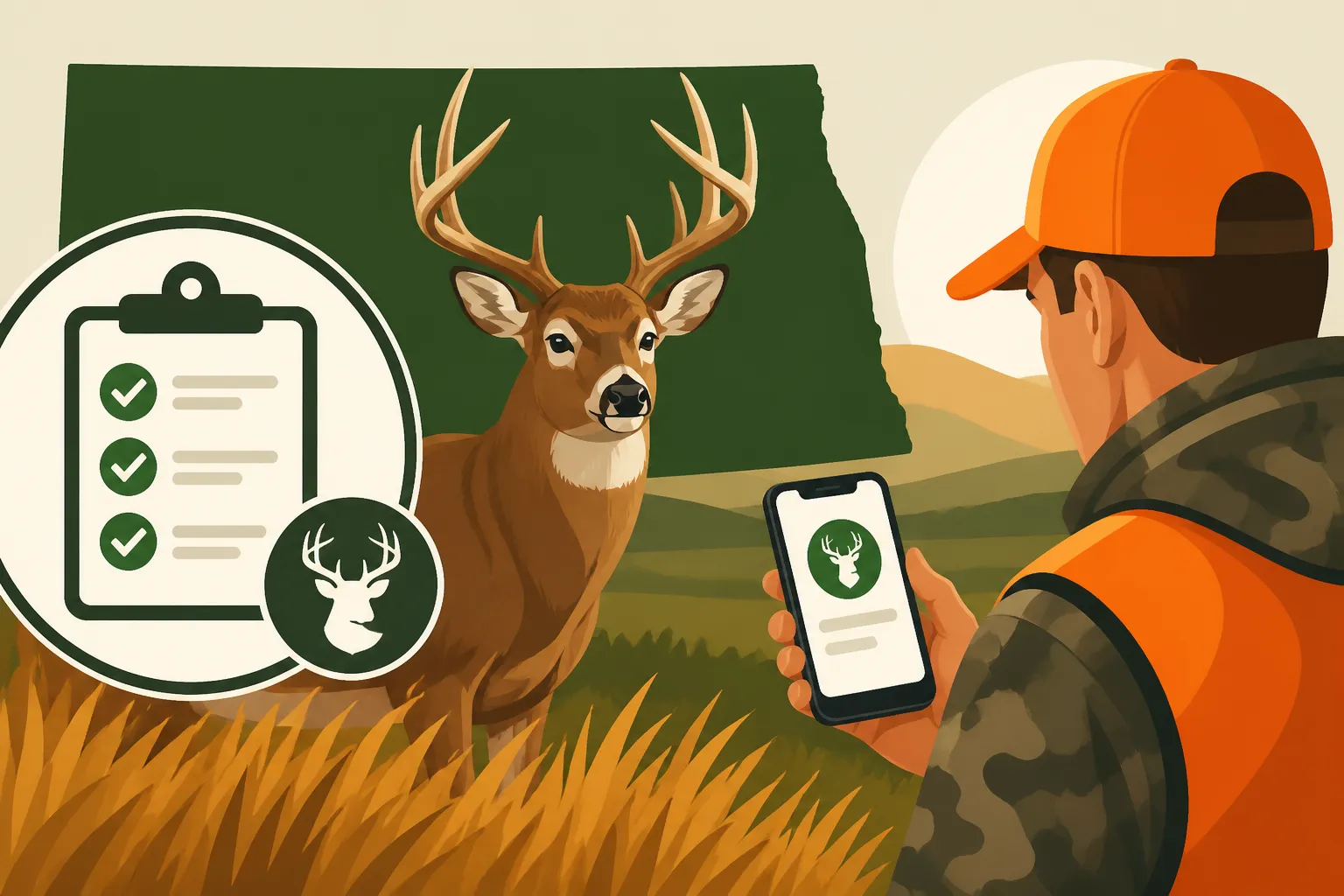
For those on the go or without immediate computer access, the ND Hunt App is an absolute game-changer. This free mobile application allows you to not only carry your license electronically but also report your harvest directly from your smartphone, even from the field if you have service. It often auto-populates some of your personal information, streamlining the process significantly. It's an intuitive platform, and frankly, a must-have for any modern North Dakota hunter. While less common now, historically there might have been phone-in options, but the online portal and the app are the most efficient and preferred methods. Some services, like GoHunt, also provide reminders and tools that can help keep track of these requirements, making your hunting experience smoother from planning to reporting.
Navigating Common Reporting Scenarios and Challenges
Even with a straightforward reporting system, real-world hunting often presents unique situations. Understanding how to handle these common challenges will ensure your reporting process remains compliant and stress-free.
Reporting a Deer in a CWD Hunting Unit
Chronic Wasting Disease (CWD) is a significant concern for wildlife managers and hunters alike, and North Dakota has implemented specific protocols for areas where the disease has been detected. If you harvest a deer in one of North Dakota's Fourteen CWD Hunting Units, which are predominantly in the western and central parts of the state, you'll have additional, mandatory reporting and testing requirements. The Game and Fish Department maintains a list of these units, and it's your responsibility to know if you're hunting in one.
When you report your deer online or via the app from a CWD unit, you'll likely be prompted with specific instructions. The most critical part is submitting the deer for CWD testing. This usually involves dropping off the head (with at least 4-6 inches of neck attached) at one of the designated CWD sampling stations. These stations, often located at locker plants, bait shops, or self-serve kiosks, are vital for monitoring the disease's spread and prevalence. Failure to submit a sample from a mandatory CWD unit harvest is a violation. The process for CWD Testing for North Dakota Hunters is usually clearly outlined on the Game and Fish website, providing locations and hours of operation for sampling sites. Always check the current year's proclamation for the most up-to-date CWD unit boundaries and testing requirements.
Dealing with Lost Tags or Technical Glitches
It happens. You're out in the field, maybe the weather turns, or you simply misplace your physical deer tag. Panic can set in, but don't fret. If you lose your tag before harvesting a deer, you'll need to contact the North Dakota Game and Fish Department for a replacement. They can issue a duplicate, often for a small fee. It’s always best to do this proactively. If you've already harvested your deer and realize your tag is gone, you should still immediately contact the Game and Fish. They can advise on the best course of action, which might involve a temporary paper tag or specific reporting instructions to ensure your harvest is legal.
Technical glitches with the online reporting portal or the ND Hunt App are rare but can occur. If the website is down, or the app isn't working, try again later. If the issue persists, document the problem (take screenshots if possible) and contact the Game and Fish Department directly. They are generally understanding of technical difficulties, but prompt communication on your part is key. Don't just give up; actively seek a solution. The goal is compliance, and they are there to help facilitate it.
Reporting Special Circumstance Harvests
North Dakota offers various hunting opportunities that might have slightly different reporting nuances. For instance, if a youth hunter takes a deer under North Dakota Youth Deer Season Rules, the reporting process is largely the same, but it's important to ensure the correct youth license information is used. Similarly, if you're lucky enough to draw a bonus antlerless tag in certain units, or hold a gratis license as a qualifying landowner, these harvests also require reporting through the standard system. The system is typically designed to differentiate between your general deer license and any additional tags you might possess.
In all these scenarios, the core principles remain consistent: affix your tag immediately, gather all the required data, and report within the specified timeframe. Always double-check which tag you are using and ensure the information entered matches that specific license and the animal harvested. If there’s ever any doubt, a quick call to the Game and Fish Department can clarify any ambiguities before you submit your report.
The Impact of Accurate Reporting on Future Seasons
It’s easy to think of your individual deer report as a small cog in a giant machine. But each report is a vital piece of information that, when aggregated, creates a comprehensive picture of North Dakota’s deer populations. This picture directly influences what hunting opportunities will be available in the years to come.
How Harvest Data Shapes Deer Management Plans
The North Dakota Game and Fish Department doesn't just pull numbers out of a hat when they decide how many deer licenses to issue each year. Their decisions are based on a complex formula that includes aerial surveys, fawn recruitment rates, winter severity, and, perhaps most critically, harvest data. Your reported deer, combined with thousands of others, feeds directly into these management plans. For example, if the North Dakota Deer Harvest Records for a particular unit show a significant drop in overall success, and other data points (like aerial surveys) corroborate a declining population trend, the department might reduce the number of antlerless tags or even "any-deer" tags for the following season. This is exactly why we've seen fluctuations in tag availability, sometimes leading to situations like Why 2026 Licenses Hit a Fifty-Year Low, which is directly tied to population trends and previous harvest data.
Conversely, robust harvest numbers, especially for does, can indicate a healthy, growing population that can sustain higher hunting pressure. This allows the Game and Fish to offer more tags, providing more hunting opportunities for residents and non-residents alike. Accurate reporting ensures that these vital decisions are made on solid ground, balancing conservation with recreational opportunities. Without it, managers would have to rely more heavily on less direct data, potentially leading to less effective and more volatile management strategies.
Understanding Unit-Specific Quotas and Success Rates
North Dakota is divided into numerous deer hunting units, each with its own specific characteristics, habitat, and deer population dynamics. The Game and Fish manages these units individually, and your harvest report is crucial for understanding what’s happening on a micro-level. For example, if a particular unit, say Unit 2B in the Badlands, shows consistently high success rates for mule deer bucks and a strong buck-to-doe ratio, it might lead to more selective "any-buck" tags or even quality-based tag offerings. Conversely, if a prairie unit near the Missouri River corridor reports low doe harvests, the Game and Fish might introduce more antlerless-only tags to help manage herd numbers and reduce agricultural depredation.
This unit-specific data helps the Game and Fish understand Which North Dakota Unit Kills the Most Deer and why, allowing them to tailor regulations to specific areas. It’s a nuanced approach that relies entirely on the data provided by hunters. When you accurately report your unit and the type of deer harvested, you're directly contributing to the fine-tuning of these localized quotas, ensuring that each unit is managed in a way that best suits its unique ecological circumstances and deer population. Accurate reporting helps ensure a sustainable future for deer hunting in your favorite areas.
Best Practices for a Smooth Reporting Experience
Nobody wants to deal with stress or potential legal issues after a successful hunt. By adopting a few simple best practices, you can ensure your deer reporting experience is always smooth, quick, and compliant.
Preparation Before Your Hunt
The old adage "an ounce of prevention is worth a pound of cure" absolutely applies to deer reporting. The time to understand the requirements isn't after you've pulled the trigger; it's before you even head out. Start by thoroughly reading the current year's North Dakota Game and Fish Department hunting proclamation. This document is your bible for all regulations, including specific reporting timelines, CWD unit details, and any changes from previous seasons. Keep a digital or physical copy with you during your hunt.
It's also a smart move to have your hunting license number and tag numbers readily accessible. Many hunters will take a photo of their license and tags on their phone as a backup, in addition to carrying the physical documents. Consider downloading the ND Hunt App well in advance of your hunt and familiarizing yourself with its reporting interface. Services like GoHunt can also be invaluable for pre-hunt scouting and understanding unit-specific regulations, helping you gather information before you even step into the field. Knowing your unit, understanding the legal shooting hours, and having your tagging materials organized are all part of responsible pre-hunt preparation that makes reporting simple later.
Post-Harvest Tagging and Data Collection
The moments immediately following a harvest are critical, and accuracy here will streamline your reporting. First and foremost, affix your tag immediately to the deer at the kill site, as required by law. This isn't something to put off until you get back to the truck or camp. The tag must be visibly attached.
Next, before you start field dressing or dragging, take a few minutes to accurately collect the data you'll need for reporting. This includes:
- Confirming the unit: Look at your map or GPS to confirm you are indeed in the unit your tag is valid for.
- Accurately identifying the species and sex: While usually obvious, especially for a buck, double-check if there's any ambiguity.
- Counting antler points: Be meticulous. Every point an inch long or longer counts. Taking a quick photo of the antlers from a few angles can serve as a personal reminder.
- Noting the exact date and time: A quick glance at your watch or phone is all it takes.
Some hunters even carry a small note card or use a note-taking app on their phone to jot down these details right away. Having this information documented clearly at the time of harvest eliminates guesswork and ensures that when you sit down to report within that 72-hour window, you have everything you need for a quick and accurate submission.
| Reporting Element | Detail | Importance |
|---|---|---|
| Reporting Window | Within 72 hours of harvest | Timely data collection, legal compliance |
| Final Deadline | Typically January 10th of the following year (check proclamation) | Absolute cutoff for all season harvests |
| Information Needed | License #, Tag #, Date/Time, Unit #, Species, Sex, Antler Points (if buck), Method | Crucial for accurate population management and tag allocation |
| Primary Method | ND Game and Fish Online Portal | Convenient, detailed, most common method |
| Mobile Option | ND Hunt App | Report from the field, electronic license, streamlined data entry |
| CWD Unit Requirements | Mandatory sampling at designated stations in specific units | Disease monitoring, public health, herd health |
| Lost Tag Protocol | Contact NDGFD immediately for replacement or guidance | Ensure legal possession and reporting |
| Preparation Tip | Read proclamation, download app, have license/tag info accessible pre-hunt | Prevents issues, ensures smooth process |
| Post-Harvest Tip | Tag immediately, record all required data at kill site | Accuracy of information, legal compliance |
Disclaimer
The information provided in this guide is intended for general informational purposes only and does not constitute legal advice. Hunting regulations, seasons, and requirements can change frequently. Always consult the official North Dakota Game and Fish Department (NDGFD) website and the current year's hunting proclamation for the most accurate and up-to-date information before engaging in any hunting activities. It is the hunter's responsibility to understand and comply with all applicable laws and regulations.