North Dakota Fall Turkey Guide Day Rates
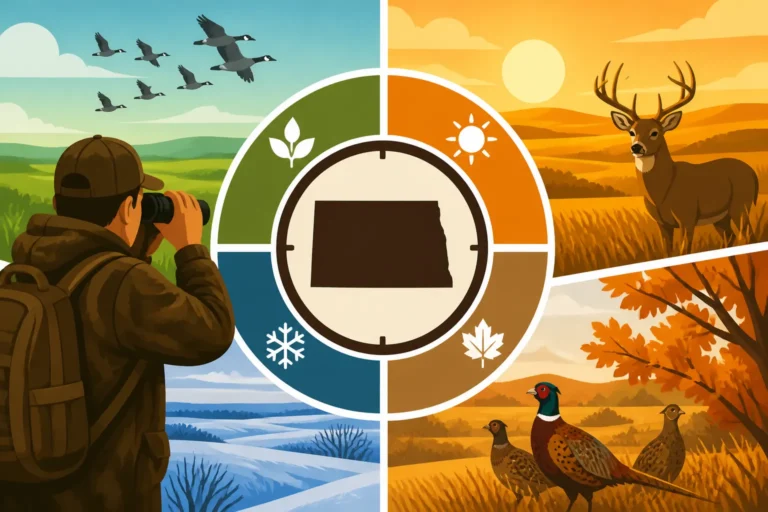
There's nothing quite like the crisp air of a North Dakota fall, with the prairies still holding hints of gold and the promise of a big tom echoing through the river bottoms. But if you're like many hunters, the idea of figuring out guided hunt costs, especially for something as specific as fall turkey, can feel a little like trying to decipher a secret code. You want to make an informed decision, ensure you're getting value, and avoid any nasty surprises. This guide is here to untangle the nuances of North Dakota fall turkey guide day rates, helping you understand what goes into the pricing, what to expect, and how to choose the right outfitter for your next adventure.
The Allure and Logistics of North Dakota Fall Turkey Hunting
North Dakota might not be the first state that springs to mind for turkey hunting, but trust me, it offers some incredible opportunities, especially in the fall. The landscape is diverse, from timbered river corridors to shelterbelts and vast prairie fringes, all holding pockets of robust turkey populations. But it's a different game than the spring, and that's where the learning curve, and the potential benefit of a guide, comes in.
Why Fall Turkey Presents a Unique Challenge
Unlike the spring ritual where strutting gobblers are the focus, fall turkey hunting is all about the flock dynamics. In the autumn, turkeys are typically congregated in larger family groups, often consisting of hens, jakes, and sometimes even mature gobblers that have rejoined these groups. The primary objective often shifts from calling in a lovelorn gobbler to locating a flock, breaking it up, and then calling individual birds back to your setup. This requires a different set of skills, more emphasis on scouting for food sources, and understanding how these larger groups move and interact.
The sheer size of North Dakota means turkeys can be widely dispersed. You might find them along the Missouri River breaks, nestled in the Sheyenne National Grassland, or holding tight to shelterbelts bordering agricultural fields. Their behavior is largely dictated by food availability and weather, making consistent scouting vital. A bird that was in one field last week might be miles away this week, chasing fresh grains or acorns. This nomadic tendency, especially on expansive public lands, can be frustrating for hunters unfamiliar with the specific area.
Navigating Licenses and Access for Non-Residents
For many non-residents, understanding the licensing structure for North Dakota fall turkey is the first hurdle. While North Dakota residents often apply for turkey tags through a lottery system, non-residents typically have access to over-the-counter tags in specific units, or through unique opportunities like hunting on the Standing Rock Nation. This direct access for non-residents is a huge draw, but it still requires understanding which units are open and what the tag limits are. You can find detailed information on North Dakota Fall Turkey Season Rules to get a handle on the specifics for the current year.
Securing a tag is one thing, but finding suitable ground to hunt is another. North Dakota offers a fantastic PLOTS (Private Land Open To Sportsmen) program, as well as extensive federal and state public lands. However, these areas can see significant pressure, especially during peak seasons. A guide often has established relationships with private landowners, providing access to properties that might otherwise be off-limits. This access to exclusive ground can be a game-changer, giving you a competitive edge and a less crowded hunting experience. Checking North Dakota Fall Turkey License Availability is always your first step before even thinking about a guide.
When a Guide Becomes Essential for Fall Turkey Success
So, why would you consider a guide for fall turkey? It boils down to maximizing your time and increasing your chances of success, especially if you're traveling a long distance or have limited days to hunt. North Dakota is a big state, and effectively scouting vast tracts of public land or knocking on doors for private access can eat up valuable hunting time. A guide has done the homework; they've spent countless hours scouting before the season, identifying roosting areas, feeding patterns, and travel corridors. They know where the birds are, or at least where they're most likely to be.
For hunters new to the prairie landscape, a guide offers invaluable local knowledge. They understand the nuances of the terrain, how weather impacts turkey movement, and which calling techniques are most effective for fall birds in their specific hunting units. They can also provide equipment like blinds or decoys, saving you the hassle of transporting your own. Essentially, a good guide transforms hours of uncertainty and searching into focused, productive hunting time, ensuring you make the most of your North Dakota fall turkey adventure.
Deconstructing North Dakota Fall Turkey Guide Day Rates
When you start looking into booking a guided hunt, especially for something specific like fall turkey, the term "day rate" is going to pop up constantly. It's the standard unit of cost, but what exactly does it encompass? Understanding the inclusions and the factors that drive these rates is key to setting your expectations and budgeting effectively.
The Baseline: What a Standard Day Rate Typically Covers
At its core, a day rate for a North Dakota fall turkey guide generally covers the guide's time and expertise for a full day of hunting. This means they'll meet you, take you to pre-scouted locations, and actively guide you in the field. This usually includes transportation in their hunting vehicle (often a 4×4 truck or UTV) once you meet up. They'll know the best places to set up a blind, position decoys, or try calling a scattered flock back together.
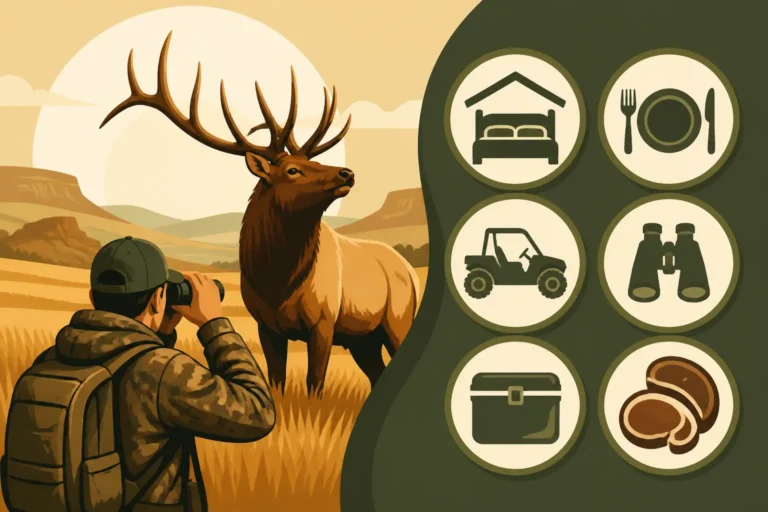
Beyond the direct guiding, a day rate will often cover the significant amount of pre-scouting the outfitter has done to locate birds, understand their patterns, and secure access to prime hunting grounds. After a successful harvest, guides will typically assist with field dressing your bird, making sure it's properly handled for transport. What's often not included, and where many hunters get surprised, are your hunting licenses and tags, personal hunting gear (firearms, ammunition, camouflage), meat processing, taxidermy, and typically lodging and meals unless explicitly stated as part of a package. Gratuities for your guide are also an additional, but expected, expense.
Influencing Factors: Why Rates Fluctuate
North Dakota fall turkey guide day rates are far from monolithic; they can vary significantly based on several key factors. One major influence is the guide's reputation and experience. Guides with a long track record of success, deep local knowledge, and excellent client testimonials often command higher rates. You're not just paying for their time; you're paying for their proven ability to put you on birds.
Another substantial factor is land access. Guides who primarily operate on vast tracts of private land, secured through leases or long-standing relationships with landowners, often have higher overheads that are reflected in their rates. This private land access can offer less hunting pressure and potentially larger, more stable turkey populations, which translates to a higher quality hunting experience. Conversely, guides who primarily utilize public lands might offer slightly lower rates, though their expertise in navigating these busy areas is still invaluable. Amenities also play a role; a guide offering a bare-bones guiding service will naturally be less expensive than one who provides a fully furnished lodge, home-cooked meals, and all the comforts of home. The duration of the hunt, whether it's a full day or a shorter half-day excursion, will also impact the specific cost.
Understanding the Cost Spectrum: From Budget to Boutique
Because of these influencing factors, the actual day rates for North Dakota fall turkey guides can span a wide spectrum. On the more budget-friendly end, you might find guides offering a "guide-only" service where you're responsible for all your own lodging, meals, and other logistics, essentially paying for their field time and expertise. These options are often appealing to experienced hunters who are comfortable handling the non-hunting aspects of their trip and are simply looking for an advantage in locating birds and gaining access.
At the other end of the spectrum are the boutique, all-inclusive experiences. These often involve multi-day packages that bundle guiding services with comfortable lodge accommodations, gourmet meals, bird cleaning and packaging, and sometimes even transportation to and from a local airport. These premium packages offer unparalleled convenience and comfort, making them ideal for hunters seeking a truly worry-free vacation where every detail is handled. As you research North Dakota Fall Turkey Guide Day Rates, remember that the figures you see will reflect this range of services and amenities. Always confirm precisely what is included before booking.
Different Flavors of North Dakota Fall Turkey Hunt Packages
Just like there are many ways to hunt fall turkeys, there are also various types of guided packages to suit different hunter preferences, budgets, and logistical needs. Understanding these options will help you choose the experience that best fits what you're looking for on your North Dakota adventure.
The "Guide Only" Experience: For the Self-Sufficient Hunter
For many seasoned hunters, the "guide only" package is a fantastic sweet spot. This option essentially provides you with the guide's expertise, local knowledge, and often, access to private land for the day, without bundling in accommodations, meals, or other amenities. You're responsible for booking your own hotel or Airbnb, preparing your own food, and handling all travel to and from the hunting area. This setup is particularly appealing if you're bringing a camper, staying with friends or family in the area, or simply prefer to control your own off-hunt schedule and budget.
The beauty of a "guide only" day hunt is its focus on the hunt itself. You meet your guide at a predetermined spot, climb into their vehicle, and spend the day pursuing turkeys. This often translates to a lower upfront cost compared to all-inclusive options, making it a more economical choice. It's perfect for the hunter who thrives on independence but still values the edge a local expert provides in a big, unfamiliar state like North Dakota.
All-Inclusive Packages: Convenience on the Prairie
On the other side of the spectrum are the all-inclusive packages, designed for maximum convenience and a truly worry-free hunting experience. These options typically bundle the guiding service with comfortable lodging, delicious home-cooked meals, and sometimes even amenities like bird cleaning and processing. Imagine coming back from a successful morning hunt to a warm breakfast, or returning after a long day in the field to a hot dinner and a cozy bed, all without lifting a finger.
These multi-day packages are often geared towards non-resident hunters or those who simply want a vacation where all the details are handled. It streamlines the entire trip, allowing you to focus purely on the hunt and the camaraderie. While the per-day cost for these packages will naturally be higher than a guide-only option, the value comes from the ease, comfort, and the overall experience. When you consider the cost and effort of sourcing your own lodging and food, an all-inclusive package can often present a surprisingly good value, especially for a several-day hunt. If you're looking to book a comprehensive trip, exploring Booking a Fall Turkey Hunt in North Dakota can give you a better idea of what these packages entail.
Specialized Hunts: Tailoring to Your Specific Needs
Beyond the standard day rates and all-inclusive packages, some North Dakota outfitters might offer specialized fall turkey hunts designed for particular interests or demographics. These could include archery-specific turkey hunts, which require different tactics, blind setups, and patience compared to shotgun hunting. The guide might have specific knowledge of areas where archery opportunities are high, or provide specialized ground blinds.
Youth hunts are another growing area, with some outfitters providing tailored experiences for younger hunters, often focusing on education and ensuring a positive first-time hunting memory. The guide might offer extra hands-on instruction or a slower pace, which could influence the daily rate. Similarly, if you're interested in hunting a particularly challenging piece of terrain, or seeking a unique experience like a Hunting the Standing Rock Fall Turkey Option, an outfitter might have a specialized offering. Always inquire if an outfitter caters to specific preferences or needs, as they may have a package perfectly suited for your unique fall turkey hunting goals.
Navigating the Selection Process: Choosing Your Fall Turkey Outfitter
Finding the right guide for your North Dakota fall turkey hunt is just as important as the hunt itself. A great guide can make the difference between a memorable, successful trip and a frustrating one. It pays to do your homework and ask the right questions before committing.
Leveraging Online Resources and Reputation Checks
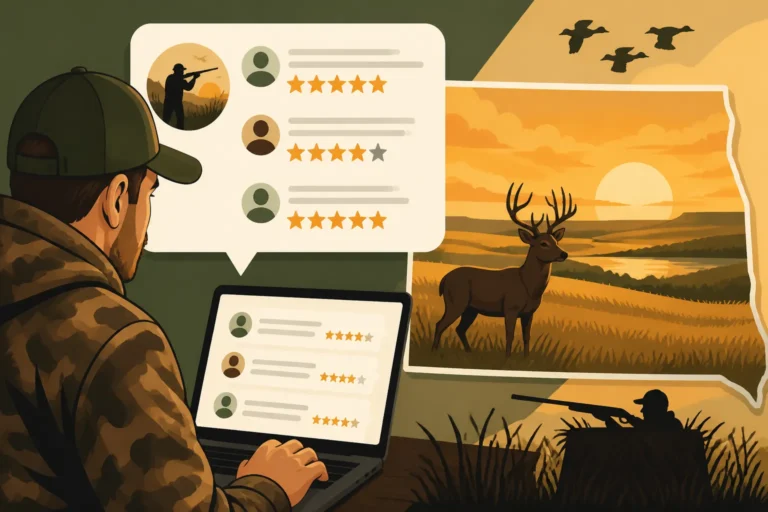
In today's digital age, your search for an outfitter often begins online. General search engines are a good starting point, but specialized platforms like BookYourHunt or GoHunt can be incredibly valuable. These sites often list multiple outfitters, complete with detailed descriptions of their services, photos, and, most importantly, client reviews and testimonials. Reading these real-world experiences can give you a strong sense of an outfitter's professionalism, success rates, and the overall quality of their operation.
Don't stop there, though. Delve into hunting forums, social media groups dedicated to North Dakota hunting, and even direct phone calls to local sporting goods stores in the area you plan to hunt. Word-of-mouth is still king in the hunting community. Once you've identified a few potential guides, check their professional affiliations and if they are properly licensed. You can learn more about how to evaluate potential partners by looking into Vetting a North Dakota Hunting Outfitter. Always ask for references—and actually call them. Speaking to past clients provides unfiltered insight into what you can genuinely expect.
Critical Questions to Ask Your Prospective Guide
Once you've narrowed down your choices, it's time to get on the phone and ask some detailed questions. Don't be shy; a reputable guide will welcome your thoroughness. Start by clarifying what exactly is included in their fall turkey day rate or package. Is lodging part of it? Meals? Bird cleaning? What about transportation during the hunt? This prevents any misunderstandings down the road.
Next, inquire about their specific experience guiding for fall turkeys in the North Dakota units you're interested in. Fall turkey behavior is distinct from spring, so you want a guide who understands these nuances. Ask about their typical fall turkey hunting methods—do they focus on breaking up flocks, calling them back, or spot-and-stalk? What kind of success rates do they generally see for fall turkey hunters? While no guide can guarantee a kill, a realistic success rate gives you an idea of their capabilities. It’s also wise to ask about their contingency plans for adverse weather or unexpected field conditions. What if a major snowstorm rolls in, or the birds simply aren't where they expected? You can find more comprehensive questions to ask in Questions to Ask a North Dakota Outfitter.
Financial Commitments: Deposits, Contracts, and Contingencies
Before you book anything, ensure you receive a clear, written contract detailing all the services, dates, costs, and payment schedules. This document protects both you and the outfitter. Most outfitters require a deposit to secure your dates, with the balance due closer to the hunt or upon arrival. Understand their cancellation and refund policy, especially if you need to reschedule due to unforeseen circumstances on your end. What if they need to cancel? How are refunds or rebookings handled?
Also, confirm what happens if you don't tag out. While a guide's job is to put you in a position to be successful, ethical hunting involves variables outside anyone's control. A clear understanding of what you're paying for—the guided experience, not necessarily a guaranteed harvest—is crucial. Good communication and a transparent contract will prevent unwelcome surprises and ensure a smooth financial transaction.
Making the Most of Your North Dakota Fall Turkey Adventure
Booking a guide is a significant investment, both of time and money. To ensure you get the absolute most out of your North Dakota fall turkey hunt, a little preparation and clear communication go a long way.
Personal Preparation for the Field
Even with a top-notch guide, your personal preparation plays a huge role in your hunting success and enjoyment. North Dakota's fall weather can be notoriously unpredictable, swinging from mild and pleasant to bitterly cold and windy in a matter of hours. Layering your clothing is absolutely essential. Think about durable, quiet outer layers that can stand up to brush and briars, and warm, moisture-wicking base layers underneath. Remember that you might be doing a fair amount of walking, potentially across rugged terrain or through standing crops, so comfortable, broken-in hunting boots are non-negotiable.
Familiarize yourself with your chosen weapon, whether it's a shotgun, rifle, or bow. Practice shooting from various positions you might encounter in the field, not just from a bench. If you're an archery hunter, ensure your bow is tuned and you're proficient out to your comfortable range. If you enjoy calling, practice your fall turkey calls – clucks, yelps, and kee-keem runs – as a guide might want you to participate in the calling sequence. Even if your guide will do most of the calling, being able to contribute or simply understand what's happening adds to the experience. For general packing advice, you might find some crossover tips in Packing for an Eight-Day North Dakota Elk Hunt regarding layered clothing and essential gear for extended trips in varying weather.
The Guide-Hunter Dynamic: A Partnership for Success
Your relationship with your guide is a partnership. They bring the expertise, the scouting, and the access, but your role is just as important. Be honest with your guide about your physical capabilities, your hunting experience, and your preferences. If you have a specific goal (e.g., you really want to try to call in a flock, or you prefer sitting a blind to stalking), communicate that upfront. A good guide will do their best to accommodate you.
Crucially, listen to your guide's instructions in the field. They know the terrain, the turkeys, and the safety protocols. Follow their lead on approach, setup, and when to call or shoot. Don't be afraid to ask questions, but also trust their judgment. The best hunts are those where the hunter and guide work seamlessly as a team, adapting to conditions and communicating effectively. Whether you're working a Calling a Fall Gobbler Flock scenario or setting up in a shelterbelt, clear communication is paramount.
After the Shot: Game Handling and Gratuities
Should you be fortunate enough to harvest a North Dakota fall turkey, your guide will typically assist with field dressing and preparing the bird for transport. Discuss options for further processing – some outfitters have facilities on-site, others can recommend local butchers, or you might be responsible for taking it home yourself. Ensure you understand the requirements for legally tagging and transporting your bird across state lines if you're a non-resident.
Finally, let's talk about gratuities. Tipping your guide is standard practice in the hunting industry and is a significant part of their income. The amount can vary based on the quality of the service, the effort of the guide, and whether you harvested an animal. A general guideline is 15-20% of the total hunt cost, but you should adjust based on your experience. A guide who worked tirelessly, was personable, and went above and beyond even if you didn't tag out, certainly deserves a generous tip. Consider having cash on hand for this purpose. While aimed at a different species, the advice in Standard Tip for a Waterfowl Guide provides a good baseline for general tipping etiquette for North Dakota hunting guides.
To help visualize the difference in offerings, here's a general comparison of basic guided day rates versus more inclusive packages:
| Feature/Service | Basic Guided Day Hunt | All-Inclusive Multi-Day Package |
|---|---|---|
| Guide Time & Expertise | Full day of guided hunting | Multiple days of guided hunting |
| Pre-Scouting | Included | Included |
| Transportation | In-field transport by guide | In-field transport by guide |
| Private Land Access | Often included | Often included |
| Field Dressing | Assistance provided | Assistance provided, often more extensive |
| Lodging | Not included (hunter arranges) | Included (lodge, cabin) |
| Meals | Not included (hunter arranges) | Included (breakfast, lunch, dinner) |
| Bird Cleaning/Processing | Not included, or basic assistance | Often included or arranged |
| Personal Gear | Hunter provides all | Hunter provides all |
| Licenses/Tags | Hunter purchases separately | Hunter purchases separately |
| Tipping | Expected, additional | Expected, additional |
| Cost | Lower daily rate | Higher daily rate, but covers more amenities |
| Ideal For | Self-sufficient, budget-conscious, local hunters | Non-residents, comfort-seekers, longer trips |
Choosing a North Dakota fall turkey guide means more than just finding the lowest price. It means investing in an experience, tapping into local expertise, and potentially creating memories that will last a lifetime. Do your research, ask thoughtful questions, and prepare yourself for an incredible hunt on the beautiful North Dakota prairie.
Disclaimer
This article is for general informational purposes only and does not constitute professional advice. Laws, prices and regulations vary by location and change over time. Consult a qualified professional for guidance on your specific situation.