Why Spring Turkey Guides Don’t Exist for Nonresidents
It can be incredibly frustrating to dream of a spring turkey hunt in a state known for its wild game, only to hit a brick wall when you start looking for guided opportunities as a nonresident. You've probably searched high and low on various outfitter websites, perhaps even checked platforms like BookYourHunt, and found nothing but dead ends for North Dakota spring turkey. This isn't just bad luck or a lack of options; it's a direct result of North Dakota's specific hunting regulations. This guide is here to unravel the mystery and explain exactly why spring turkey guides don't exist for nonresidents in North Dakota, what that means for your hunting plans, and where you can find nonresident turkey opportunities.
The Core of the Matter: North Dakota's Resident-Only Spring Turkey Season
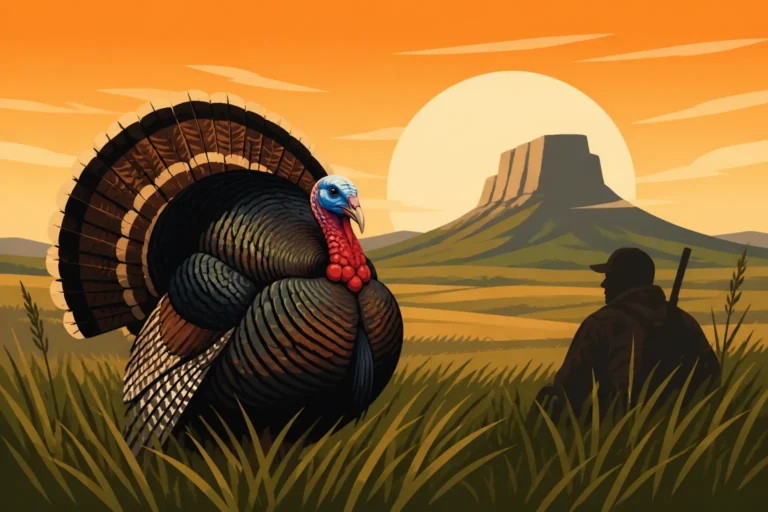
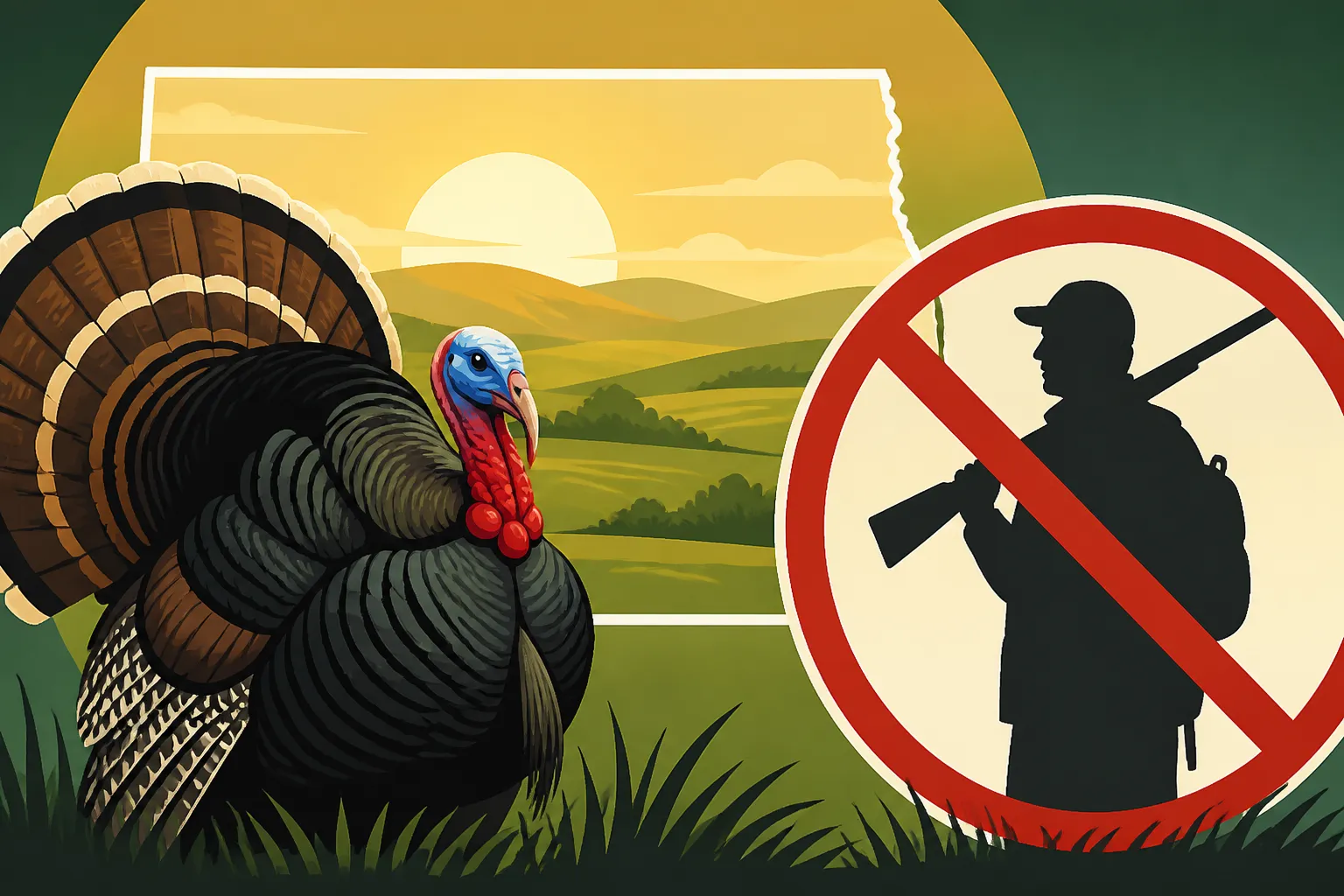
The biggest hurdle for any nonresident hoping to chase spring gobblers in North Dakota is quite simple: the state's spring turkey season is exclusively for residents. This isn't a minor detail; it's the fundamental reason why you won't find any licensed outfitters or guides catering to nonresident spring turkey hunters. Without the ability to legally obtain a tag, there's simply no business model for guiding.
Understanding the License Restriction
North Dakota's wildlife management philosophy often prioritizes its resident hunters, especially for certain species or seasons. For spring turkey, this means that the entire allocation of tags, which are distributed through a lottery system, is reserved solely for those who can prove North Dakota residency. You can look at the official Game and Fish Department website, pore over the regulations, or call them directly—the answer will always be the same. This can be a bitter pill to swallow if you're coming from a state with more liberal nonresident turkey hunting options, and it certainly dashes any hopes of experiencing the famous prairie gobbling firsthand in the spring.
The frustration is understandable. Many hunters travel for the unique challenge and experience of hunting different subspecies or in different habitats. North Dakota offers a fantastic blend of open prairie, river bottoms, and timber pockets that hold robust turkey populations. The thought of not being able to experience a North Dakota spring morning, listening to distant gobblers on the vast landscape, is a genuine disappointment for many out-of-state hunters. This isn't about capacity or turkey numbers; it's a deliberate choice to provide ample opportunities for North Dakotans.
The Rationale Behind Resident-Only Seasons
This resident-only approach isn't arbitrary; it stems from a combination of wildlife management objectives and a desire to serve the local hunting community. First and foremost, the North Dakota Game and Fish Department manages its wildlife populations for sustainability and health. While turkey numbers are generally good, resident-only seasons help ensure that local hunters have a consistent chance to participate without increased competition from a broader pool of applicants. The state has invested significant resources into re-establishing and managing these turkey populations over the decades, and prioritizing residents is often seen as a way to honor that investment. You can read more about How Turkeys Were Restored to North Dakota.
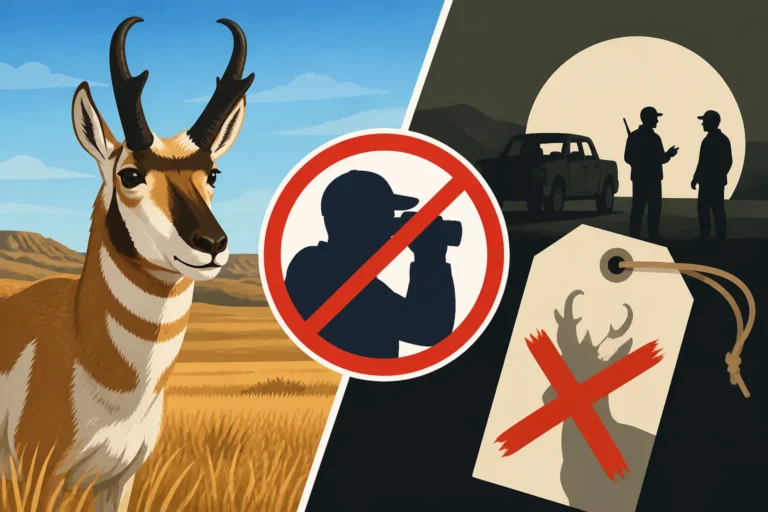
Furthermore, North Dakota also has other coveted big game opportunities, such as elk, moose, and bighorn sheep, which are also strictly resident-only. This policy helps maintain a balance, giving residents exclusive access to certain limited or highly sought-after tags. It's a common practice in many states for specific species or seasons to offer preference, or even exclusive access, to residents, acknowledging that local taxpayers and landowners often contribute directly to habitat conservation and management efforts. This ensures that the hunting heritage remains strong within the state's own borders, preventing situations where nonresident demand could overwhelm available opportunities for locals. Why Elk, Moose and Pronghorn Stay Resident-Only delves into similar reasons for other species.
Navigating North Dakota's Turkey Hunting Landscape
While spring turkey might be off-limits for nonresidents, North Dakota does offer alternatives for those eager to experience turkey hunting within its borders. The key is to understand that the rules change significantly between seasons and jurisdictions.
Fall Turkey Season: A Different Story for Nonresidents
Here's the good news: if you're a nonresident hankering for a North Dakota turkey hunt, the fall season offers a viable path. Unlike spring, the fall turkey season in North Dakota is open to both residents and nonresidents, although licenses are still allocated through a lottery system. This means that while it's not a guaranteed tag, you can apply and have a chance to draw a license. The hunting experience in the fall is quite different from spring, focusing more on breaking up flocks and calling birds back together, rather than the intense gobbling and strutting action of the spring breeding season. Many hunters find fall turkey hunting to be an exciting and strategic challenge in its own right, often providing opportunities for multiple bird harvests if you manage to draw a permit that allows it.
You'll need to pay close attention to the application deadlines and unit availability, as these can vary year to year. Information on North Dakota Fall Turkey License Availability is crucial for planning. While guides for fall turkey are less common than for other species like pheasant or waterfowl, they are not entirely unheard of, especially if you're looking for a semi-guided experience or help with access to private land. However, most nonresident fall turkey hunters pursue these birds on a self-guided basis, relying on good maps, scouting, and adapting to the unique challenges of fall turkey behavior. Finding guides for fall turkey isn't as straightforward as for pheasant, so platforms like BookYourHunt might show limited options, encouraging a more self-reliant approach.
What the Standing Rock Nation Offers
For nonresidents determined to hunt turkey in North Dakota, there’s a unique and important exception to the state’s resident-only spring turkey rule: the Standing Rock Sioux Tribe. The Standing Rock Nation, which spans parts of North Dakota and South Dakota, manages its own wildlife resources and issues its own hunting licenses, separate from the state. This means that nonresidents can purchase turkey tags directly from the Standing Rock Sioux Tribe. These tribal tags are typically available for both spring and fall seasons, offering a legitimate path for nonresidents to hunt turkeys in North Dakota.
Hunting on Standing Rock tribal lands comes with its own set of regulations and cultural considerations, which are important to respect. The process involves contacting the tribal game and fish department directly for licenses and permits. Buying a Standing Rock Nonresident Turkey Tag provides more details on this process. While hunting on tribal land, you'll need to adhere to their specific season dates, bag limits, and access rules. This unique opportunity allows nonresidents to experience the thrill of a North Dakota turkey hunt, often in beautiful and less-pressured environments. While state-licensed guides wouldn't operate here, you might find tribal members or local individuals who offer guiding services specific to the Standing Rock Nation, operating under tribal authority rather than state regulations. It's a fantastic alternative that truly opens up possibilities for those who thought their nonresident turkey hunting dreams in North Dakota were completely dashed.
The Practicalities of Nonresident Hunting in North Dakota
Understanding why spring turkey guides aren't available for nonresidents is one thing, but it also helps to grasp the broader context of guiding and access in North Dakota, especially when comparing different species. The economics and logistics simply don't align for nonresident spring turkey guiding.
Why Outfitters Focus on Other Species
Outfitters are businesses, and like any business, they focus their resources where there is legal opportunity and high demand. For North Dakota, that means a clear emphasis on species and seasons where nonresident hunting is both allowed and popular. Think about the iconic North Dakota hunts that draw thousands of nonresidents annually:
- Pheasant Hunting: North Dakota is a world-class pheasant destination. Outfitters invest heavily in prime pheasant habitat, lodging, dog kennels, and guides because nonresidents can easily obtain licenses and the demand is incredibly high. Booking a Guided North Dakota Pheasant Hunt is a common search for good reason.
- Waterfowl Hunting: The state sits smack in the middle of the Central Flyway, making it a duck and goose paradise. Nonresident waterfowl tags are available (with some specific restrictions like the new zone-restricted license for 2026), and guides offer everything from field hunts to pothole setups. Booking a North Dakota Waterfowl Guide is a very active segment of the outfitting industry.
- Deer Hunting: While a lottery system, nonresident deer tags exist, particularly for archery season and some gun seasons. This creates a market for guides who specialize in putting hunters on whitetails, especially in productive areas like river bottoms or the Badlands for mule deer. Booking a North Dakota Deer Hunt also shows that outfitters will cater to nonresident demand when legally possible.
Given that nonresident spring turkey tags are non-existent, there's absolutely no financial incentive for an outfitter to build a business around it. They would have no clients! It makes perfect sense for them to direct their energy, capital, and expertise towards the hunts that nonresidents can legally participate in, where a viable business model can thrive.
The Role of Public vs. Private Land Access
Access is always a critical component of any hunting trip, and it plays an indirect role in the absence of nonresident spring turkey guides. Outfitters often secure exclusive access to private lands, either through leases or strong landowner relationships. This private land access is a major draw for clients, offering managed hunting pressure and often higher success rates. However, for nonresident spring turkey, this entire equation falls apart.
Even if, hypothetically, a nonresident could get a state spring turkey tag, outfitters would still face a dilemma:
- Public Land Limitations: While North Dakota boasts extensive public lands like the PLOTS Program Explained tracts, National Grasslands, and Wildlife Management Areas (Public Hunting Land in North Dakota), these areas are generally managed for general public use. While you can certainly hunt these areas for fall turkey or other species, they don't typically support the kind of exclusive commercial guiding operations that outfitters prefer for paying clients, especially for a season that's already off-limits. Tools like
GoHuntcan help identify these public lands, but they can't create nonresident spring turkey opportunities. - No Incentive for Private Land Leases: Why would an outfitter lease prime private land for spring turkey if they can't guide nonresidents on it? The entire economic model collapses. Landowners might allow resident hunters access, or even lease land to residents, but a commercial nonresident guiding operation is simply not possible under the current rules. This makes Getting Private Land Permission in North Dakota a purely personal endeavor for residents, not a guided service for out-of-staters in the spring.
The lack of legal tags for nonresidents for spring turkey hunting directly removes any incentive for outfitters to secure private land or invest in public land guiding strategies for that specific season, funneling all guiding efforts into the legally permissible and economically viable hunts.
Alternatives and Strategies for Nonresident Turkey Hunters
So, if you’re a nonresident turkey hunter with your heart set on North Dakota, what are your options beyond simply giving up? While spring gobblers through a guide might be out, there are still ways to experience turkey hunting in the Flickertail State.
Exploring Self-Guided Fall Hunts
For many nonresidents, the fall turkey season is the most accessible and rewarding alternative. It offers a chance to experience North Dakota's diverse habitats and test your turkey hunting skills. A self-guided fall hunt requires more planning and scouting, but it can be incredibly fulfilling.
Here’s how to approach it:
- License Application: Your first step is to apply for a fall turkey license during the application period. Keep an eye on the North Dakota Game and Fish Department website for deadlines and unit availability. Drawing a tag isn't guaranteed, but your odds can often be good, especially if you're flexible with units.
- Research and Scouting: Once you have a tag, deep research into your chosen unit is paramount. Utilize online mapping tools, satellite imagery, and public land apps to identify potential hunting areas. Look for a mix of timber, river bottoms, crop fields, and grassland edges – prime turkey habitat. The Scouting PLOTS Land Before Season guide can be invaluable here. Using resources like
GoHuntto layer land ownership data and identify public access points, such as PLOTS (Private Land Open To Sportsmen) or Wildlife Management Areas, can save you hours of on-the-ground scouting. - Understanding Fall Behavior: Fall turkeys behave differently than their spring counterparts. They are often in large flocks, and while gobbling can occur, the primary strategy involves locating these flocks, scattering them, and then calling them back together, often using "kee-kee runs" and assembly calls. Understanding Calling a Fall Gobbler Flock is critical for success.
- Gear and Logistics: Be prepared for varied weather conditions. North Dakota falls can be mild or bring early snow. Pack layers, sturdy boots, and good optics. Consider where you’ll stay, whether it's camping on National Grasslands or booking a motel in a nearby town.
A self-guided fall hunt offers a true immersion into the North Dakota landscape and provides a different, but equally exciting, turkey hunting challenge. It’s an adventure that many nonresidents cherish.
Connecting with Local Landowners and Hunters
Another strategy, particularly for fall turkey hunting, is to focus on building relationships and seeking permission on private land. While guides generally won't facilitate this for nonresident spring turkey, for fall hunts, a friendly and respectful approach can open doors.
- Knocking on Doors: North Dakota is largely private land, and many landowners are receptive to polite requests for hunting permission, especially for species like turkey that may be viewed as less intensely pressured than deer. The process of Knocking on Doors in North Dakota Farm Country involves being courteous, prepared (with your license and identification), and clear about what you intend to hunt. Always offer to share your harvest, clean up after yourself, and respect their property.
- Networking: If you know anyone in North Dakota, leverage those connections. Local knowledge is invaluable for understanding turkey movements, identifying good habitat, and finding less-pressured areas. Sometimes, a casual conversation at a local diner or gas station can lead to valuable insights or even a hunting opportunity.
- Respect and Reciprocity: Any access granted on private land is a privilege, not a right. Demonstrate respect for the land, the landowner, and their property. Follow all rules, leave no trace, and consider offering to help with a small chore or bringing a small gift as a thank-you. These gestures can build goodwill and potentially lead to future opportunities, whether you're hunting in the Hunting North Dakota's James River Basin or Hunting the Turtle Mountain Timber Pockets.
While the dream of a guided spring turkey hunt in North Dakota as a nonresident remains just that—a dream—the fall season and the unique tribal opportunities offer fantastic, hands-on experiences. By understanding the regulations and focusing on self-guided strategies or tribal land hunts, you can absolutely enjoy the thrill of turkey hunting in the beautiful North Dakota landscape.
Here's a quick comparison of North Dakota's turkey hunting avenues for nonresidents:
| Feature | North Dakota Spring Turkey (Resident) | North Dakota Fall Turkey (Resident) | Standing Rock Fall Turkey (Nonresident) |
|---|---|---|---|
| Eligibility | Residents only | Residents (lottery) | Residents & Nonresidents (direct purchase) |
| Guide Availability | Not applicable (resident only) | Limited, mostly self-guided | Potentially available (tribal specific) |
| Season Structure | Spring Gobbler focused | Any Sex (brood flocks, single birds) | Specific tribal dates, often fall |
| Primary Method | Calling, strutting gobblers | Calling, flock busting, pass shooting | Similar to state fall season |
| License Acquisition | Lottery | Lottery | Direct from Tribe |
Disclaimer
This article is for general informational purposes only and does not constitute professional advice. Laws, prices and regulations vary by location and change over time. Consult a qualified professional for guidance on your specific situation.